
Deadheading hydrangeas involves cutting off spent blooms to encourage new growth and maintain plant health.
Table of Contents
Deadheading hydrangeas is a vital gardening practice that promotes healthy blooms and enhances the aesthetic appeal of your plants. In this guide, we’ll explore effective techniques, timing considerations, and common mistakes to avoid, ensuring your hydrangeas thrive.
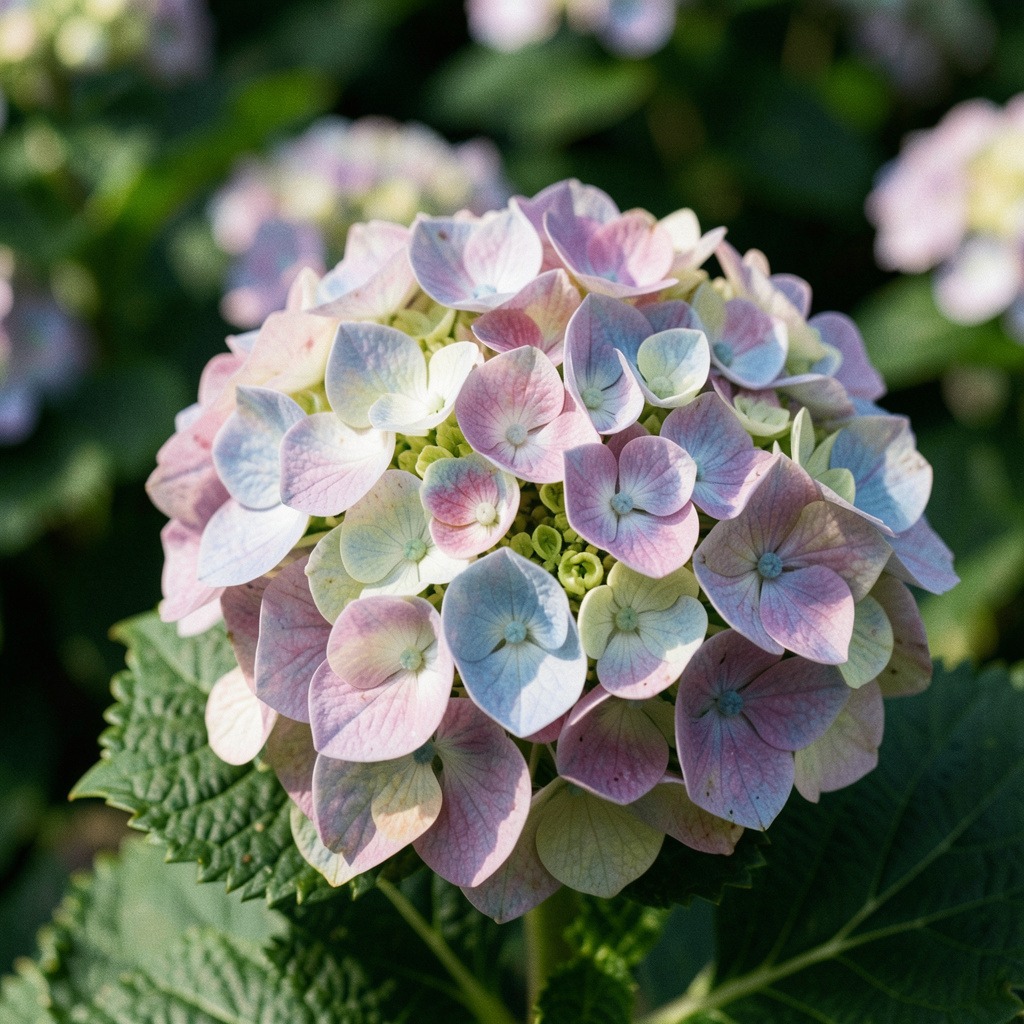
Understand the Importance of Deadheading Hydrangeas
Deadheading hydrangeas is crucial for maintaining plant health and enhancing bloom production. This simple practice allows your hydrangeas to direct their energy toward creating new flowers rather than producing seeds.
The Role of Deadheading in Promoting New Blooms
Deadheading involves removing spent flowers to encourage new growth. By cutting away faded blooms, you stimulate the plant to produce additional buds. This process can lead to a significant increase in blooming. Studies suggest that deadheading can boost bloom production by up to 20% in some hydrangea varieties.
How Deadheading Prevents Energy Loss
When spent blooms remain on the plant, they consume valuable energy. Hydrangeas expend resources on seed production from these old flowers. By deadheading, you minimize this energy loss, allowing the plant to focus on root and bud development. This is particularly important for hydrangeas, which thrive on energy for continuous blooming.
Maintaining a Tidy Appearance
Regular deadheading keeps your hydrangeas looking fresh and attractive. Removing wilted flowers enhances the visual appeal of your garden. A tidy plant not only looks better but can also prevent pests and diseases that thrive on decaying plant matter.
For effective deadheading, you need sharp pruning shears, such as the Gonicc 8″ Professional Hand Pruner. Using the right tools ensures clean cuts, which are vital for plant health.
When to Deadhead Your Hydrangeas
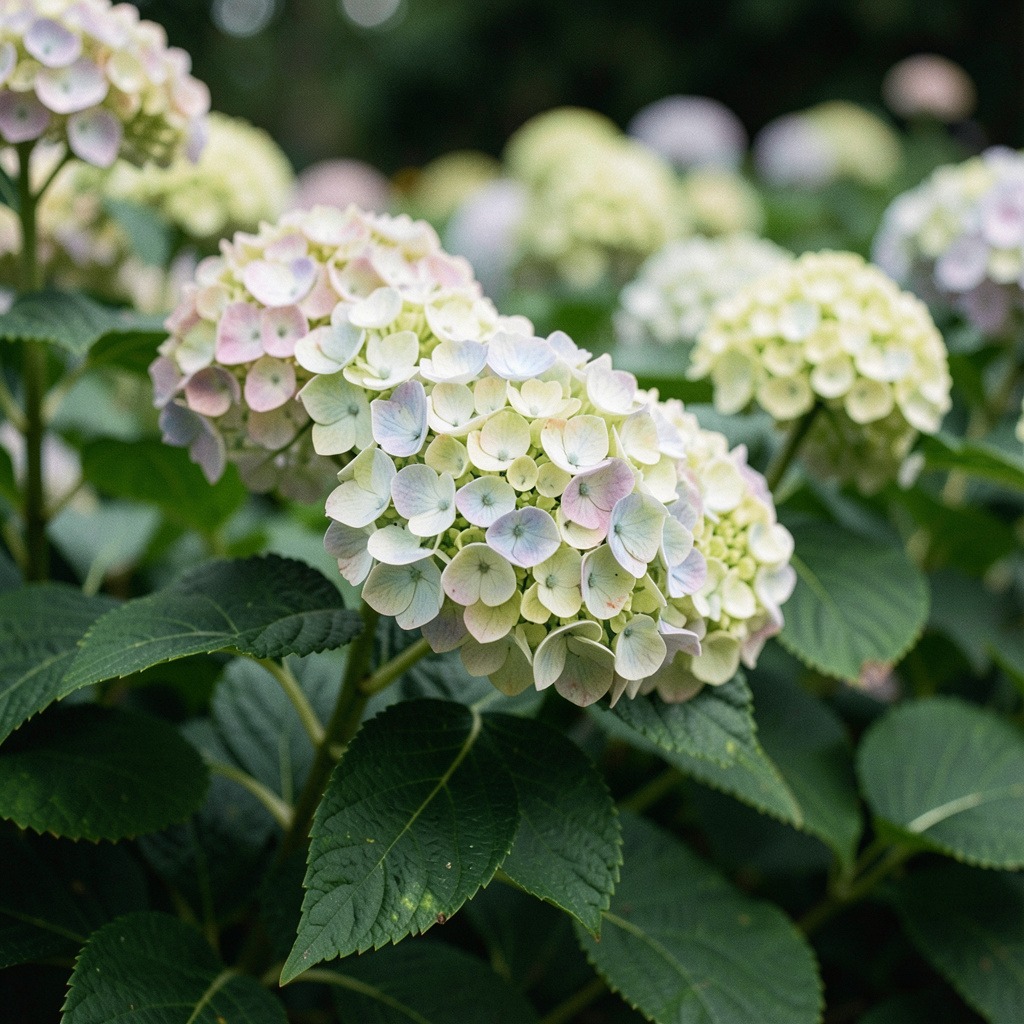
Timing is crucial for effectively deadheading hydrangeas. Proper timing ensures that your plants remain healthy and continue to produce vibrant blooms throughout the season. Different hydrangea types and regional climates influence when you should perform this essential task.
Best Months for Deadheading
Generally, the best time to deadhead hydrangeas is late spring to early summer. This period allows the plant to redirect energy from spent blooms to new growth. Here’s a quick reference for timing based on various climates:
| Climate Zone | Best Months for Deadheading |
|---|---|
| Zone 3 | Late June to Early July |
| Zone 4 | Mid June to Late July |
| Zone 5 | Late May to Early July |
| Zone 6 | Late May to Late June |
| Zone 7-10 | Early April to June |
Timing Based on Hydrangea Types
Different hydrangea varieties have unique blooming patterns that affect deadheading timing:
- Hydrangea macrophylla (Bigleaf): Deadhead after the first bloom cycle, usually in early summer. This encourages a second bloom.
- Hydrangea paniculata (Panicled): Deadhead in late summer. These varieties bloom on new wood, so timing allows for healthy growth before winter.
- Hydrangea quercifolia (Oakleaf): Deadhead in late spring. These shrubs benefit from early deadheading to promote robust flowering.
Signs That It’s Time to Deadhead
Recognizing when to deadhead hydrangeas is essential for maintaining plant health. Look for the following signs:
- Faded Blooms: Once blooms lose their vibrant color, it’s time to remove them.
- Wilting Flowers: Flowers that droop or wilt indicate they are spent and should be deadheaded.
- Seed Development: If you notice seed pods forming, deadheading will help channel energy back into the plant.
By following these guidelines, you can effectively deadhead your hydrangeas, leading to healthier blooms and a more appealing garden.
Step-by-Step Guide to Deadheading Hydrangeas
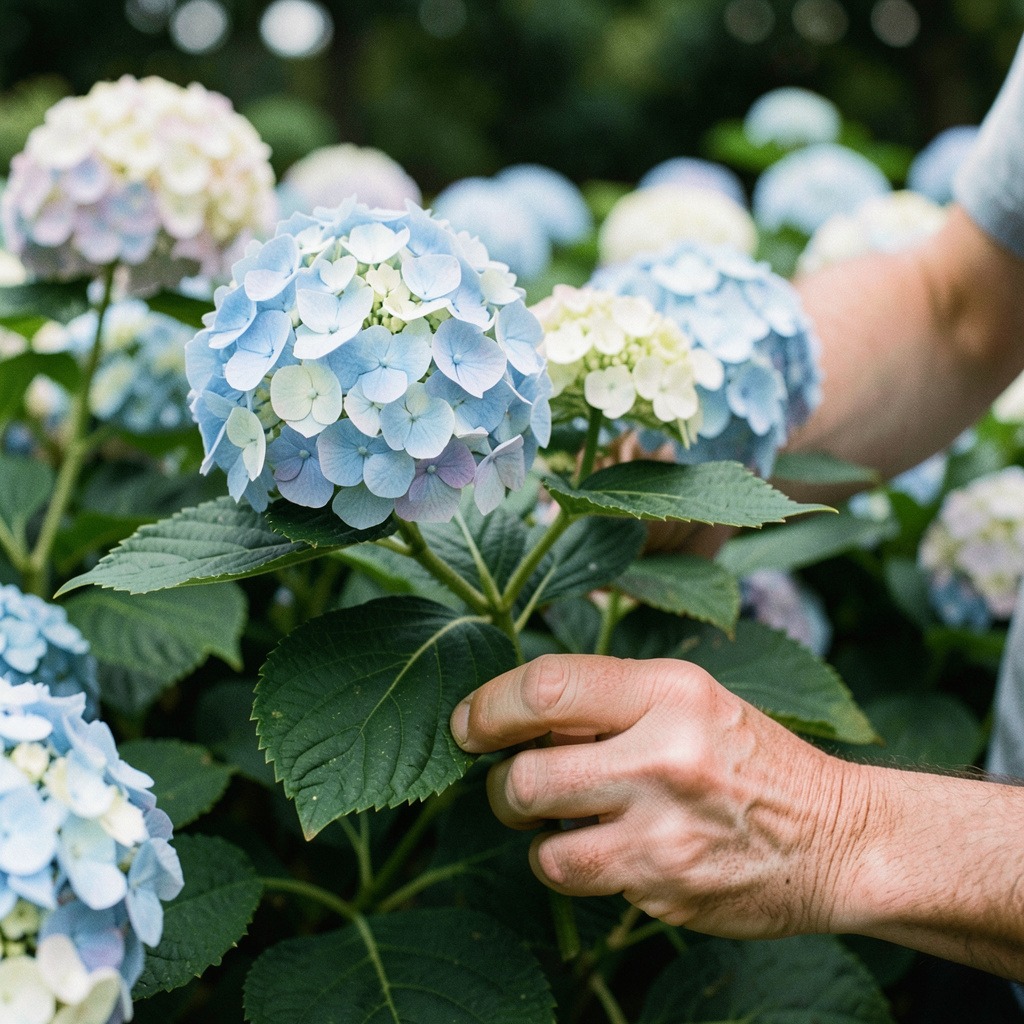
Deadheading is a simple yet effective technique to enhance the health and appearance of hydrangeas. By removing spent blooms, you promote new growth and maintain the plant’s vigor. Follow these steps for effective deadheading.
Tools Required for Effective Deadheading
To successfully deadhead hydrangeas, you will need the following tools:
- Sharp Pruning Shears: Essential for clean cuts. A recommended option is the Gonicc 8″ Professional Hand Pruner.
- Garden Gloves: Protect your hands from thorns and rough stems.
- Bucket or Bag: For collecting spent blooms, keeping your garden tidy.
Step-by-Step Deadheading Process
1. Identify Spent Blooms: Look for faded or wilting flowers. These are indicators that it’s time to deadhead.
2. Locate the Next Set of Leaves: Follow the stem of the spent bloom down to the next pair of large leaves.
3. Make the Cut: Using your pruning shears, cut the stem approximately half an inch above the leaves. This allows for new buds to develop without interference.
4. Dispose of Spent Blooms: Collect and dispose of the dead blooms to prevent disease and keep your garden looking neat.
Common Mistakes to Avoid During Deadheading
- Cutting Too Low: Avoid cutting the stem too close to the leaves, as this can remove developing buds.
- Neglecting Timing: Deadhead regularly throughout the blooming season, but stop before winter to protect new buds from frost.
- Using Dull Tools: Always ensure your shears are sharp to make clean cuts, which reduces the risk of damaging the plant.
By adhering to these guidelines, you can effectively deadhead your hydrangeas, leading to healthier blooms and a more vibrant garden.
Deadheading vs. Pruning: Understanding the Differences
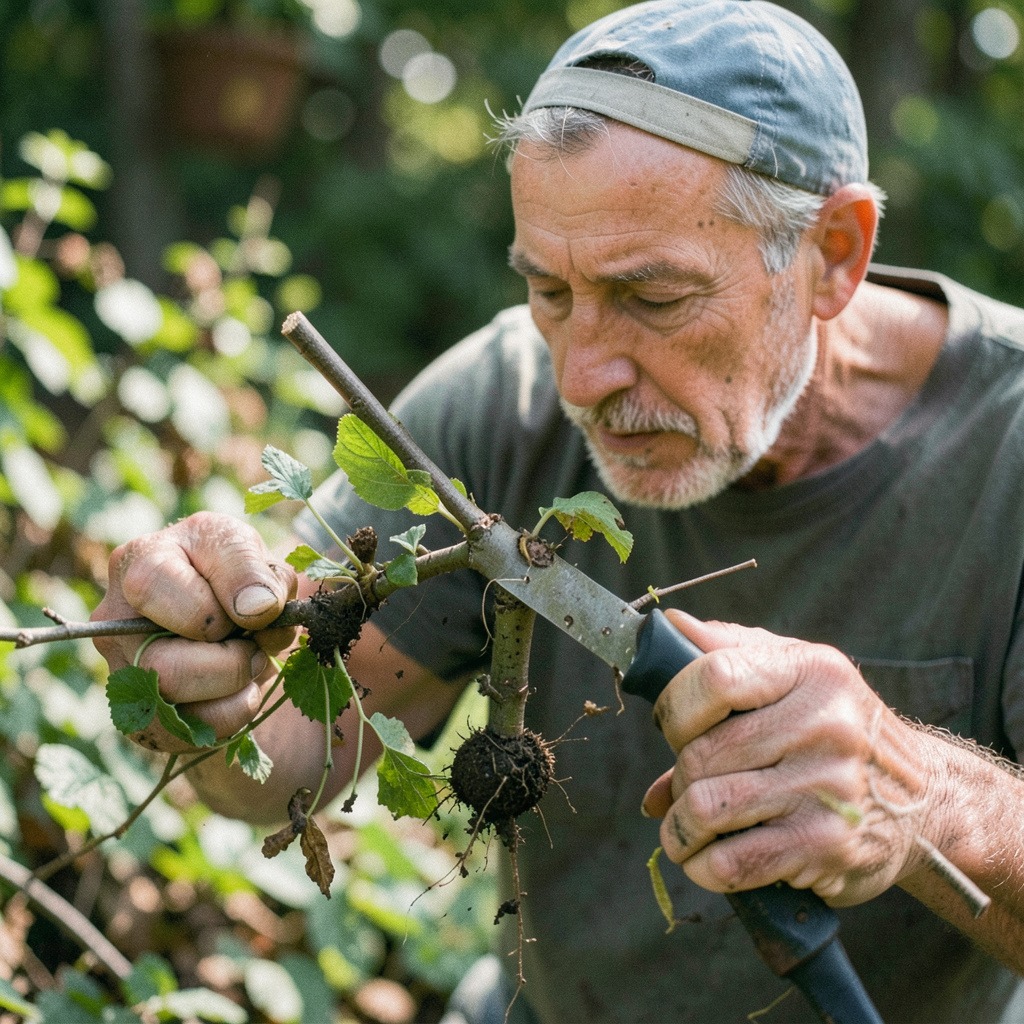
Deadheading and pruning are two essential techniques in hydrangea care. While both contribute to plant health, they serve different purposes and require distinct methods.
What is Pruning and When Should It Be Done?
Pruning involves removing larger sections of the plant to manage its size, shape, or health. This can include cutting away dead or diseased wood. The best time to prune hydrangeas depends on their type:
- Spring-blooming hydrangeas: Prune right after flowering in late spring.
- Summer-blooming hydrangeas: Prune in late winter or early spring before new growth begins.
How Deadheading Differs from Pruning
Deadheading specifically targets spent blooms, encouraging the plant to focus energy on producing new flowers instead of seeds. Here are key distinctions:
| Feature | Deadheading | Pruning |
|---|---|---|
| Purpose | Promote new blooms and maintain appearance | Control size, shape, and health |
| Timing | Throughout the blooming season | Specific times based on flowering type |
| Technique | Remove faded flowers just above the leaves | Cut back stems heavily as needed |
| Impact on Growth | Encourages more blooms and healthy appearance | Can rejuvenate and reshape the plant |
When to Choose Deadheading Over Pruning
Choose deadheading when your hydrangeas show faded blooms. This simple act keeps the plant vibrant without altering its structure. In contrast, opt for pruning when you need to address growth issues or shape the plant.
Deadheading Checklist:
- Snip faded blooms just above the leaves.
- Perform regularly during the growing season.
- Avoid deadheading too late in fall to protect new buds from frost.
Understanding these differences allows gardeners to effectively care for hydrangeas, ensuring lush and vibrant blooms throughout the season.
Alternatives to Deadheading Hydrangeas
While deadheading hydrangeas is beneficial for promoting new blooms, some gardeners may choose to leave spent blooms intact. Understanding the potential effects of this approach can guide you in making the best decision for your hydrangeas.
Leaving Spent Blooms: Pros and Cons
Leaving spent blooms on hydrangeas has both advantages and disadvantages. Here’s a breakdown:
Pros:
- Natural Aesthetics: Some gardeners appreciate the rustic look of dried blooms. This can add texture and interest to the garden during the fall and winter months.
- Wildlife Attraction: Spent blooms can provide food and shelter for various insects and birds, enhancing biodiversity in your garden.
- Energy Conservation: Allowing blooms to remain may enable the plant to conserve energy, as it does not undergo the stress of frequent pruning.
Cons:
- Energy Drain: Spent blooms can sap energy from the plant. This energy could otherwise support new growth and blooms.
- Disease Risk: Dried flowers may harbor pests or diseases that could affect the overall health of the hydrangea.
- Aesthetic Decline: As blooms fade, hydrangeas may appear less vibrant and healthy, potentially detracting from your garden’s visual appeal.
Other Seasonal Care Practices
In addition to deadheading, consider these seasonal care practices for hydrangeas:
- Mulching: Apply a layer of mulch around the base to retain moisture and suppress weeds.
- Watering: Ensure consistent watering, especially during dry spells, to support healthy growth.
- Fertilizing: Use a balanced fertilizer in early spring to boost nutrient availability, which can enhance blooming.
When to Consider Alternatives
Evaluate your specific hydrangea type and local climate when deciding whether to deadhead. For example, mophead hydrangeas benefit significantly from deadheading, while some types, like oakleaf hydrangeas, may thrive with spent blooms left on the plant.
Decision Rule:
- If aesthetics and new blooms are a priority, deadhead regularly.
- If promoting wildlife or enjoying a natural look is more important, consider leaving spent blooms.
By weighing these factors, you can tailor your hydrangea care strategy to suit your garden’s needs.
Frequently Asked Questions
These quick answers cover the most common questions about this topic, including key details, practical tips, and common concerns.
Should I cut the dead flowers off my hydrangea?
Yes, cutting off dead flowers, or deadheading, is beneficial for hydrangeas. This practice encourages the plant to focus its energy on producing new blooms instead of seeds. By removing spent flowers, you stimulate the growth of additional buds, leading to a more vibrant display.
What month do you deadhead hydrangeas?
The ideal time to deadhead hydrangeas is typically from late spring to early summer. This timeframe allows the plant to redirect energy from old blooms to new growth. However, the exact timing can vary based on your climate zone and the specific type of hydrangea you have.
Will hydrangeas bloom again if deadheaded?
Yes, hydrangeas often bloom again after being deadheaded. When you remove spent flowers, the plant is encouraged to produce new buds. This can lead to a second bloom cycle for certain varieties, especially bigleaf hydrangeas, which thrive on this practice.
What is the biggest mistake people make when pruning hydrangeas?
One of the biggest mistakes is cutting back too much of the plant or doing so at the wrong time. Pruning hydrangeas incorrectly can remove new growth or buds that would produce flowers. It’s crucial to know the specific needs of your hydrangea type and to prune at the right time for optimal results.
Can you deadhead hydrangeas in the spring?
Yes, you can deadhead hydrangeas in the spring, but it’s best to do so after the first bloom cycle. This timing allows the plant to focus on producing new flowers instead of seeds. However, avoid deadheading late in the season to protect any developing buds from frost.
Do you need to deadhead hydrangeas?
While deadheading is not strictly necessary, it is highly recommended for healthier blooms and plant appearance. Regular deadheading helps prevent energy loss and encourages the growth of new flowers, enhancing the overall vitality of your hydrangeas.
What should readers know about visual examples of deadheading techniques?
Visual examples can greatly enhance understanding of deadheading techniques. Look for images or videos that demonstrate where to cut and how to identify spent blooms. Seeing the process in action can help ensure you’re using the correct methods and tools for effective deadheading.