
Drawing a plant step-by-step can be an enjoyable and rewarding experience, especially for beginners. By breaking down the process into simple steps, anyone can create beautiful plant illustrations without feeling overwhelmed. Read Interesting article: Where to Buy Lemongrass Plants (Best Online & Local)
Understanding the Basics of Plant Drawing
Importance of Drawing Plants for Beginners
When I first decided to pick up drawing as a hobby, I found that plants were one of the most approachable subjects. Drawing plants offers a fantastic way to develop observational skills and understand shapes, textures, and colors. It’s a great starting point for beginners because plants are everywhere! Plus, they come in so many varieties that there’s always something new to explore.
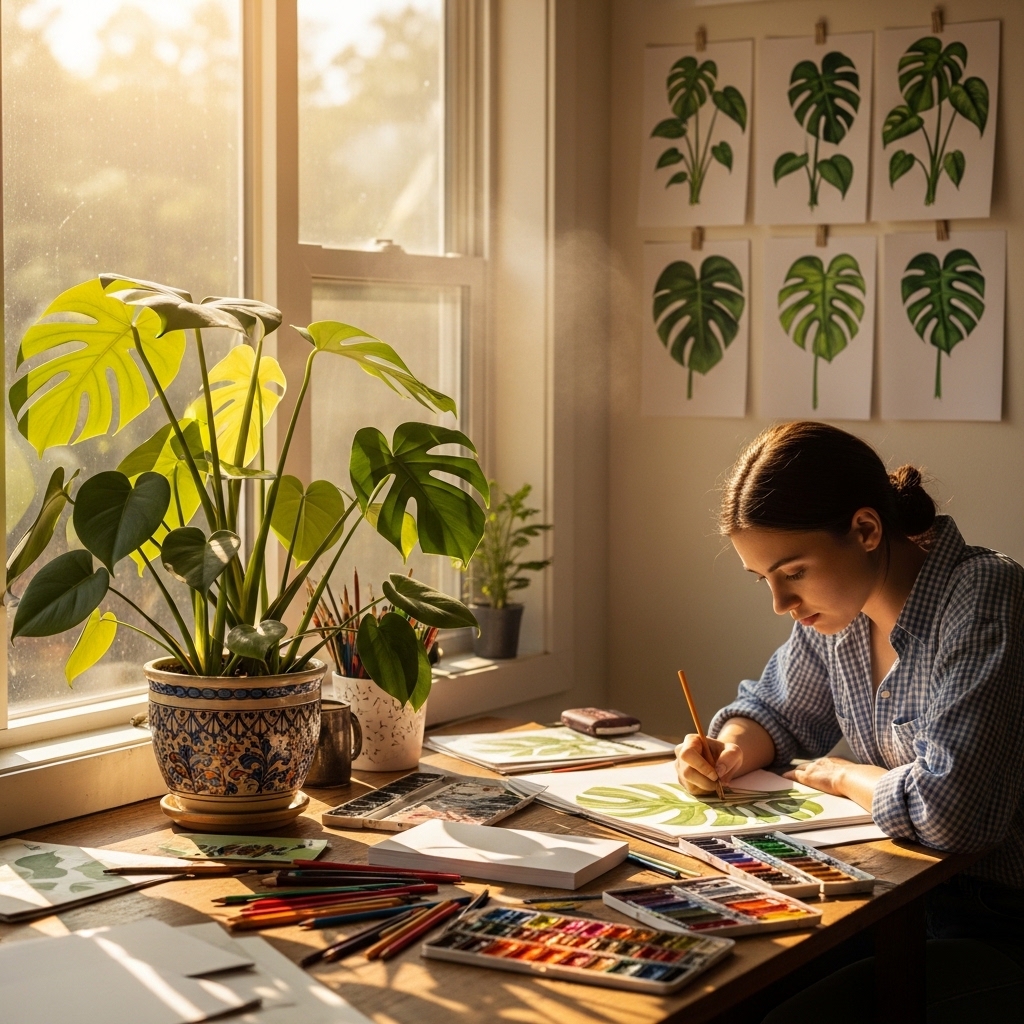
For me, drawing plants also provides a sense of calm. I remember sitting in my garden, sketching the leaves of my favorite ferns, and feeling completely absorbed in the moment. Each stroke of my pencil was a way to connect with nature and appreciate its beauty. It’s not just about creating art; it’s about mindfulness and enjoying the process of creation.
Essential Tools for Plant Drawing
Before diving into drawing, it’s essential to gather the right tools. Here’s what I recommend to get started:
- Pencils: A range of pencils from hard (H) to soft (B) will help you achieve different line qualities. I usually have an H pencil for fine lines and a B pencil for shading.
- Eraser: A good quality kneaded eraser is perfect for lightening marks without damaging the paper.
- Paper: A sketchbook or drawing paper with a smooth texture works best for beginners. I prefer a medium weight paper that can handle some erasing.
- Colored Pencils or Watercolors: Adding color can really bring your plant drawings to life. I love using colored pencils for detailed work, while watercolors offer a lovely soft finish.
- Reference Images: If you’re drawing from life, great! But if not, using reference images can help you understand the plant’s structure better. Read Interesting article: Why Are Plants Green in Colour? Explained Simply
Types of Plants to Draw
When starting out, I found it helpful to choose simple plant forms. Here are a few types of plants that are great for beginners:
- Succulents: Their geometric shapes and layers make them fun and not too complicated to draw.
- Simple Leaves: Focus on drawing single leaves from different plants, such as ferns or broadleaf plants, to practice shapes and textures.
- Flowers: Start with simple flowers like daisies or tulips. They can help you learn about petal shapes and arrangements.
- Herbs: Plants like basil or mint have distinct features that make them interesting subjects for drawing.
By starting with these types of plants, you can build your confidence and skills before moving on to more complex subjects. I remember my first few drawings of succulents; they were rough but so satisfying to complete. The key is to enjoy the process and learn from each attempt.
Step-by-Step Guide to Drawing a Simple Plant
Choosing Your Plant Subject
Choosing the right plant subject is the first step in creating a successful drawing. I like to pick plants that inspire me or ones that I have a connection with. For instance, if you have a favorite houseplant or a flower from your garden, that can be a great starting point. Think about what catches your eye and what you’d love to recreate on paper.
Once I’ve chosen a subject, I usually take a moment to observe it closely. I note the shapes, colors, and any unique features. Spending time with the plant allows me to appreciate its beauty and understand its structure, which will come in handy when I start to draw.
Gathering References and Inspiration
If drawing from life isn’t possible, gathering references is essential. I often search for pictures online or in botanical books. Look for images that show the plant from different angles and in various stages of growth. This can help you get a more comprehensive understanding of how the plant appears.
Inspiration can also come from other artists. I love scrolling through social media platforms like Instagram or Pinterest, where I can find beautiful plant illustrations. This not only sparks my creativity but also gives me ideas on how to approach my own drawing.
Sketching the Basic Shapes
With my reference images in front of me, I start with sketching basic shapes. I focus on the overall outline of the plant, breaking it down into simple geometric shapes. For instance, I might start with an oval for the body of a succulent or a few lines for the stem of a flower.
At this stage, I keep my lines light and gentle, not worrying too much about perfection. I’ve learned that the rough sketch is just a foundation for what will become a more detailed drawing. This part reminds me of building a house; without a solid foundation, the rest will crumble.
Adding Details to Leaves and Stems
Once I’m happy with the basic shapes, I start adding details. This is where the drawing begins to come to life! I focus on the unique characteristics of the leaves and stems. For leaves, I pay attention to their edges, veins, and any texture they might have. My favorite technique is to lightly sketch the veins, giving them a more realistic appearance.
For stems, I usually give them a little thickness and texture. It’s all about observation: the more I look closely, the better I can depict what I see. I often remind myself to take my time here; this step can truly elevate the drawing.
Incorporating Texture and Patterns
Texture can make a significant difference in a plant drawing. I love using different pencil pressures to create variations in shading. For instance, when drawing a succulent, I might press harder on the shaded areas to give it depth while keeping other areas lighter to represent highlights.
Adding patterns can also be fun! Some plants have spots, stripes, or unique markings. I enjoy experimenting with cross-hatching or stippling techniques to represent these features. This creativity keeps the drawing process exciting and personal.
In my experience, incorporating textures and patterns not only enhances the drawing but also makes it more engaging for the viewer. It’s all about translating what I see onto paper in a way that feels authentic to me.
Different Techniques for Plant Drawing
Pencil Sketching Techniques
Pencil sketching is where my journey with plant drawing truly began. I found that mastering different pencil techniques can significantly enhance the depth and detail of my drawings. One technique I often use is the “hatching” method, where I draw parallel lines close together to create shading. The closer the lines are, the darker the area appears. This technique is particularly useful for conveying the curvature of leaves or the rounded shapes of succulents.
Another method I enjoy is “blending,” which involves smoothing out pencil strokes to create soft transitions between light and dark areas. I typically use my fingers or a blending stump for this. It works wonders when I want to depict the smooth, shiny surface of a leaf. I remember the first time I blended a drawing; the results were so lifelike that I couldn’t help but smile at my achievement.
Using Ink for Bold Lines
Once I grew comfortable with pencil sketching, I decided to experiment with ink. Using ink pens can give my drawings a bold and striking appearance. I often start with light pencil sketches as a guide, then go over them with a fine-tip ink pen. The transition from pencil to ink can be daunting, but I found it thrilling to see my sketches come to life.
One of my favorite techniques is using varying line weights. I learned that thicker lines can emphasize the outline of the plant, while thinner lines can offer delicate details. This contrast adds depth and interest to the drawing. I also enjoy adding cross-hatching in ink to create shadows, which gives a dramatic effect that pencil alone can’t achieve. Each time I finish an ink drawing, I feel a rush of satisfaction, knowing I’ve captured the essence of the plant in a new way.
Watercolor Techniques for Plants
If you’re looking to add a splash of color, I highly recommend exploring watercolors. When I first tried painting plants with watercolors, I was amazed at how the colors blended together effortlessly. The transparency of watercolors gives a soft and delicate look, making them perfect for flowers and leaves.
One technique I love is the “wet-on-wet” method, where I apply wet paint onto wet paper. This allows the colors to bleed into each other, creating beautiful gradients. For instance, when painting a flower, I often start with a light wash of color and then gradually build up the intensity. I remember my first flower painting using this technique; it felt like magic as the colors danced across the page.
Another useful technique is “dry brushing,” where I use a dry brush to apply pigment on dry paper. This method can create texture and highlights, especially on leaves. I often experiment with layering colors to capture the vibrancy of different plants. Watercolor has become one of my favorite mediums for plant illustrations because of the way it allows me to express my creativity.
Digital Tools for Drawing Plants
In today’s tech-savvy world, I’ve also embraced digital drawing tools. Using a tablet and stylus has opened up a whole new dimension for my plant illustrations. Digital drawing software like Procreate or Adobe Fresco offers endless possibilities, allowing me to experiment with colors, textures, and effects without the mess of traditional materials.
One of the things I love most about digital drawing is the ability to easily undo mistakes. I can try out different techniques and layers without the fear of ruining my work. I often start with a basic outline and then build layers of color and texture. This approach gives me the freedom to explore my style and make adjustments on the fly. I’ve found that digital art allows me to combine various techniques, such as watercolor effects and vibrant ink outlines, creating a unique blend that reflects my artistic voice.
Whether I’m using traditional or digital methods, each technique has its charm and can elevate my plant drawings in different ways. I encourage you to experiment and find what resonates with you. The beauty of art lies in the journey of discovery and the joy of expressing ourselves through our work. Read Interesting article: Is 2hollis an Industry Plant? Explained
Common Mistakes to Avoid When Drawing Plants
Overcomplicating Shapes
One of the biggest mistakes I made early on was overcomplicating the shapes of the plants I wanted to draw. I remember trying to capture every tiny detail right from the start, which often left me frustrated. Instead of focusing on the overall form, I got lost in the minutiae. It’s so easy to get caught up in the details, especially with intricate plants like orchids or exotic ferns. However, I learned that starting with the basic shapes is crucial. Once the foundation is laid out, I can add details gradually.
To avoid this mistake, I recommend breaking the plant down into simple shapes first. For instance, consider a sunflower: start with a large circle for the flower head and simple lines for the stem. By simplifying the initial drawing, I found it much easier to tackle the more complicated elements later on. This approach not only reduces stress but also gives me a clearer path to follow as I progress.
Neglecting Proportions and Scale
Proportions have been a tricky aspect of drawing for me. I often found that my plants looked a bit “off” because I neglected to pay close attention to scale. For example, I once drew a small pot with an enormous plant sprouting from it, and the result was laughably disproportionate! I realized that taking a moment to measure and compare sizes can vastly improve the accuracy of my drawings.
A helpful technique I discovered is using my pencil as a measuring tool. By holding it at arm’s length and comparing different elements of the plant, I can gauge the proportions more effectively. This simple practice has helped me maintain a sense of balance in my drawings. I believe that observing and sketching with mindfulness about scale can elevate our work and make it feel more cohesive.
Ignoring Light and Shadow
Light and shadow are what give drawings depth and realism, yet I often overlooked them in my early works. I remember my first few drawings looking quite flat because I didn’t consider how light interacts with the plant. It wasn’t until a friend pointed it out that I realized the importance of shading. Now, I can’t imagine a drawing without thinking about how light falls on the subject.
To improve, I started studying how light affects my plant subjects in real life. I’ve noticed that certain plants, like succulents, have unique highlights and shadows that can make them pop off the page. Utilizing techniques like hatching or blending to create soft gradients has transformed my drawings. I find that taking the time to observe light sources and their impact on my subject adds a whole new layer of dimension to my art.
Enhancing Your Plant Drawings
Adding Color: A Beginner’s Guide
Adding color to my plant drawings has been one of the most exciting aspects of this journey. I remember my first attempts with colored pencils; they felt like a revelation! Choosing the right colors can really bring a drawing to life. I often start with a light wash of color and build up the intensity gradually, allowing me to create a sense of depth and vibrancy.
One tip I found helpful is to create a color palette before diving in. I take a few minutes to choose the shades I want to use and test them on a separate piece of paper. This allows me to explore how they blend together and helps me avoid any surprises on my main drawing. I often find that mixing colors can lead to beautiful, unexpected results, adding richness to my illustrations.
Using Backgrounds to Enhance Your Artwork
Initially, I used to leave my plant drawings on plain white backgrounds, but I soon realized that adding a background can enhance the overall composition. A simple wash of color or a subtle pattern can create a context for the plant, making it feel more integrated into the artwork. I enjoy experimenting with different backgrounds, whether it’s a soft gradient or a more detailed scene depicting the plant’s natural habitat.
When I first added a watercolor wash behind a flower, I was amazed at how much it transformed the piece. It not only made the flower stand out but also created a sense of atmosphere. I’ve found that backgrounds can tell a story and invite viewers into my artwork, adding layers of meaning and connection.
Framing and Displaying Your Plant Drawings
Once I finish a drawing, the next delightful step is displaying it. I love selecting frames that complement my artwork. A good frame can enhance the beauty of a drawing, turning it into a focal point in my space. I often choose frames with simple designs that let the art shine without overwhelming it.
Additionally, I’ve learned the importance of matting in framing. It can add a touch of elegance and give the piece room to breathe. The act of displaying my drawings felt like a final celebration of my hard work and creativity. I’ve hung some of my favorites in my living room, and they never fail to bring a smile to my face each time I see them.
Every step of enhancing my plant drawings has been a journey of discovery and personal expression. I encourage you to explore these techniques and find what resonates with you. There’s something incredibly fulfilling about seeing our work come to life and sharing it with others.
Frequently Asked Questions
What is the importance of drawing plants for beginners?
Drawing plants helps beginners develop observational skills and understand shapes, textures, and colors. It provides a sense of calm and mindfulness, allowing individuals to connect with nature while creating art.
What essential tools are needed to start drawing plants?
Essential tools include a range of pencils (hard H to soft B), a good quality kneaded eraser, smooth texture paper, colored pencils or watercolors, and reference images for understanding plant structure.
Which types of plants are recommended for beginners to draw?
Beginners are encouraged to start with simple plant forms such as succulents, single leaves from plants, simple flowers like daisies or tulips, and herbs like basil or mint to build confidence and skills.
What is the first step in drawing a plant?
The first step is choosing a plant subject that inspires you or has a personal connection. Observing the plant closely to note its shapes, colors, and unique features is essential before starting the drawing.
How can I incorporate texture and patterns into my plant drawings?
Texture can be added using different pencil pressures for shading, while patterns can be depicted through techniques like cross-hatching or stippling. This enhances the drawing and makes it engaging for the viewer.
What common mistakes should I avoid when drawing plants?
Common mistakes include overcomplicating shapes, neglecting proportions and scale, and ignoring light and shadow. Starting with basic shapes, measuring proportions, and considering light sources can improve accuracy and depth.
What techniques can enhance the drawing of plants?
Techniques include mastering pencil sketching, using ink for bold lines, exploring watercolor methods for color, and embracing digital tools for flexibility and creativity in plant illustrations.
How should I approach adding color to my plant drawings?
Begin with a light wash of color and gradually build up intensity. Creating a color palette beforehand and experimenting with mixing colors can lead to richer and more vibrant illustrations.
Why is it useful to add backgrounds to plant drawings?
Adding backgrounds enhances overall composition, creating context and atmosphere for the plant. Simple washes of color or subtle patterns can make the artwork feel more integrated and inviting.
How can I effectively display my finished plant drawings?
Selecting frames that complement the artwork and using matting can enhance the presentation of drawings. Displaying finished pieces is a rewarding way to celebrate creativity and share art with others.