
To get rid of gnats in your plants quickly, use a combination of sticky traps, insecticidal soap, and neem oil for immediate results. These methods are effective and have worked well for me in my own gardening experience. For more detailed strategies, check out How to Get Rid of Gnats in a Plant Fast.
Table of Contents
Understanding Gnats and Their Impact on Plants
Gnats can be a real nuisance for houseplant lovers like myself. I remember the first time I noticed these tiny pests buzzing around my beloved plants; it was frustrating! Understanding what gnats are, the different types, and their effects on our plants can help us tackle the problem more effectively.
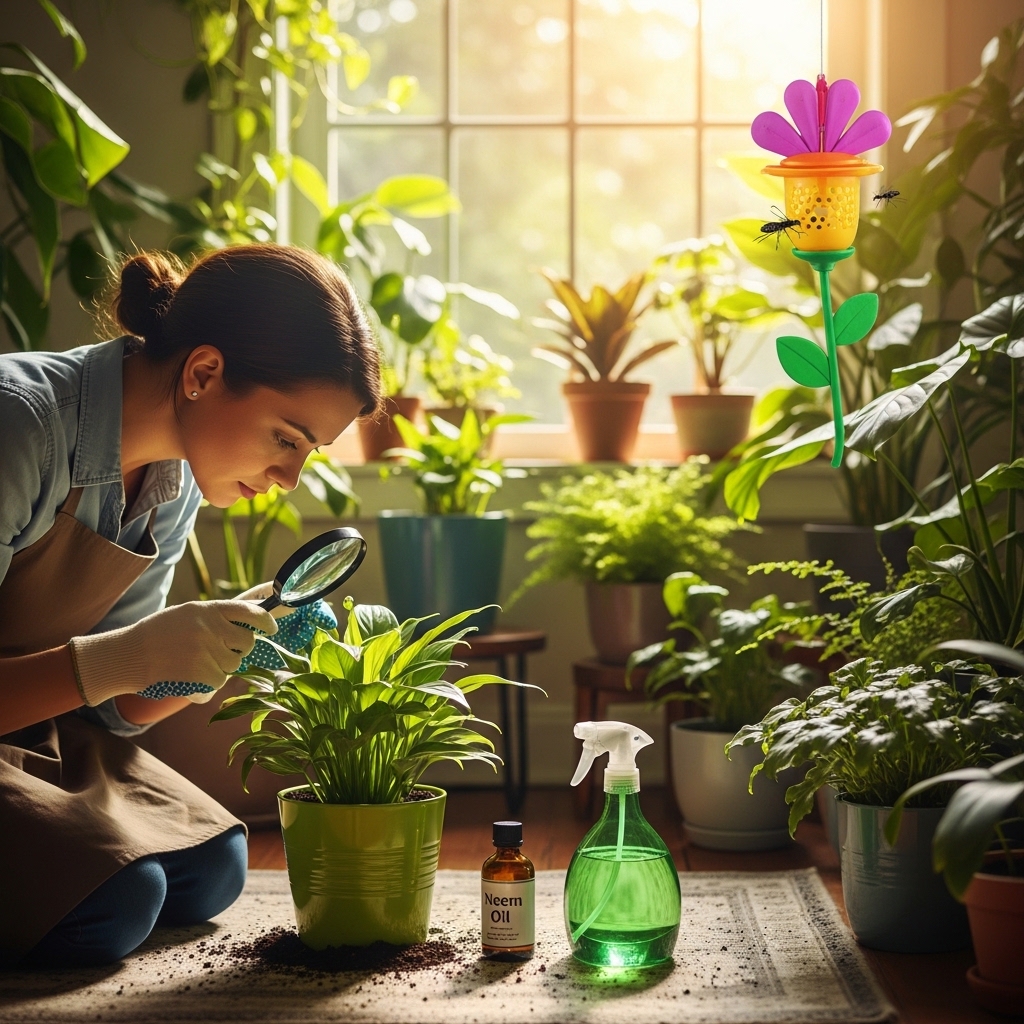
Types of Gnats: Fungal Gnats vs. Fruit Gnats
There are primarily two types of gnats that you might encounter in your plants: fungal gnats and fruit gnats. Fungal gnats are the most common culprits when it comes to houseplants. They thrive in moist soil, feeding on decomposing organic matter and fungi. I’ve often found them hovering around the surface of my potted plants, especially those that tend to stay wet.
On the other hand, fruit gnats, also known as vinegar flies, are attracted to overripe or decaying fruits. While they’re typically more of a kitchen pest, they can occasionally find their way into your plant pots if there are any decomposing materials nearby. I’ve made it a habit to keep my kitchen clean, especially when I’m dealing with houseplants, to avoid inviting these little guys in.
Signs of a Gnat Infestation in Houseplants
One of the first signs I noticed when my plants were infested was the presence of tiny flying insects near the soil. These gnats are small, usually around 1/8 inch long, and can often be mistaken for fruit flies. If you see them, you likely have a problem.
Another indication is the appearance of yellowing leaves or wilting plants. I learned this the hard way when my beloved peace lily started drooping. Upon closer inspection, I discovered that the roots were damaged due to gnat larvae feeding on them. The larvae are tiny, worm-like creatures that live in the soil and can cause significant harm to our plants if left unchecked.
Why Gnats are Harmful to Your Plants
Gnats may seem like a minor nuisance, but they can cause serious harm to your plants. Fungal gnat larvae feed on the delicate roots, which can lead to stunted growth or even plant death. I remember losing a few plants because I didn’t realize how much damage they were doing until it was too late. The roots are crucial for water and nutrient uptake, so when they’re compromised, the entire plant suffers.
Furthermore, the adult gnats can also stress the plants by being a constant presence. They can spread diseases and attract other pests, turning a small gnat problem into a larger pest control issue. I realized that ignoring the problem only made it worse, so I started taking immediate action whenever I spotted them. Understanding their impact made me more vigilant in my plant care routine.
Fast Methods to Eliminate Gnats
Now that we have a clear understanding of the gnats and their impact, let’s dive into some effective methods to eliminate them. From my experience, a combination of immediate solutions and natural remedies works wonders. For quick fixes, you can refer to How to Get Rid of Gnats in My Plants (Fast Fixes).
Immediate Solutions for Gnat Control
When it comes to getting rid of gnats quickly, I’ve found that using products that are designed to combat them is essential. Here are some methods that have worked for me:
Using Sticky Traps
Sticky traps are a simple yet effective way to catch adult gnats. I’ve placed yellow sticky traps near my plants, and they work like a charm. The bright color attracts gnats, and once they land, they can’t escape. I recommend checking the traps regularly and replacing them as needed. You can find these traps at most garden centers or online.
Applying Insecticidal Soap
Insecticidal soap is another method I’ve used to control gnats quickly. It works by suffocating the insects on contact. Just mix it according to the label instructions and spray it on the soil and affected plants. I usually do this in the evening when the sun isn’t too harsh, as it can be damaging to the plants. Make sure to cover the entire plant and soil surface for the best results.
Utilizing Neem Oil
Neem oil is a fantastic natural pesticide and has worked wonders for me in dealing with gnats. It disrupts the life cycle of the insects, making it harder for them to breed. I mix a few drops of neem oil with water and a few drops of dish soap, then spray it on the affected plants and soil. The smell is strong, but the results are worth it. Just like with insecticidal soap, I recommend applying it in the evening to prevent leaf burn.
Natural Remedies for Quick Gnat Removal
If you’d rather avoid chemicals, there are several natural remedies that I’ve successfully used to eliminate gnats. They’re often easy to make and can be quite effective:
Homemade Vinegar Traps
Homemade vinegar traps are a classic method. I simply fill a small bowl with apple cider vinegar and add a drop of dish soap. The vinegar attracts the gnats, and the soap breaks the surface tension, causing them to drown. I usually place a few of these traps around my plants. It’s a simple and inexpensive solution that has worked wonders in my home.
Essential Oils as Gnat Deterrents
Essential oils can also be a great deterrent for gnats. Oils like peppermint or lavender help to repel them. I often mix a few drops of essential oil with water in a spray bottle and lightly mist my plants, especially the soil. Not only does it help keep gnats away, but it also makes my home smell wonderful! Just be cautious with the amount you use, as some oils can be potent.
Using Baking Soda and Water
A mixture of baking soda and water can also help control gnats. I’ve found that sprinkling baking soda on the soil and then watering it can create an environment that isn’t conducive to gnat larvae. The baking soda disrupts their breeding cycle, which is exactly what we want. Just be careful not to overdo it, as too much can affect the soil’s pH.
Long-Term Strategies to Prevent Gnat Infestations
While I’ve had my fair share of battles with gnats, I’ve learned that the best way to deal with them is not just to react when they show up, but to put strategies in place to prevent them from becoming a problem in the first place. Here are some long-term strategies I’ve found effective in keeping my plants safe and sound. Additionally, for proven methods, check out How to Get Rid of Gnats in Plants Fast (Proven Methods).
Proper Watering Techniques
One of the biggest factors contributing to gnat infestations is overwatering. I used to have a habit of watering my plants every day, thinking they would thrive with plenty of moisture. However, I soon discovered that keeping the soil too wet creates an inviting environment for gnats. Now, I make a point to check the top inch of soil before watering. If it feels dry, I’ll give my plants a drink; if it still feels damp, I hold off. This simple adjustment has made a huge difference in my gnat control efforts.
Additionally, I’ve opted for using pots with drainage holes. Allowing excess water to escape helps prevent waterlogged soil, which is a breeding ground for gnats. I’ve also started using self-watering pots for some of my plants. They provide consistent moisture without oversaturating the soil, which keeps gnats at bay.
Choosing the Right Soil
The type of soil I use has also played a significant role in preventing gnats. I’ve learned that certain potting mixes retain more moisture than others, so I’m careful to choose a well-draining soil blend. Look for ones that contain perlite or sand, as these components help improve drainage and aeration. I often make my own mix by combining potting soil with perlite and some organic compost. This not only supports healthy root growth but also minimizes the chances of gnats moving in.
Maintaining Cleanliness in Plant Areas
One of the most effective strategies I’ve adopted is maintaining cleanliness around my plant area. I’ve noticed that gnats can be attracted to decaying plant matter. To combat this, I make it a habit to regularly remove any dead leaves or debris that may fall into the pots or around my plants. I also clean the surfaces where my plants sit. A quick wipe-down with a damp cloth helps eliminate any potential gnat attractants.
Additionally, I try to keep the area around my plants organized. Having clutter can make it difficult to spot gnat activity early on. By keeping things tidy, I can monitor my plants more easily and act quickly if I notice any signs of trouble.
Using Repellents and Barriers
In my quest to keep gnats away, I’ve also experimented with using natural repellents. Besides the essential oils I mentioned earlier, I’ve found that placing a layer of sand or diatomaceous earth on the surface of the soil can act as a barrier. This not only prevents gnats from laying eggs in the soil but also desiccates any larvae that may make their way to the surface. I usually sprinkle a thin layer of diatomaceous earth on my potted plants every few weeks for added protection.
For those particularly sensitive to pest issues, I’ve noticed some success with introducing beneficial insects like nematodes into the soil. These microscopic creatures feed on gnat larvae and can help keep their population in check. I remember feeling a bit apprehensive about adding something new to my plants, but seeing the decline in gnat numbers made it worthwhile.
By implementing these long-term strategies, I feel much more confident in my ability to keep gnats away from my plants. It’s all about creating an environment that’s not conducive to their life cycle and being proactive in plant care. I think with a little diligence and attention, we can all enjoy our plants without the nuisance of gnats!
When to Seek Professional Help
As much as I enjoy the process of tending to my plants and tackling gnat issues myself, there comes a time when the situation can escalate beyond what home remedies and preventive measures can handle. It’s important to recognize when it’s time to seek professional help, especially when the infestation worsens despite our best efforts.
Identifying Severe Infestations
In my experience, it’s crucial to identify the signs of a severe gnat infestation early on. If you notice that no matter what methods you try, the number of gnats continues to grow, it may be time to consider professional pest control. For instance, I once had a situation where the adult gnats were multiplying rapidly, and I could see the larvae wreaking havoc in the soil. Despite using traps and natural remedies, the population seemed to double every week. It was then that I realized I was dealing with a serious problem.
Another red flag is when your plants start showing significant signs of stress, like wilting or yellowing leaves, which I mentioned earlier. If the roots are compromised, it can lead to overall plant decline. I remember panicking when my favorite fern started losing leaves, and I couldn’t afford to lose it. If the damage is severe and you’re not seeing improvement, don’t hesitate to reach out for professional assistance.
Lastly, keep an eye out for any unusual behavior in your plants that could indicate a larger pest problem. Sometimes, gnats can be a symptom of other underlying issues, like root rot or an infestation of a different pest. If you’re finding it hard to pinpoint the cause, professionals can help diagnose the root of the problem, so to speak!
Choosing the Right Pest Control Services
Once I decided to seek help, I learned that choosing the right pest control service can make all the difference. I recommend looking for a company that specializes in indoor plant care, as they’ll have a better understanding of how to handle gnat infestations specifically. It’s important to ask about the methods they use. I prefer services that utilize eco-friendly products that won’t harm my plants or my home environment.
Another vital factor is their reputation. I always read reviews and ask for referrals to ensure the company I choose has a track record of success. It’s also worth checking if they offer a guarantee on their services, which can provide peace of mind knowing they’re committed to resolving the issue.
When I called the pest control service, they took the time to explain their approach and what I could expect. They inspected my plants and home thoroughly. I appreciated their willingness to educate me about the treatment and how to prevent future infestations. For me, the experience was not just about getting rid of the gnats, but also learning what I could do differently moving forward.
Finally, I suggest asking about follow-up services. Sometimes, gnats can be stubborn, and a one-time treatment may not be enough. A good pest control service will offer ongoing support or check-ins to ensure that the problem is fully resolved.
Frequently Asked Questions about Gnats in Plants
Are all gnats harmful to plants?
This is a question I found myself pondering. Not all gnats are harmful, but the ones we typically encounter around houseplants—like fungal gnats—can be quite detrimental. They feed on the roots and can cause significant stress to the plants. I’ve learned that being vigilant about identifying which type of gnat I’m dealing with can help me determine the best course of action.
How do I know if I have a gnat problem?
If you’re seeing tiny flying insects around your plants, that’s a telltale sign of a gnat problem. I also recommend keeping an eye out for yellowing leaves, wilting plants, or any signs of larvae in the soil. If you notice any of these symptoms, it’s best to act quickly before the situation worsens.
Can gnats affect indoor vs. outdoor plants differently?
From my observations, gnats can affect both indoor and outdoor plants, but the conditions may vary. Indoor plants may be more susceptible due to the controlled environment that can favor breeding, like damp soil. Outdoor plants can also be impacted, especially if they’re near decomposing organic matter. In both cases, understanding the context is key to effective gnat control.
What plants are most susceptible to gnat infestations?
I’ve found that certain plants are more prone to gnats, especially those that prefer moist environments. Common culprits include ferns, peace lilies, and many tropical plants. If you’re caring for any of these plants, it’s essential to be proactive in your gnat control efforts, as they can attract pests more easily than others.
Frequently Asked Questions
What methods can I use to quickly eliminate gnats in my plants?
You can use a combination of sticky traps, insecticidal soap, and neem oil for immediate results in getting rid of gnats.
What are the main types of gnats that affect houseplants?
The two primary types of gnats that affect houseplants are fungal gnats and fruit gnats. Fungal gnats thrive in moist soil and feed on decomposing organic matter, while fruit gnats are attracted to overripe or decaying fruits.
How can I identify a gnat infestation in my plants?
Signs of a gnat infestation include the presence of tiny flying insects near the soil, yellowing leaves, and wilting plants. Additionally, gnat larvae can damage plant roots, leading to further stress on the plant.
Why are gnats harmful to my plants?
Gnats can be harmful because their larvae feed on the delicate roots of plants, which can cause stunted growth or even plant death. Adult gnats can also stress plants and spread diseases.
What are some natural remedies to get rid of gnats?
Natural remedies include homemade vinegar traps, using essential oils as deterrents, and sprinkling a mixture of baking soda and water on the soil to create an environment unsuitable for gnat larvae.
What long-term strategies can help prevent gnat infestations?
Long-term strategies include proper watering techniques, choosing well-draining soil, maintaining cleanliness in plant areas, and using repellents or barriers like diatomaceous earth.
When should I seek professional help for a gnat infestation?
You should seek professional help if the gnat population continues to grow despite your efforts, if your plants show significant signs of stress, or if you suspect a larger pest problem beyond gnats.
What should I look for when choosing a pest control service?
When choosing a pest control service, look for one that specializes in indoor plant care, uses eco-friendly methods, has a good reputation, and offers follow-up services to ensure complete resolution of the issue.
Are all gnats harmful to plants?
Not all gnats are harmful, but the common types around houseplants, like fungal gnats, can be detrimental as they feed on the roots and stress the plants.
Which plants are most susceptible to gnat infestations?
Plants that thrive in moist environments, such as ferns, peace lilies, and many tropical plants, are more prone to gnat infestations.