
The fastest way to get rid of gnats in plants is to use a combination of homemade remedies like apple cider vinegar traps and commercial solutions such as insecticidal soaps. Having struggled with these pesky pests myself, I understand how frustrating it can be to manage them. For more information on dealing with various pests, check out 7 Common Houseplant Pests and How to Get Rid of Them for Good.
Understanding Gnats: The Basics
What Are Gnats?
Gnats are small, flying insects that belong to the family of Diptera. They are often mistaken for fruit flies, and they can invade our homes and gardens, especially when the conditions are right. The two most common types of gnats that I’ve encountered are fungus gnats and fruit flies. Fungus gnats love the moist soil of houseplants, making them a nuisance for indoor gardeners. On the other hand, fruit flies are typically attracted to overripe fruits and other organic materials. Understanding these pests is the first step toward effectively managing them.
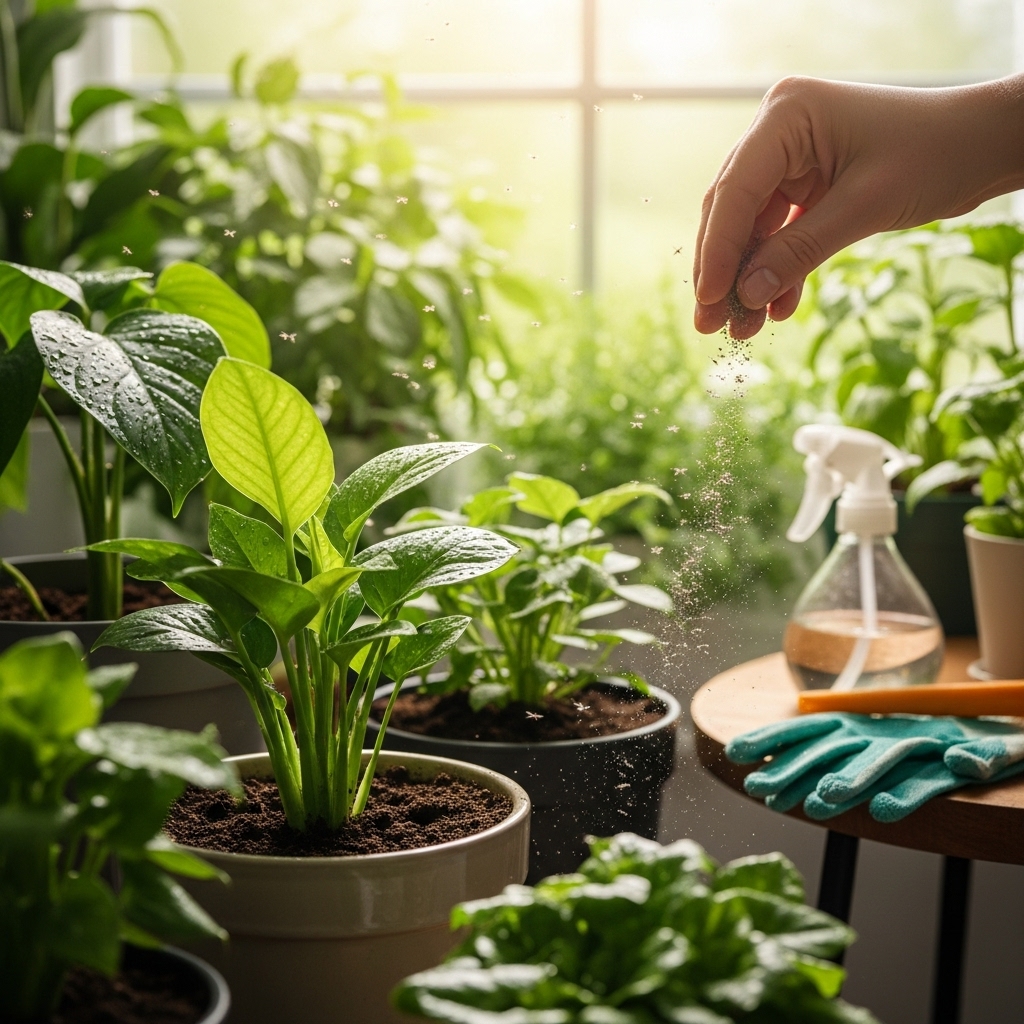
Types of Gnats That Affect Plants
From my experience, the most troublesome types of gnats that affect plants are fungus gnats. They are tiny, about 1/8 inch long, and usually have dark bodies with long legs. Another type is the shore fly, which is often confused with fungus gnats but has a broader body and is more commonly found in outdoor settings near water sources. Knowing which type of gnat you’re dealing with can help tailor your approach to eliminate them effectively. For more insights on pest management, see Common Snake Plant Pests: 5 Ways to Get Rid of Them (You Need to Know).
Life Cycle of Gnats
The life cycle of gnats is relatively short but can lead to rapid infestations. Typically, the cycle includes four stages: egg, larva, pupa, and adult. Fungus gnat eggs are laid in moist soil, and within a week, they hatch into larvae. I remember the panic when I first saw these tiny worms wriggling around in my plant’s soil. The larvae feed on organic matter and roots, which can weaken your plants. After a couple of weeks, they pupate and emerge as adults, ready to lay more eggs. This cycle can repeat quickly, which is why prompt action is necessary when you notice them.
Identifying Gnat Infestations in Plants
Signs of a Gnat Problem
The first sign of a gnat problem is often seeing them buzzing around your plants. However, they can be tricky because they’re small and tend to hover around the soil. One thing I’ve noticed is that if you see them flying around after watering your plants, that’s a sure sign of an infestation. Additionally, if you notice small, translucent larvae in the soil or on the surface, that’s a clear indication of gnat activity. Over time, I learned to check the top layer of my plant’s soil for these tiny pests, as they often hide there.
Common Plants Affected by Gnats
Some plants seem to attract gnats more than others. In my experience, houseplants like ferns, African violets, and pothos are particularly vulnerable. I’ve also found that overwatered plants are prime targets for gnats, as the moist soil provides an ideal breeding ground. If you’re a plant enthusiast like me, keeping an eye on your watering habits can help you avoid inviting these pests into your home.
SBAG_IMG_697538607b9c5
Proven Methods to Get Rid of Gnats in Plants Fast
Homemade Remedies
When it comes to tackling gnats, I’ve found that some of the best solutions are right in my kitchen. Homemade remedies are not only budget-friendly but also effective. Here are a couple of my go-to methods.
Apple Cider Vinegar Traps
One of the most effective traps I’ve used is the classic apple cider vinegar trap. It’s so simple that I almost felt silly when I first tried it. All you need is a small bowl or jar filled with apple cider vinegar and a drop of dish soap. The vinegar attracts the gnats, while the soap breaks the surface tension, causing them to drown. I’ve placed these traps near my affected plants, and it’s amazing how quickly they draw in those little pests. I usually leave them out for a couple of days, checking back to see how many gnats I’ve caught. It’s surprisingly satisfying!
Soap and Water Solutions
Another remedy that I swear by is a soap and water solution. I mix a few drops of liquid dish soap with water in a spray bottle. This mixture doesn’t just help to kill the gnats that land on my plants; it also targets their larvae in the soil. I spray the top layer of the soil and the plants themselves, ensuring I cover all the nooks and crannies where they might be hiding. It’s gentle enough not to harm the plants but tough on those pesky gnats!
Commercial Solutions
If homemade remedies aren’t enough to curb the infestation, I’ve turned to commercial solutions. These products can be very effective, especially when dealing with larger infestations.
Insecticidal Soaps
I’ve had luck with insecticidal soaps, which are designed to kill soft-bodied insects like gnats. When using these, I follow the instructions carefully to ensure the safety of my plants. Typically, I spray the affected plants and the soil, repeating every few days until the gnats are under control. It’s important to check whether the soap is safe for the type of plants I have, as some can be sensitive to certain chemicals.
Neem Oil
Neem oil is another commercial option I’ve turned to. It’s derived from the seeds of the neem tree and is a natural pesticide. I mix it with water according to the package instructions and spray it on my plants. What I love about neem oil is that it not only helps with gnats but also targets other pests and even diseases. It’s like a two-for-one deal! Plus, it’s safe for the environment, which makes me feel good about using it.
Physical Removal Techniques
Sometimes, the best approach is to go old school and remove the problem physically. I’ve discovered a couple of techniques that can help get rid of gnats effectively.
Soil Replacement
Replacing the soil in my potted plants has been a lifesaver. I carefully take my plant out of its pot, shake off as much old soil as I can, and replace it with fresh, dry potting mix. This helps to eliminate any gnat larvae that might be lurking in the soil. I remember the first time I did this; it felt like a big commitment, but seeing my plants flourish afterward was worth it. Just be sure to check the roots for any damage before replanting!
Sticky Traps
Sticky traps are another great physical method I’ve found useful. These yellow sticky cards attract gnats, as they are drawn to the color. I place a few of these traps around my plants and watch as they catch gnats that venture too close. They’re easy to use and can help monitor gnat activity. Plus, I often get a little thrill seeing how many I’ve caught on a single trap! It’s like a mini victory every time.
In my journey to rid my plants of gnats, I’ve learned that a combination of these methods often works best. By being proactive and consistent with my efforts, I’ve managed to keep these pests at bay. The struggle against gnats is real, but with the right tools and techniques, we can reclaim our green spaces!
Preventing Gnat Infestations in the Future
Best Practices for Watering Plants
From my experience, one of the biggest factors that attract gnats is overwatering. I used to think that giving my plants a good soak was the way to go, but I quickly learned that this can create a perfect environment for gnats. Now, I pay extra attention to how much water I’m giving each plant. I’ve found that letting the top inch of soil dry out between waterings not only helps prevent gnats but also keeps my plants healthier overall. I often use my finger to check the moisture level before watering again. This simple habit has made a world of difference!
Soil Management Tips
Soil quality is another critical aspect of keeping gnats at bay. I’ve discovered that using well-draining soil helps reduce moisture retention, making it less hospitable for gnats. I also like to mix in perlite or sand to improve drainage, as this helps keep the soil from becoming too compact and soggy. Additionally, I make it a point to avoid using soil that has been contaminated or reused without treatment. It’s a bit of a hassle, but ensuring that my plants are in fresh, high-quality soil definitely pays off in the long run.
Choosing the Right Potting Mix
Over the years, I’ve learned that not all potting mixes are created equal. I used to just grab whatever was on sale, but I’ve found that investing in a good-quality potting mix can help prevent gnat issues. I prefer mixes that contain ingredients like coconut coir or peat moss, which provide excellent aeration and drainage. I also look for mixes that include beneficial microbes or additives designed to fight pests naturally. This way, I’m not just setting my plants up for success; I’m also creating a less inviting environment for those pesky gnats.
When to Seek Professional Help
Signs You Can’t Handle It Alone
Despite my best efforts, there have been times when I realized that I couldn’t tackle a gnat infestation on my own. If you find that your homemade remedies and commercial solutions aren’t working after a few weeks, it might be time to consider professional help. I remember feeling overwhelmed when I saw my plants wilting and the gnat population seemingly multiplying no matter what I did. If you notice signs like unhealthy plants, a persistent gnat presence, or even other pest issues creeping in, it’s wise to bring in the experts.
Choosing a Pest Control Service
When looking for a pest control service, I recommend doing some research to find one that specializes in indoor plants and organic treatments. It’s important to me that the products they use are safe for my plants and the environment. I usually check online reviews and ask for recommendations from fellow plant lovers. A good pest control professional will assess the situation, provide a plan of action, and follow up to ensure the problem is resolved. I’ve found that having an expert’s help can sometimes save my plants and my sanity!
Frequently Asked Questions (FAQs)
How Long Does It Take to Get Rid of Gnats?
From my experience, getting rid of gnats can take anywhere from a few days to a few weeks, depending on the severity of the infestation. I remember starting to see results in about a week after implementing my apple cider vinegar traps and soap solutions. However, if the infestation is larger, you might need to continue your efforts for a couple of weeks to ensure all life stages of the gnats are addressed. Patience is key!
Can Gnats Harm My Plants?
Yes, gnats can indeed harm your plants, especially the larvae. I learned the hard way that these tiny pests feed on plant roots and organic matter in the soil, which can lead to weakened plants and stunted growth. If the gnat population is high, they can create substantial damage. This is why it’s crucial to manage infestations quickly.
Are Gnats Harmful to Humans?
Generally, gnats are not harmful to humans. They can be a nuisance, buzzing around us and potentially causing minor irritations, but they don’t bite or spread diseases like some other pests. I find it helpful to remember that while they can be annoying, our main concern should be their impact on our beloved plants!
Final Thoughts
Dealing with gnats can be quite the challenge, but it’s also been a learning experience for me. I’ve discovered that being proactive is essential. Each time I notice those pesky little flyers, I’m reminded of the importance of good plant care practices. It’s not just about getting rid of them for the moment; it’s about understanding what attracts them in the first place and how I can prevent their return.
One key aspect I’ve learned is that maintaining a consistent routine with my plants is vital. From checking the soil moisture regularly to ensuring proper drainage, these small habits have made a significant difference in my plant care journey. I feel more confident knowing that I’m taking steps to create a healthy environment for my plants while also keeping those gnats at bay.
Another important takeaway is the power of community. I’ve found immense value in connecting with fellow plant enthusiasts, whether it’s through social media groups or local gardening clubs. Sharing experiences, tips, and even frustrations has not only helped me tackle gnat issues but has also enriched my overall plant care knowledge. It’s comforting to know that I’m not alone in this struggle and that many others are facing similar challenges.
If I could offer one last piece of advice, it would be to approach gnat management with a sense of patience and persistence. There were times when I felt discouraged, especially when it seemed like my efforts weren’t paying off. However, I learned that with continued effort and experimentation, I could find what worked best for my specific situation. Whether it was tweaking my watering schedule, trying out new remedies, or simply being more attentive to my plants, every little change brought me closer to a gnat-free home.
In the end, it’s about balance. We want our plants to thrive, and that means fostering an environment that’s inhospitable to gnats without compromising the health of our beloved greens. With the right tools, techniques, and a little bit of determination, we can create a beautiful, thriving space—one that’s free from the annoyance of gnats.
Frequently Asked Questions
“`html
How Long Does It Take to Get Rid of Gnats?
From my experience, getting rid of gnats can take anywhere from a few days to a few weeks, depending on the severity of the infestation. I remember starting to see results in about a week after implementing my apple cider vinegar traps and soap solutions. However, if the infestation is larger, you might need to continue your efforts for a couple of weeks to ensure all life stages of the gnats are addressed. Patience is key!
Can Gnats Harm My Plants?
Yes, gnats can indeed harm your plants, especially the larvae. I learned the hard way that these tiny pests feed on plant roots and organic matter in the soil, which can lead to weakened plants and stunted growth. If the gnat population is high, they can create substantial damage. This is why it’s crucial to manage infestations quickly.
Are Gnats Harmful to Humans?
Generally, gnats are not harmful to humans. They can be a nuisance, buzzing around us and potentially causing minor irritations, but they don’t bite or spread diseases like some other pests. I find it helpful to remember that while they can be annoying, our main concern should be their impact on our beloved plants!
What Are Gnats?
Gnats are small, flying insects that belong to the family of Diptera. They are often mistaken for fruit flies and can invade homes and gardens, especially under suitable conditions. The two most common types are fungus gnats and fruit flies, with fungus gnats thriving in moist soil of houseplants.
What Are the Signs of a Gnat Problem?
The first sign of a gnat problem is often seeing them buzzing around your plants. If you notice them flying around after watering, that’s a sure sign of an infestation. Additionally, seeing small, translucent larvae in the soil or on the surface is a clear indication of gnat activity.
What Homemade Remedies Can Help Get Rid of Gnats?
Some effective homemade remedies include apple cider vinegar traps and soap and water solutions. The vinegar traps attract gnats, and the soap solution helps kill gnats that land on plants and targets larvae in the soil.
What Commercial Solutions Are Available for Gnat Control?
Commercial solutions include insecticidal soaps and neem oil. Insecticidal soaps are designed to kill soft-bodied insects like gnats, while neem oil, derived from the neem tree, acts as a natural pesticide that targets multiple pests and diseases.
How Can I Prevent Gnat Infestations in the Future?
To prevent gnat infestations, it’s essential to avoid overwatering your plants, use well-draining soil, and choose high-quality potting mixes. Letting the top inch of soil dry out between waterings and ensuring good soil drainage can help create an inhospitable environment for gnats.
When Should I Seek Professional Help for Gnat Infestations?
If homemade remedies and commercial solutions aren’t working after a few weeks and you notice signs like unhealthy plants or a persistent gnat presence, it may be time to consider professional help. Researching pest control services that specialize in indoor plants and organic treatments can be beneficial.
What Types of Plants Are Most Affected by Gnats?
Houseplants like ferns, African violets, and pothos are particularly vulnerable to gnats. Overwatered plants are prime targets due to the moist soil providing an ideal breeding ground for these pests.
“`