
To grow a basil plant indoors or outdoors, ensure it receives plenty of sunlight, water it adequately, and use well-draining soil. I’ve found that with the right care, basil can thrive in any environment, providing fresh leaves for cooking and adding a lovely aroma to my home. For tips on getting started, check out How to Plant Basil for Fast Growth.
Understanding Basil: An Overview
Basil is one of those herbs that I can’t live without. Its fragrant leaves and versatile use in cooking make it a favorite in many kitchens. I’ve often marveled at how such a simple plant can elevate a dish to something extraordinary. But before diving into the nitty-gritty of growing basil, let’s take a moment to understand what makes this herb so special.
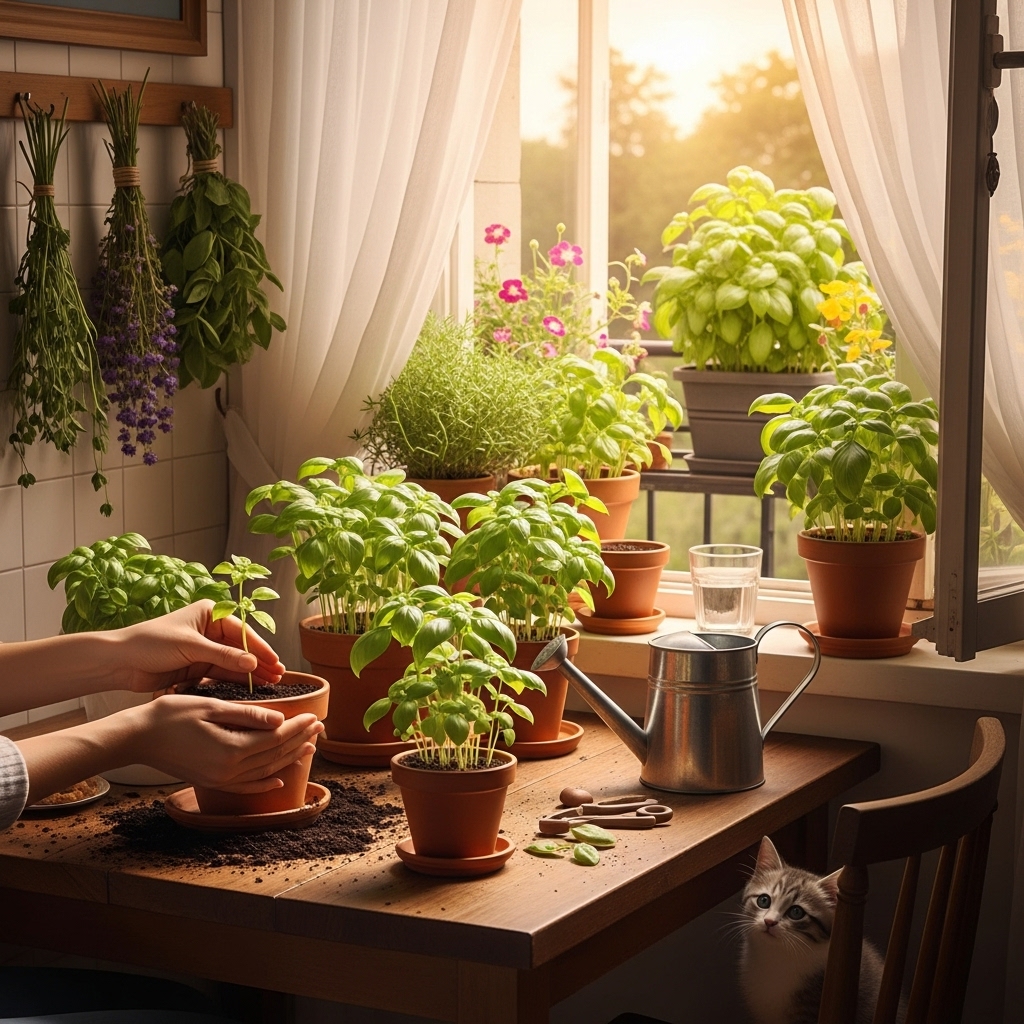
Types of Basil Plants
When I first started growing basil, I was surprised to learn that there are several varieties, each with its own unique flavor and aroma. Here are a few popular types that I’ve come across:
- Genovese Basil: This is the classic variety used in Italian cooking, particularly in pesto. Its large, dark green leaves have a sweet flavor.
- Thai Basil: With its spicy, anise-like flavor, Thai basil is perfect for Asian dishes. It’s a bit more sturdy than other types.
- Sweet Basil: This is what most people think of when they hear “basil.” It has a mild flavor and is great for salads, sauces, and garnishes.
- Purple Basil: This variety not only adds a pop of color but also has a slightly spicier taste. It’s often used for decorative purposes.
Knowing these varieties can help you choose the right basil for your culinary needs, and that’s something I’ve learned to appreciate over time.
Health Benefits of Basil
Basil isn’t just delicious; it’s also packed with health benefits. I remember reading about how it’s rich in antioxidants, which can help combat oxidative stress in the body. Additionally, basil contains anti-inflammatory properties and is known to support heart health. Some studies suggest it may even help with digestive issues and reduce stress. Incorporating fresh basil into my meals makes me feel like I’m not just cooking; I’m also nurturing my body.
Culinary Uses of Basil
In my kitchen, basil is a superstar. Its versatility is one of the reasons I love it so much. I use it in a variety of dishes, from pasta sauces to salads. Here are some of my favorite ways to incorporate basil:
- Pesto: A classic Italian sauce made from fresh basil, garlic, pine nuts, Parmesan cheese, and olive oil. It’s perfect on pasta or as a spread on sandwiches.
- Caprese Salad: Fresh mozzarella, tomatoes, and basil make for a simple yet delicious salad, especially drizzled with balsamic glaze.
- Soups and Stews: Adding fresh basil to soups can enhance the flavor and add a lovely aroma.
- Herb Butter: Mixing chopped basil into softened butter creates a flavorful spread for bread or vegetables.
Having fresh basil on hand opens up a world of culinary possibilities. I’ve discovered that even a sprinkle of fresh leaves can transform a dish from bland to extraordinary.
Growing Basil Indoors
If you’re like me and want to have fresh basil available year-round, growing it indoors is a fantastic option. I’ve managed to grow healthy basil plants in my kitchen, and I can’t stress enough how rewarding it is to snip off a few leaves for dinner. Here’s what I’ve learned about growing basil indoors.
Choosing the Right Container
Choosing the right container is crucial for indoor basil growth. I’ve experimented with various options and found that pots with drainage holes are essential. This prevents excess water from sitting at the bottom, which can lead to root rot. A pot that’s about 6-8 inches in diameter is perfect for one basil plant. I often use terracotta pots because they’re breathable, allowing for better air circulation. Of course, you can also use plastic or ceramic pots, just make sure they have drainage.
Soil Requirements for Indoor Basil
When it comes to soil, I always opt for a high-quality potting mix that drains well. Basil doesn’t like to sit in waterlogged soil. I’ve had great success with a mix of potting soil, perlite, and compost, which provides nutrients while ensuring good drainage. It’s important to refresh the soil every year to keep the plant healthy and thriving.
Optimal Lighting Conditions
Basil loves sunlight, and I’ve found that placing my basil plant near a south-facing window does wonders. Ideally, basil needs about 6-8 hours of sunlight daily. If natural light is limited in your home, consider using grow lights. I’ve used LED grow lights before, and they work wonders to mimic sunlight, especially during those gloomy winter months!
Watering and Humidity Needs
Watering basil can be tricky; I’ve learned the hard way that it’s better to underwater than overwater. I check the soil regularly, and when the top inch feels dry, I give it a good drink. Basil prefers humidity, so if you live in a dry area, misting the leaves occasionally can help. I’ve also placed a small humidifier nearby during particularly dry spells, and my basil seems to appreciate the extra moisture.
Pest Management for Indoor Basil
Pests can be a challenge, but I’ve found that keeping an eye on my plants helps catch issues early. Common pests like aphids and spider mites can be problematic. I often inspect the leaves and stems for any signs of trouble. If I notice pests, I gently wash the leaves with a mixture of water and mild soap. Neem oil is another effective treatment I’ve used, as it’s organic and safe for indoor plants.
Growing Basil Outdoors
Growing basil outdoors is a whole different experience compared to indoors, and I truly enjoy the process. I’ve had the chance to plant basil in my garden, and there’s something magical about watching it flourish under the sun. Here’s what I’ve learned about cultivating basil in an outdoor setting.
Optimal Planting Location
Finding the right spot for your basil is essential. I’ve discovered that basil thrives best in a location that gets full sun for at least 6-8 hours a day. I like to choose a spot that receives morning sunlight, as it helps the plant dry out quickly and prevents disease. Avoiding shaded areas or spots where water tends to pool is crucial. I remember one summer when I planted basil too close to a tree, and it just didn’t do well. Lesson learned! For more on companion planting, check out What Not to Plant With Tomatoes (Avoid These Plants).
Soil Preparation for Outdoor Basil
Preparing the soil is a task I always take seriously. Basil loves rich, well-draining soil. I usually add organic matter like compost to my garden bed to improve soil fertility. I’ve found that mixing in some perlite or sand can help with drainage, especially if you’re in an area with heavy clay soil. Before planting, I also like to test the soil pH; basil prefers a slightly acidic to neutral pH of around 6.0 to 7.0. It makes such a difference in growth!
Ideal Growing Conditions and Climate
Basil is a warm-weather herb, and I’ve learned that it really hates the cold. I usually wait until after the last frost before planting it outdoors. In my case, once the temperatures consistently rise above 50°F at night, it’s go time! If you live in a particularly hot climate, keeping the plants hydrated is essential. I’ve found that excessive heat can cause basil to bolt, leading to a bitter flavor. So, monitoring the weather and adjusting care accordingly is key.
Watering Techniques for Outdoor Basil
Watering basil can be tricky, especially outdoors. I’ve learned that it’s best to water deeply and less frequently to encourage deep root growth. I typically water in the early morning to allow any excess moisture to evaporate during the day. If it’s been particularly dry, I’ll check the soil about an inch down; if it feels dry, then it’s time for a drink. I also try to avoid getting the leaves wet to prevent fungal diseases, which have been a concern in my garden.
Companion Planting with Basil
One of the best things I’ve discovered about growing basil outdoors is the benefits of companion planting. Basil pairs beautifully with tomatoes, peppers, and even strawberries! I’ve noticed that when basil is planted near tomatoes, it can improve their flavor and help repel pests. I often create little herb gardens where basil coexists with other plants, making my garden not only productive but also visually appealing.
Pest Control in Outdoor Basil Gardens
Pests are a part of gardening, and my basil plants have faced their fair share of challenges. I’ve encountered aphids, spider mites, and slugs. To tackle these pests, I prefer natural methods. I often release beneficial insects like ladybugs or lacewings in my garden; they’re great for keeping aphid populations in check. I also make a homemade garlic spray, which has been effective in deterring unwanted bugs. Keeping the garden tidy and removing any dead leaves or debris helps minimize pest attractions. I’ve learned that regular check-ups on my plants can make a world of difference.
Seed vs. Seedling: Which to Choose?
When it comes to starting basil, I’ve found myself weighing the options of seeds versus seedlings. Each method has its pros and cons, and I’ve tried both. Here’s what I’ve discovered.
Starting Basil from Seeds
I remember the thrill of starting basil from seeds for the first time. It felt rewarding to see those tiny seedlings sprout! I usually start them indoors about 6-8 weeks before the last frost. I like to use seed-starting trays filled with a light potting mix. Keeping the soil moist but not soggy is crucial during germination. Once they have a couple of true leaves, I transplant them into larger pots before moving them outdoors. Watching them grow has been a joy, and I think it builds a connection to the plant that’s special.
Transplanting Seedlings Outdoors
When it’s time to transplant my seedlings outdoors, I take care to harden them off first. This means gradually exposing them to outdoor conditions over a week or so. I’ve found this step is vital to prevent shock. Once they’re acclimated, I dig holes in the prepared garden bed and place the seedlings, ensuring they’re spaced properly. I try to transplant them in the evening or on a cloudy day to minimize stress on the plants.
Best Sources for Basil Seeds and Seedlings
Finding quality seeds or seedlings is essential. I often visit my local gardening center or farmer’s market to choose healthy plants. I’ve also had success ordering organic seeds online, which can offer a wider variety of basil types. Reading reviews and checking for reputable sellers has helped me find the best sources. I’ve learned that starting with quality seeds or seedlings sets the stage for a successful harvest.
Harvesting Basil
One of the most rewarding aspects of growing basil is the moment you can finally harvest those fragrant leaves. I remember the thrill of my first harvest; it felt like a true achievement! Knowing how to properly harvest basil not only ensures I get the most out of my plant but also encourages it to keep growing. Here’s what I’ve learned about harvesting basil.
When to Harvest Basil
Timing is everything when it comes to harvesting basil. I’ve found that the best time to pick basil is just before the plant flowers. Once it starts to bloom, the leaves can become bitter, and the plant focuses more on producing seeds than leaves. Usually, I aim to harvest in the morning when the leaves are full of moisture and flavor. I like to wait until the plant is at least 6-8 inches tall, which usually means it’s healthy enough to handle a good trim. I also keep an eye on the leaves; if they’re bright green and lush, it’s the perfect time to snip a few for my kitchen.
How to Properly Harvest Basil Leaves
When it’s time to harvest, I make sure to use clean, sharp scissors or pruners. I’ve learned that tearing the leaves can damage the plant, so I prefer cutting stems just above a pair of leaves. This encourages new growth and helps the plant thrive. I usually take no more than one-third of the plant at a time to ensure it can recover and continue to grow. I’ve found that regularly harvesting basil not only provides me with fresh leaves but also stimulates bushier growth, which is a win-win!
Storage Tips for Freshly Harvested Basil
After harvesting, I want to ensure my basil stays fresh for as long as possible. I’ve discovered a few methods that work well for storing basil. If I plan to use it within a few days, I simply place the stems in a glass of water, like a bouquet, and leave it on my kitchen counter. Covering the leaves loosely with a plastic bag helps retain moisture without suffocating the plant. For longer storage, I often chop the basil and mix it with a little olive oil, then freeze it in ice cube trays. It’s such a treat to pop out a cube of basil oil when I’m cooking! Alternatively, I’ve dried basil by hanging the stems upside down in a dark, cool place, but I’ve found that fresh basil retains its flavor much better.
Common Issues When Growing Basil
Even with the best care, I’ve had my share of challenges while growing basil. Recognizing and addressing these issues early can save the plant from further stress. Here are some common problems I’ve encountered and how to tackle them.
Recognizing and Resolving Leaf Problems
Basil leaves can tell you a lot about the plant’s health. I’ve noticed that yellowing leaves often indicate overwatering or nutrient deficiencies. If I see this happening, I check the soil moisture and adjust my watering schedule accordingly. Sometimes, I’ve learned that adding a bit of balanced fertilizer can help perk up my basil. On the other hand, if I notice dark spots or a powdery appearance, it could be a sign of fungal disease. In that case, I make sure to improve air circulation around the plant and avoid watering the leaves directly.
Dealing with Wilting and Browning
Wilting basil can be a heartbreaker, but I’ve learned to investigate the cause. I usually check the soil first; if it’s too dry, a good soak can bring it back to life. However, if the soil is soggy, I know it’s time to cut back on watering. Browning leaves can also result from sunburn if the plant is suddenly exposed to too much sunlight. I’ve found that gradually acclimating my basil to new light conditions can prevent this issue.
Preventing and Managing Fungal Diseases
Fungal diseases can be tricky, but I’ve discovered that prevention is the best strategy. Ensuring good air circulation around my basil plants and avoiding overcrowding can help minimize the risk. I also make it a habit to water at the base of the plant rather than from above to keep the leaves dry. If I do encounter a fungal issue, I often use organic fungicides or homemade remedies, like a mixture of water and baking soda, which has worked well for me in the past.
Using Basil in Everyday Cooking
Now that I’ve got a healthy basil harvest, I can’t help but think about all the delicious dishes I can make! Basil is incredibly versatile, and I’ve found countless ways to incorporate it into my meals. Here are some of my favorite uses for this lovely herb.
Popular Basil Recipes
Basil is a star in many of my go-to recipes. I love making a vibrant Caprese salad with fresh mozzarella, tomatoes, and plenty of basil drizzled with balsamic reduction. Another favorite is my homemade basil pesto; it’s so simple to blend fresh basil, garlic, nuts, and parmesan into a creamy sauce that elevates pasta dishes. I’ve also enjoyed using basil in my morning omelets or on pizza, where its flavor shines beautifully.
Preserving Basil for Future Use
I often find myself with more basil than I can use right away, so I look for ways to preserve it. One technique I love is making basil-infused oil. I simply blend fresh basil with olive oil and strain it into a bottle. This oil is perfect for drizzling over vegetables or using in dressings. I’ve also experimented with freezing basil in silicone molds, which allows me to pop out fresh basil whenever I need it.
Basil in International Cuisines
Basil is a key ingredient in various cuisines around the world. I’ve enjoyed using it in Thai dishes, where Thai basil adds a unique flavor to stir-fries and soups. In Italian cooking, basil is indispensable in sauces and salads. Exploring different cuisines has opened my eyes to the versatility of basil, and I love experimenting with recipes from cultures that highlight this amazing herb.
Frequently Asked Questions
What are the essential conditions for growing basil?
To grow basil successfully, it needs plenty of sunlight, adequate watering, and well-draining soil. Indoor basil should ideally receive about 6-8 hours of sunlight daily.
What are some popular types of basil plants?
Some popular types of basil include Genovese Basil, known for its sweet flavor and use in Italian cooking; Thai Basil, with a spicy anise-like flavor; Sweet Basil, which is mild and commonly used in various dishes; and Purple Basil, which adds color and has a slightly spicier taste.
What health benefits does basil offer?
Basil is rich in antioxidants, has anti-inflammatory properties, supports heart health, and may help with digestive issues and stress reduction.
How can I use basil in cooking?
Basil can be used in a variety of dishes such as pesto, Caprese salad, soups, stews, and herb butter. It enhances flavors and adds a lovely aroma to meals.
What should I consider when growing basil indoors?
When growing basil indoors, it’s important to choose pots with drainage holes, use a well-draining potting mix, ensure adequate sunlight, and monitor watering and humidity levels.
How should I water my basil plants?
For basil, it’s better to underwater than overwater. Check the soil regularly and water when the top inch feels dry. Basil prefers humidity, so misting the leaves or using a humidifier can help in dry conditions.
What are effective pest management strategies for basil?
To manage pests on basil, inspect plants regularly for common pests like aphids and spider mites. Washing the leaves with a mixture of water and mild soap or using neem oil can be effective treatments.
When is the best time to harvest basil?
The best time to harvest basil is just before the plant flowers, ideally in the morning when the leaves are full of moisture. The plant should be at least 6-8 inches tall for a healthy trim.
What are some methods for storing freshly harvested basil?
Freshly harvested basil can be stored by placing the stems in a glass of water on the kitchen counter, covering the leaves loosely with a plastic bag, or chopping and mixing it with olive oil to freeze in ice cube trays.
How can I prevent common issues when growing basil?
To prevent issues, ensure good air circulation, avoid overcrowding, and water at the base of the plant to keep the leaves dry. Regular checks for leaf health and adjusting care based on conditions can also help.