
Growing a ginger plant at home is a rewarding experience that requires minimal space and effort. With just a ginger rhizome, some soil, and a little patience, you can enjoy fresh ginger right from your garden. Read Interesting article: How to Grow Ginger Plant at Home (Easy Guide)
Whether you’re a seasoned gardener or a complete beginner, this guide will help you understand how to grow ginger successfully at home.
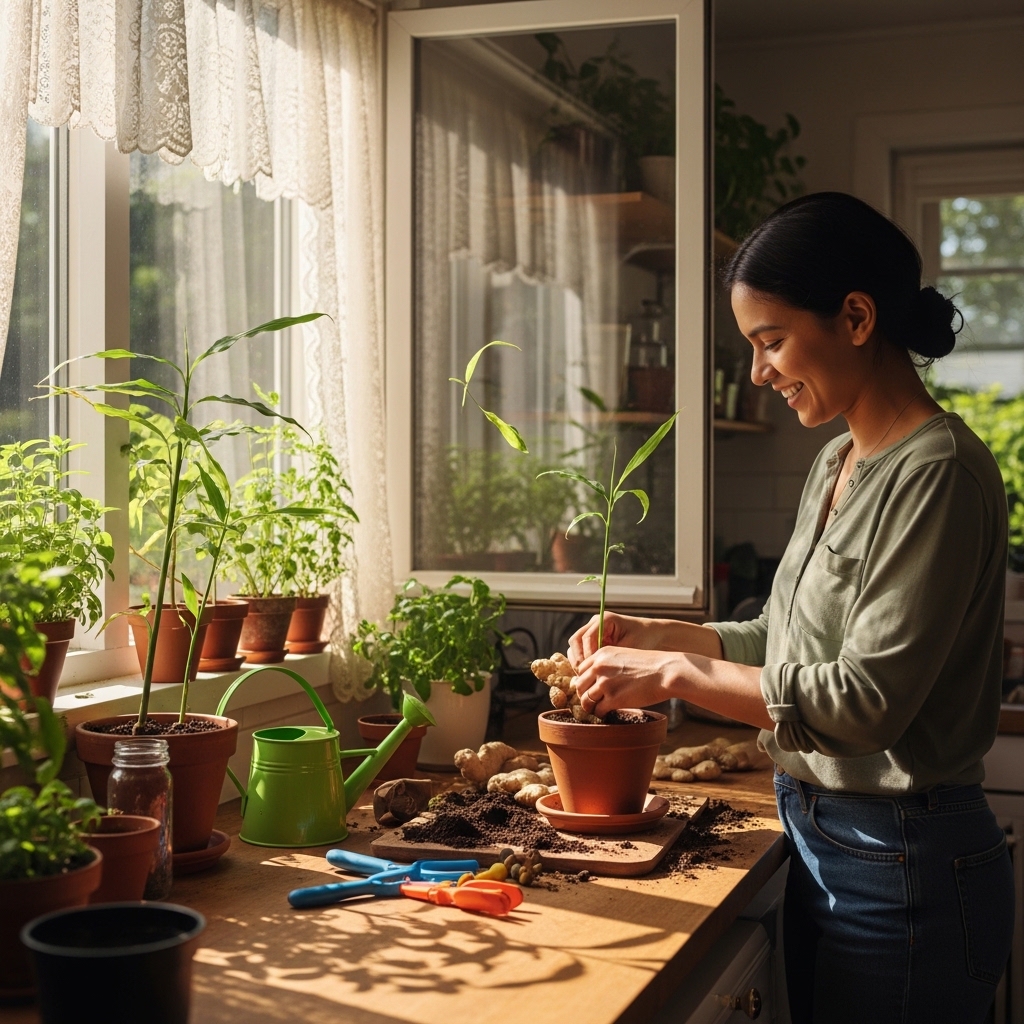
Understanding Ginger: The Plant and Its Benefits
What is Ginger?
Ginger, scientifically known as Zingiber officinale, is a flowering plant whose rhizome is widely used as a spice and for its medicinal properties. Originally native to Southeast Asia, ginger has become a staple in many kitchens around the world. The plant grows to about 3 feet tall, with green, lance-shaped leaves and beautiful yellow-green flowers. However, it’s the underground rhizome that we treasure the most, as it’s packed with flavor and health benefits.
Health Benefits of Ginger
I remember the first time I truly appreciated ginger beyond its zesty flavor. It was during a chilly winter when I was feeling under the weather. A warm cup of ginger tea worked wonders, soothing my throat and warming me up from the inside. Ginger is renowned for its anti-inflammatory properties, making it a popular remedy for sore throats, nausea, and even digestive issues. Studies also suggest that ginger can help combat nausea during pregnancy and chemotherapy, reduce muscle pain, and improve joint mobility for those suffering from arthritis.
In my experience, incorporating fresh ginger into my diet has not only added a delicious kick to my meals but also contributed to my overall wellness. I often slice fresh ginger into my smoothies or toss it into stir-fries for an extra layer of flavor. It’s fascinating how something so simple can have such a profound effect on our health.
Culinary Uses of Ginger
We all know ginger is a common ingredient in many cuisines, but the ways to use it are virtually endless. From sweet to savory, ginger adds a unique flavor profile to dishes. I love using it in Asian recipes, like ginger chicken or in a fragrant stir-fry. But I also enjoy baking with it; ginger cookies and cakes are some of my favorite treats, especially during the holiday season. Ginger can be used fresh, dried, pickled, or candied, making it an incredibly versatile ingredient.
It’s exciting to think about the variety of culinary adventures one can embark on by simply growing your own ginger. Imagine harvesting your own fresh ginger for a recipe; it adds a personal touch to cooking that is hard to beat. Plus, knowing that you’ve nurtured the plant from a rhizome to a full-grown plant just elevates the experience.
Choosing the Right Ginger Root for Planting
Types of Ginger for Home Gardening
Before diving into the planting process, it’s essential to understand the different types of ginger available for home gardening. There are many varieties of ginger, but the most common one for culinary use is the common ginger (Zingiber officinale). There are also decorative varieties like turmeric and galangal, which have their unique flavors and uses. I recommend starting with the common ginger, as it’s the easiest to grow and has the most versatile culinary applications.
Where to Buy Ginger Rhizomes
When I first decided to grow ginger, I was surprised to find out that I could purchase ginger rhizomes at local grocery stores or farmer’s markets. You can also find them at garden centers or online. If you’re looking for organic options, many health food stores carry organic ginger rhizomes. I usually check my local stores first to see if they have fresh ginger that looks healthy and vibrant.
Identifying Healthy Ginger Rhizomes
Choosing the right ginger rhizome is crucial for successful growth. I’ve learned to look for plump, firm rhizomes with vibrant, healthy eyes (the small buds you see on the surface). Avoid any that are shriveled or moldy, as these may not sprout properly. A good rule of thumb is to select ginger that feels heavy for its size, as this indicates a higher water content and a fresher rhizome.
Preparing to Grow Ginger at Home
Choosing the Right Container
One of the most enjoyable parts of growing ginger is selecting the right container. I’ve tried growing ginger in various pots, and I found that wide, shallow containers work best. Ginger doesn’t have a deep root system; it prefers to spread out horizontally. Make sure your container has drainage holes, as ginger doesn’t like soggy roots. I usually choose a pot that’s at least 12 inches wide and 12 inches deep, giving the rhizome plenty of space to grow. Read Interesting article: How to Grow Ginger Plant Indoors Successfully
Selecting the Ideal Soil
For ginger to thrive, it needs well-draining soil rich in organic matter. I’ve had great success using a mix of potting soil, compost, and sand. This combination allows for good drainage while retaining moisture—perfect for ginger’s needs. If you’re unsure about your soil, consider conducting a simple pH test; ginger prefers slightly acidic to neutral pH levels (around 6.0 to 6.5).
Optimal Location for Growing Ginger
Finding the right spot for your ginger plant is key to its growth. Ginger loves warmth and humidity, so I usually choose a location with indirect sunlight. A bright kitchen window or a spot in my garden that gets morning sun works perfectly. If you live in a cooler climate, consider bringing your ginger indoors during colder months; it can thrive inside as long as it gets enough light and warmth.
Steps to Plant Ginger
When to Plant Ginger
Timing is everything when it comes to planting ginger. I’ve found that the best time to plant ginger is in the spring after the last frost has passed. Ginger thrives in warm conditions, so I usually wait until the soil temperature reaches about 70°F (21°C). This warmth encourages active growth, ensuring that my ginger plants can flourish. Depending on where you live, this might mean starting your planting in late March or April. If you’re in a warmer climate, you might be able to plant ginger as early as February.
How to Prepare the Ginger Rhizome
Before planting, it’s important to prepare the ginger rhizome properly. I like to soak the rhizome in warm water for a few hours to help kick-start the sprouting process. This step is quite beneficial, as I’ve noticed that it often leads to faster growth. After soaking, I carefully cut the rhizome into pieces, ensuring that each piece has at least one eye. These eyes are crucial for generating new shoots. This is my favorite part; it feels like I’m getting ready to start a little adventure with each piece!
Planting Techniques
Once my ginger rhizomes are prepped, I’m ready to plant them. I like to plant the pieces about 2-4 inches deep in the soil, making sure the eyes are facing upwards. I remember the first time I planted ginger, I was amazed at how simple the process was. After placing them in the soil, I gently cover the rhizomes with the soil mix. I usually leave about 12 inches of space between each piece to give them room to grow. After planting, I give them a good watering, making sure not to soak them too much, as ginger prefers slightly moist but well-drained soil.
Caring for Your Ginger Plant
Watering Requirements
Watering is another critical aspect of ginger care. I’ve learned that ginger needs consistent moisture to thrive, especially during its active growing phase. I typically water my ginger plants whenever the top inch of soil feels dry. It’s best to water slowly and deeply, ensuring the roots get enough moisture without becoming waterlogged. I’ve made the mistake of overwatering in the past, which led to some root rot, so I always keep an eye on the soil’s moisture level.
Fertilizing Your Ginger Plant
Fertilizing is essential for healthy ginger growth. I usually start fertilizing my ginger plant about a month after planting. I prefer using an organic fertilizer, such as fish emulsion or a balanced slow-release fertilizer, which provides nutrients over time. I’ve found that fertilizing every 4-6 weeks helps my ginger produce lush foliage and strong rhizomes. The key is not to over-fertilize, as this can lead to excessive leaf growth but poor rhizome development.
Managing Light Conditions
Light plays a significant role in how well ginger grows. Ginger loves a warm, bright environment, but direct sunlight can scorch its leaves. I’ve discovered that placing my ginger in a spot where it receives indirect sunlight works best. If I’m growing it indoors, a place near a window with filtered light is ideal. If I notice that the leaves start to yellow or wilt, I adjust the light conditions to ensure my ginger is getting just the right amount of light.
Pest and Disease Management
Like any plant, ginger can be susceptible to pests and diseases. I’ve encountered a few issues along the way, but I’ve learned some effective strategies to keep my ginger healthy. Aphids and spider mites are common pests; I usually inspect my plants regularly. If I spot any, I gently spray them off with water or use insecticidal soap to manage them. Additionally, I make sure to keep the area around my ginger plant clean to prevent fungal diseases. If I notice any unusual spots on the leaves, I make sure to remove affected leaves promptly to prevent spreading.
Harvesting Ginger
When to Harvest Ginger
One of the most exciting moments in growing ginger is the harvest. I usually wait about 8 to 10 months after planting before harvesting. By this time, the leaves will start to yellow and die back, indicating that the rhizomes are ready. I remember the thrill of my first harvest; it felt like unearthing a treasure! If you want young ginger with a milder flavor, you can harvest it earlier, around 4-6 months, when the rhizomes are still tender.
How to Harvest Ginger Without Damaging the Plant
Harvesting ginger requires a bit of care. I usually use a spade or garden fork to gently loosen the soil around the rhizomes before lifting them out. I make sure to be cautious, as I don’t want to damage any remaining rhizomes in the process. I’ve learned to dig around the plant rather than pulling it directly; this helps to keep the remaining rhizomes intact for future growth. After harvesting, I clean off the soil and allow the ginger to dry for a few hours before storing or using it in my favorite recipes.
Common Questions About Growing Ginger at Home
Can Ginger Be Grown Indoors?
Absolutely! I’ve had great success growing ginger indoors, and it can be a fantastic way to enjoy fresh ginger year-round, especially if outdoor conditions aren’t ideal. I usually choose a bright spot in my kitchen or living room where there’s indirect sunlight. If you live in a colder climate, growing ginger indoors can be particularly beneficial. Just make sure to keep your ginger plant away from drafty windows or cold air, as it thrives in a warm and humid environment. I’ve found that using a humidity tray or misting the leaves can help create the right conditions indoors. Read Interesting article: How to Grow Ginger Plants Successfully at Home
How Long Does It Take for Ginger to Grow?
From my experience, ginger typically takes about 8 to 10 months to mature after planting, although it can vary based on environmental conditions and care. If you’re looking for young ginger with a milder taste, you can harvest it as early as 4 to 6 months. I remember being so eager to taste my homegrown ginger that I tried harvesting a few months in, and it was such a delight! The growth process can feel slow at times, but the anticipation makes it all worthwhile. Patience is key—just keep nurturing your plant, and it will reward you with delicious rhizomes.
What Are the Best Conditions for Growing Ginger?
Ginger thrives in warm, humid conditions with plenty of indirect sunlight. I’ve noticed that maintaining a temperature between 70°F and 85°F (21°C to 29°C) is ideal for my ginger plants. The soil should be well-draining and rich in organic matter; I often add compost to keep it nutrient-dense. Watering consistently without over-saturating is crucial, as ginger prefers slightly moist soil. I also recommend keeping an eye on humidity levels—if you live in a dry area, using a humidifier or placing a small water tray nearby can work wonders. Observing how my ginger reacts to its environment has helped me adjust these conditions to keep it happy and healthy.
Tips for Growing Ginger Successfully
Companion Plants for Ginger
Companion planting can be incredibly beneficial for ginger. I’ve found that growing ginger alongside other plants can enhance growth and ward off pests. Consider planting it with herbs like basil or cilantro, which can thrive in similar conditions. I’ve also added turmeric and garlic nearby; they not only share soil preferences but can also deter pests that might bother ginger. Creating a companion planting strategy can add diversity to my garden and create a more harmonious growing environment.
Common Mistakes to Avoid
Through my journey of growing ginger, I’ve made a few mistakes that I learned from. One common error is overwatering. It’s easy to think that more water means better growth, but ginger doesn’t like soggy roots. I’ve had to learn to check the soil moisture regularly. Another mistake is not providing enough light. Ginger loves warmth and light, so I’ve ensured it gets plenty of indirect sunlight. Lastly, I used to skip fertilizing or didn’t do it often enough. Providing the right nutrients at the right time has made a significant difference in the health of my plants.
Seasonal Care Tips
Seasonal care is crucial for ginger’s success. In the warmer months, I focus on ensuring my ginger gets enough water and light. I also pay attention to fertilizing regularly to promote vigorous growth. As the seasons change and temperatures drop, I often bring my ginger indoors to protect it from frost. If I notice the leaves starting to yellow in the fall, I adjust my watering schedule to prevent overwatering, as ginger goes a bit dormant during the cooler months. I’ve found that checking on my plants often and adjusting care as needed helps keep them thriving all year round.
Frequently Asked Questions
What is ginger and its benefits?
Ginger, scientifically known as Zingiber officinale, is a flowering plant whose rhizome is used as a spice and for its medicinal properties. It has anti-inflammatory benefits and can help with sore throats, nausea, digestive issues, and more.
What types of ginger are best for home gardening?
The most common type of ginger for culinary use is common ginger (Zingiber officinale). Decorative varieties like turmeric and galangal are also available but are less common for home gardening.
Where can I buy ginger rhizomes for planting?
Ginger rhizomes can be purchased at local grocery stores, farmer’s markets, garden centers, or online. Organic options are often available at health food stores.
How do I identify a healthy ginger rhizome?
Look for plump, firm rhizomes with vibrant, healthy eyes. Avoid shriveled or moldy rhizomes, and choose those that feel heavy for their size.
What type of container is best for growing ginger?
A wide, shallow container is best for growing ginger, as it prefers to spread out horizontally. The pot should be at least 12 inches wide and deep, with drainage holes.
When is the best time to plant ginger?
The best time to plant ginger is in the spring after the last frost, typically when soil temperatures reach about 70°F (21°C). This can mean late March or April for most regions.
How do I prepare the ginger rhizome before planting?
Soak the ginger rhizome in warm water for a few hours to encourage sprouting. Then, cut it into pieces, ensuring each piece has at least one eye for generating new shoots.
How often should I water my ginger plant?
Ginger needs consistent moisture, so water whenever the top inch of soil feels dry. It’s important to water slowly and deeply to avoid waterlogging the roots.
When is the right time to harvest ginger?
Harvest ginger about 8 to 10 months after planting, when the leaves start to yellow. For young ginger with a milder flavor, it can be harvested earlier, around 4 to 6 months.
Can ginger be grown indoors?
Yes, ginger can be successfully grown indoors, especially in colder climates. It thrives in a warm, humid environment with indirect sunlight, making it suitable for locations like a bright kitchen window.