
Growing a pistachio plant successfully requires a sunny location, well-drained soil, and patience, as these trees can take several years to bear fruit. From my experience, learning about their unique needs is essential to ensure healthy growth and a fruitful harvest. For detailed guidance, you might want to check out How to Plant Pistachio Nuts and Grow a Tree.
Table of Contents
Understanding the Pistachio Plant
Scientific Classification and Varieties
The pistachio plant, scientifically known as *Pistacia vera*, is a member of the cashew family, Anacardiaceae. This nut-bearing tree is primarily cultivated in regions with warm, dry climates. The varieties of pistachios can be broadly classified into two categories: those grown for their nuts and ornamental types. I’ve come across several popular nut-producing varieties such as ‘Kerman,’ ‘Peters,’ and ‘Red Aleppo.’ Each has its unique flavor profile and growth characteristics, which might influence your choice based on your specific needs. Additionally, you might be interested in the Chinese Pistache Tree Growth Rate: Urban Tolerance Ranked for further insights.
Natural Habitat and Growing Conditions
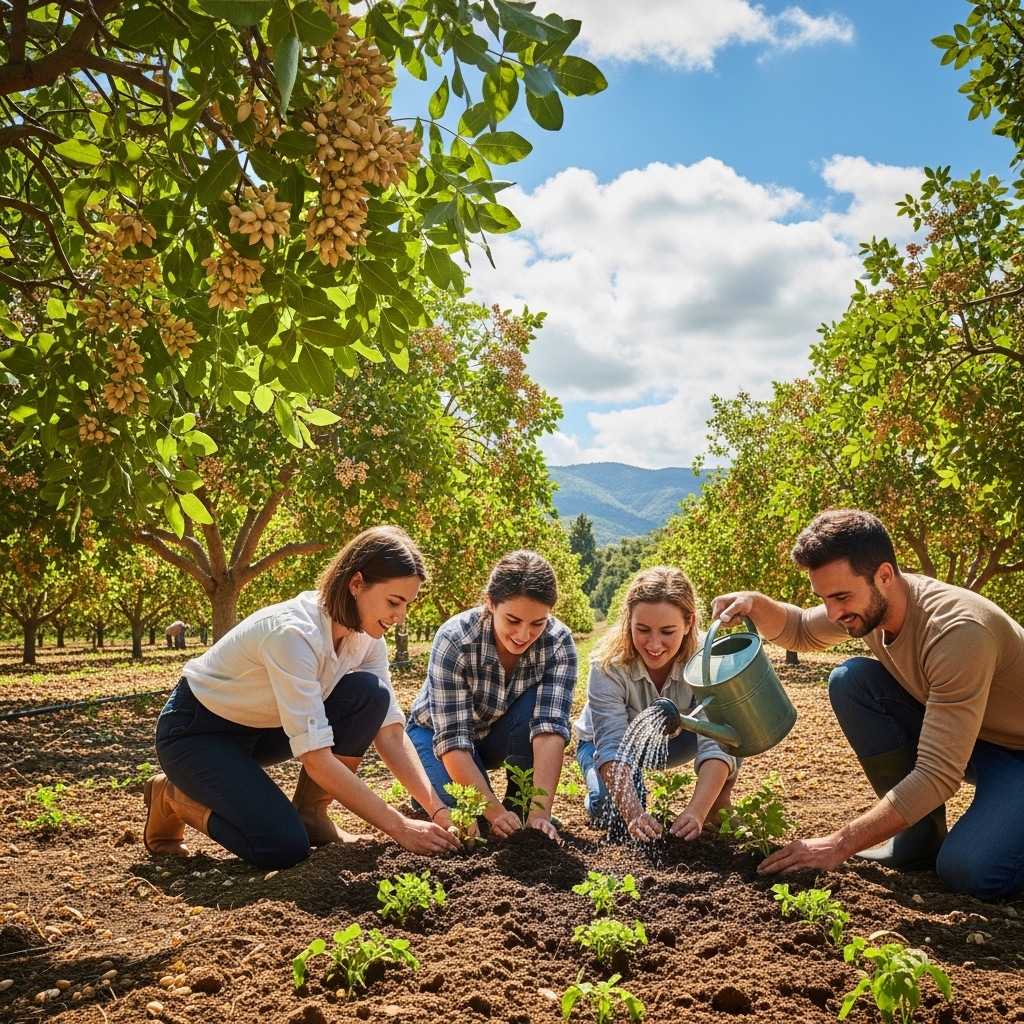
In the wild, pistachio trees thrive in arid regions of the Middle East, particularly in Iran and Turkey. They love sunny environments and can tolerate drought once established. When I first considered growing my own pistachios, I learned that they prefer a Mediterranean-type climate with hot, dry summers and cool winters. This understanding helped me choose the right microclimate in my yard to mimic their natural habitat.
These trees can grow up to 20 feet tall and spread equally wide. They are dioecious, meaning that male and female flowers grow on separate trees. I found this fascinating because it highlights the importance of planting both sexes for fruit production. Typically, one male tree is needed for every 8 to 10 female trees to ensure pollination. This was a key detail I noted when planning my own pistachio garden.
Life Cycle of a Pistachio Plant
The life cycle of a pistachio plant is quite remarkable. From seedling to maturity, it takes about 5 to 7 years for a pistachio tree to produce nuts. Initially, I was surprised by the length of this timeline, but it made sense once I considered the tree’s need for a conducive environment and proper care. The tree first enters a juvenile phase, where it primarily focuses on growing roots and foliage. During this time, I’m often reminded that patience is key. After a few years, it transitions to the flowering phase, usually occurring in spring. It might feel like a long wait at first, but I found the anticipation builds excitement for the eventual harvest.
Once the flowers bloom, the female trees will produce pistachio nuts in late summer to early autumn. I remember the first time I saw the green hulls forming; it felt rewarding to witness the results of my care. The nuts will mature and harden, and eventually, the shells will split open, indicating they are ready for harvesting. Understanding this cycle helped me appreciate every stage of the plant’s growth and made the eventual harvest even more fulfilling.
Preparing to Grow Pistachios
Choosing the Right Location
Choosing the right location is essential for growing pistachios successfully. I’ve learned that these trees thrive in full sun, requiring at least 6 hours of direct sunlight each day. When I picked a spot in my yard, I ensured it was clear of any shading from nearby structures or trees. Additionally, good air circulation is critical to prevent diseases, so I avoided crowded areas where airflow might be restricted.
Another aspect I considered was the tree’s eventual size. Since pistachio trees can grow quite large, I made sure there was plenty of space around the chosen spot. I remember feeling a bit anxious about the potential size of my trees, but after seeing them grow, I realized they needed that room to develop properly.
Soil Requirements and Preparation
Pistachios prefer well-drained soil that is sandy or loamy. I found that good drainage is crucial because pistachio trees are highly sensitive to waterlogged conditions. To prepare my soil, I conducted a simple drainage test by digging a hole and filling it with water. If the water drained quickly, I knew I had suitable soil. If not, I added organic matter and sand to improve drainage.
Additionally, the ideal pH level for pistachios is between 7.0 and 8.0. I tested my soil pH using a home testing kit and was pleased to find it was right within that range. If your soil is too acidic, you can raise the pH by adding lime. I also incorporated compost into the soil to enrich it and provide essential nutrients for my trees. This preparation step made me feel more confident about setting the foundation for my pistachio garden.
Climate Considerations for Pistachio Growth
Understanding the climate is vital when growing pistachios. These trees require a climate with hot summers and cold winters to thrive. I’ve discovered that they need a chilling period during winter where temperatures drop below 45°F. This chilling requirement is essential for proper flowering and nut development. If you live in a region that doesn’t experience these temperature variations, you might find it challenging to grow pistachios successfully.
In my case, I realized that the USDA hardiness zones 7 to 10 are typically the best for pistachio growth. After checking my zone, I felt reassured that my environment was suitable for these beautiful trees. Keeping in mind the significance of climate helped me align my expectations and care strategies for the best results.
Planting Pistachio Seeds or Seedlings
When to Plant Pistachio Seeds
Timing is everything when it comes to planting pistachio seeds. I learned that the best time to plant them is in late winter or early spring, after the threat of frost has passed. This timing allows the seeds to establish themselves during the warm months, which is crucial for their development. I remember feeling a sense of urgency as spring approached, eagerly planning when I would get my hands dirty. If you’re starting with seeds, make sure to check the local frost dates, as this can vary based on where you live.
How to Plant Pistachio Seeds
Planting pistachio seeds is a rewarding task, and I found it to be quite straightforward. First, I soaked my seeds in water for about 24 hours before planting. This helps to soften the seed coat and encourages germination. Then, I prepared small pots filled with well-draining soil, ensuring the soil was moist but not soggy. I planted the seeds about an inch deep, making sure to space them out to give each seed room to grow. For more detailed instructions, you can refer to How to Plant a Tree in Minecraft (Easy Guide).
After planting, I placed the pots in a warm, sunny location. A greenhouse or a bright windowsill works great if you have limited outdoor space. I kept an eye on the moisture level, watering gently to keep the soil damp but not overly wet. Within a few weeks, I was thrilled to see the first signs of life as the seeds began to sprout. It was a moment filled with hope and excitement, knowing that I was nurturing the future of my pistachio garden.
Transplanting Seedlings: Best Practices
Once my seedlings reached about 6 to 8 inches tall and established a good root system, it was time to transplant them outdoors. I waited until the weather was consistently warm, usually around late spring. I found that preparing the new planting site was just as important as the transplanting process itself. I dug holes that were twice the width of the root ball to give the seedlings plenty of space to grow.
When transplanting, I was careful to handle the seedlings gently to avoid damaging the roots. I placed each seedling in its hole, ensuring that the top of the root ball was level with the soil surface. Then, I backfilled the hole with soil, making sure there were no air pockets. After transplanting, I watered thoroughly to help settle the soil around the roots, which I felt was an essential step to reduce transplant shock.
One of the challenges I faced during this phase was knowing how much water to provide. I learned that newly transplanted seedlings need regular watering, especially during dry spells, but it’s crucial to avoid overwatering. Monitoring their condition became a part of my daily routine as I kept an eye on their growth and adjusted my watering schedule accordingly.
Caring for Your Pistachio Plant
Watering Techniques and Requirements
Caring for my pistachio trees didn’t stop once they were planted. One of the most significant aspects of their care is watering. I discovered that pistachios are drought-tolerant once established, but young trees require consistent moisture until their roots dig deep into the soil. I adopted a deep watering approach, which means watering less frequently but soaking the soil thoroughly each time. This encourages the roots to grow deeper, helping them withstand dry spells later on.
During the hotter months, I found that checking the soil moisture regularly was essential. I would stick my finger in the soil about an inch deep—if it felt dry, I would water. I also learned to adjust my watering schedule based on rainfall, which helped prevent overwatering, a common mistake I read about in gardening forums. In my experience, maintaining a proper watering routine not only supports healthy growth but also enhances the flavor of the nuts.
Fertilizing for Optimal Growth
Fertilizing my pistachio trees was another important aspect of their care. I initially felt unsure about what type of fertilizer to use, but I learned that a balanced, slow-release fertilizer works well for these trees. I applied it in early spring before the growth spurt, following the package instructions for the best application rates.
As the trees matured, I found that they benefited from an annual feeding. I incorporated compost into the soil to provide organic matter and nutrients, which I felt was a more natural approach to fertilizing. I’ve noticed that healthy soil leads to healthier trees, and this also promotes better nut quality. Keeping a close eye on the trees allowed me to gauge their nutrient needs, and I adjusted my fertilization strategy accordingly.
Pest and Disease Management
Pest management was something I hadn’t given much thought to until I saw tiny bugs on my leaves. I quickly learned that pistachio trees can be susceptible to certain pests like aphids and spider mites. I decided to adopt an integrated pest management approach, which combines cultural, mechanical, and, if necessary, chemical controls.
I found that maintaining good air circulation and avoiding overcrowding helped reduce pest issues. Additionally, I regularly inspected my trees for any signs of pests or diseases. If I noticed any problems, I would remove affected leaves or branches promptly to prevent the spread. I also tried using insecticidal soap as a more eco-friendly option, which proved effective without harming beneficial insects.
Ultimately, I realized that being proactive about pest and disease management is key to keeping my pistachio trees healthy. I felt a sense of accomplishment each time I successfully tackled an issue, knowing that I was contributing to the overall wellbeing of my garden.
Pruning and Training Your Pistachio Tree
Best Time to Prune Pistachio Trees
Pruning is a critical aspect of caring for my pistachio trees, and timing is key. I found that the best time to prune is during the winter months when the trees are dormant. This not only minimizes stress on the trees but also allows for better visibility of the structure of the branches. I remember looking out at my trees during the winter, knowing that a little care could greatly enhance their growth in the coming spring. Late winter, just before the new growth begins, is ideal. I made it a point to mark my calendar as a reminder for this important task.
Techniques for Effective Pruning
When I first started pruning, I wasn’t entirely sure where to begin. I learned that the main goal is to create an open center to improve air circulation and light penetration. I began by removing any dead, damaged, or crossing branches. This simple act not only helps the tree’s health but also encourages better fruit production. I used sharp, clean pruning shears to make clean cuts, which I found really helps the tree heal faster.
Another technique I adopted was thinning out overcrowded areas. By selectively trimming branches, I noticed that my trees seemed to breathe better, and the remaining branches could support more fruit. I also learned to cut at an angle just above a bud, which promotes healthy growth in the right direction. Every snip felt like a step toward nurturing my trees, and I was pleasantly surprised by how quickly they responded with lush growth once spring arrived.
Training Methods for Healthy Growth
Training my pistachio trees for optimal growth was another rewarding experience. I realized early on that a well-trained tree would not only be healthier but also easier to manage. I started by choosing a central leader—this is the main stem that I wanted to keep growing upward. I gently tied the leader to a stake to promote vertical growth, which helped me visualize how I wanted the tree to develop.
I also experimented with a technique called “crown lifting.” This involves removing lower branches to encourage upward growth, allowing more light to reach the interior of the tree. I found that this was particularly beneficial as my trees matured. As I lifted the crown, the trees began to take on a more attractive shape while remaining productive.
Additionally, I used light pruning to guide lateral branches to grow outward rather than inward. This creates a more balanced tree structure, allowing for even distribution of sunlight and nutrients. Each time I pruned or trained, I felt a connection with my trees, almost like I was shaping them into masterpieces of nature.
Harvesting Pistachios
Signs That Pistachios Are Ready to Harvest
After years of nurturing my pistachio trees, the moment I had been waiting for finally arrived: harvest time! I learned to look for specific signs that indicated the pistachios were ready to be picked. The hulls of the nuts change from green to a beige or brown color, and the shells begin to split open. I remember my excitement when I first noticed those splits; it felt like a reward for all my hard work.
Timing the harvest is crucial, as leaving the nuts on the tree too long can result in quality loss. I discovered that harvesting typically occurs in late summer to early autumn, depending on the variety and local climate. Checking the trees regularly was part of my routine as I eagerly awaited the perfect moment for harvest.
Harvesting Techniques
When it came time to harvest, I used a few methods to make the process efficient. For smaller trees, hand-picking the pistachios was manageable and enjoyable. I would gather a basket and carefully pluck the nuts from the branches, delighted by the crunchy sound they made as they fell into my collection. However, for larger trees, I found that using a shaking method was more effective. I gently shook the branches, causing the ripe nuts to fall onto a tarp I had laid out below. This method saved time and ensured I didn’t miss any ripe nuts.
After gathering the nuts, I carefully sorted through them to separate the good from the bad. I learned to discard any that were shriveled or had an off smell, ensuring that only the best nuts made it to my kitchen. Each harvest felt like a celebration of the journey I had taken with my trees, and I was so proud of the fruits of my labor.
Post-Harvest Processing and Storage
Once the harvesting was done, I needed to focus on processing and storing my pistachios properly. I found that the first step was to remove the hulls, which is best done soon after harvesting. I would soak the nuts in water to loosen the hulls and make the process easier. It was a bit of a messy task, but I enjoyed it, knowing I was prepping my bounty for future enjoyment.
After removing the hulls, I spread the nuts out to dry in a shaded area with good airflow. This step is essential to prevent mold and ensure a longer shelf life. Once they were fully dried, I stored them in airtight containers in a cool, dark place. I learned that properly stored pistachios can last for several months, and I often found myself snacking on my homegrown nuts while reminiscing about the journey from planting to harvest.
Harvesting and processing my pistachios was one of the most fulfilling parts of my gardening experience. It transformed the effort and time I had invested into something tangible and delicious, and I couldn’t wait to share my bounty with family and friends.
Frequently Asked Questions
What is the scientific name of the pistachio plant?
The scientific name of the pistachio plant is Pistacia vera.
How long does it take for a pistachio tree to produce nuts?
It takes about 5 to 7 years for a pistachio tree to produce nuts from the time it is planted.
What are the ideal growing conditions for pistachio trees?
Pistachio trees thrive in sunny locations with well-drained soil. They prefer a Mediterranean-type climate with hot, dry summers and cool winters.
How many male pistachio trees are needed for pollination?
Typically, one male pistachio tree is needed for every 8 to 10 female trees to ensure proper pollination.
When is the best time to plant pistachio seeds?
The best time to plant pistachio seeds is in late winter or early spring, after the threat of frost has passed.
What type of soil do pistachio trees prefer?
Pistachio trees prefer well-drained soil that is sandy or loamy, with a pH level between 7.0 and 8.0.
What watering technique is recommended for young pistachio trees?
Young pistachio trees require consistent moisture until their roots are established. A deep watering approach is recommended, where the soil is soaked thoroughly but not watered too frequently.
What is the best time to prune pistachio trees?
The best time to prune pistachio trees is during the winter months when the trees are dormant, ideally late winter just before new growth begins.
How can you tell when pistachios are ready to harvest?
Pistachios are ready to harvest when the hulls change from green to a beige or brown color, and the shells begin to split open.
What should be done after harvesting pistachios?
After harvesting, the hulls should be removed, and the nuts should be spread out to dry in a shaded area with good airflow. Once dried, they can be stored in airtight containers in a cool, dark place.