
Growing a potato plant at home is a rewarding and straightforward process that can yield delicious results. With a little care and the right techniques, anyone can grow their own potatoes in a backyard or even in containers. Read Interesting article: How to Grow a Potato Plant From a Potato (Easy Guide)
Overview of Growing Potato Plants
When I started my journey into gardening, potatoes were among the first plants I chose to grow. They are not only easy to cultivate but also incredibly versatile in the kitchen. By growing potatoes at home, you can enjoy fresh, tasty tubers while saving money and knowing exactly where your food comes from. Let’s dive deeper into the journey of growing potatoes.
Benefits of Growing Potatoes at Home
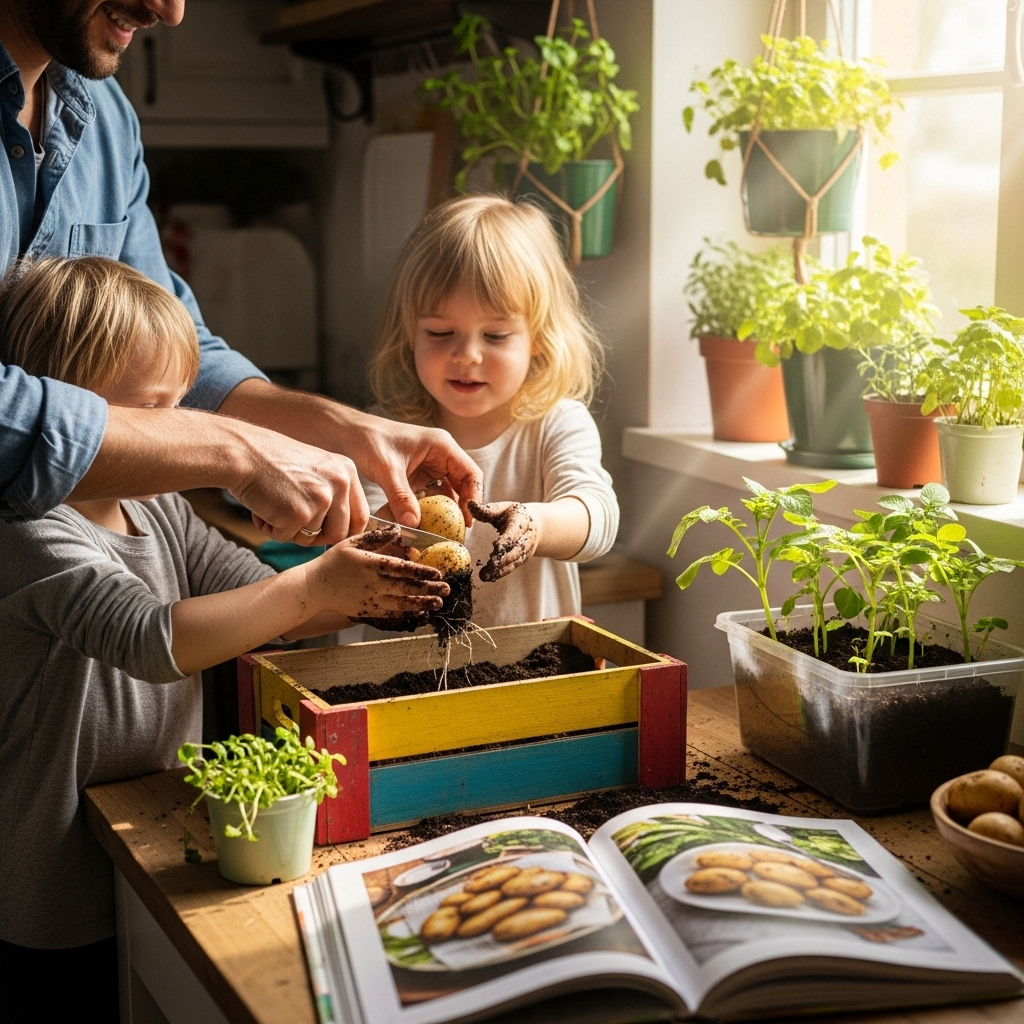
Growing potatoes at home offers numerous benefits that I’ve come to appreciate over the years. First, homegrown potatoes taste so much better than store-bought ones; they’re fresher and have a rich flavor that is hard to find in grocery stores. I remember the first time I dug up my own potatoes; the taste was unlike any I had experienced before.
Additionally, cultivating your own potatoes can save you money. Potatoes are relatively inexpensive to grow, and you can harvest a generous yield from just a few seed potatoes. Plus, gardening is a therapeutic activity. I find that spending time tending to my plants helps me unwind and connect with nature. Read Interesting article: How Long Do Potato Plants Take to Grow? Timeline Guide
Types of Potatoes to Consider
There are many potato varieties, and each has its unique taste and use. I’ve tried several types, and here are some that I think you might enjoy:
- Russet Potatoes: These are great for baking and frying. Their starchy texture makes them perfect for fluffy baked potatoes.
- Red Potatoes: These are waxy and hold their shape well, making them ideal for salads and roasting.
- Yukon Gold: I love these for their creamy texture and buttery flavor. They’re versatile and great for mashing or roasting.
- Fingerling Potatoes: These small, elongated potatoes have a unique shape and taste. They are perfect for roasting and add an interesting visual appeal to any dish.
Choosing the right type depends on your culinary preferences and the growing conditions in your area.
Basic Potato Growing Terminology
Before diving into the planting process, it’s helpful to understand some basic terminology. Here are a few terms I’ve found useful:
- Seed Potatoes: These are specially grown potatoes used for planting. They are not the same as the potatoes you buy for eating.
- Chitting: This is the process of encouraging seed potatoes to sprout before planting. It can lead to a better harvest.
- Hill: This refers to the practice of piling soil around the base of the potato plant as it grows. It helps to keep the tubers covered and promotes growth.
- Tubers: These are the edible part of the potato plant that we harvest.
Understanding these terms can make the process of growing potatoes much smoother and more enjoyable.
Choosing the Right Seed Potatoes
The next step in our potato-growing adventure is selecting the right seed potatoes. This is important because the quality of your seed potatoes can directly affect your harvest.
What Are Seed Potatoes?
Seed potatoes are not just any potatoes; they are specifically grown to be disease-free and have the potential to produce healthy plants. They are cut from certified seed stock and are typically smaller than the potatoes we buy for eating. I’ve learned that using seed potatoes is essential for a successful crop because they’re less likely to carry diseases that can harm your plants.
Where to Buy Seed Potatoes
When I first started growing potatoes, I was surprised to find that I could buy seed potatoes at local garden centers, nurseries, or even online. I usually prefer to visit a local garden center because I enjoy talking to the staff, who can provide valuable advice. Online shopping, however, offers a wider variety and the convenience of home delivery. Just be sure to buy from reputable sources to ensure you’re getting healthy seed potatoes.
Choosing the Best Varieties for Your Climate
Climate plays a significant role in determining which potato varieties will thrive in your garden. In my experience, some varieties perform better in cooler climates, while others prefer warmer conditions. For instance, I found that early-season varieties, like ‘Red Pontiac,’ are great for cooler areas, while mid-season types, like ‘Yukon Gold,’ work well in a range of climates. It’s wise to research which varieties flourish in your specific region to ensure a successful harvest.
Preparing for Planting
Choosing the Right Location
Finding the perfect spot for your potato plants is crucial. I’ve discovered that potatoes thrive in full sun, so I always look for a location that receives at least 6 to 8 hours of direct sunlight each day. I remember when I first started, I made the mistake of planting them in a shaded area. The plants didn’t flourish, and my yield was disappointing. Now, I scout for a sunny area—preferably one that’s well-drained since potatoes don’t like sitting in wet soil. Consider your space carefully, as potatoes can also spread out quite a bit as they grow.
Soil Requirements for Potatoes
The type of soil you use can greatly affect your potato crop. I learned that potatoes prefer loose, well-draining soil rich in organic matter. Heavy clay soils can hold too much water and lead to rot, which is something I definitely wanted to avoid after losing some tubers to soggy conditions. To ensure good drainage, I often mix in compost or well-rotted manure to my garden beds. Not only does this improve soil structure, but it also provides the nutrients my potatoes need to grow strong and healthy.
Preparing the Soil: Testing and Amendments
Before planting, I always test my soil’s pH level, which should ideally be between 5.8 and 7.0 for potatoes. I use a simple soil testing kit from my local garden center. If the pH is too low, I’ve found that adding lime can help raise it. Conversely, if it’s too high, sulfur can lower it. Additionally, it’s wise to enrich the soil with some balanced fertilizer. I usually work in some bone meal or a general-purpose organic fertilizer to ensure my potatoes have the nutrients they need right from the start. This preparation makes a significant difference in the health and yield of the plants.
When to Plant Potatoes
Timing your planting is essential for a successful potato harvest. In my experience, I’ve typically planted potatoes in early spring, after the last frost has passed. The soil temperature should ideally be around 45°F to 50°F. I like to keep an eye on the weather, and when the forecast shows consistent warmer temperatures, that’s my cue to start planting. The first time I planted too early, my seed potatoes didn’t sprout until weeks later, which was frustrating. Now, I try to be patient and wait for the right conditions, as this ensures a healthier crop.
Step-by-Step Planting Process
How to Cut and Cure Seed Potatoes
Once I have my seed potatoes ready, I prepare them for planting by cutting them into pieces. Each piece should have at least one or two eyes, which are the little buds that will sprout into new plants. I find it easier to cut them a day or two before planting and let them sit in a cool, dry place to “cure.” This allows the cut surfaces to dry out and form a protective layer, which helps prevent rot in the soil. I remember my first attempt at planting when I skipped this step; my potatoes were more prone to decay, and it was a lesson learned!
Planting Depth and Spacing Guidelines
Planting depth and spacing are also critical factors. I usually dig trenches about 4 to 6 inches deep and space the seed potato pieces about 12 inches apart. This gives each plant enough room to grow and develop healthy tubers. I’ve learned the hard way that crowding them can lead to smaller potatoes, so I always stick to this guideline. After placing the seed pieces in the trench, I gently cover them with soil and give them a good watering to help them settle in.
Watering Techniques for New Plants
Watering is an essential part of nurturing my potato plants. Right after planting, I make sure to water them well to promote strong root development. I aim for consistent moisture but avoid overwatering as this can lead to issues like blight or rot. In my experience, checking the soil moisture a couple of inches down helps me determine if I need to water. I usually water deeply but less frequently, allowing the soil to dry out slightly between waterings. This encourages the roots to grow deeper in search of moisture, which ultimately leads to healthier plants.
Caring for Your Potato Plants
Watering Schedule and Best Practices
Once my potato plants start to grow, I realize that keeping a consistent watering schedule is vital. I learned that during the first few weeks after planting, it’s crucial to maintain even moisture, especially as the plants establish their roots. I usually check the soil regularly, aiming to keep it slightly moist but not soggy. If I notice that the top inch of soil is dry, I give them a good drink. As the plants mature, I find that they can withstand slightly drier conditions, but I try to avoid letting them wilt completely. I’ve experienced that well-watered plants produce larger, tastier tubers.
Fertilizing Your Potato Plants
As my potato plants grow, I make it a point to provide them with the right nutrients. After a few weeks, I start to see signs that they need a boost. I use a balanced fertilizer, typically one that has equal parts nitrogen, phosphorus, and potassium. I’ve learned that too much nitrogen can lead to lush foliage at the expense of tuber production, so I’m careful to follow the package instructions. I usually fertilize every 4-6 weeks, depending on how my plants look. When I see flowers starting to appear, I know it’s time to give them one last feeding before the harvest.
Mulching and Weed Control
Weeds can be a real nuisance when growing potatoes, so I’ve found that applying mulch is a game-changer. After planting, I like to add a layer of straw, grass clippings, or shredded leaves around the base of the plants. Not only does mulch help retain moisture, but it also suppresses weeds, which means I spend less time weeding and more time enjoying my garden. I usually aim for a 2-3 inch layer of mulch to keep the soil cool and moist. Every now and then, I check for any weeds that manage to poke through and remove them by hand—not only is it satisfying, but it helps keep my plants healthy.
Pest and Disease Management
Throughout my gardening journey, I’ve learned that keeping an eye out for pests and diseases is crucial. Early on, I noticed aphids and potato beetles trying to make a meal of my leaves. I’ve found that handpicking these pests is the most effective method for me. I take a few minutes to inspect my plants regularly and remove any visible pests. Sometimes, I’ll use a mixture of water and a few drops of dish soap to spray on affected areas, which can help deter them without harming the plants.
Additionally, I make sure to rotate my crops each year to prevent diseases from building up in the soil. I’ve had some luck with companion planting, too. For example, planting marigolds nearby seems to help keep certain pests at bay. It’s all about being proactive and observant; I try to stay ahead of any potential problems so my plants can thrive.
Harvesting Potatoes
When to Harvest: Signs of Maturity
The excitement of harvesting my potatoes is one of the highlights of my gardening experience. I’ve learned to look for specific signs that indicate it’s time to dig them up. Typically, when the plant’s leaves begin to yellow and die back, I know that the tubers are ready for harvest. I also like to gently dig around the base of the plant to check for size. If the potatoes feel firm and have developed a good size, I get eager to start the harvest! In my case, it’s helpful to keep a calendar to track when I planted; usually, potatoes are ready about 70 to 100 days after planting, depending on the variety.
How to Harvest Potatoes Without Damage
When it comes time to harvest, I’ve learned that being gentle is key to avoiding damage. I like to use a garden fork to carefully lift the potatoes from the soil, rather than pulling them up by the stems, which can break the plant and bruise the tubers. I usually start digging a little distance away from the plant to avoid puncturing any potatoes. It’s always a thrill to see the first one pop up from the soil! I make sure to check for any smaller tubers that might be hiding as well, as they can be delicious little surprises.
Post-Harvest Care and Storage Tips
After I’ve harvested my potatoes, I handle them with care. I lay them out in a cool, dark place to dry for a day or two. This curing process allows their skins to toughen, which helps with storage. I remember the first time I harvested potatoes, I didn’t let them cure long enough, and they didn’t store well. Now, I make sure to keep them in a well-ventilated area away from sunlight. For storage, I usually keep them in a burlap sack or a cardboard box, making sure they aren’t stacked too high to avoid bruising. If stored properly, my potatoes can last for several months, which is a fantastic reward for my hard work!
Frequently Asked Questions
What are the benefits of growing potatoes at home?
Growing potatoes at home offers numerous benefits, including better taste compared to store-bought potatoes, cost savings from a generous yield, and the therapeutic experience of gardening.
What types of potatoes can be grown?
There are several potato varieties to consider, such as Russet potatoes (great for baking), Red potatoes (ideal for salads), Yukon Gold (for mashing or roasting), and Fingerling potatoes (perfect for roasting and visual appeal).
What are seed potatoes?
Seed potatoes are specially grown potatoes used for planting, which are typically disease-free and cut from certified seed stock. They are not the same as the potatoes you buy for eating.
Where can I buy seed potatoes?
Seed potatoes can be purchased at local garden centers, nurseries, or online. It’s recommended to buy from reputable sources to ensure healthy seed potatoes.
What is the ideal soil type for growing potatoes?
Potatoes prefer loose, well-draining soil rich in organic matter. Mixing compost or well-rotted manure into the soil can improve its structure and provide necessary nutrients.
When is the best time to plant potatoes?
The best time to plant potatoes is in early spring after the last frost, ideally when soil temperatures are around 45°F to 50°F.
How should seed potatoes be prepared for planting?
Seed potatoes should be cut into pieces with at least one or two eyes and allowed to cure in a cool, dry place for a day or two before planting to prevent rot.
What watering techniques are recommended for new potato plants?
New potato plants should be watered well right after planting and maintained with consistent moisture. It’s essential to avoid overwatering, allowing the soil to dry slightly between waterings.
How do I know when to harvest my potatoes?
Potatoes are typically ready for harvest when the plant’s leaves begin to yellow and die back, usually about 70 to 100 days after planting, depending on the variety.
What post-harvest care is necessary for potatoes?
After harvesting, potatoes should be laid out in a cool, dark place to dry for a couple of days to toughen their skins. They can then be stored in a burlap sack or cardboard box in a well-ventilated area, away from sunlight.