
The key to successfully growing a eucalyptus plant lies in choosing the right variety, providing well-drained soil, and ensuring adequate sunlight. From my experience, with the right care and conditions, eucalyptus can thrive beautifully in your garden or home. If you’re also dealing with pests, check out How to Get Rid of Gnats in My Plants (Fast Fixes) for some helpful tips.
Understanding Eucalyptus: Overview and Varieties
What is Eucalyptus?
Eucalyptus is a diverse genus of flowering trees and shrubs that are native to Australia, but they can be found in various other regions around the world. What I find fascinating about eucalyptus is not just its striking appearance, but also its aromatic leaves that are often associated with wellness and relaxation. The essential oils derived from these leaves are widely used in aromatherapy and medicinal applications. With over 700 species, eucalyptus offers a variety of shapes, sizes, and scents, making it a popular choice for gardeners and plant lovers alike. If you’re interested in natural pest control, you might want to explore What Plants Keep Mosquitoes Away? Best Natural Repellents for some great options.
Popular Eucalyptus Species for Home Gardening
When I first started growing eucalyptus, I was amazed by the different species available. Some of the most popular varieties for home gardening include:
- Eucalyptus globulus (Blue Gum): Known for its tall stature and striking blue-green leaves, this variety is often used for its essential oils.
- Eucalyptus polyanthemos (Silver Dollar Gum): I love this species for its round, silverish leaves that add a unique touch to any garden.
- Eucalyptus citriodora (Lemon Eucalyptus): This one has a refreshing lemon scent, which I find uplifting and perfect for outdoor spaces.
- Eucalyptus deglupta (Rainbow Eucalyptus): With its colorful bark, this species is a visual treat and a conversation starter in any garden.
Choosing the right species can make all the difference depending on your gardening goals and the climate in which you live.
Choosing the Right Eucalyptus Variety for Your Climate
One of the first things I learned about growing eucalyptus is that different varieties have varying climate preferences. For example, while some species thrive in warmer, tropical climates, others can withstand cooler temperatures. I remember when I first tried to grow eucalyptus in my garden, I didn’t pay attention to the specific requirements of the variety I chose, and it didn’t take long for me to see the effects of that oversight.
Here are a few tips based on my experiences:
- Warmer Climates: Varieties like Eucalyptus citriodora and Eucalyptus globulus thrive in USDA zones 8-10, where temperatures are consistently warm.
- Cooler Climates: If you live in a cooler area, consider Eucalyptus gunnii, which can tolerate frost and can be grown in USDA zones 7-9.
- Container Growing: If you’re in an area with fluctuating temperatures, growing eucalyptus in containers can allow you to move them indoors during colder months.
Understanding the climate requirements of the variety you want to grow can set you up for success, just like it did for me when I finally found the right species for my region.
Getting Started: Supplies and Preparation
Essential Tools for Growing Eucalyptus
Before diving into planting, it’s crucial to gather the right tools. When I first started, I found that having the right supplies made a noticeable difference in my gardening experience. Here’s a list of essential tools that I recommend:
- Garden Trowel: Perfect for digging holes and planting seeds or seedlings.
- Pruning Shears: Essential for trimming and shaping your eucalyptus as it grows.
- Watering Can: A must-have for providing just the right amount of water, especially for young plants.
- Soil Tester: I found this helpful for checking pH levels and ensuring the soil is suitable for eucalyptus.
- Mulch: To help retain moisture and control weeds around your plants.
Soil Requirements for Eucalyptus Plants
Eucalyptus plants thrive in well-draining soil, which I learned is crucial for preventing root rot. I’ve experimented with different soil mixes, and here’s what I’ve found works best:
- Soil Texture: A sandy loam or a mix of potting soil with perlite or sand enhances drainage.
- pH Level: Eucalyptus prefers slightly acidic to neutral soil with a pH range of 6.0 to 7.0. Testing the soil is a step I never skip.
- Nutrient-Rich: Adding organic matter, such as compost, can enrich the soil and support healthy growth.
Every time I prepare my planting area with these soil requirements, I see a noticeable improvement in the growth and health of my eucalyptus plants.
Choosing the Right Pot or Planting Location
If you’re growing eucalyptus in pots, selecting the right container is vital. I made a mistake early on by using a pot that was too small, which stunted my plant’s growth. Here are my recommendations:
- Pot Size: Start with at least a 12-inch pot, as eucalyptus can grow quite large. As they grow, you might need to repot them into bigger containers.
- Drainage Holes: Ensure your pot has adequate drainage holes to prevent water from accumulating at the bottom.
- Location: If planting outdoors, choose a spot that receives full sunlight for most of the day. I’ve noticed that eucalyptus plants flourish in sunny locations.
By paying attention to these details, my eucalyptus plants have thrived beautifully, showing their unique charm in my garden.
Planting Eucalyptus: Step-by-Step Guide
When to Plant Eucalyptus Seeds or Seedlings
Timing is everything, especially when it comes to planting eucalyptus. I learned this the hard way when I rushed into planting my seedlings too early one spring. Eucalyptus thrives best when the soil is warm—ideally between 60°F and 70°F. I now wait until after the last frost to ensure my plants get a good start. In many regions, this means planting in late spring or early summer. If you’re starting from seeds, it’s also helpful to soak them in water for a few hours before planting. This little trick helps with germination and has worked wonders for my seedlings.
How to Prepare Soil for Planting
Preparing the soil is a crucial step that I can’t stress enough. Eucalyptus prefers well-draining soil, so I always make sure to loosen the soil and remove any debris or weeds that might compete for nutrients. I like to mix in some compost to enhance the soil’s fertility. In my experience, a blend of 50% native soil and 50% compost creates a rich environment for the roots to establish themselves. After mixing, I test the soil for pH levels to ensure they are within the ideal range of 6.0 to 7.0. This might seem tedious, but it pays off when I see my eucalyptus plants thriving.
Planting Techniques for Eucalyptus
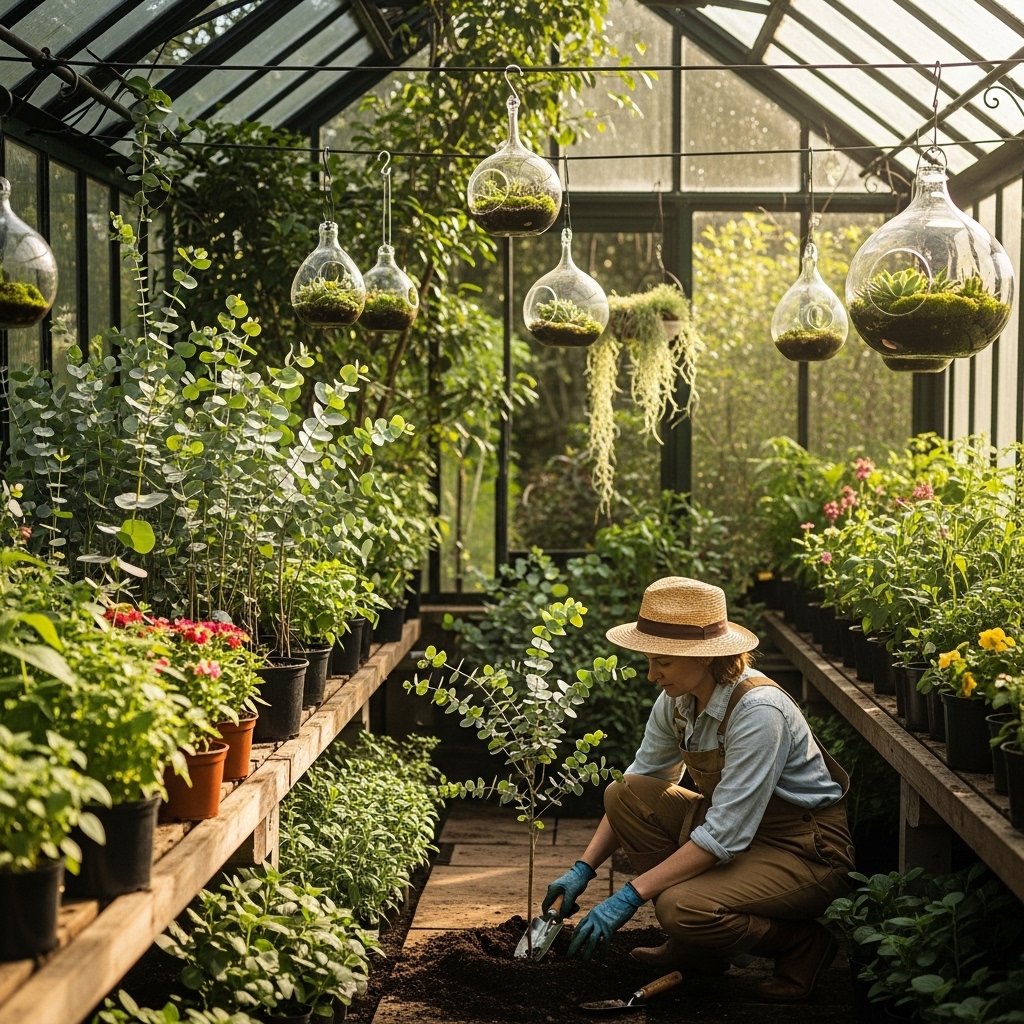
When it comes to planting, there are a few techniques I’ve found really helpful. If you’re planting seedlings, I recommend digging a hole that’s about twice the size of the root ball. This gives the roots plenty of room to grow. I gently place the seedling in the center and backfill with soil, making sure not to bury the stem too deeply. For seeds, I typically sow them on the surface of the soil and lightly press them in, as they need light to germinate. After planting, I give them a good watering to help settle the soil around the roots. I’ve noticed that a little extra care during this initial stage goes a long way in setting a strong foundation for my eucalyptus plants.
Caring for Your Eucalyptus Plant
Watering Needs and Techniques
Watering is one of those aspects of plant care that I’ve had to learn through trial and error. Eucalyptus prefers to be watered deeply but less frequently. I’ve found that giving them a good soak once a week is usually enough, especially as they establish themselves. Overwatering can lead to root rot, which I experienced early on and learned to avoid. I always check the top inch of soil first—if it feels dry, it’s time for watering. During the hot months, I sometimes set up a drip irrigation system to ensure they get consistent moisture without the risk of waterlogging.
Fertilization: What to Use and When
Fertilizing eucalyptus has become one of my favorite parts of plant care. I typically start fertilizing in early spring as new growth begins. I’ve found that a balanced, slow-release fertilizer works best. Something with a ratio of 10-10-10 or a high nitrogen option can really boost growth. I apply it according to the package instructions, which keeps it simple. When I see my eucalyptus plants flourishing with vibrant leaves, I know that I’ve hit the right balance.
Pruning Eucalyptus for Health and Shape
Pruning is another essential aspect of caring for my eucalyptus plants. I like to prune them annually in late winter or early spring, right before the growing season kicks in. This helps to remove any dead or damaged branches and encourages bushier growth. I’ve discovered that cutting back about a third of the plant keeps it healthy and allows more sunlight to reach the inner leaves. Plus, it’s rewarding to see the shape of the plant improve after a good trim!
Pest and Disease Management
Over the years, I’ve encountered a few pests that like to munch on my eucalyptus leaves. Aphids and spider mites are the most common culprits I’ve dealt with. I keep an eye on the leaves and, if I spot any pests, I usually spray them off with water or use insecticidal soap as a gentle remedy. Preventative measures are key, so I also make sure my plants are healthy and well-watered, as stressed plants are more susceptible to infestations. Regularly inspecting my plants has saved me time and effort in managing pests.
Environmental Considerations
Sunlight Requirements for Eucalyptus Growth
Sunlight is vital for the growth of eucalyptus, and I’ve learned that these plants thrive best in full sun. I made a mistake once by placing a young eucalyptus in partial shade and quickly realized it wasn’t getting enough light. Now, I make sure to choose a location that gets at least six hours of direct sunlight each day. This not only helps them grow taller but also enhances the aromatic qualities of the leaves. If you’re growing them indoors, I suggest placing them near a south-facing window.
Temperature and Humidity Preferences
Eucalyptus plants are generally tolerant of a range of temperatures, but they do prefer warmth. From my experience, they flourish best in temperatures between 60°F and 75°F. When temperatures drop below 50°F, I tend to bring my potted eucalyptus indoors to avoid any frost damage. Humidity isn’t a huge concern for eucalyptus, but if you live in a particularly dry climate, I recommend misting the leaves occasionally to keep them happy.
Managing Eucalyptus in Different Climates
Every climate has its quirks, and it’s essential to adapt your care routine accordingly. In humid areas, I’ve noticed that eucalyptus can grow quite rapidly, so I need to pay extra attention to pruning and pest management. Conversely, in drier climates, I ensure they have enough water without overdoing it. I also recommend checking local guidelines for any specific requirements or recommendations based on your region. Adjusting my approach has made all the difference in how successfully I can cultivate these beautiful plants.
Common Problems and Solutions
Yellowing Leaves: Causes and Remedies
Yellowing leaves on my eucalyptus plants have been one of the most common issues I’ve faced. Initially, I was puzzled as to why this was happening. Through observation and a bit of research, I learned that yellowing often indicates stress. It could be due to overwatering, nutrient deficiencies, or a lack of sunlight. In my case, I discovered that I had been watering too frequently, which led to root rot.
To remedy yellowing leaves, I suggest:
- Assess Watering Habits: Allow the top inch of soil to dry out before watering again. This simple check has saved my plants from excessive moisture.
- Check Nutrients: If you suspect a nutrient deficiency, consider using a balanced fertilizer to give your eucalyptus a boost. I’ve found that a slow-release fertilizer works wonders.
- Ensure Adequate Sunlight: Make sure your eucalyptus is getting enough light. If you notice the yellowing happening on lower leaves, it might be a sign that the plant isn’t receiving enough sunlight.
Taking these steps has often resolved my yellowing leaf issues, allowing my plants to regain their vibrant green color.
Stunted Growth Issues
Stunted growth can be frustrating, especially when you’re eager to see your eucalyptus thrive. I experienced this firsthand with one of my plants, which seemed to have plateaued after a few weeks. Through trial and error, I learned that several factors contribute to stunted growth, including poor soil quality, insufficient light, and root-bound conditions.
To help a stunted eucalyptus regain its vigor, I recommend:
- Improve Soil Quality: If the soil seems compacted or nutrient-poor, consider repotting with a good quality potting mix that has proper drainage.
- Check Root Health: If your plant is in a pot, carefully examine the roots. If they’re circling around the pot, it’s time to repot into a larger container.
- Increase Light Exposure: Ensure it is placed in a bright location, ideally with at least six hours of direct sunlight daily. I’ve seen a significant improvement when I made this adjustment.
By addressing these issues, I’ve successfully revived my stunted eucalyptus plants and watched them flourish.
Dealing with Pests and Insect Infestations
Pests can be a gardener’s worst enemy, and I’ve faced my fair share of insect infestations on my eucalyptus plants. Aphids, spider mites, and scale insects are among the most common pests that target these beautiful plants. When I first noticed the signs of infestation, I felt overwhelmed, unsure of how to tackle the problem.
Here are some effective strategies that worked for me:
- Regular Inspection: I started to inspect my plants weekly, checking the undersides of leaves and stem joints. Early detection is key, and it helps prevent major infestations.
- Natural Remedies: For minor infestations, I often spray the affected areas with a mixture of water and mild soap. This has proven to be an effective deterrent.
- Introduce Beneficial Insects: I’ve also considered introducing ladybugs to my garden. They’re natural predators of aphids and have helped keep my plants healthy.
- Chemical Treatments: In severe cases, I’ve turned to insecticidal soaps or neem oil. Always follow the instructions carefully to avoid harming the plant.
By staying vigilant and applying these methods, I’ve managed to keep pest issues under control, ensuring my eucalyptus plants remain healthy and thriving.
Harvesting and Utilizing Eucalyptus
When and How to Harvest Leaves
Harvesting eucalyptus is one of the most rewarding experiences for me as a gardener. I love the idea of using my homegrown leaves in various ways. The best time to harvest is in the morning when the leaves are full of essential oils. I make sure to choose healthy, mature leaves and avoid those that are yellowing or damaged.
To harvest:
- Use Clean Tools: I always use sharp, clean pruning shears to make clean cuts without damaging the plant.
- Cut Wisely: I cut the stem about ¼ inch above a leaf node to promote further growth. This encourages the plant to produce new leaves.
- Limit Harvesting: I try to limit my harvest to about 30% of the plant at a time, ensuring it can continue to thrive.
After harvesting, I like to use the leaves fresh, but I also dry them for later use.
Uses of Eucalyptus Leaves (Essential Oils, Culinary, etc.)
The versatility of eucalyptus leaves is something I truly appreciate. One of my favorite uses is extracting essential oils. The fresh leaves contain a wealth of aromatic oils that can be used in diffusers, bath products, and homemade cleaning solutions. The uplifting scent always brings a sense of calm to my home.
I’ve also experimented with culinary uses. While I’m careful with how much I use, I’ve found that adding a few crushed leaves to steeped teas can give a refreshing twist. Just remember, a little goes a long way!
Beyond this, eucalyptus leaves can also be used in potpourri, sachets, or even as natural insect repellents. The possibilities are endless! If you’re interested in growing other plants, you might want to read about How to Plant Dahlia Tubers for Big Blooms to expand your gardening skills.
Tips for Preserving Eucalyptus
Preserving eucalyptus leaves allows me to enjoy their beauty and aroma long after the harvest season. I typically hang the branches upside down in a cool, dry place for a few weeks until they’re completely dry. Once dried, I store them in airtight containers to maintain their scent and freshness.
Another method I’ve loved is creating eucalyptus wreaths. Not only do they look stunning, but they also bring a lovely scent to my home. Just be sure to keep them out of direct sunlight to prevent fading.
With these preserving techniques, I can enjoy my eucalyptus harvest all year round, whether for personal use or gifting to friends and family.
Frequently Asked Questions
What is eucalyptus?
Eucalyptus is a diverse genus of flowering trees and shrubs native to Australia, known for its striking appearance and aromatic leaves. It has over 700 species, making it popular among gardeners and plant lovers.
What are some popular eucalyptus species for home gardening?
Some popular eucalyptus species for home gardening include:
- Eucalyptus globulus (Blue Gum)
- Eucalyptus polyanthemos (Silver Dollar Gum)
- Eucalyptus citriodora (Lemon Eucalyptus)
- Eucalyptus deglupta (Rainbow Eucalyptus)
How do I choose the right eucalyptus variety for my climate?
Different eucalyptus varieties have varying climate preferences. Varieties like Eucalyptus citriodora and Eucalyptus globulus thrive in warmer climates (USDA zones 8-10), while Eucalyptus gunnii can tolerate cooler areas (USDA zones 7-9).
What are the essential tools needed for growing eucalyptus?
Essential tools for growing eucalyptus include:
- Garden Trowel
- Pruning Shears
- Watering Can
- Soil Tester
- Mulch
What soil conditions are best for eucalyptus plants?
Eucalyptus plants thrive in well-draining soil, preferably sandy loam or a mix with perlite. The ideal pH level is slightly acidic to neutral (6.0 to 7.0), and adding organic matter like compost can enrich the soil.
When is the best time to plant eucalyptus seeds or seedlings?
The best time to plant eucalyptus is after the last frost when soil temperatures are warm (ideally between 60°F and 70°F), usually in late spring or early summer.
How should I water eucalyptus plants?
Eucalyptus plants prefer deep but less frequent watering. A good soak once a week is usually sufficient, and it’s important to check the top inch of soil for dryness before watering to avoid overwatering.
What pests commonly affect eucalyptus plants?
Common pests that affect eucalyptus plants include aphids, spider mites, and scale insects. Regular inspections and treatments with water, insecticidal soap, or introducing beneficial insects can help manage these pests.
How do I harvest eucalyptus leaves?
The best time to harvest eucalyptus leaves is in the morning when they are full of essential oils. Use clean, sharp pruning shears, cut stems about ¼ inch above a leaf node, and limit your harvest to about 30% of the plant at a time.
What are some uses for eucalyptus leaves?
Eucalyptus leaves can be used for extracting essential oils, in culinary applications like teas, and for making potpourri or sachets. They are also effective as natural insect repellents.