
Growing broccoli successfully requires attention to its needs, including the right variety, planting time, and care. I’ve found that with the proper preparation and a little patience, you can enjoy a bountiful harvest of this nutritious vegetable.
Understanding Broccoli: The Basics
What is Broccoli?
Broccoli is a green vegetable that belongs to the cabbage family, also known as Brassicaceae. It’s typically recognized for its dense clusters of flower buds, known as florets, on thick stalks. When I first started gardening, I was amazed at how versatile broccoli can be—not just in the garden, but also in the kitchen. You can eat it raw, steamed, roasted, or blended into soups, making it a staple in many of our meals.
Health Benefits of Broccoli
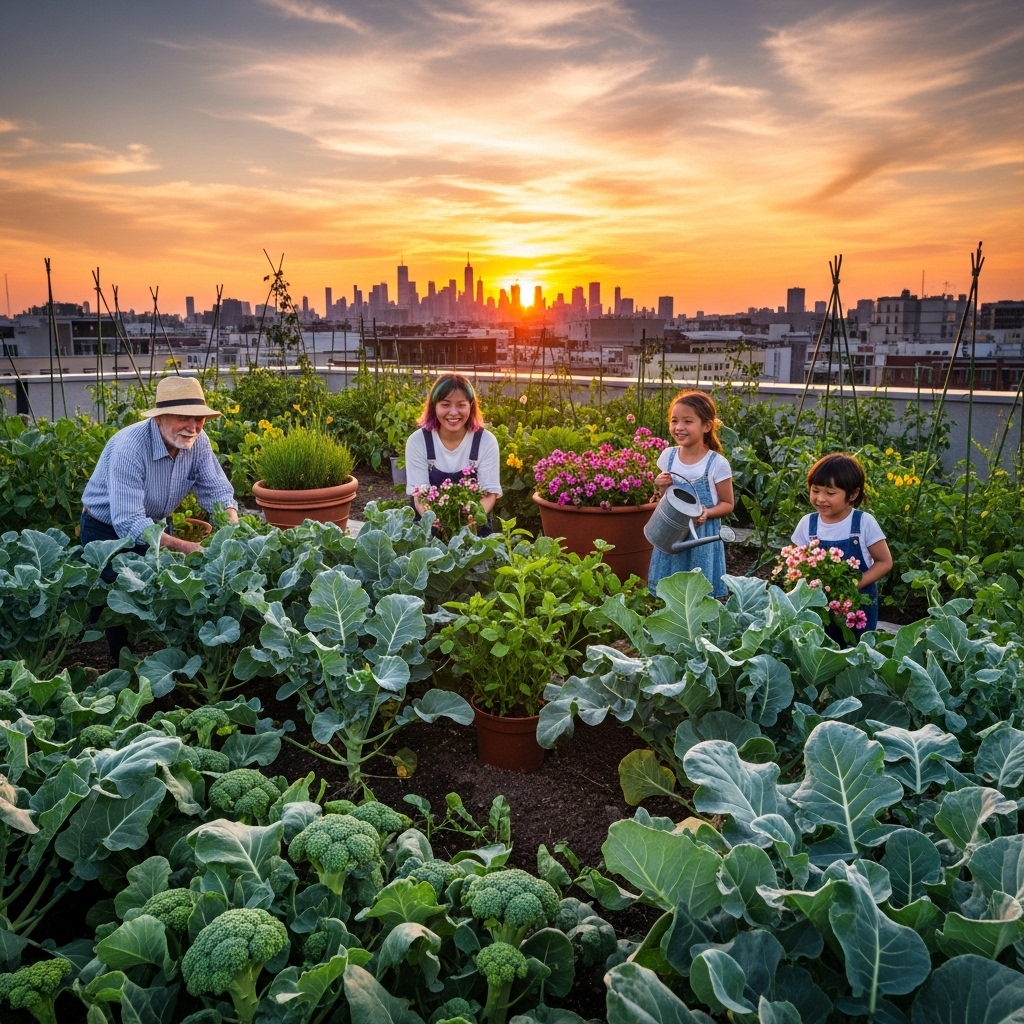
Broccoli is not just delicious; it’s packed with nutrients. It’s a great source of vitamins C and K, fiber, and various antioxidants, which can help reduce inflammation and support immune health. I remember when I began learning about nutrition, discovering that broccoli is also linked to cancer prevention was a game-changer for me. Eating it regularly can contribute to better overall health, which is why I make a point to include it in my diet.
Types of Broccoli
There are several types of broccoli, but the two main varieties are Calabrese and Sprouting broccoli. Calabrese is what most people think of when they hear “broccoli”—it’s large, with tightly packed florets. Sprouting broccoli, on the other hand, produces multiple small heads with tender stems and is typically harvested over a more extended period. I’ve enjoyed experimenting with both types in my garden and have found that each brings its own unique flavor and texture to dishes.
Choosing the Right Variety
Best Broccoli Varieties for Home Gardens
When selecting a variety for your garden, consider factors like climate, space, and your personal taste. Some of my favorite varieties for home growing include ‘Green Magic,’ which is great for cooler climates, and ‘Waltham 29,’ known for its adaptability and robust flavor. I’ve also had good luck with ‘Broccoli Raab,’ which is more tender and has a slightly different taste. It’s fun to try different varieties to find out which ones thrive best in your garden and suit your palate! You might also find it helpful to explore what to plant with tomatoes for better companion planting.
Determining Your Growing Zone
Understanding your growing zone is crucial for successful broccoli cultivation. Broccoli prefers cooler temperatures, ideally between 60-70°F (15-21°C). I learned that checking the USDA Plant Hardiness Zone Map can help you determine the best time to plant and which varieties will perform best in your area. In my case, living in Zone 6, I discovered that starting seeds indoors in late winter leads to a successful spring harvest.
When to Plant Broccoli
Optimal Planting Seasons
Broccoli can be grown in both spring and fall, making it a versatile crop. For spring planting, I usually sow seeds indoors about 6-8 weeks before the last frost date, which gives the seedlings a head start. If you’re planting for a fall crop, I’ve found that starting seeds in mid-summer works well, allowing the plants to mature before the cold sets in. Timing is key, and getting it right can lead to a healthier and more productive crop. You may also want to consider starting seeds vs. buying transplants for your gardening strategy.
Understanding Frost Dates
Knowing your local frost dates is essential in planning your broccoli planting. Frost can be detrimental to young plants, so I recommend using local gardening resources or apps to find out your area’s average last and first frost dates. I remember one year, I was a bit too eager and planted too early; the frost caught me off guard, and I lost my seedlings. Now, I always keep a close eye on the weather forecasts.
Indoor vs. Outdoor Planting Timelines
When deciding between indoor and outdoor planting, I often opt for starting seeds indoors to control their early environment better. This gives me more time to prepare the outdoor bed. After the seedlings develop a few true leaves, I harden them off by gradually exposing them to outdoor conditions before transplanting them. For me, this process has led to much stronger plants that thrive after being planted outside.
Preparing Your Garden for Broccoli
Soil Requirements and Preparation
Broccoli thrives in fertile, well-drained soil rich in organic matter. I always take time to prepare my soil by mixing in compost or well-rotted manure before planting. Testing the soil pH is also a smart move; broccoli prefers a pH of 6.0 to 7.0. If it’s too acidic or alkaline, I adjust it using lime or sulfur as needed. Taking these steps has made a noticeable difference in my broccoli yields.
Choosing the Right Location
Finding the perfect spot in your garden is crucial for broccoli growth. I look for areas that get at least 6 hours of sunlight daily and have good drainage. Too much shade can lead to leggy plants, and poor drainage can cause root rot. I once had a section of my garden that didn’t get enough sun, and the broccoli there just didn’t perform well. Learning from that experience, I now plan my garden layout more carefully.
Companion Planting for Broccoli
Companion planting can enhance broccoli growth and help deter pests. I’ve had great success planting broccoli alongside herbs like rosemary and sage, which can repel cabbage moths and other pests. Additionally, planting with legumes can improve soil fertility due to their nitrogen-fixing abilities. Experimenting with different companions has been a rewarding part of my gardening journey. If you’re curious about other companion plants, you can check out growing red lettuce as a great option!
Planting Broccoli Seeds and Transplants
Direct Seeding vs. Transplanting
Deciding whether to direct seed or transplant broccoli is one of those choices that can shape your gardening experience. Personally, I’ve tried both methods and have my preferences. Direct seeding is straightforward; you simply plant the seeds directly into the soil. I love the idea of this method because it feels so natural, but I’ve learned that it requires more attention to soil conditions and timing. If the soil isn’t ready or if the weather turns unexpectedly, my seeds can struggle.
On the other hand, transplanting seedlings allows for more control. I’ve found that starting seeds indoors gives them a head start and can lead to healthier plants. Plus, I can select the most robust seedlings to move outdoors, increasing my chances of a successful harvest. This method can be more work at the beginning, but for me, it often pays off in the end.
How to Sow Broccoli Seeds
Sowing broccoli seeds is an exciting moment for any gardener. When I’m ready to plant, I prepare seed trays with a good seed-starting mix. I make sure to moisten the soil lightly before placing the seeds. I typically sow them about ¼ to ½ inch deep. After planting, I cover them lightly with soil and give them a gentle tap to ensure good seed-to-soil contact. I’ve learned that keeping the soil consistently moist while they germinate is key. I use a spray bottle for this, which helps avoid overwatering and disturbing the seeds.
Once the seedlings appear, I make sure they have plenty of light—either from a sunny window or grow lights. I often find myself checking them daily, adjusting the light as they grow. It’s so rewarding to watch those little seedlings thrive; it makes all the effort feel worthwhile!
Transplanting Seedlings: Step-by-Step Guide
Transplanting seedlings can be a bit nerve-wracking, but with a little preparation, it can be a smooth process. I usually wait until the seedlings have developed a few true leaves and are about 4-6 weeks old. Before I move them outside, I harden them off by gradually introducing them to outdoor conditions over a week or so. This step is crucial; I’ve skipped it before, and the shock of moving them directly outside resulted in some sad-looking plants.
On the day of transplanting, I prepare the garden bed by loosening the soil and mixing in some compost for extra nutrients. I make holes for each seedling; I like to space them about 18-24 inches apart, depending on the variety. When I place each seedling in its hole, I make sure to plant it at the same depth it was in the tray to avoid stress. After placing them in their new homes, I gently firm the soil around the base and give them a good drink of water. I always feel a sense of accomplishment watching them settle in.
Caring for Broccoli Plants
Watering Needs and Techniques
Watering my broccoli plants is crucial to keeping them healthy. I’ve learned that broccoli needs consistent moisture, especially during its growth phase. I try to water deeply once or twice a week rather than giving them light, frequent waterings. Deep watering encourages the roots to grow down, which helps the plants become more resilient. I usually check the top inch of soil; if it feels dry, it’s time to water.
In the hotter months, I’ve noticed that broccoli can struggle with heat stress, so I try to water in the early morning. This way, the plants have time to absorb moisture before the sun gets too intense. I’ve also experimented with mulch, which helps retain moisture and keeps the soil temperature consistent. It’s amazing how such a simple step can make a significant difference.
Fertilization Tips for Healthy Growth
Fertilizing my broccoli is another important aspect of care. I typically use a balanced fertilizer, rich in nitrogen, which is essential for leafy green growth. When my seedlings are established, I apply a half-strength liquid fertilizer every few weeks. I’ve found that this makes a noticeable difference in their growth and overall health. Observing how vibrant and lush the plants become is truly satisfying.
In addition to regular fertilization, I also pay attention to the soil. I always check its nutrient levels and adjust my fertilization accordingly. Sometimes, I even turn to organic options, like fish emulsion or compost tea, for a natural boost. It’s fascinating how what we give our plants affects their development and flavor.
Pest and Disease Management
As much as I love growing broccoli, I’ve learned that pests and diseases can be an ongoing challenge. I’ve faced my fair share of cabbage worms and aphids, which can quickly wreak havoc on my plants. I’ve found that regular inspections are key; I check the underside of leaves and the plants as a whole often. If I notice pests, I act quickly. A gentle spray of water can dislodge many of them, and I’ve also used insecticidal soap for more stubborn infestations.
Common Pests (e.g., Cabbage Worms, Aphids)
Cabbage worms are one of the most common pests I’ve encountered. They are sneaky little critters that can munch on my broccoli leaves, leaving them ragged. I’ve learned that planting companion plants like marigolds or using row covers can help deter them. If I do find them, handpicking is effective for small infestations. For larger issues, I’ve found that a natural pesticide can save the day.
Common Diseases (e.g., Downy Mildew, Black Rot)
On the disease front, I’ve had my battles with downy mildew and black rot. To prevent these issues, I ensure good air circulation around my plants and avoid overhead watering, which can create the perfect environment for diseases to thrive. If I spot signs of disease, I act quickly by removing affected leaves and applying a suitable fungicide if necessary. Staying vigilant has helped me maintain a healthy garden.
Harvesting Broccoli
When to Harvest Broccoli
Harvesting broccoli is one of the most rewarding parts of growing this vegetable. I’ve learned to keep a close eye on my plants as they mature. The best time to harvest is when the buds are still tight and before they start to flower. I usually check the heads daily as they approach maturity. For me, the ideal size is about 4 to 7 inches across, depending on the variety. I remember the first time I let a head go too long—before I knew it, I had a flowering broccoli plant, and I felt so disappointed! Now, I try to remember that timing is everything when it comes to harvesting.
How to Harvest Without Damaging the Plant
When it’s time to harvest, I always take care to do it properly. I use a sharp knife or garden shears to cut the main head off the plant, leaving a few inches of stem. This encourages the plant to produce side shoots, which can yield a second harvest. I’ve found that gently twisting the head while cutting can also help avoid damaging the surrounding leaves. It’s a simple step, but being gentle means I can enjoy more broccoli later on! After harvesting, I always give the plants a good drink of water to help them recover.
Post-Harvest Handling and Storage
Once I’ve harvested my broccoli, I focus on getting it into the kitchen as fresh as possible. I rinse it under cold water to remove any dirt or insects, then pat it dry. I usually store my broccoli in a perforated plastic bag in the crisper drawer of my refrigerator. I’ve found that it stays fresh for about 4 to 7 days this way. If I have a larger harvest than I can eat, I sometimes blanch and freeze it. This process is simple: I just boil it for a couple of minutes, plunge it into ice water, then pack it into freezer bags. It’s a great way to preserve the flavor and nutrients for later use.
Cooking and Using Your Homegrown Broccoli
Popular Recipes Featuring Broccoli
After all that hard work in the garden, it’s time to enjoy the fruits of my labor! Broccoli is incredibly versatile in the kitchen. One of my favorite ways to prepare it is by simply steaming it until it’s bright green and tender. I love to toss it with a little olive oil, garlic, and lemon juice for a fresh side dish. I also enjoy adding broccoli to stir-fries, pasta dishes, and frittatas. There’s something so satisfying about knowing I grew the main ingredient myself.
Another dish that has become a staple in my home is broccoli soup. I sauté onion and garlic, then add chopped broccoli and vegetable broth. After simmering, I blend it until creamy, adding a splash of cream for richness. It’s comforting and delicious! I think the key to these recipes is to keep the flavors simple, allowing the fresh taste of homegrown broccoli to shine.
Nutritional Value of Fresh Broccoli
One of the things I appreciate most about broccoli is its nutritional value. It’s low in calories but packed with vitamins and minerals. One cup of raw broccoli provides a hefty dose of vitamins C and K, along with folate and fiber. I always feel good about serving it to my family, knowing they’re getting a nutritious boost. Plus, the antioxidants in broccoli contribute to overall health, which makes it a staple in our meals. I believe that incorporating fresh, homegrown produce into our diet is one of the best choices we can make for our health.
Common Mistakes to Avoid When Growing Broccoli
Overwatering and Underwatering Issues
As I mentioned before, watering is crucial for broccoli. I’ve learned the hard way that both overwatering and underwatering can cause significant problems. Overwatering can lead to root rot, while underwatering can cause the plants to become stressed and bolt. I’ve found that keeping a consistent watering schedule helps, and I try to stick to checking the soil moisture regularly. It’s all about finding that balance to keep my plants healthy!
Neglecting Pest Control
Pest management is something I can’t afford to overlook. I remember a season where I got a bit lax in checking for pests, and my broccoli plants suffered for it. Regular inspections and taking action at the first signs of trouble is key. I try to stay proactive by using companion planting and natural deterrents to keep pests at bay. I believe that being vigilant can save a lot of heartache later on!
Planting at the Wrong Time
Timing is essential when it comes to planting broccoli. If I plant too early or too late, I’ve found that the plants can struggle with temperature and sunlight issues. I like to mark my calendar with planting dates and keep an eye on local weather trends. I know that if I stick to the optimal planting times for my area, my chances of a successful harvest increase dramatically.
Frequently Asked Questions
What is broccoli?
Broccoli is a green vegetable that belongs to the cabbage family, known as Brassicaceae. It is recognized for its dense clusters of flower buds, called florets, on thick stalks. Broccoli can be eaten raw, steamed, roasted, or blended into soups.
What are the health benefits of broccoli?
Broccoli is packed with nutrients, including vitamins C and K, fiber, and various antioxidants that can help reduce inflammation and support immune health. It is also linked to cancer prevention and contributes to overall better health.
What are the main types of broccoli?
The two main varieties of broccoli are Calabrese and Sprouting broccoli. Calabrese is large with tightly packed florets, while Sprouting broccoli produces multiple small heads with tender stems and is typically harvested over a longer period.
When should I plant broccoli?
Broccoli can be grown in both spring and fall. For spring planting, seeds should be sown indoors 6-8 weeks before the last frost date. For a fall crop, seeds can be started in mid-summer to allow the plants to mature before the cold sets in.
What are the soil requirements for growing broccoli?
Broccoli thrives in fertile, well-drained soil rich in organic matter. The preferred soil pH is between 6.0 to 7.0. It’s important to prepare the soil by mixing in compost or well-rotted manure before planting.
How should I water my broccoli plants?
Broccoli needs consistent moisture, especially during its growth phase. It is best to water deeply once or twice a week rather than giving light, frequent waterings. Checking the top inch of soil for dryness is a good practice to determine when to water.
What pests commonly affect broccoli?
Common pests that can affect broccoli include cabbage worms and aphids. Regular inspections of the plants are key to managing these pests, and companion planting or using natural pesticides can help deter them.
When is the best time to harvest broccoli?
The best time to harvest broccoli is when the buds are still tight and before they start to flower, ideally when the heads are about 4 to 7 inches across, depending on the variety.
How should I store freshly harvested broccoli?
Freshly harvested broccoli should be rinsed under cold water to remove dirt, then patted dry and stored in a perforated plastic bag in the crisper drawer of the refrigerator, where it can stay fresh for about 4 to 7 days. Blanching and freezing is also an option for larger harvests.
What are common mistakes to avoid when growing broccoli?
Common mistakes include overwatering or underwatering, which can cause root rot or stress the plants, respectively. Neglecting pest control and planting at the wrong time can also lead to poor growth and reduced harvests.