
Growing coriander at home successfully involves selecting the right variety, providing ideal growing conditions, and maintaining proper care. I’ve found that with a little attention and the right knowledge, anyone can enjoy fresh coriander right from their garden or kitchen window. For more information on growing herbs together, check out What Herbs Can Be Planted Together? Best Pairings.
Understanding Coriander: An Overview
What is Coriander?
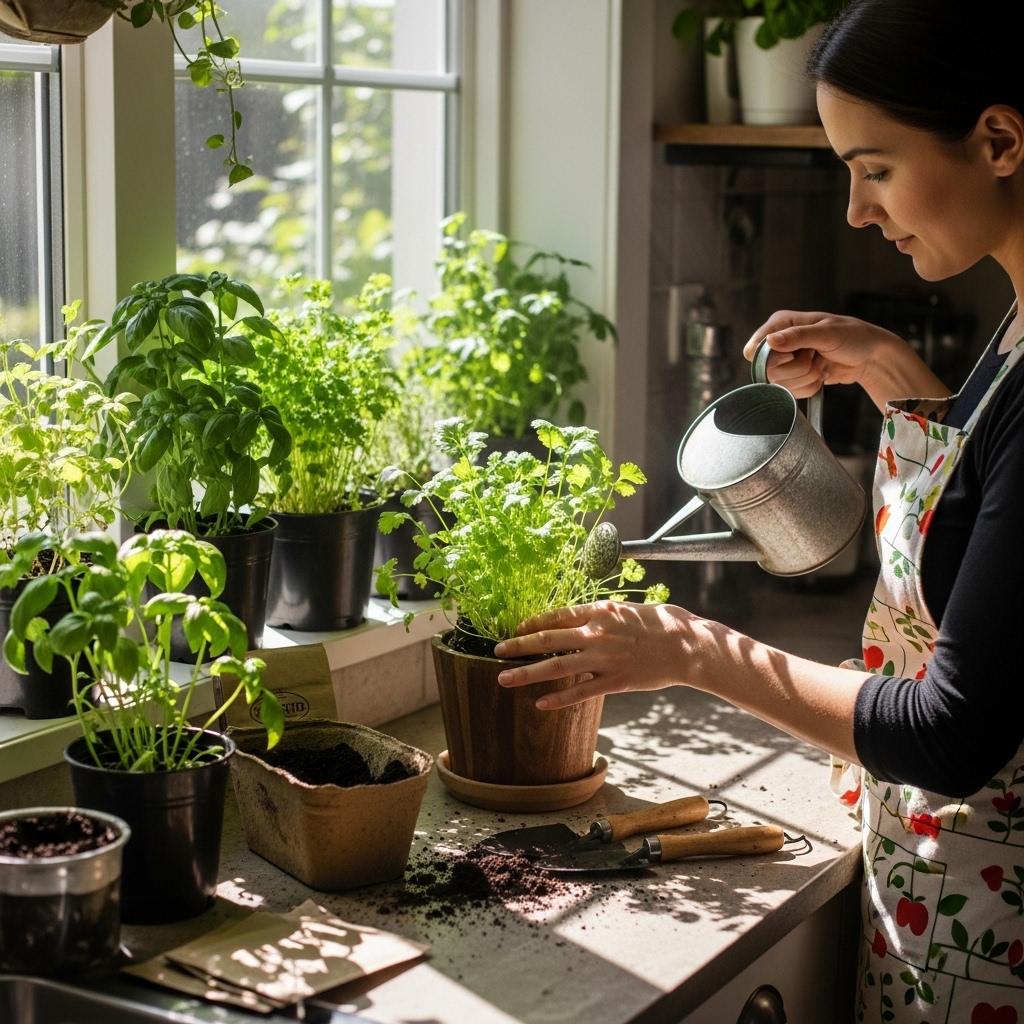
Coriander, also known as cilantro in its leaf form, is an herb that belongs to the Apiaceae family. I’ve learned that this versatile plant is not only cherished for its unique flavor but also for its aromatic leaves and seeds. The leaves are often used fresh in dishes, while the seeds are dried and used as a spice. Coriander has a storied history, dating back thousands of years, and is cultivated in various parts of the world. Growing it at home can be a rewarding experience, especially for food lovers like me who enjoy adding fresh herbs to their meals. If you’re looking for more tips on successfully growing cilantro, you can read How to Grow Cilantro Plants Successfully at Home.
Culinary Uses of Coriander
From my experience, coriander is incredibly versatile in the kitchen. I love using the fresh leaves in salads, salsas, and as toppings for tacos and curries. The seeds, on the other hand, are perfect for spice blends, pickling, and even baking. I remember the first time I added freshly chopped coriander to a homemade guacamole; it elevated the dish to a whole new level! It’s fascinating how this single plant can offer such a range of flavors and uses, from bright and refreshing to warm and nutty.
Health Benefits of Coriander
I’ve come to appreciate not just the taste of coriander but also its numerous health benefits. Coriander is packed with vitamins A, C, and K, and it contains antioxidants that can help reduce inflammation in the body. I’ve read that it may also assist in digestion and help lower blood sugar levels, making it a great herb to incorporate into our diets. Plus, the aroma of coriander is known to uplift the mood—a little bonus for anyone growing it at home!
Choosing the Right Variety of Coriander
Types of Coriander Plants
When I first started growing coriander, I quickly realized that not all coriander is created equal. There are two main types: leaf coriander (cilantro) and seed coriander. Leaf coriander is what we typically use for culinary purposes, while seed coriander is the dried fruit of the plant, which is used as a spice. I’ve experimented with both varieties, and I found that growing the leaf variety was particularly satisfying as I could harvest it frequently for fresh use.
Differences Between Cilantro and Coriander
It can be a bit confusing, but here’s how I differentiate between cilantro and coriander. Cilantro refers to the fresh leaves and stems of the coriander plant, while coriander refers to the seeds. I’ve had friends who were unsure about this and would often mix up the terms. If you find yourself in the same boat, just remember: when you’re chopping up those fresh green leaves, you’re using cilantro, but when you’re grinding those tiny seeds, that’s coriander. It’s a small detail but helps clarify recipes and cooking discussions! For a deeper understanding of this topic, you can refer to Is Cilantro and Coriander the Same Plant? Full Answer.
Ideal Growing Conditions for Coriander
Climate Requirements
I’ve noticed that coriander thrives in moderate climates, making it an ideal herb for many regions. It prefers temperatures between 60°F and 75°F (15°C to 24°C). In my case, I found that it can bolt (or go to seed) in hot weather, so I always aim to plant it in spring or fall. If you live in a warmer climate, consider placing it in partial shade to help it flourish. Understanding your local climate can make a significant difference in the success of your coriander plants.
Soil Type and Preparation
Getting the right soil is crucial for growing coriander. I’ve learned that it prefers well-draining soil rich in organic matter. If you can, mix in compost or well-rotted manure to boost soil fertility. I often test the soil moisture before planting; it should be damp but not soggy. If planting in pots, ensure that the containers have drainage holes to prevent root rot. Good soil preparation has always led to healthier plants in my experience.
Sunlight Exposure
Coriander loves sunlight but can also appreciate some shade, especially during the hottest part of the day. I typically plant mine in a spot that receives at least 4 to 5 hours of direct sunlight daily. If you’re growing it indoors, a south-facing window is often the best choice. I’ve found that providing the right amount of sunlight not only helps the plants grow but also enhances their flavor, making the effort totally worthwhile.
Planting Coriander Seeds
When to Plant Coriander
Timing has always been an essential factor in my gardening experience, and planting coriander is no different. I like to plant my coriander seeds in early spring or late summer. This timing allows the plants to grow during cooler months, helping them avoid the stress of heat, which can make them bolt. I remember one year I got a little eager and planted them too late in summer. The heat made them flower quickly, and I ended up with fewer leaves than I wanted. I’ve found that planting at the right time can really boost my harvest.
Seed Sowing Techniques
When it comes to sowing coriander seeds, I’ve learned a few techniques that make the process easier and more effective. First, I always soak my seeds overnight in water before planting. This helps to soften the seed coat and improves germination. I then prepare my garden bed or container by creating small furrows about 1/2 inch deep. I sprinkle the seeds along the furrow and cover them lightly with soil. After that, I gently pat down the soil to ensure good seed-to-soil contact, which I’ve found is crucial for proper germination.
Spacing and Depth Considerations
Getting the spacing right is something I’ve had to experiment with. Ideally, I like to space my coriander seeds about 6 inches apart to give them room to grow and spread. If I plant them too close together, the plants can become crowded, which affects their growth and flavor. When it comes to depth, I stick to about 1/4 to 1/2 inch deep. I’ve made the mistake of planting them too deep in the past, and that can hinder germination. Keeping these details in mind has helped me achieve a healthy and vibrant crop.
Watering and Maintenance
Watering Frequency and Techniques
When it comes to watering coriander, I’ve learned that consistency is key. I usually water my plants regularly, aiming for about an inch of water each week. During dry spells, I make sure to check the soil moisture. I like to stick my finger about an inch into the soil; if it feels dry, it’s time to water. I prefer watering in the morning to avoid evaporation, and I always try to water at the base of the plant rather than overhead, which can lead to fungal issues. This technique has helped my coriander thrive without the worry of overwatering.
Fertilizing Coriander Plants
Feeding my coriander plants has also been an essential part of my gardening routine. I usually apply a balanced, organic fertilizer about once a month, especially when I notice the plants are growing actively. I’ve found that too much fertilizer can lead to excessive leaf growth at the expense of flavor. A light hand is often best. Additionally, I like to top-dress with compost during the growing season. It’s a simple way to add nutrients while also improving soil structure, which I’ve seen has made a significant difference in my crop’s health.
Weed Control and Soil Health
Weeds can be a bit of a nuisance, and I’ve learned that keeping them at bay is crucial for the health of my coriander plants. I often find that mulching around the base of my plants helps suppress weed growth while retaining moisture in the soil. I use organic mulch like straw or wood chips, which also break down over time, enriching the soil. I also take the time to pull any weeds by hand, especially when they’re small, to prevent them from competing with my coriander for nutrients and water. This extra effort has paid off in healthier plants and a more productive garden.
Pest and Disease Management
Common Pests Affecting Coriander
As I’ve grown coriander, I’ve encountered a few pests that can be troublesome. Aphids and spider mites are two that I’ve noticed can wreak havoc on coriander plants if not dealt with promptly. I usually keep a close eye on my plants, especially the undersides of leaves, where these pests tend to hide. If I spot them, I’ll often spray a mixture of water and a few drops of dish soap to help control their numbers. I’ve found this method to be effective and safe for my plants.
Disease Prevention Strategies
Diseases can also be a concern when growing coriander. Fungal issues like powdery mildew have shown up in my garden, especially when humidity levels rise. I’ve learned that providing good air circulation around my plants helps prevent these problems. I ensure my plants aren’t overcrowded, and I prune any dead or yellowing leaves to promote air flow. I also try to avoid overhead watering to keep the foliage dry, which has significantly reduced disease occurrences.
Natural Remedies for Pests and Diseases
Whenever I encounter pests or disease, I prefer to use natural remedies first. For instance, neem oil has been a go-to for me; it’s effective against a wide range of pests without harming beneficial insects. I usually dilute it with water and spray it on affected areas. I’ve also experimented with homemade remedies like garlic sprays, which can deter pests while being easy to make. These natural solutions have helped me maintain a healthy garden without relying on harsh chemicals.
Harvesting Coriander
Signs That Coriander is Ready to Harvest
Harvesting coriander is one of the most rewarding moments in my gardening journey. I’ve learned to look for a few key indicators that tell me my plants are ready to be picked. Generally, I wait until the leaves are fully grown and vibrant green, which usually happens about 3 to 4 weeks after planting. I remember the first time I harvested; I was so excited to see those lush leaves ready for my kitchen! Another sign is when the stems start to thicken, indicating that the plant is mature. If I notice that the lower leaves are starting to yellow or if flowers begin to form, it’s a clear signal that I should act quickly and start harvesting before the plant bolts and focuses its energy on seed production.
How to Harvest Coriander Leaves
When it comes to harvesting coriander leaves, I’ve found that the best method is to use scissors or garden shears. This helps prevent damage to the plant, allowing it to continue growing. I usually snip off the outer leaves first, leaving the inner ones to continue developing. This way, I can enjoy a steady supply of fresh herbs for weeks. I often aim to harvest in the morning after the dew has dried, as I feel this helps preserve flavor and aroma. It’s also a great way to start my day, tending to my plants and gathering fresh ingredients for breakfast!
Harvesting Seeds for Future Planting
If you’re interested in saving seeds for future planting, I’ve learned that timing is crucial. Once the coriander flowers bloom and start to fade, they will produce seed pods. I typically monitor these closely and wait until they turn brown and dry on the plant. When this happens, I cut the entire stem and place it in a paper bag to catch any seeds that may fall out while I’m working. I remember the first time I did this; I was amazed at how many seeds I collected! After a few days in the bag, I gently shake it to release any remaining seeds, and then I store them in a cool, dry place for next season’s planting.
Storing and Using Your Homegrown Coriander
Best Practices for Storing Fresh Coriander
Once I’ve harvested my coriander, I want to ensure it stays fresh for as long as possible. I’ve found that the best way to store fresh leaves is to treat them like flowers. I trim the stems and place them in a jar of water, covering the leaves loosely with a plastic bag. This keeps them hydrated and crisp in the refrigerator for about a week. I remember the first time I tried this method; it worked wonders, and I was able to enjoy my fresh coriander without it wilting too quickly!
Drying and Preserving Coriander Seeds
For those times when I have an abundance of coriander seeds, I’ve discovered that drying them is a fantastic way to preserve their flavor. After collecting the seeds, I spread them out on a clean towel in a cool, dark place for a few days to ensure they’re completely dry. Once dried, I store them in airtight containers away from light and heat. I’ve found that this method keeps them flavorful for many months. Using dried seeds in cooking adds a warm, nutty flavor that always reminds me of summer days spent in the garden.
Cooking Tips and Recipe Ideas
Now that I have my fresh coriander leaves and dried seeds, I love experimenting with different recipes. I often toss fresh coriander into salads or use it as a garnish on curries and soups for a burst of flavor. One of my favorite dishes is a simple cilantro lime rice that pairs perfectly with grilled chicken or fish. I simply mix cooked rice with chopped coriander, lime juice, and zest for a refreshing side dish.
For the dried seeds, I enjoy grinding them with a mortar and pestle to release their essential oils. I then incorporate them into spice blends for making my own curries or seasoning roasted vegetables. The aroma that fills my kitchen is simply incredible! I’ve also enjoyed making homemade pickles where I add coriander seeds for an extra kick. Each time I cook with my homegrown coriander, I feel a deep sense of satisfaction knowing that I grew it myself.
Frequently Asked Questions
What is coriander and how is it used?
Coriander, also known as cilantro in its leaf form, is an herb from the Apiaceae family, prized for its unique flavor and aromatic leaves and seeds. The leaves are commonly used fresh in dishes, while the seeds are dried and used as a spice.
What are the health benefits of coriander?
Coriander is rich in vitamins A, C, and K, and contains antioxidants that may help reduce inflammation. It may assist in digestion and help lower blood sugar levels, while its aroma is known to uplift mood.
What are the main types of coriander plants?
There are two main types of coriander: leaf coriander (cilantro), which is used for culinary purposes, and seed coriander, which is the dried fruit used as a spice.
What are the ideal climate conditions for growing coriander?
Coriander thrives in moderate climates, preferring temperatures between 60°F and 75°F (15°C to 24°C). It can bolt in hot weather, so planting in spring or fall is recommended.
How should I prepare the soil for planting coriander?
Coriander prefers well-draining soil rich in organic matter. Mixing in compost or well-rotted manure can boost soil fertility, and ensuring the soil is damp but not soggy is crucial.
When is the best time to plant coriander seeds?
The best time to plant coriander seeds is in early spring or late summer, as this allows the plants to grow during cooler months and avoid the stress of heat.
How often should I water coriander plants?
Coriander plants should be watered regularly, aiming for about an inch of water each week. Checking soil moisture is important, and watering at the base of the plant is recommended to prevent fungal issues.
What pests and diseases should I watch out for when growing coriander?
Common pests affecting coriander include aphids and spider mites. Diseases like powdery mildew can also occur, especially in humid conditions. Maintaining good air circulation and avoiding overhead watering can help prevent these issues.
How can I tell when coriander is ready to be harvested?
Coriander is ready to harvest when the leaves are fully grown and vibrant green, typically 3 to 4 weeks after planting. Signs include thickening stems and yellowing lower leaves, indicating it’s time to act before the plant bolts.
What are the best practices for storing fresh coriander?
Fresh coriander should be treated like flowers: trim the stems and place them in a jar of water, covering the leaves loosely with a plastic bag to keep them hydrated and crisp in the refrigerator for about a week.