
Growing ginger plants at home can be a rewarding experience that allows you to enjoy fresh ginger for cooking and health purposes. With the right conditions and care, anyone can cultivate ginger successfully, even in small spaces. Read Interesting article: How to Grow Ginger Plants at Home (Simple Steps)
Understanding Ginger: An Overview
What is Ginger?
Ginger, scientifically known as Zingiber officinale, is a flowering plant native to Southeast Asia. The part we commonly use is the rhizome, which is the underground stem that grows horizontally. This spicy, aromatic root has been a staple in cooking and medicine for centuries, known for its unique flavor and numerous health benefits. I remember trying ginger tea for the first time and falling in love with its warm, earthy taste—it was a game-changer for my health routine.
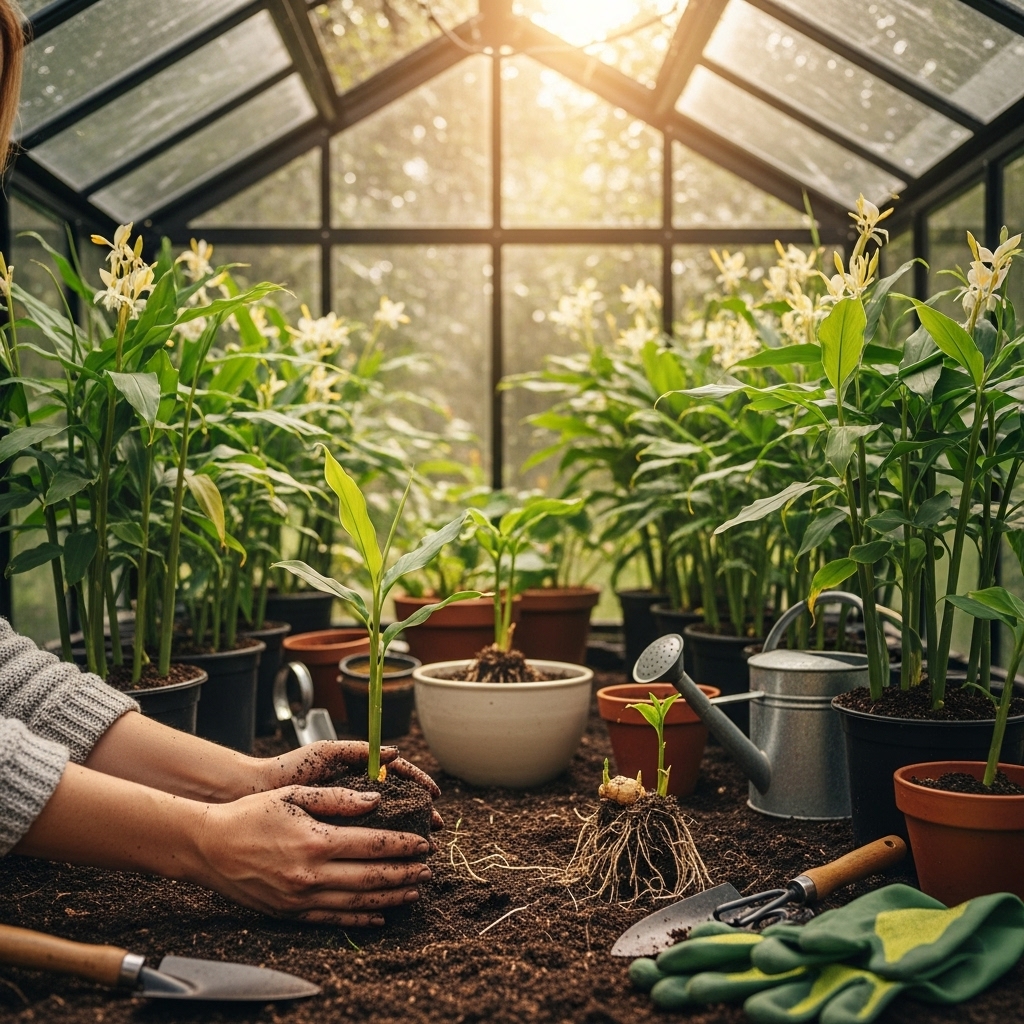
Benefits of Growing Ginger at Home
Growing ginger at home has several benefits. First, it gives you access to fresh ginger whenever you need it, which is especially handy for cooking or making herbal remedies. I’ve found that nothing compares to the taste of freshly harvested ginger compared to store-bought varieties. Additionally, growing your own ginger can be a cost-effective way to enjoy this flavorful root, as it can be pricey when purchased in stores. Beyond the culinary uses, ginger is known for its anti-inflammatory and antioxidant properties, which can help with digestion and nausea. Having it at home means I can easily brew ginger tea whenever I’m feeling under the weather. A Garden That Gives Back: The Ultimate Guide to Planting Your Own Ginger and Turmeric is also a great resource for those looking to expand their gardening knowledge.
Ginger Varieties for Home Growing
When it comes to selecting ginger varieties for home growing, I’ve discovered that there are several options available. The most commonly grown type is the common or culinary ginger. However, you might also consider other varieties like baby ginger, which is harvested young and has a milder flavor, perfect for salads and sushi. If you’re feeling adventurous, try growing turmeric, another member of the ginger family. Each variety has its unique taste and uses, and experimenting with them can be quite fun. I’ve even planted different types in my garden to see which ones thrive best.
Essential Requirements for Ginger Plant Growth
Climate and Temperature Needs
Ginger thrives in warm, humid conditions, which is something I’ve learned through my own gardening experience. Ideally, the temperature should be between 70°F to 85°F (21°C to 29°C) for optimal growth. If you live in a cooler climate, that shouldn’t discourage you. I’ve found that growing ginger indoors or in a greenhouse helps maintain the necessary warmth. Just be mindful that ginger can be sensitive to frost; bringing potted ginger plants inside when temperatures drop is crucial for their survival.
Soil Requirements
Creating the right soil mix is vital for ginger plants. They prefer well-draining, loamy soil rich in organic matter. I’ve always made it a point to mix compost or well-rotted manure into my potting mix, which not only improves drainage but also adds nutrients. The pH level should ideally be between 5.5 and 6.5. If you’re unsure about your garden soil, consider getting it tested. When I started growing ginger, I noticed a significant difference in growth when I used nutrient-rich soil compared to regular garden soil.
Watering Needs
Ginger loves moisture, but it’s essential to avoid waterlogging, which can lead to root rot. I’ve found that keeping the soil consistently moist (but not soggy) works best. A good rule of thumb is to water when the top inch of soil feels dry. Using mulch can help retain soil moisture and regulate temperature. I often use straw or wood chips as mulch, and it not only keeps my soil moist but also reduces weed growth. It’s a win-win!
Light Conditions
For ginger to flourish, it requires partial to full shade. I’ve noticed that too much direct sunlight can scorch the leaves, so I make sure to place my ginger plants where they receive filtered light or morning sun with afternoon shade. If you’re growing ginger indoors, a spot near a window that gets indirect sunlight is perfect. I’ve even used sheer curtains to diffuse harsh sunlight when needed, and my plants seem to love it.
Choosing the Right Ginger Rhizome
Where to Buy Ginger Rhizomes
Finding the right ginger rhizomes is crucial for starting your ginger garden. I’ve had success sourcing mine from local nurseries or garden centers. Sometimes, you can also find them in health food stores or Asian grocery stores, which often carry fresh, organic options. If you’re looking for specific varieties, online gardening stores can be a great resource as well. Just make sure to choose a reputable seller. I once bought rhizomes that were not fresh, and it delayed my planting considerably!
How to Select Healthy Rhizomes
When choosing ginger rhizomes, look for firm, plump pieces with tight skin. I always check for visible “eyes” or buds, as these indicate the potential for growth. Avoid any rhizomes that are soft, shriveled, or have signs of mold. In my experience, the healthier the rhizome, the better the plant will grow. Also, if you can, choose organic ginger to avoid pesticides and other chemicals that could affect your plants.
Planting Ginger: Step-by-Step Guide
Preparing the Soil
Before I even think about planting ginger, I make sure my soil is just right. I’ve learned that good soil preparation can make a world of difference in how well my ginger plants thrive. I start by clearing out any weeds or debris from the planting area. Then, I mix in plenty of organic matter like compost or aged manure. This not only enriches the soil but also improves its structure, helping with drainage. The last time I planted ginger, I added a bit of sand to enhance drainage, and I could see the benefits right away as the plants grew stronger.
Cutting and Prepping the Rhizome
Once my soil is ready, I turn my attention to the rhizome. I usually buy a larger piece and cut it into smaller sections to plant multiple plants. Each section should be at least a couple of inches long, and I always make sure it has at least one or two eyes. I’ve found that letting the cut ends dry out for a day or two before planting helps prevent rot. It’s amazing how such small steps can lead to healthy, vibrant plants. I remember the first time I did this, I was so excited to see the new growth after a few weeks!
Planting Techniques
When it’s time to plant, I dig shallow holes in the prepared soil, usually about 2 to 4 inches deep. I place the rhizome pieces in the holes with the eyes facing up. Then, I gently cover them with soil, being careful not to pack it too tightly. I’ve learned that ginger doesn’t like to be buried too deeply, as it can struggle to emerge. After planting, I give the area a light watering to settle the soil around the rhizomes. This step always makes me feel like I’m nurturing something special!
Spacing and Depth Considerations
Spacing is another important factor I pay attention to. I usually space my ginger rhizomes about 12 to 18 inches apart. This gives them enough room to grow without competing for nutrients. If I’m planting in containers, I make sure to choose pots that are at least 12 inches deep. I remember my first attempt at container gardening; I didn’t realize how much space ginger needed, and my plants became cramped. Now, I always make sure they have plenty of room to spread out. It’s rewarding to see them flourish!
Caring for Your Ginger Plants
Watering Schedule
Caring for ginger doesn’t stop once it’s planted. I’ve learned that a consistent watering schedule is crucial. I typically check my plants every few days, especially during hot spells. Keeping the soil moist but not waterlogged is key. I also like to water in the morning, which helps prevent issues with fungal diseases later on. I can’t stress enough how important it is to adjust my watering based on the weather; I’ve made mistakes before by not paying enough attention to how quickly the soil dries out during the summer.
Fertilizing Ginger Plants
Fertilizing is another step that I’ve found to be important in keeping my ginger healthy. I usually start fertilizing about a month after planting. I prefer using organic fertilizers, as they provide a slow release of nutrients. I typically apply a balanced fertilizer or one high in potassium, which I’ve learned helps with root development. It’s fascinating to see how a simple act of feeding my plants can lead to such vibrant growth; I truly enjoy the process of nurturing them.
Pest and Disease Management
No gardening journey is complete without a few challenges, and pests can be a real headache. I’ve encountered aphids and spider mites on my ginger plants before. When that happens, I like to spray a mild soap solution, which usually does the trick. I also make it a point to regularly inspect my plants for any signs of trouble. Being proactive has saved my ginger from becoming infested in the past. I believe that taking care of pests early on is crucial to maintaining healthy plants.
Pruning and Maintenance Tips
As my ginger plants begin to grow, I sometimes need to prune them a bit. If I notice any yellowing leaves or dead foliage, I remove them to encourage healthy growth. I’ve found that keeping the plants tidy not only improves their appearance but also helps reduce the risk of disease. Every time I prune, I feel like I’m giving my plants a little boost. Additionally, I make sure to keep the area around the plants weed-free, which can be a bit of work but is always worth it when I see how well my ginger grows.
Harvesting Ginger
When to Harvest Ginger
Harvesting ginger is one of the most exciting parts of the growing process for me. I’ve learned that the timing of the harvest can significantly affect the flavor and quality of the ginger. Generally, ginger is ready to harvest about 8 to 10 months after planting. I keep an eye out for the leaves, which start to yellow and die back when the ginger is mature. I remember my first harvest; the anticipation was palpable, and when I finally dug it up, I was amazed at how much I had grown. It felt like unearthing a treasure!
How to Harvest Ginger Without Damage
When it’s time to harvest, I take extra care to avoid damaging the rhizomes. I usually use a garden fork or a spade to gently lift the ginger from the soil. I start by loosening the soil around the plant and then carefully lifting it out. It’s important to be gentle, as I’ve accidentally pierced a rhizome in the past, and it can ruin the taste and cause spoilage. Once I have the rhizomes out, I brush off any excess soil. I love seeing the beautiful, earthy roots, and it makes all my hard work feel worthwhile!
Post-Harvest Care and Storage
After harvesting, I like to give my ginger a bit of care to ensure it stays fresh. I typically let the rhizomes dry for a few hours in a shaded area, which helps to heal any minor cuts. Once they’re dry, I store them in a cool, dark place. I’ve found that keeping ginger in a paper bag or a cloth sack helps maintain the right humidity levels, preventing it from drying out too quickly. I avoid plastic bags, as they can trap moisture and lead to mold. If I’ve harvested a large amount, I sometimes freeze it in small portions to use later. It’s so nice to have that fresh ginger flavor ready to go whenever I need it!
Common Challenges in Growing Ginger
Pest Identification and Control
Throughout my ginger-growing journey, I’ve faced a few pest challenges. One of the most common pests I’ve encountered is the aphid. These tiny bugs love to suck the sap from my plants, which can stunt growth and lead to yellowing leaves. I’ve found that regularly inspecting my plants helps catch these pests early. To control them, I use a mixture of water and a few drops of liquid soap in a spray bottle. This method is gentle yet effective, and I’ve seen great results without harming my plants.
Dealing with Fungal Diseases
Fungal diseases can also pose a threat to ginger plants. I’ve had to deal with issues like root rot and leaf spot diseases in the past. To combat these problems, I focus on maintaining proper watering habits. Overwatering is a common culprit for fungal issues, so I make sure the soil is well-draining and only water when necessary. If I notice any signs of disease, such as wilting or discolored leaves, I promptly remove affected areas to prevent the spread. Keeping my ginger plants healthy and free from stress is key to avoiding these challenges.
Overcoming Environmental Challenges
Environmental factors can also complicate growing ginger. I’ve had to adapt my gardening practices based on the climate conditions. For example, during extremely hot spells, I make it a priority to provide extra shade for my ginger plants. Using row covers or shade cloth can help protect them from scorching sun. Additionally, if I’m growing ginger indoors, I’ve learned to monitor the humidity levels closely. Using a humidifier can help mimic the tropical conditions that ginger loves. Adapting to these environmental challenges has made me a more resilient gardener, and each year, I feel more confident in my ability to grow healthy ginger.
Ginger Planting FAQs
How Long Does Ginger Take to Grow?
From my experience, ginger takes about 8 to 10 months to grow fully. I remember the excitement of waiting for those months to pass, checking on my plants regularly. It’s a bit of a wait, but the reward of fresh ginger at the end is absolutely worth it!
Can Ginger be Grown Indoors?
Absolutely! I’ve successfully grown ginger indoors, and it’s been a fantastic way to enjoy fresh ginger year-round. Just make sure you provide enough light and maintain the right humidity levels. I’ve found that a sunny windowsill is perfect, and using pots with good drainage is essential.
What to Do if Ginger Leaves are Turning Yellow?
Yellowing leaves can be a sign of various issues. In my experience, it can be due to overwatering, nutrient deficiencies, or even pests. If I notice yellow leaves, I first check my watering schedule and adjust accordingly. Additionally, I make sure to inspect for pests and consider adding a balanced fertilizer if I suspect a nutrient issue.
Tips for Growing Ginger in Containers
If you’re growing ginger in containers, I recommend using pots that are at least 12 inches deep to give the roots enough room to grow. Be sure to use a well-draining potting mix and keep the soil consistently moist. I’ve enjoyed experimenting with container gardening, and it allows for flexibility. I can move my ginger plants around to catch the right light or protect them from harsh weather, which has made all the difference in their growth!
Frequently Asked Questions
What is ginger and where does it come from?
Ginger, scientifically known as Zingiber officinale, is a flowering plant native to Southeast Asia. The part commonly used is the rhizome, which is the underground stem that grows horizontally.
What are the benefits of growing ginger at home?
Growing ginger at home provides access to fresh ginger for cooking and herbal remedies, is cost-effective, and offers health benefits such as anti-inflammatory and antioxidant properties.
What climate and temperature conditions are ideal for growing ginger?
Ginger thrives in warm, humid conditions with an ideal temperature range of 70°F to 85°F (21°C to 29°C). It is sensitive to frost, so indoors or greenhouse growing may be necessary in cooler climates.
What type of soil is best for growing ginger?
Ginger prefers well-draining, loamy soil rich in organic matter, with a pH level ideally between 5.5 and 6.5. Mixing in compost or well-rotted manure improves drainage and adds nutrients.
How do you choose healthy ginger rhizomes for planting?
When selecting ginger rhizomes, look for firm, plump pieces with tight skin and visible “eyes” or buds. Avoid soft, shriveled rhizomes or those with signs of mold.
How long does it take for ginger to grow before harvesting?
Ginger typically takes about 8 to 10 months to grow fully. The leaves will start to yellow and die back when the ginger is mature and ready for harvesting.
Can ginger be grown indoors?
Yes, ginger can be successfully grown indoors. It requires sufficient light and humidity, with a sunny windowsill being an ideal location.
What should you do if ginger leaves are turning yellow?
Yellowing leaves can indicate overwatering, nutrient deficiencies, or pests. Check the watering schedule, inspect for pests, and consider adding a balanced fertilizer if needed.
What are some tips for growing ginger in containers?
When growing ginger in containers, use pots that are at least 12 inches deep, ensure a well-draining potting mix, and keep the soil consistently moist to support healthy growth.
How should ginger be harvested to avoid damage?
To harvest ginger without damage, use a garden fork or spade to gently lift the rhizomes from the soil, being careful to avoid piercing them, and brush off any excess soil afterward.