
Growing ginger root at home is a rewarding experience that can provide you with fresh, flavorful ginger for cooking and health benefits. With a little understanding of its needs, anyone can cultivate this aromatic plant in their kitchen garden. For those interested in similar plants, you might also explore How to Grow Haldi (Turmeric) Plant at Home.
Overview of Growing Ginger Root at Home
What is Ginger Root?
Ginger root, scientifically known as Zingiber officinale, is a flowering plant whose rhizome (the underground part) is widely used as a spice and for its medicinal properties. I remember the first time I used fresh ginger in a recipe; the aroma was so vibrant and the flavor was far superior to any dried version I had ever tried. Known for its warm, spicy taste, ginger is a staple in many cuisines around the world, from Asian stir-fries to Indian curries. It’s also recognized for its numerous health benefits, making it a popular choice for natural remedies.
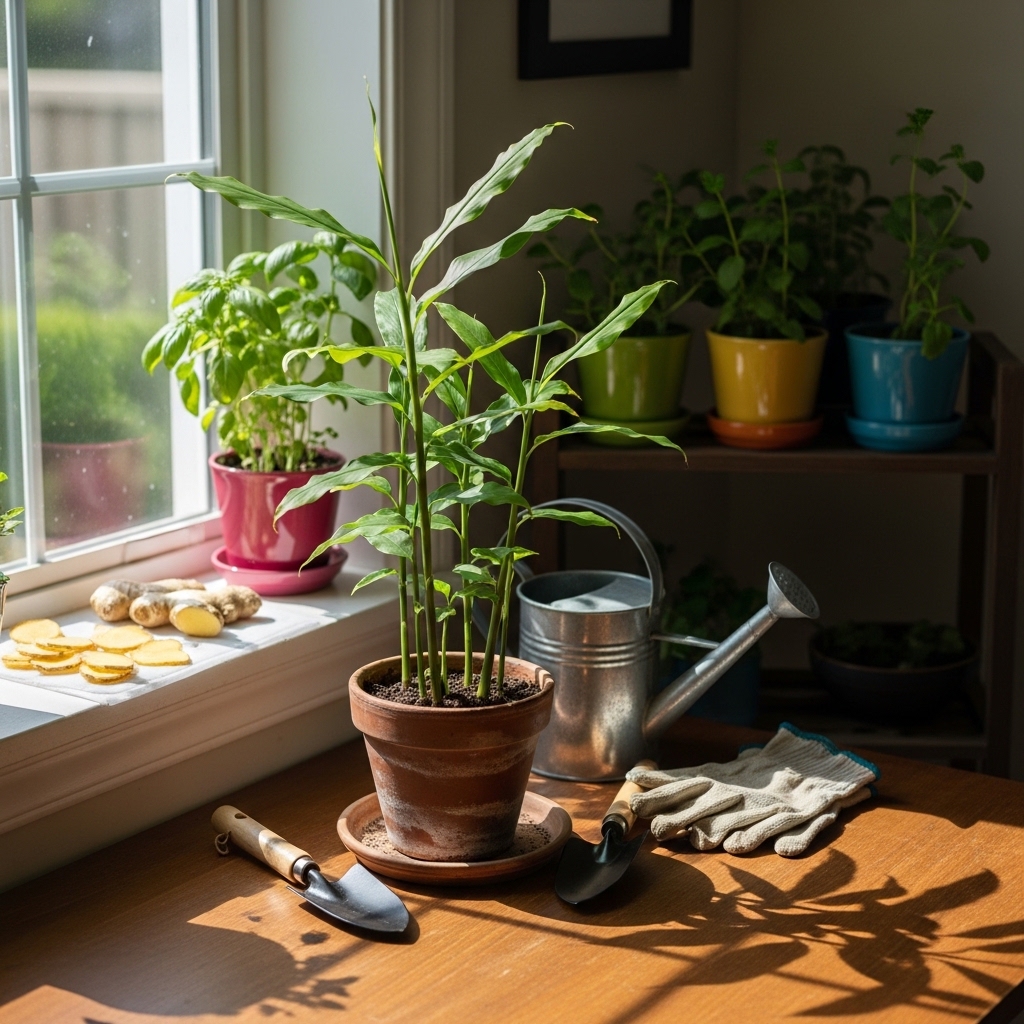
Benefits of Growing Ginger at Home
Growing ginger at home can be incredibly fulfilling. For one, the taste of home-grown ginger is unparalleled compared to store-bought options. I’ve found that when I harvest my own ginger, the flavor is fresher and more potent. Plus, having ginger on hand means I can easily whip up homemade ginger tea or add it to various dishes whenever the mood strikes me.
Beyond culinary uses, growing ginger also offers health benefits. It’s known to aid digestion, reduce inflammation, and even boost the immune system. By growing it yourself, you have access to a natural remedy right at your fingertips. I’ve even noticed that using fresh ginger helps in alleviating a cold or upset stomach much quicker than over-the-counter medications.
Additionally, cultivating ginger is a relatively low-maintenance endeavor. It can thrive in pots, making it perfect for those of us with limited outdoor space. I’ve seen it grow beautifully on my balcony, which makes it a great option for urban gardeners. The satisfaction of nurturing a plant from a small rhizome to a mature root is genuinely rewarding.
Choosing the Right Ginger Variety
Common Ginger Varieties for Home Gardening
When it comes to growing ginger, not all varieties are created equal. I’ve learned that the most common type for home gardening is the culinary ginger, but there are other varieties worth considering based on what you plan to use it for. The most popular culinary variety is the common ginger (Zingiber officinale), which is what you’ll usually find in grocery stores.
Another variety that has caught my attention is the Thai ginger, also known as Galangal. It has a distinct flavor and is often used in Southeast Asian cooking. If you’re adventurous, you might want to try growing turmeric, which is closely related to ginger and has its own unique flavor and health benefits. For more on turmeric, check out How to Grow Haldi (Turmeric) Plant at Home.
The choice of variety will depend on your culinary preferences and how you plan to use the ginger in your kitchen. If you love Asian cuisine, for instance, you might want to stick with the common ginger, while those interested in herbal remedies might explore other types.
Differences Between Culinary and Medicinal Ginger
Culinary ginger and medicinal ginger may look similar, but they have different uses and properties. From my experience, culinary ginger tends to be milder and is often used in cooking and baking, while medicinal ginger varieties are usually stronger and more aromatic, making them ideal for teas and herbal remedies.
For example, I’ve found that the medicinal varieties, such as the ginger used in traditional Ayurvedic practices, have higher concentrations of gingerol, the compound responsible for many of ginger’s health benefits. If you want to cultivate ginger for its health properties, it might be worth researching specific medicinal varieties.
In general, I recommend starting with culinary ginger if you’re new to growing this plant. It’s versatile and can be used in a variety of dishes, making it a great addition to any home garden.
Preparing to Grow Ginger
Required Tools and Supplies
Before diving into planting ginger, it’s essential to gather the right tools and supplies. I remember my first attempt at growing ginger; I was so excited that I jumped right in without preparing. Don’t make the same mistake!
Here’s a quick list of what you’ll need:
- Fresh ginger rhizome (available at grocery stores or garden centers)
- Containers or pots with drainage holes
- Potting soil or compost
- Watering can or spray bottle
- Labels (optional, but helpful for tracking different varieties)
- Fertilizer (optional, but can boost growth)
Gathering these items beforehand will help you stay organized and make the planting process smoother.
Choosing the Right Container
Choosing the right container is crucial for growing ginger. I’ve experimented with various pots, and I’ve found that a wide, shallow container works best for ginger plants since they prefer to spread rather than grow deep. Make sure the pot has drainage holes to prevent waterlogging, which can lead to root rot.
When selecting a container, consider the size of the ginger rhizome you plan to use. A pot that is at least 12 inches in diameter should give your ginger enough room to grow. I’ve also noticed that using a terracotta pot helps with moisture regulation, which is beneficial for ginger’s growth.
Optimal Soil Mixture for Ginger
The soil you choose for your ginger is another key factor in its success. Ginger thrives in rich, well-draining soil. I’ve always favored a mix of potting soil, compost, and a bit of sand or perlite to enhance drainage. This combination not only provides nutrients but also ensures that the roots don’t sit in water.
You can create your own optimal soil mix by combining:
- 2 parts potting soil
- 1 part compost
- 1 part sand or perlite
This mixture has worked wonders for me, and I’ve seen my ginger plants grow robustly. Before planting, be sure to moisten the soil, which will help your rhizome settle in and start to sprout.
How to Plant Ginger Root
When to Plant Ginger Root
Timing is essential when it comes to planting ginger. I’ve learned that ginger loves warmth, so the best time to plant is in the spring when the soil temperature reaches at least 60°F (15°C). In my experience, planting ginger too early can lead to poor growth, as the roots may rot in cold, damp soil. Conversely, waiting too long into the summer can also hinder its growth.
Step-by-Step Planting Instructions
Planting ginger is quite straightforward, and I love the simplicity of the process. Here’s a step-by-step guide based on what has worked for me:
- Start by selecting a healthy ginger rhizome. Look for one with tight skin and visible eyes (the little bumps where shoots will emerge).
- Cut the rhizome into pieces, ensuring each piece has at least one eye. I usually aim for sections that are about 2-3 inches long.
- Let the cut pieces sit at room temperature for a day or two to allow the cuts to heal. This helps prevent rot.
- Fill your container with the prepared soil mixture and make a shallow hole about 2 inches deep.
- Place the ginger piece in the hole with the eye facing up, then cover it lightly with soil.
- Water gently to moisten the soil without soaking it.
- Label the container if you’re growing different varieties.
I’ve found that following these steps not only gives me a successful crop but also makes the planting experience enjoyable. For more detailed instructions, you can read How to Plant Ginger Root for Fast Sprouting.
Spacing and Depth for Ginger Rhizomes
Spacing is vital to ensure your ginger plants have enough room to grow. I generally space my ginger rhizomes about 8 inches apart in the container to allow for airflow and nutrient access. If you’re planting in an outdoor garden bed, a spacing of 12 inches is ideal.
When it comes to depth, remember that ginger doesn’t need to be buried too deeply. I typically plant the rhizome about 2 inches deep, as this allows the shoots to emerge easily. I’ve noticed that planting too deep can delay growth, so it’s best to stick to this guideline for optimal results.
In the next section, we’ll talk about creating the perfect growing conditions for your ginger plants, which is essential for their success. From light requirements to watering guidelines, knowing what ginger needs will help you cultivate a thriving garden.
Optimal Growing Conditions
Light Requirements for Ginger Plants
Getting the right amount of light is crucial for growing ginger successfully. I’ve discovered that ginger prefers bright, indirect sunlight. While it can tolerate some direct sunlight, too much can scorch the leaves. In my experience, placing my ginger pots near a window that gets dappled sunlight works wonders. If you don’t have a spot with natural light, consider using a grow light. I’ve experimented with this, and it really helps to promote healthy growth, especially during the shorter days of winter.
When growing ginger indoors, I recommend rotating the pots every few weeks. This helps ensure that all sides of the plant receive equal light and promotes even growth. I’ve noticed that my ginger plants become more balanced and less leggy when I do this. If you notice the leaves stretching towards the light, that’s a sign they need more sunlight.
Temperature and Humidity Needs
Ginger thrives in warm and humid conditions, which is something I learned early on. Ideally, ginger likes temperatures between 70°F to 85°F (21°C to 29°C). I remember a time when I left my ginger outside during a cool night, and it didn’t appreciate it at all. The leaves started to droop, so I quickly brought it back inside to a warmer environment. If you live in a cooler climate, growing ginger indoors can be a great option.
Humidity is equally important. Ginger loves moisture, so I make it a point to mist my plants regularly. If your home is particularly dry, you might want to consider using a humidity tray—just fill a shallow tray with water and pebbles, then place your pots on top. This creates a humid microclimate around the plants, which I’ve found boosts their overall health and vitality.
Watering Guidelines for Ginger
Watering ginger can be a bit tricky, but I’ve learned a few tricks along the way. Ginger likes to be kept evenly moist, but it doesn’t enjoy sitting in water. I usually check the top inch of the soil—if it feels dry, it’s time to water. I’ve found that watering deeply but infrequently works best. This encourages the roots to grow deeper into the soil, which is essential for a healthy plant.
During the growing season, I tend to water my ginger every few days, but when the colder months come, I reduce the frequency. It’s important to pay attention to the plant’s needs, as overwatering can lead to root rot. I recall a time when I was overly generous with the water, and my ginger plants suffered because of it. Now, I’ve become more attuned to their signals and adjust accordingly.
Fertilizing and Caring for Ginger Plants
Best Fertilizers for Ginger Growth
Fertilizing is another key aspect of ginger care that I’ve come to appreciate. Ginger is a heavy feeder, which means it benefits from regular nutrients. I prefer using a balanced, organic fertilizer to keep my plants healthy. During the growing season, I typically fertilize every four to six weeks. I’ve had great success with liquid fertilizers, as they are easy to apply and absorb quickly.
For those who like to take a more natural approach, compost is an excellent choice. I’ve mixed in compost with my potting soil before planting, and it has made a significant difference in the growth of my ginger. If you can, look for fertilizers that are high in potassium, as this element promotes healthy root development. I usually look for fertilizers labeled for root vegetables, as they often have the right nutrient balance for ginger.
Pest and Disease Management
Like any plant, ginger is susceptible to pests and diseases. I’ve encountered a few issues myself, most notably with aphids and spider mites. One method I’ve found effective is to regularly inspect my plants for any signs of pests. If I notice any, I immediately wash the leaves with a gentle spray of water to dislodge them. For a more targeted approach, I’ve used neem oil, which is both effective and safe for my plants.
When it comes to diseases, root rot is a common concern, especially if the soil is too wet. I learned the hard way that ensuring proper drainage and avoiding overwatering is crucial. If you ever notice yellowing leaves or stunted growth, it might be a sign of root rot. In those cases, I’ve found it helpful to repot the ginger in fresh, dry soil and cut back on watering until the plant rebounds.
Pruning and Maintenance Tips
Pruning ginger isn’t always necessary, but it can help promote healthier growth. I usually prune any dead or yellowing leaves, as this allows the plant to focus its energy on new growth. Additionally, I’ve learned that removing spent flowers can also help maintain the plant’s vitality. It’s a simple step that makes a noticeable difference in how vibrant my ginger plants look.
Regular maintenance, such as wiping down the leaves to remove dust, can also improve the plant’s ability to photosynthesize. I enjoy taking a few moments each week to care for my ginger plants; it’s like a mini mindfulness exercise that brings me joy. Overall, I’ve found that dedicating time to care for my ginger makes all the difference in its growth and health.
Frequently Asked Questions
What is ginger root and why is it popular?
Ginger root, scientifically known as Zingiber officinale, is a flowering plant whose rhizome is widely used as a spice and for its medicinal properties. It is popular for its warm, spicy taste and numerous health benefits, making it a staple in many cuisines and a choice for natural remedies.
What are the benefits of growing ginger at home?
Growing ginger at home provides fresh, flavorful ginger that is superior to store-bought options. It allows for easy preparation of homemade ginger tea and offers health benefits such as aiding digestion, reducing inflammation, and boosting the immune system.
What are the common varieties of ginger for home gardening?
The most common type for home gardening is culinary ginger (Zingiber officinale). Other varieties include Thai ginger (Galangal) and turmeric, which are worth considering based on culinary preferences and intended uses.
What tools and supplies do I need to grow ginger?
You will need fresh ginger rhizome, containers or pots with drainage holes, potting soil or compost, a watering can or spray bottle, optional labels, and optional fertilizer for optimal growth.
What is the best time to plant ginger root?
The best time to plant ginger is in spring when the soil temperature reaches at least 60°F (15°C). Planting during the right temperature ensures healthy growth and prevents root rot.
How deep should I plant ginger rhizomes?
Ginger rhizomes should be planted about 2 inches deep. This depth allows the shoots to emerge easily and prevents delays in growth.
What are the light requirements for growing ginger?
Ginger prefers bright, indirect sunlight. While it can tolerate some direct sunlight, too much can scorch the leaves. Using grow lights is also an option if natural light is insufficient.
How often should I water ginger plants?
Ginger likes to be kept evenly moist but does not enjoy sitting in water. Watering deeply but infrequently is best, usually every few days during the growing season and less frequently in colder months.
What type of fertilizer is best for ginger growth?
Ginger benefits from a balanced, organic fertilizer that is high in potassium. Fertilizing every four to six weeks during the growing season is recommended, and compost can also be mixed into the soil for added nutrients.
What should I do if my ginger plant shows signs of pests or diseases?
Regularly inspect for pests and wash leaves with water if needed. Neem oil can be used for targeted pest control. To manage diseases like root rot, ensure proper drainage, avoid overwatering, and consider repotting in fresh, dry soil if symptoms appear.