
Growing lavender successfully requires the right variety, ideal growing conditions, and proper care throughout its life cycle. I’ve found that with a little attention, you can cultivate this beautiful and aromatic plant in your own garden. If you’re looking for specific varieties, Where to Buy Lavender Plants (Best Places) can help you find the best options.
Understanding Lavender: An Overview
What is Lavender?
Lavender is a fragrant flowering plant belonging to the mint family, known for its vibrant purple flowers and soothing scent. It’s not just a pretty plant; it’s also valued for its essential oils and culinary uses. I remember the first time I caught a whiff of lavender in a friend’s garden—it was immediately calming and refreshing. That aromatic experience inspired me to grow my own lavender, and I haven’t looked back since!
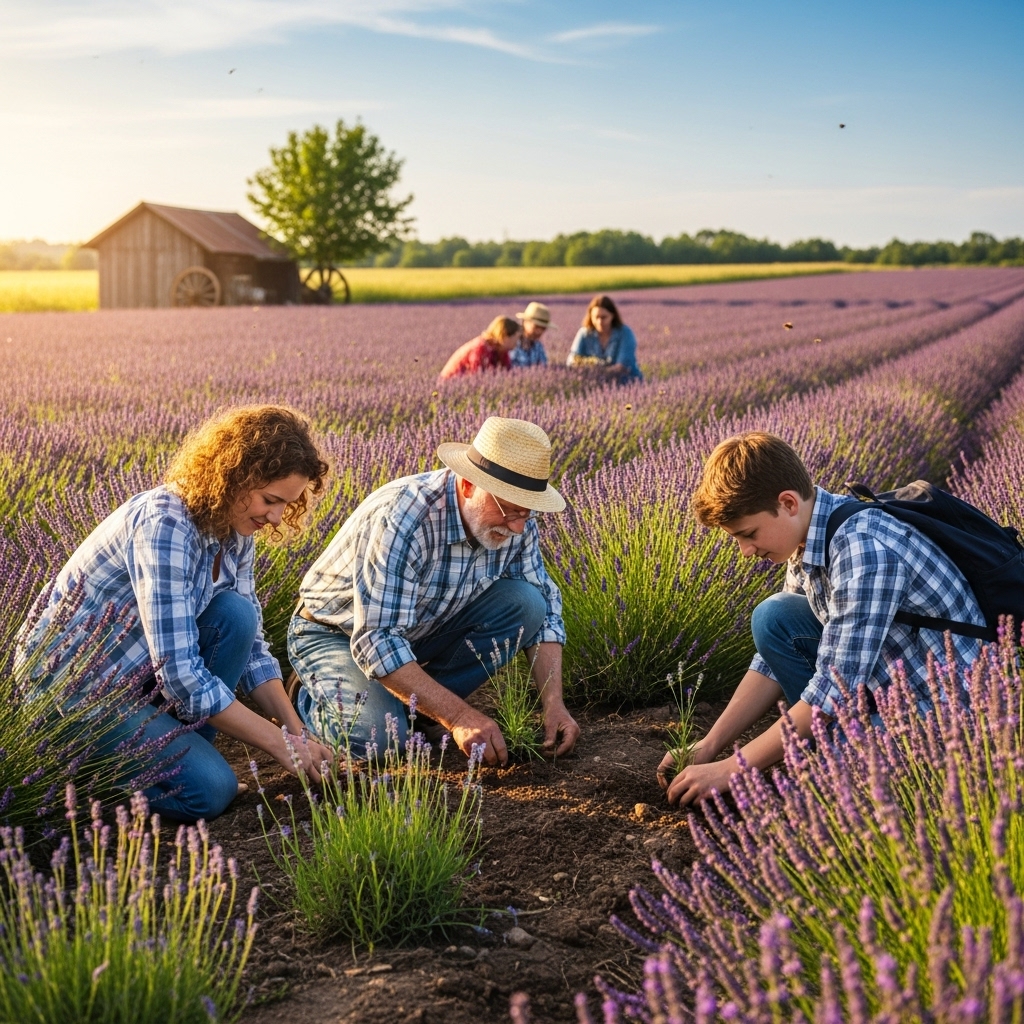
Types of Lavender Plants
There are several varieties of lavender, each with its unique characteristics and uses. The most common types are English lavender, French lavender, and Spanish lavender. Each variety has its distinct aroma, flowering time, and resilience to climate conditions. I’ve tried my hand at growing different types, and I’ve found that their differences not only affect gardening techniques but also how they fit into my garden aesthetic.
- English Lavender (Lavandula angustifolia): This is perhaps the most popular type, known for its sweet fragrance and hardiness.
- French Lavender (Lavandula dentata): This variety has a more pronounced scent and unique serrated leaves, often preferred for its ornamental value.
- Spanish Lavender (Lavandula stoechas): Characterized by its tufted flowers and unique shape, this type adds a whimsical touch to gardens.
Benefits of Growing Lavender
Growing lavender comes with a variety of benefits that extend beyond its beauty. Lavender is not only a great addition to any garden, but it also attracts pollinators like bees and butterflies, which I’ve loved observing in my garden. Plus, its scent is known to have calming effects, making it a popular choice for aromatherapy. Personally, I often create soothing lavender sachets and use the dried flowers in my cooking, which has added a delightful twist to my dishes.
In addition to its aesthetic and sensory appeal, lavender offers practical benefits. It can be used to make essential oils, natural remedies, and even as an insect repellent. When I realized how versatile lavender is, it motivated me to incorporate it into many aspects of my life, from cooking to relaxation rituals. For those interested in natural pest control, consider reading about the Best Plants That Deter Mosquitoes (Natural Repellents).
Choosing the Right Lavender Variety
English Lavender
English lavender is the most widely grown type, celebrated for its hardiness and sweet aroma. It thrives in cooler climates and can survive winter frosts, which is great for those of us in temperate regions. I think if you’re looking for a reliable choice that offers both beauty and utility, English lavender is a fantastic option. Its flowers are perfect for drying, making sachets, or even adding to culinary dishes.
French Lavender
French lavender is more heat-tolerant and has a stronger, more pungent fragrance than its English cousin. While it can be a little more finicky in colder climates, it still makes an attractive choice for warmer gardens. I’ve found that French lavender adds a unique flair to my garden, especially with its distinctive foliage. If you’re in a warm region, I recommend giving this variety a try.
Spanish Lavender
Spanish lavender, with its unique flower shape and tufted blooms, brings a whimsical touch to any garden. It flourishes in hot, dry climates, making it perfect for Mediterranean-style gardens. I remember the first time I saw Spanish lavender blooming; it stood out with its vibrant colors and unique flower spikes. If you’re looking for something eye-catching, this might be the variety for you!
Hybrids and Their Characteristics
Hybrid lavenders often combine the best traits of their parent varieties, offering a blend of fragrance, hardiness, and unique visual appeal. One hybrid that I’ve enjoyed is the Lavandula x intermedia, commonly known as lavandin. It produces larger flowers and a more potent scent, making it a favorite for oil production. Hybrids can be an excellent choice if you’re looking for something a bit different or more resilient, particularly in diverse climates.
Choosing the right lavender variety is essential for success. I’ve learned that understanding your garden’s specific conditions—like climate, soil type, and sunlight—can help you select the ideal lavender that will thrive and bring joy to your space. If you want to ensure safety for your pets, you might want to check out What Plants Are Not Toxic to Cats? Safe Plant List.
Ideal Growing Conditions for Lavender
Soil Requirements
When I first started growing lavender, I realized that soil quality plays a significant role in the health of the plants. Lavender prefers well-draining soil that’s somewhat sandy or rocky. I learned that heavy clay soils can lead to root rot, which is a common issue for many gardeners. My favorite soil mix includes a combination of loamy soil with sand or small gravel to ensure good drainage. If your soil is too rich, it can actually encourage lush foliage at the expense of flowers, which is not what we want! Testing your soil’s pH is also a smart move; lavender thrives best in slightly alkaline conditions, ideally between 6.5 and 7.5. After adjusting my soil composition, I noticed a remarkable difference in the vigor of my lavender plants.
Light Requirements
Light is another critical factor for lavender. These plants are sun worshippers! I’ve found that they flourish in full sunlight, so I try to give them at least 6 to 8 hours of direct sunlight each day. In my garden, I’ve noticed that the lavender closest to the southern exposure blooms more vibrantly than those in partially shaded spots. If you’re limited in sunlight, consider placing your lavender plants in containers that you can move around to maximize their sun exposure. The more light they receive, the more robust and aromatic they become.
Temperature and Climate Considerations
Temperature and climate can vary widely depending on where you live, and this can affect your lavender’s growth. Most lavender varieties thrive in warm, dry climates. I live in an area with cold winters, which taught me the importance of selecting the right variety for my region. English lavender, for example, has been my go-to because it withstands frost better than others. However, I’ve also experimented with French and Spanish lavenders in microclimates where they received extra warmth. If you live in a particularly humid area, you might want to look for varieties that are more tolerant of moisture. I’ve learned that understanding your local climate can help you choose and care for your lavender more effectively.
Spacing and Planting Arrangement
Spacing is crucial when it comes to growing lavender. I remember my first attempt when I planted the seedlings too close together, thinking they would fill in nicely. Instead, they became crowded, leading to poor air circulation and increased susceptibility to diseases. From my experience, a spacing of about 2 to 3 feet between each plant allows them to grow comfortably and thrive. I also like to arrange my lavender in rows or clusters, which not only looks beautiful but also makes maintenance easier. This arrangement helps in ensuring that each plant gets enough sunlight and airflow, which is essential for their health.
Planting Lavender: Step-by-Step Guide
When to Plant Lavender
Timing is everything when it comes to planting lavender. I’ve found that spring is the perfect season to get started, after the last frost has passed. If you’re planting from seeds, you might want to start them indoors a few weeks earlier to give them a head start. I usually wait until the soil warms up, which encourages better germination and growth. In my experience, this timing has led to healthier plants that bloom beautifully as the season progresses.
How to Prepare Your Soil
Preparing the soil is one of my favorite parts of the planting process. I typically start by loosening the soil to about 12 inches deep, which helps the roots establish themselves easily. If you’re working with clay soil, adding compost or sand can help improve drainage. I also mix in some lime if my soil is too acidic, bringing it into that ideal pH range. After preparing the soil, I like to rake it smooth, ensuring it’s free of rocks and debris. This little effort makes a big difference in how well the plants perform, as I’ve learned through trial and error.
Transplanting versus Direct Seeding
When it comes to planting lavender, I’ve tried both transplanting seedlings and direct seeding, and I’ve noticed some differences. Transplanting seedlings gives you a jumpstart since you can ensure they’re healthy before moving them into the garden. I usually opt for this method because it allows me to control their growth and spacing. Direct seeding can be rewarding as well, but it requires a bit more patience since you’re waiting for the seeds to germinate. If you choose to direct seed, make sure to thin out the seedlings once they sprout, so they have enough space to grow.
Watering After Planting
After planting, I always give my new lavender plants a good soak. However, I’ve learned that lavender doesn’t like to sit in water. To avoid this, I water them just enough to establish their roots, then let the soil dry out a bit before the next watering. As they grow, I gradually reduce the frequency of watering, allowing them to adapt to drier conditions. This approach has worked well for me, and I’ve been pleased to see my lavender thrive with this careful watering strategy.
Caring for Your Lavender Plants
Watering Practices
Once my lavender plants are established, I’ve learned that watering becomes a bit of an art. Lavender is quite drought-tolerant, which is one of its appealing traits. I’ve found that it’s best to adopt a “less is more” approach when it comes to watering. In the early days after planting, I water them generously but allow the top inch of soil to dry out completely before watering again. Over time, I’ve noticed that lavender prefers a drier environment, and this method helps develop a strong root system. When summer rolls around, I usually water only during prolonged dry spells, and my plants seem to thrive with this routine.
Fertilization Needs
Fertilizing lavender can be a bit tricky because too much can lead to lush growth that sacrifices blooms. In my experience, I’ve found that lavender doesn’t need much fertilizer at all. I usually apply a light application of a balanced, slow-release fertilizer in early spring, just as the plants start to grow. If you’re working with nutrient-rich soil, you might even skip fertilization altogether. I also like to add a little compost once a year to keep the soil healthy and support my plants without overwhelming them. This simple approach has kept my lavender healthy and blooming beautifully.
Pruning Techniques
Pruning has been one of the most rewarding aspects of lavender care for me. Not only does it help maintain the plant’s shape, but it also encourages new growth and improves air circulation. I usually prune my lavender in early spring, just before the new growth begins. I cut back about one-third of the plant, focusing on removing any dead or woody stems. The first time I pruned my lavender, I was a bit nervous, but I quickly learned that regular pruning helps produce more flowers and keeps the plants looking tidy. For me, it’s a chance to connect with my garden, and seeing those fresh, new shoots emerging afterward is incredibly satisfying.
Pest and Disease Management
While lavender is generally resilient, it can still face some pest and disease challenges. I’ve encountered issues with aphids and whiteflies, which can affect the plants if left unchecked. I’ve found that keeping an eye out for any signs of pests is crucial. If I notice any, I tend to spray them off with a strong jet of water or apply a natural insecticidal soap that’s safe for my plants. Additionally, ensuring good air circulation through proper spacing and pruning has helped prevent fungal diseases, which lavender can be prone to in humid conditions. My experience has shown me that being proactive is key to keeping my lavender healthy.
Harvesting Lavender
When to Harvest Lavender
Harvesting lavender is one of the most exciting parts of the growing process. Over the years, I’ve learned that timing is everything. I typically wait until the flowers are just starting to open, as this is when their fragrance is at its peak. I remember my first harvest; I was so eager I almost jumped the gun! However, I quickly realized that waiting for the perfect moment makes a huge difference in the quality of the lavender I collect. For me, late morning is the best time to harvest, after the dew has dried but before the heat of the day sets in, which helps preserve the essential oils.
How to Harvest Lavender
When it comes to the actual harvesting process, I like to use sharp scissors or pruners for a clean cut. I typically cut stems about 12 to 18 inches long, ensuring that I leave enough foliage for the plant to continue growing. I’ll often gather small bunches and tie them with twine, which makes it easier for drying later. The first time I harvested, I felt so accomplished! It was a lovely moment to connect with the fruits of my labor, and I felt a sense of pride in what I had grown.
Drying and Storing Lavender
Drying lavender is a fantastic way to preserve its beauty and fragrance. After harvesting, I hang the tied bundles upside down in a cool, dark, and dry place. I’ve found that this method helps maintain the vibrant color and aroma of the flowers. Once dried, I remove the flowers from the stems and store them in airtight containers away from direct sunlight. I love using dried lavender in sachets, potpourri, or even as a culinary ingredient. The best part is that the scent stays with me, reminding me of the sunny days spent in my garden.
Frequently Asked Questions
What is lavender?
Lavender is a fragrant flowering plant belonging to the mint family, known for its vibrant purple flowers and soothing scent. It is valued for its essential oils and culinary uses.
What are the common types of lavender plants?
The most common types of lavender are English lavender, French lavender, and Spanish lavender. Each variety has its unique characteristics regarding aroma, flowering time, and climate resilience.
What are the benefits of growing lavender?
Growing lavender attracts pollinators like bees and butterflies and is known for its calming scent. It can also be used to make essential oils, natural remedies, and as an insect repellent.
What are the soil requirements for growing lavender?
Lavender prefers well-draining, sandy or rocky soil. Heavy clay soils can lead to root rot, and lavender thrives best in slightly alkaline conditions, ideally between pH 6.5 and 7.5.
How much sunlight do lavender plants need?
Lavender plants flourish in full sunlight and should receive at least 6 to 8 hours of direct sunlight each day to grow robustly and aromatic.
When is the best time to plant lavender?
The best time to plant lavender is in spring, after the last frost has passed. If planting from seeds, starting them indoors a few weeks earlier is recommended.
How should lavender be watered after planting?
After planting, lavender should be soaked initially, but it should not sit in water. Water just enough to establish roots, then let the soil dry out before the next watering.
When should lavender be harvested?
Lavender should be harvested when the flowers are just starting to open, as this is when their fragrance is at its peak. Late morning is the best time for harvesting.
How should lavender be dried and stored?
To dry lavender, hang tied bundles upside down in a cool, dark, and dry place. Once dried, remove the flowers from the stems and store them in airtight containers away from direct sunlight.
What are some common pest and disease issues with lavender?
Lavender can face challenges from pests like aphids and whiteflies. Keeping an eye on plants for signs of pests and ensuring good air circulation can help prevent these issues.