
To grow strawberry plants for maximum yield, it’s essential to select the right varieties, prepare the soil properly, and maintain optimal care throughout the growing season. I’ve found that with the right approach, you can enjoy a bountiful harvest of sweet, juicy strawberries. Read Interesting article: How to Plant and Grow Strawberries in Containers (Easy Guide)
Understanding Strawberry Plants
Growing strawberries can feel like magic. Those vibrant red berries are not only delicious but can also be surprisingly easy to cultivate with the right knowledge and care. My journey into growing strawberries began with a few plants in my backyard, and I quickly learned that understanding the different types of strawberry plants is key to a successful harvest.
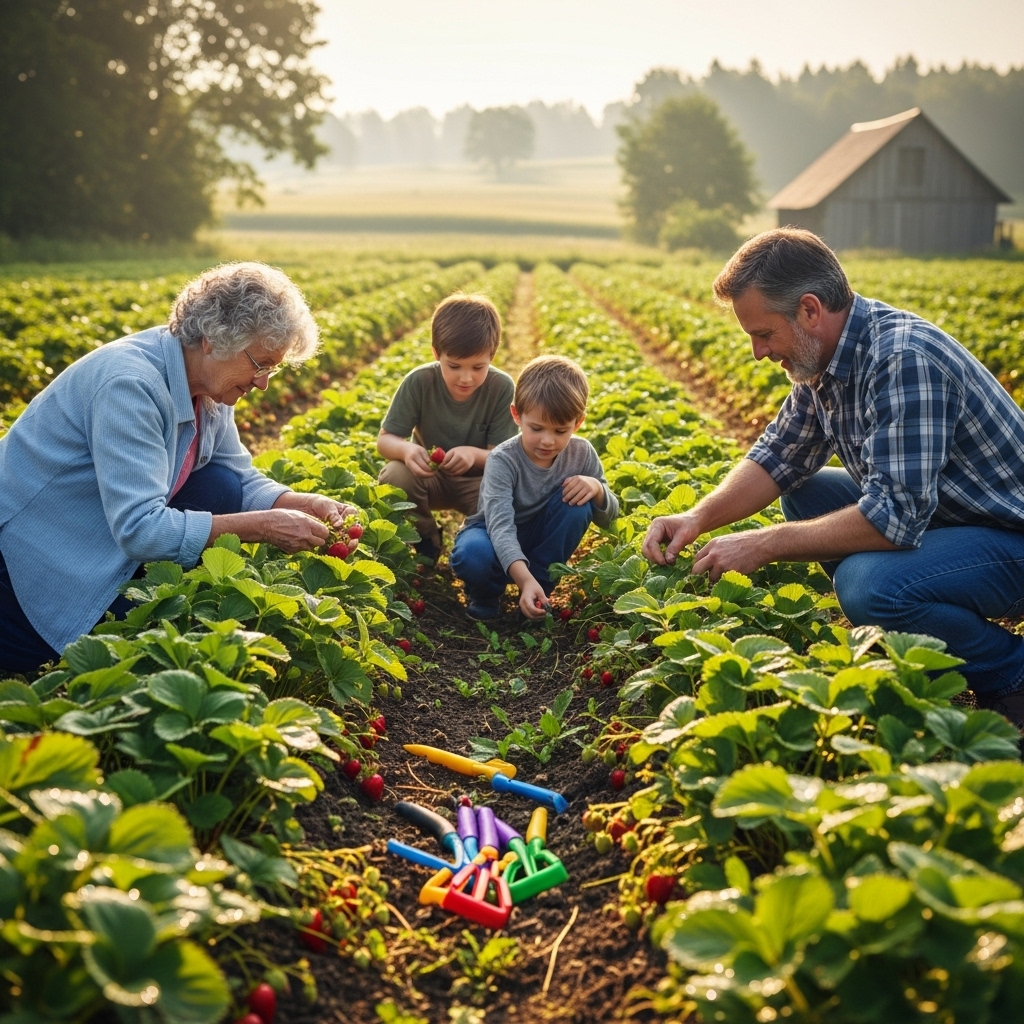
Types of Strawberry Plants
There are three primary types of strawberry plants: June-bearing, everbearing, and day-neutral. Each type has its unique growth habits and harvest times, which I’ve come to appreciate over the years.
- June-bearing: These typically produce a single large crop each year, usually in late spring or early summer. I remember the excitement of picking countless strawberries during this peak season, which made all the effort worthwhile.
- Everbearing: Everbearing strawberries produce two to three smaller harvests throughout the growing season. I love this variety for its prolonged harvest, allowing me to enjoy fresh strawberries from late spring to fall.
- Day-neutral: These can produce fruit continuously from spring until fall, as long as the temperatures remain moderate. I’ve found them perfect for extending my strawberry season, giving me a steady supply of fruit.
Choosing the Right Variety
When selecting the right variety, it’s crucial to consider your climate and personal preferences. I’ve grown different varieties and noted how some thrive in my area better than others. For example, if you live in warmer regions, you might prefer varieties like ‘Chandler’ or ‘Seascape’, which have shown great adaptability. For cooler climates, ‘Honeoye’ and ‘Sparkle’ tend to perform well.
In addition to climate, think about your taste preferences. Some strawberries are sweeter, while others have a more tart flavor. I remember growing ‘Albion’ strawberries, which were incredibly sweet and quickly became my favorite. Experimenting with various types can lead to delightful discoveries!
Climate and Growing Zones
Understanding your growing zone is essential for successful strawberry cultivation. Strawberries thrive best in USDA Hardiness Zones 3 to 10, depending on the variety. I often refer to the USDA Plant Hardiness Zone Map to determine which strawberries will do best in my area.
In my experience, strawberries prefer a sunny location with well-draining soil. They need at least 6-8 hours of sunlight daily to produce the sweetest fruits. When I first started, I planted my strawberries in a partially shaded area, and I was disappointed by the lack of fruit. After relocating them to a sunnier spot, I saw a dramatic improvement in yield and flavor.
Preparing the Soil for Strawberry Growth
Once you’ve selected the right strawberry plants, the next step is preparing the soil. This is a crucial part of the process that I learned can’t be overlooked. Healthy soil leads to healthy plants, and thus, a bountiful harvest. Read Interesting article: 14 Bucket Gardening Ideas for Organic Home Growing
Soil Requirements and pH Levels
Strawberries thrive in soil that is rich in organic matter and well-drained. The ideal pH level for strawberries is between 5.5 and 6.8. I remember testing my soil with a simple home kit, and to my surprise, it was too acidic. After amending it with lime, I noticed a significant improvement in my strawberry plants’ growth.
Amending Soil for Nutrients
To ensure your strawberries have the nutrients they need, consider adding compost or well-rotted manure to your soil. This not only improves soil structure but also provides essential nutrients. In my case, mixing in compost before planting made my strawberries healthier and more resilient against pests.
Choosing the Right Location for Planting
As mentioned earlier, the location is vital for growing strawberries. I found that planting them on raised beds or mounds helps with drainage and air circulation, which are both important for preventing diseases. Additionally, keeping the plants about 18 to 24 inches apart allows for adequate airflow, which I’ve noticed helps them thrive.
When I first started, I planted my strawberries too closely together, and I struggled with mold and poor yields. Since spacing them properly, my plants have flourished and produced more fruit than I ever expected.
Planting Strawberry Plants
When to Plant Strawberries
Timing is everything when it comes to planting strawberries. I’ve learned that the best time to plant them depends on the type you choose and your local climate. For most regions, early spring is ideal for planting bare-root strawberries, just as the ground begins to thaw. I remember the thrill of digging into the soil as the first signs of spring appeared, knowing I was setting the foundation for my future strawberry patch.
If you’re in a warmer climate, you might find that planting in the fall works well too. This allows the plants to establish roots before the heat of summer kicks in. I tried both methods, and while I had success in both seasons, I found that spring planting gave my strawberries a head start. It’s always a good idea to check your local gardening calendar to figure out the best planting window in your area.
Planting Techniques: Bare Root vs. Potted Plants
When it comes to planting strawberries, I’ve found that the choice between bare root and potted plants can impact the overall success of your garden. Bare root strawberries are dormant plants with no soil around their roots. I remember the first time I planted them; I soaked the roots in water for a few hours before planting. This helped them rehydrate and encouraged growth. They typically establish roots faster, which I found rewarding as they became productive sooner than expected.
Potted plants, on the other hand, come with soil already around their roots and can be planted any time during the growing season. I’ve used potted plants when I wanted to extend my harvest period. They’re convenient and can be planted right away without needing to soak. Whichever option you choose, ensure the roots are well spread out in the planting hole and covered gently with soil. Read Interesting article: Growing Strawberries in Pots: Essential Care Tips for Container Strawberries
Spacing and Layout for Maximum Yield
Proper spacing is crucial for maximizing strawberry yield, something I initially overlooked. When I first planted my strawberries, I squeezed them in too closely, thinking more plants would mean more fruit. Instead, I ended up with plants that struggled for nutrients and sunlight. Now, I always space my plants about 18 to 24 inches apart in rows that are 3 to 4 feet apart. This layout allows for air circulation and sunlight, both of which are vital for healthy growth.
I’ve also experimented with different layouts, like staggered rows versus traditional rows, and I found that staggered planting promotes even better airflow and sunlight exposure. It’s a simple adjustment that has led to happier plants and a more fruitful harvest. If you’re short on space, consider vertical gardening techniques or container gardening, which can also maximize your yield while keeping the plants properly spaced.
Caring for Strawberry Plants
Watering Guidelines and Techniques
Watering is one of the most important aspects of caring for strawberry plants. I learned quickly that strawberries like consistent moisture but don’t want to sit in waterlogged soil. I usually water them deeply once a week, ensuring the soil is moist but not soggy. I remember using a soaker hose in my garden, which has been a game-changer. It delivers water directly to the roots without wetting the leaves, helping to prevent fungal diseases.
During hot spells, I’ve increased my watering frequency to twice a week, especially when I see the soil drying out quickly. Mulching around the plants has also helped retain soil moisture and reduce the need for frequent watering. I can’t emphasize enough how crucial it is to check soil moisture before watering, as overwatering can lead to root rot, which I’ve experienced firsthand.
Fertilizing for Optimal Growth
To keep my strawberry plants healthy and productive, I pay close attention to fertilization. Strawberries are heavy feeders, and I’ve found that a balanced fertilizer works wonders. I typically apply a slow-release fertilizer in early spring as new growth begins. This gives the plants the nutrients they need to kick off the growing season.
As the berries start to form, I switch to a fertilizer higher in potassium to encourage fruit development. I remember my first time fertilizing; I was worried about overdoing it, but I learned that a little goes a long way. Following the manufacturer’s instructions has always been my best bet. Additionally, I’ve seen great results from using organic options like fish emulsion or compost tea, which provide not only nutrients but also improve soil health.
Mulching Benefits and Techniques
Mulching is one of those gardening practices that I initially underestimated. I started mulching my strawberry beds after realizing how beneficial it could be. Organic mulch, such as straw or shredded leaves, helps suppress weeds, retain moisture, and maintain even soil temperatures. I’ve noticed that my strawberries thrive when their roots are protected from temperature extremes.
Applying a layer of mulch about 2 to 3 inches thick around my plants has made a significant difference. I remember my first summer with strawberries, struggling with weeds that choked out my plants. After I started mulching, the weeds were kept at bay, and my strawberries had room to grow. Plus, it creates a clean, tidy look in the garden!
Weed Control Strategies
Weeding is an ongoing battle that every gardener faces, and I’ve learned that proactive measures are key. Keeping the area around my strawberries free of weeds is essential for their health. I use a combination of mulching and regular hand-weeding. I’ve found that pulling weeds by hand right after a rain makes the job easier, as the soil is soft and loose.
In addition to hand-weeding, I sometimes use landscape fabric to suppress weeds in my strawberry beds. This allows water and nutrients to reach the plants while blocking out unwanted growth. I remember the first time I tried it; my strawberry plants thrived without the competition from weeds, and it saved me countless hours of back-breaking labor. Creating a weed-free zone for my strawberries has become a crucial part of my care routine.
Pest and Disease Management
Common Pests Affecting Strawberry Plants
As I delved deeper into my strawberry-growing journey, I quickly realized that pests are part of the package. I encountered a few common pests that seem to have an affinity for strawberries. One of the first pests I noticed were aphids. These tiny, soft-bodied insects can appear in clusters and suck the sap from the plants, causing them to weaken. I remember spotting them on the undersides of leaves and immediately felt the need to take action.
Another pest that I often deal with is the strawberry root weevil. This sneaky little creature can cause serious damage to the roots, leading to stunted growth. I learned to keep an eye out for signs like wilting plants or poor fruiting, which can indicate their presence. I also discovered spider mites, which can thrive in hot, dry conditions. Their fine webbing on the leaves was a clear giveaway, prompting me to investigate further.
While dealing with pests can be frustrating, I found that early detection is key. Regularly inspecting my plants has helped me catch these pests before they become a bigger problem. I’ve learned to look closely at the leaves and stems to monitor for any unusual activity. When I stay vigilant, I can often prevent a small issue from turning into a major infestation.
Identifying and Managing Diseases
Just like pests, diseases can also threaten my strawberry plants. I’ve had my share of encounters with powdery mildew, a fungal infection that can leave a white, powdery coating on leaves. In my experience, high humidity and poor air circulation can exacerbate this problem. I remember the first time I saw it; I was disheartened. However, I learned that improving air circulation by spacing plants properly can help prevent it.
Another disease I’ve had to contend with is gray mold, or Botrytis blight. It usually strikes when the plants are damp and crowded. I noticed that it typically appeared after a rainstorm or when I watered too much. Being proactive about moisture control and ensuring adequate airflow has been crucial in keeping this disease at bay.
Fungal diseases like root rot have also been a concern for me, especially in overly wet conditions. I’ve found that good drainage is my best defense against this. If I notice wilting plants that don’t respond to watering, I suspect root rot and take immediate action by checking the roots and adjusting my watering habits.
Organic and Chemical Control Options
When it comes to managing pests and diseases, I prefer to start with organic control options whenever possible. For pests like aphids, I’ve had success using insecticidal soap, which targets soft-bodied insects without harming beneficial ones. I remember how relieved I felt when I saw my plants bouncing back after a treatment.
For powdery mildew, I often make a simple homemade solution of baking soda and water. This natural remedy has helped me keep the fungal disease at bay without relying on harsh chemicals. I’ve learned that fostering a healthy ecosystem in my garden plays a big role in pest and disease management, so I’m cautious about introducing any chemical treatments.
That said, I also understand that sometimes, chemical options can be necessary if the situation gets out of hand. I do my research and choose products that are safe for food crops and follow the guidelines carefully. It’s a balancing act, and I always aim for the least harmful option first.
Harvesting Strawberries
When to Harvest for Peak Flavor
Harvesting strawberries is easily one of the most rewarding parts of growing them. I’ve learned that the key to harvesting strawberries is timing. The best time to pick them is when they are fully ripe, which means they’re bright red and have a glossy sheen. I remember the excitement of picking my first batch of strawberries and eagerly tasting one; the sweetness was unparalleled!
For me, the flavor is best when the berries are fully developed on the plant. I’ve found that if I pick them too early, they can be tart and lack the rich flavor that I crave. I usually check them every couple of days during peak season, as they can ripen quickly. A good rule of thumb I follow is to look for the color; if they’re still partly white or green, they need more time.
Harvesting Techniques
When it comes to actually harvesting, I’ve learned to be gentle. Strawberries can bruise easily, so I carefully twist or cut the stem rather than pulling on the fruit. Using scissors or pruning shears can help avoid damaging the plant, and I always take care not to squash the berries in my hand as I pick them. I’ve found that a shallow basket or a container works best for collecting my harvest without crushing the fruits.
After gathering my strawberries, I try to get them into the shade as soon as possible. I’ve noticed that exposure to direct sunlight can cause the berries to heat up, which affects their flavor and shelf life. It’s a small detail, but it makes a big difference in preserving the deliciousness of my harvest.
Post-Harvest Handling and Storage Tips
Once I’ve harvested my strawberries, proper handling and storage are essential. I’ve learned that keeping them unwashed in a single layer in the fridge helps them last longer. If I wash the berries, I make sure to dry them thoroughly to prevent mold. I usually enjoy my strawberries fresh, but I’ve also experimented with freezing them for later use. Freezing them on a tray before transferring them to a bag keeps them from sticking together, making it easy to grab just what I need.
In my experience, the first few days post-harvest are crucial. I try to eat or process them within a couple of days for the best flavor. There’s nothing quite like the taste of freshly picked strawberries, and I love incorporating them into desserts, smoothies, or just enjoying them as a snack!
Frequently Asked Questions
What are the three primary types of strawberry plants?
The three primary types of strawberry plants are June-bearing, everbearing, and day-neutral. June-bearing strawberries produce a single large crop each year, everbearing strawberries produce two to three smaller harvests throughout the season, and day-neutral strawberries can produce fruit continuously from spring until fall.
How do I choose the right strawberry variety for my climate?
When selecting the right variety, consider your climate and personal taste preferences. For warmer regions, varieties like ‘Chandler’ or ‘Seascape’ may be suitable, while ‘Honeoye’ and ‘Sparkle’ tend to perform well in cooler climates.
What is the ideal soil pH level for growing strawberries?
The ideal pH level for strawberries is between 5.5 and 6.8. Testing your soil can help determine if amendments are needed to reach the optimal pH for strawberry growth.
What are the best practices for watering strawberry plants?
Strawberries like consistent moisture but do not want to sit in waterlogged soil. It’s best to water them deeply once a week, and during hot spells, increase frequency to twice a week. Mulching can help retain soil moisture.
When is the best time to plant strawberries?
The best time to plant strawberries is typically early spring for bare-root plants, just as the ground begins to thaw. In warmer climates, fall planting can also be effective, allowing plants to establish roots before summer heat.
How should I space my strawberry plants for maximum yield?
Strawberry plants should be spaced about 18 to 24 inches apart in rows that are 3 to 4 feet apart. This spacing allows for adequate airflow and sunlight, which are vital for healthy growth.
What are common pests that affect strawberry plants?
Common pests affecting strawberry plants include aphids, strawberry root weevils, and spider mites. Early detection and regular monitoring can help manage these pests effectively.
What are some organic methods for managing diseases in strawberry plants?
For managing diseases like powdery mildew, a homemade solution of baking soda and water can be effective. Additionally, fostering a healthy ecosystem and improving air circulation can help prevent fungal diseases.
How should strawberries be harvested for peak flavor?
Strawberries should be harvested when they are fully ripe, which means they are bright red and have a glossy sheen. Checking them every couple of days during peak season ensures they are picked at the right time for maximum sweetness.
What are the best storage tips for freshly harvested strawberries?
Freshly harvested strawberries should be kept unwashed in a single layer in the fridge to last longer. If washed, they should be dried thoroughly to prevent mold. It’s best to consume or process them within a couple of days for optimal flavor.