
Growing watermelon from seeds involves selecting warm, well-drained soil, planting after frost danger passes, providing ample sunlight, and ensuring consistent watering for a successful harvest.
Table of Contents
This guide details the step-by-step process from seed preparation, planting conditions, nurturing, and common pitfalls, helping gardeners maximize their chances of a healthy, fruitful crop.
Key Conditions That Change How To Grow Watermelon From Seeds
Growing watermelons from seeds depends heavily on external conditions and specific horticultural limits. Understanding these factors helps determine the best time, location, and practices to maximize success and ensure a healthy, productive crop.
1. The factors with the biggest effect
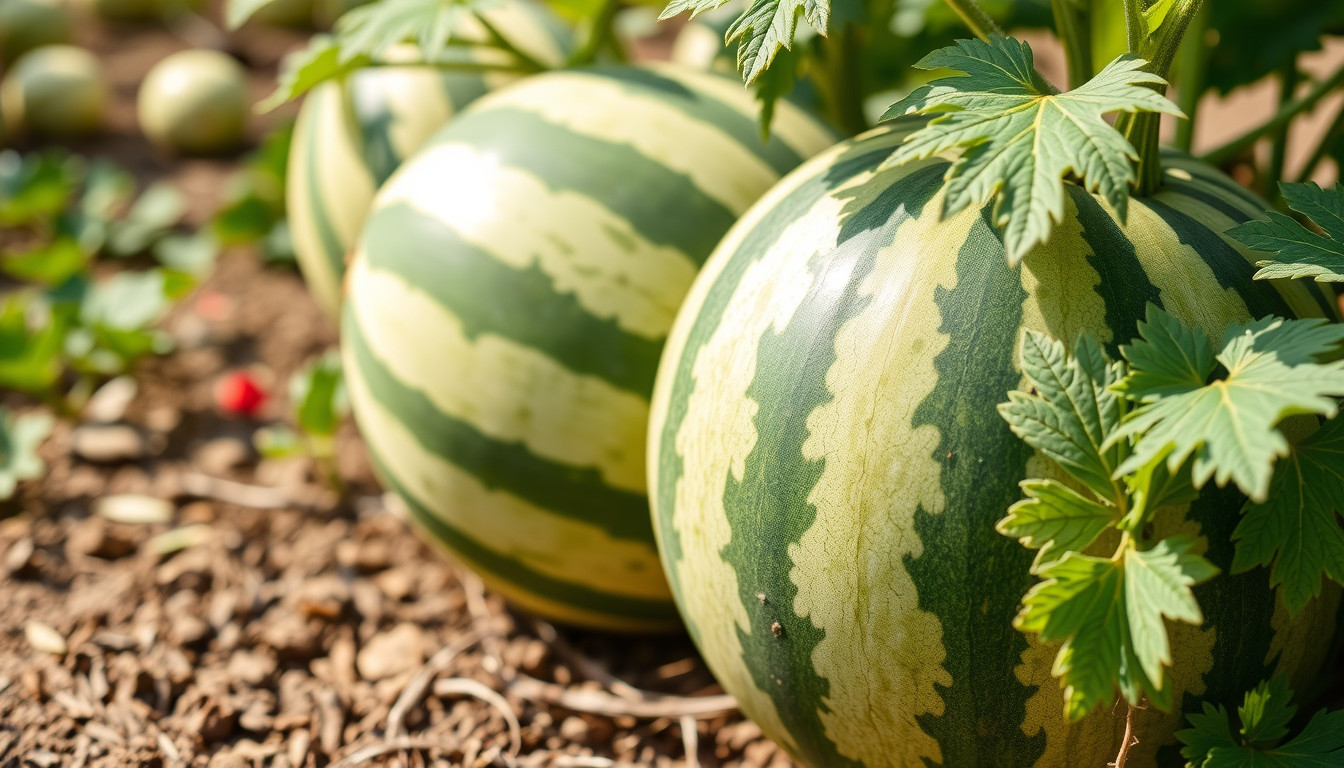
Watermelons require consistently warm soil temperatures — ideally above 70°F (21°C) — for seeds to germinate. In cooler climates or shorter growing seasons, planting too early can lead to poor germination or seed rot. Soil drainage is equally critical; watermelons thrive in well-drained sandy or loamy soils that do not retain excessive moisture, which can cause root rot. Additionally, they need full sunlight, ideally at least six hours per day, to develop sweet, ripe melons. The availability of space also matters; watermelons need room to spread out as vines grow, influencing the choice between in-ground planting or container growing with enough space for expansion.
Disclosure: As an Amazon Associate I earn from qualifying purchases.
To optimize your planting conditions, you might consider checking your soil’s characteristics before starting. Shop suitable garden soil testing kits on Amazon (affiliate link).
2. What evidence or details to check
Check local climate data to confirm when soil temperatures warm sufficiently after the last frost. Soil testing can verify pH levels (aiming for around 6.0 to 7.5) and drainage properties. Understanding your growing season length—whether from seed to harvest or based on regional average — helps you select varieties that will mature in time. If growing in cooler areas, consider starting seeds indoors or planting shorter-season varieties to avoid disappointing yields. Monitoring daily sunlight and soil moisture levels ensures conditions stay within the optimal range for seed germination and vine development.
3. When the usual advice does not apply
If you face unusually short growing seasons or persistent cool weather, typical planting schedules may lead to crop failure. In such cases, starting seeds indoors several weeks before the last expected frost can provide a head start. However, transplanting young seedlings requires careful handling to avoid shock. Conversely, in extremely hot climates, planting should be timed to avoid the peak heat of summer, which can cause vines to wilt or fruit to develop poor flavor. Growing watermelons in containers or raised beds may be necessary if soil drainage is poor or soil conditions are suboptimal, but this approach demands extra attention to watering and fertilization to compensate for limited space and soil volume.
How to Evaluate How To Grow Watermelon From Seeds Before Acting
Before planting watermelon seeds, assess your growing conditions carefully. Recognizing key signals and evidence will help determine if your environment supports healthy watermelon growth, saving time and resources in the process.
1. What to check first
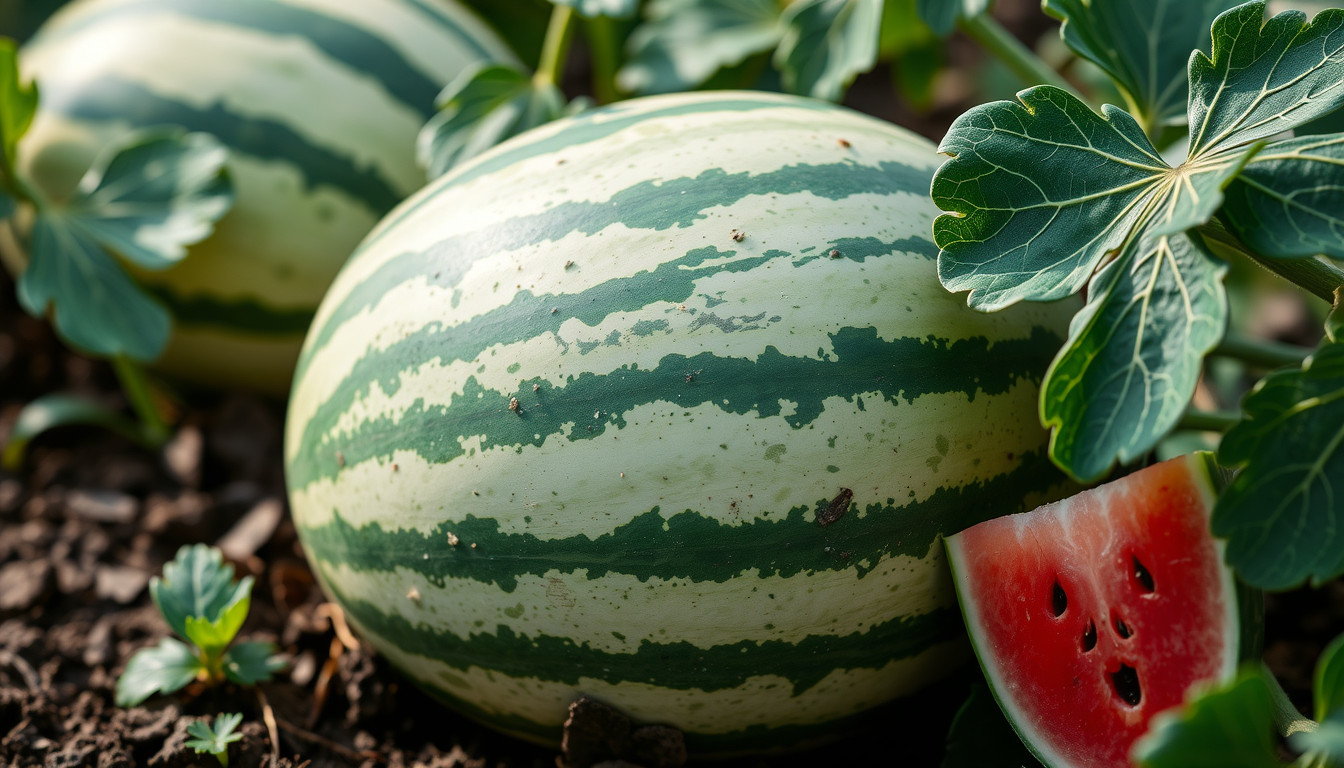
Start by examining your climate and soil conditions. Watermelons thrive in warm temperatures and require at least 70-100 days of frost-free weather. Ensure the growing season is long enough, especially in cooler or shorter growing regions. Test your soil’s drainage and fertility, as watermelons prefer well-drained, nutrient-rich soil. Observe the sunlight; they need full sun for most of the day to develop sweet, flavorful fruit. Additionally, check if your area has a history of pests or diseases that might affect melons, such as squash bugs or vine decline. If you plan to transplant seedlings, verify that your climate doesn’t have late frosts and that you can start seeds indoors if necessary.
If you want to give your seeds the best start, using appropriate containers can help. Shop suitable seed starting trays and propagation pots on Amazon (affiliate link).
2. How to interpret the result
If your climate has long, warm summers and your soil tests show good drainage and fertility, you are positioned well to grow watermelons from seeds. Shorter growing seasons or frequent cool spells indicate that starting seeds indoors or choosing shorter-season varieties might be necessary. Persistent low temperatures or excessive moisture could hinder vine development and fruit ripening, leading to a poor yield. Be prepared to adjust planting timing or methods accordingly. Conversely, if sunlight is abundant, and soil conditions meet watermelon preferences, you can confidently proceed with seed planting. Otherwise, consider soil improvement or container cultivation to optimize your growing environment. Recognizing these signals helps make an informed decision, increasing your chances of a successful harvest.
A Step-by-Step Approach to How To Grow Watermelon From Seeds
Growing watermelons from seeds requires careful planning and attention to timing, soil conditions, and ongoing care. Following a systematic process improves your chances of a healthy, productive vine and a sweet harvest.
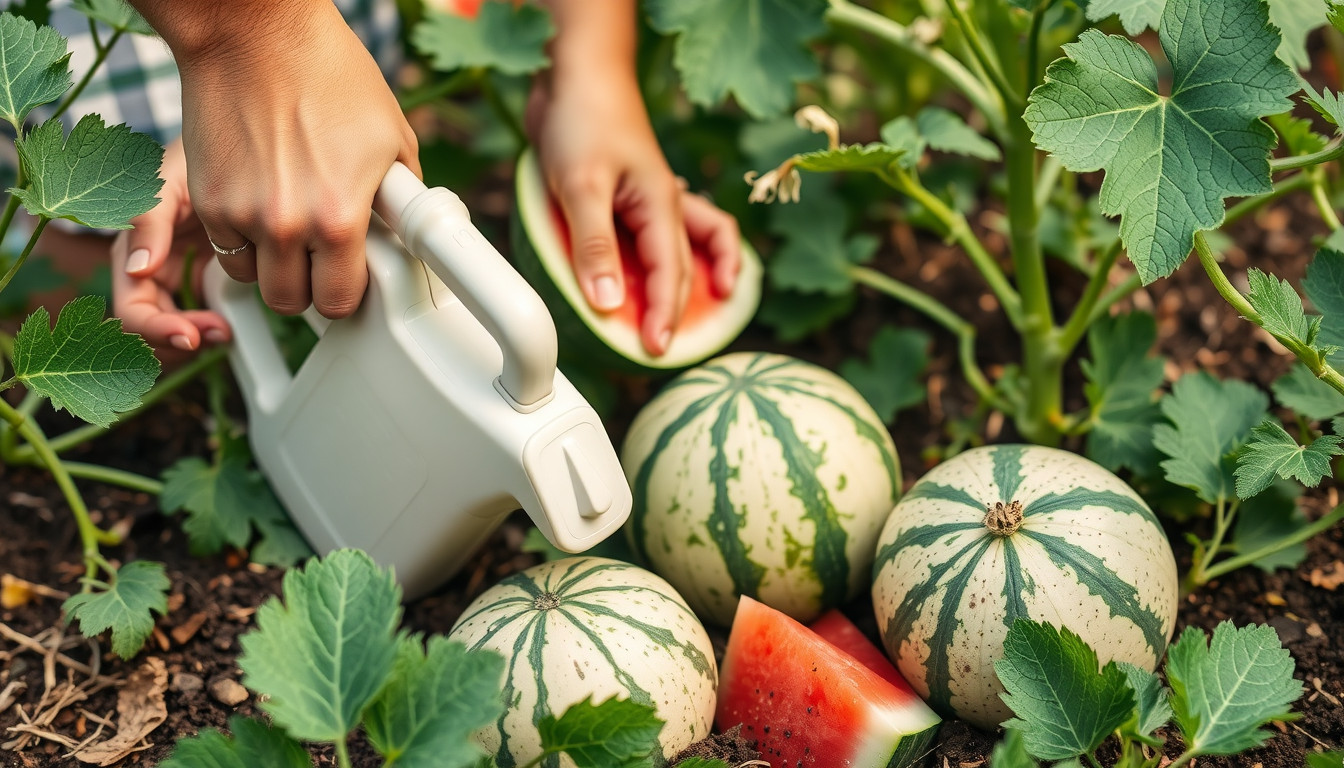
Ensuring your young plants get consistent moisture can be easier with the right watering tools. Shop suitable watering cans with fine nozzles on Amazon (affiliate link).
1. Prepare the essentials
Start by choosing high-quality watermelon seeds suited to your climate and season length. Select a sunny, well-drained site with plenty of space, as watermelon vines spread extensively. Prepare soil by enriching it with organic matter; aim for soil with a pH between 6.0 and 7.5. A soil test can confirm adjustments needed to optimize nutrient levels. If your growing season is short or if the climate is cooler, consider starting seeds indoors in biodegradable containers at least 2-4 weeks before the last expected frost date.
2. Take the first action
Plant seeds either directly outdoors or transplant seedlings. When planting directly in the ground, sow 1 inch deep, spacing seeds 3-4 feet apart within rows that are 6-8 feet apart. Water the planting area thoroughly afterward. For starters indoors, sow seeds in seed trays or pots with moist, rich soil, keeping them in warm conditions of 70–85°F. Once seedlings develop a few leaves and outdoor conditions are suitable, transplant them carefully, avoiding root damage. Always check the weather forecast—wait until the danger of frost has passed and soil has warmed to around 70°F before planting outside.
3. Check the early result
In the first few weeks after planting, observe germination and seedling development. Healthy seedlings should sprout in 5-10 days if conditions are right. Ensure consistent watering to keep the soil moist but not waterlogged—watering deeply once or twice a week generally suffices. Look for even growth; patchy or pale seedlings may indicate poor soil nutrition or uneven watering. Maintain weed control to prevent competition for nutrients and water. If seedlings show signs of stress or pests, address the issues promptly by adjusting watering practices or applying targeted natural treatments.
4. Adjust for changing conditions
As plants grow, modify care based on weather, pests, and soil health. Use mulch to regulate moisture and temperature, suppress weeds, and prevent soil compaction. Fertilize with a balanced fertilizer rich in nitrogen early on to promote vine growth, then shift to potassium and phosphorus as flowering begins to encourage fruit development. If temperatures fluctuate or rainfall is excessive, take protective steps like covering vines or improving drainage. For shorter seasons or unexpected cool spells, consider supplemental heat or extending the growing season with row covers or greenhouses. Stay vigilant for pests and diseases, and take early control measures to prevent damage.
Choosing the Right Approach for Your Situation
Deciding on how to grow watermelon from seeds depends on your climate, available space, and time constraints. Two main strategies exist: a simple direct planting approach or a more involved method that offers better control over growing conditions.

Selecting appropriate seed varieties can increase your chances of success based on your local environment. Shop suitable watermelon seed varieties for different climates on Amazon (affiliate link).
1. When the simpler approach fits
If you live in a warm, frost-free region or have a lengthy growing season, direct seeding outdoors can be the easiest route. Sow seeds directly into prepared soil after the last frost date, ensuring the soil temperature is at least 70°F. This approach minimizes labor and material costs and works well when weather conditions are stable and predictable. gardeners with limited space or those new to gardening might find direct sowing a straightforward, low-maintenance option.
2. When a more involved approach is justified
Starting seeds indoors or using nursery-grown seedlings is advisable in cooler climates, areas with shorter growing seasons, or unpredictable weather. To ensure a successful harvest, seedlings should be started 3 to 4 weeks before the last frost date. Indoor propagation requires specific conditions, such as warm temperatures and sufficient light, but provides a head start that can shorten the time to harvest and increase fruit quality. This approach offers control over pests and soil conditions, reducing risks associated with outdoor planting in less predictable environments.
3. Trade-offs to consider
| Aspect | Direct Seeding | Starting Indoors / Nursery Plants |
|---|---|---|
| Ease of setup | Lower; straightforward planting | Higher; requires seed starting supplies and steps |
| Timing flexibility | Limited; depends on ground warmth and frost dates | More flexible; can grow in shorter seasons |
| Risk of pests and diseases | Higher; plants are more exposed early | Lower; seedlings are healthier and protected initially |
| Cost and effort | Lower initial investment, more labor outdoors | Higher setup effort, but potentially less outdoor care early on |
| Growth control | Less control over early stages | More control; ensures healthy seedling development |
| Final harvest timing | Typically later, depending on planting date | Potentially earlier due to early start indoors |
Mistakes That Change the Result
Even small errors in the process of learning how to grow watermelon from seeds can significantly affect the harvest. Recognizing common pitfalls enables better troubleshooting and ensures healthier plants and sweeter fruit.
1. Mistaking a symptom for a cause
One common mistake is misinterpreting issues like yellowing leaves or stunted growth as the root problem. For example, yellow leaves might seem like a sign of nutrient deficiency, but they often result from overwatering or poor drainage. Correctly diagnosing the issue requires examining watering habits and soil conditions, rather than simply adding fertilizer. Addressing the real cause prevents recurring problems and promotes robust plant development.
2. Skipping a critical condition
New growers sometimes overlook essential conditions such as soil temperature and drainage before planting. Planting watermelon seeds directly into cold or poorly drained soil can lead to poor germination or root rot. Ensuring soil temperature is consistently above 70°F and that the ground drains well can improve germination rates. Using raised beds or amended soil can address these issues. Failing to meet these conditions often results in failed seedlings, wasting time and resources.
Overwatering during seedling stage can lead to mold and damping-off disease, often mistaken for pests or nutrient issues. Conversely, insufficient watering can cause drought stress, stunting growth. Regularly monitoring soil moisture and adjusting watering accordingly prevents these problems and supports healthy seedling emergence.
3. Inadequate planning of spacing and support
Watermelons need ample space for vines to spread and sufficient airflow to prevent disease. Crowded planting can lead to fungal infections and hinder fruit development. Planting too densely or failing to provide support structures like trellises can reduce yield quality. Planning for proper spacing during initial planting, based on the seed packet directions and research-based recommendations, ensures better air circulation and easier management.
When to Adapt or Seek More Help
Growing watermelons from seeds requires careful observation and flexibility. If your current approach stalls or yields unsatisfactory results, it’s time to evaluate your methods and consider seeking expert advice or making adjustments.
1. Next Steps
If your watermelons are not sprouting or grow slowly even after the recommended time frames, check your planting conditions. Ensure that soil temperature is consistently warm enough, typically at least 70°F (21°C), as watermelons are sensitive to cold soil. Confirm proper watering—seedlings need consistent moisture without becoming waterlogged. If pests or diseases appear, identify them early and apply targeted solutions instead of broad-spectrum treatments. Additionally, verify that plant spacing allows for healthy vine development, as overcrowding hampers airflow and can foster fungal issues.
2. Limitations of Your Current Approach
If you are growing watermelons in a cooler climate, the season may be too short for successful maturity from seed. In such cases, direct sowing might not suffice, and starting seeds indoors or using shorter-season varieties could be necessary. Similarly, if soil quality is poor or soil amendments have been insufficient, growth may be limited despite correct watering and spacing. Recognizing these limitations early prevents ongoing waste of resources and guides you toward more suitable strategies.
Deciding whether to continue with your current method or seek additional help depends on your progress and environmental constraints. If adjustments like improved watering, better soil preparation, or modifying planting times don’t yield results, consulting local gardening experts, extension services, or experienced growers can provide tailored solutions. Sometimes, expert advice reveals subtle factors—like specific pests or microclimate issues—that need addressing for a successful watermelon harvest.
Continuing to experiment without understanding these underlying issues may lead to frustration. Be prepared to modify your approach based on observed plants’ responses. Proper adaptation can mean the difference between a bountiful harvest and a disappointing crop.
Frequently Asked Questions
1. How do I know when my watermelon is fully ripe?
Look for a creamy yellow spot on the underside, a dull skin surface, and the tendril nearest the fruit turning brown and dry.
2. Can I grow watermelons in containers or raised beds?
Yes, choose large containers or raised beds with deep, well-drained soil, ensuring plenty of space for vines to spread.
3. What are the best watermelon seed varieties for short growing seasons?
Short-season varieties like ‘Sugar Baby’ or ‘Crimson Sweet’ mature faster and are suited for regions with limited growing time.
4. How often should I water watermelon plants during hot weather?
Water deeply once or twice a week, ensuring the soil remains moist but not waterlogged, increasing frequency during intense heat.
5. What common pests threaten watermelon crops and how do I manage them?
Squash bugs and vine borers are common; manage them by inspecting plants regularly, handpicking pests, or applying approved insecticides when necessary.
6. How long from seed to harvest does it typically take?
Generally, it takes about 70 to 100 days from planting seeds to harvest, depending on the variety and growing conditions.
7. Can I start watermelon seeds indoors before transplanting outdoors?
Yes, start seeds indoors 2-4 weeks before the last frost date to give plants a head start, then transplant once outdoor conditions are suitable.