
Growing watermelon in a raised bed involves selecting a deep, wide enough bed, preparing nutrient-rich soil, and providing consistent watering and warmth for optimal fruit development.
Table of Contents
This overview will guide you through choosing the right raised bed, preparing the soil, planting seeds or seedlings, and caring for your plants to maximize yield and flavor, based on best practices from gardening experts.
Key Conditions That Change How To Grow Watermelon In Raised Bed
Growing watermelon in a raised bed requires attention to specific material conditions that influence plant health and fruit production. Depending on the garden environment, certain conditions can either facilitate or hinder successful cultivation. Understanding these factors helps optimize your efforts for a bountiful harvest.
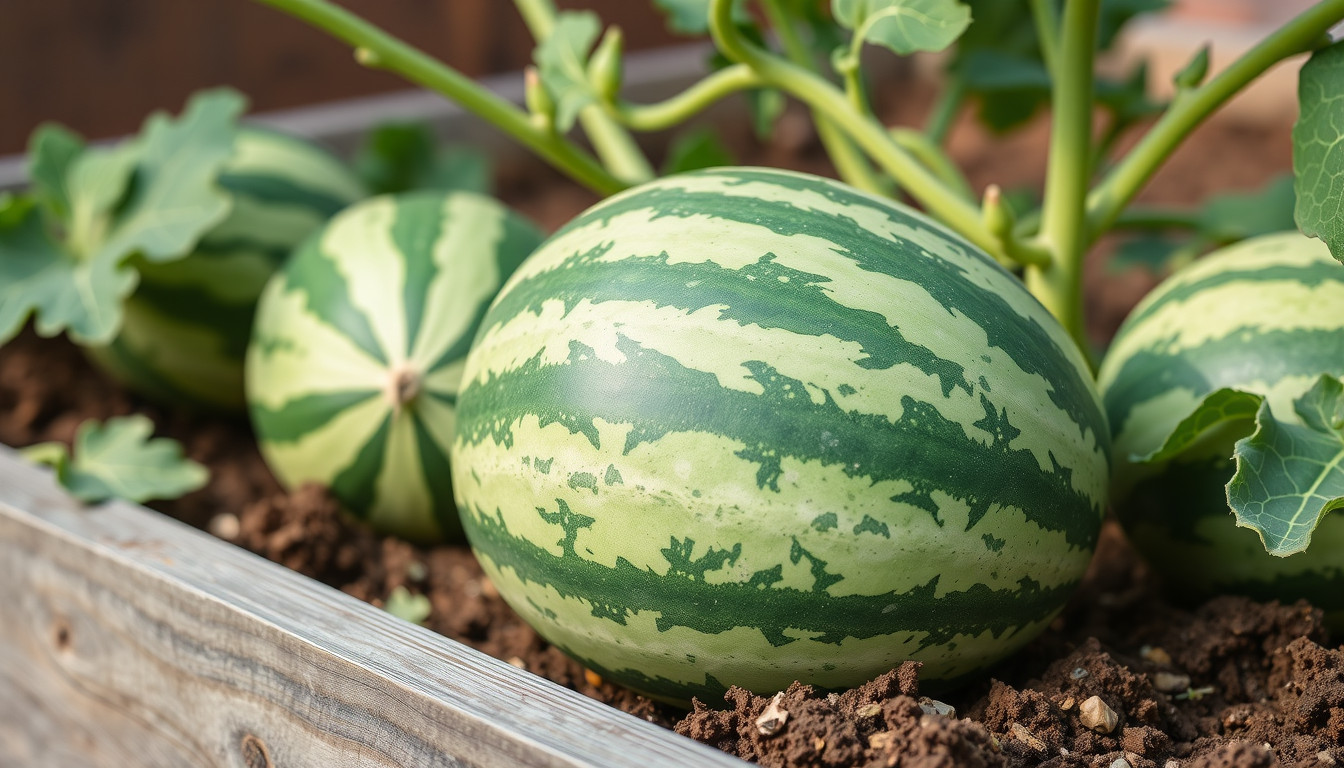
Disclosure: As an Amazon Associate I earn from qualifying purchases.
If your soil or raised bed conditions vary significantly from ideal, considering soil amendments might help improve your results. Shop suitable garden soil amendment supplies on Amazon (affiliate link).
1. The factors with the biggest effect
Soil depth and composition are crucial. Watermelon roots extend deep and wide, so a raised bed should be at least 12 inches deep, though 18 to 24 inches provides better support for vigorous growth. The soil must be loose, well-draining, and enriched with organic matter to promote healthy root development and fruit quality. Temperature also plays a significant role; watermelons thrive when daytime temperatures stay above 70°F and soil quickly warms in spring. If the climate remains cool or fluctuates widely, growth can be stunted or delayed. Water management is another key condition. Excess moisture leads to poor fruit flavor and rot, while drought stress causes misshapen melons and reduced yields. Consistent and deep watering maintains the necessary moisture levels, especially in raised beds where drainage can be fast.
2. What evidence or details to check
Before planting, test your soil’s pH; watermelons prefer slightly acidic conditions between 6.0 and 6.8. Check the soil’s nutrient content, particularly nitrogen and potassium levels, to ensure adequate feeding. Additionally, observe the sunlight exposure; watermelon needs at least 6 to 8 hours of full sun daily to develop sweet, juicy fruit. Soil temperature can be measured with a simple soil thermometer—ideally, it should be around 70°F or higher before sowing seeds or transplanting seedlings. Monitoring for pests and diseases is equally important; early detection in a controlled environment like a raised bed can prevent significant crop loss.
3. When the usual advice does not apply
If your climate features short growing seasons or unpredictable weather, traditional planting schedules may not suffice. In such cases, using black plastic mulch over the soil surface can help retain heat and promote earlier germination. For regions with heavy or poorly draining soil, raised beds offer excellent drainage but require careful design—adding a raised edge or using well-draining soil mixes can prevent waterlogging. In small or heavily shaded gardens, growing watermelon might require hybrid varieties that tolerate lower light levels or selecting a different location altogether. Recognizing these limits ensures planting decisions align with environmental conditions, providing the best chance for a successful and productive watermelon crop.
How to Evaluate How To Grow Watermelon In Raised Bed Before Acting
Assessing your garden conditions ensures a successful watermelon crop in a raised bed. Evaluating environmental factors, soil quality, and available space helps determine if your setup is suitable before planting.

1. What to check first
Start by examining the location where the raised bed will sit. Watermelons require full sun, meaning at least six hours of direct sunlight daily. Observe if the site is shaded by trees or structures, which could limit growth. Confirm that the area is free from areas that collect standing water after rain, as waterlogged soil hampers root development.
Before planting, it can be useful to verify soil conditions to ensure optimal growth potential. Shop suitable soil testing kits on Amazon (affiliate link).
Next, consider the soil quality. Watermelons thrive in loose, well-draining, loamy soil with a slightly acidic pH ranging from 6.0 to 6.8. Check current soil conditions either through simple tests or with a soil testing kit. If soil is heavy clay or poorly draining, a raised bed helps improve drainage, but the soil must be amended with organic matter to boost fertility and structure.
Assess space availability. Watermelon vines can spread 6 to 12 feet or more, necessitating a wide, open area or a large raised bed—at least 3 to 4 feet wide and 12 to 24 inches deep. Determine whether your garden layout allows for this growth without crowding or interfering with other plants.
Finally, review your watering and climate conditions. Watermelons need consistent moisture, especially during flowering and fruit development. Warm temperatures between 70-90°F support growth; cooler or unpredictable weather can delay ripening or reduce yield. Use this information to plan watering routines and determine if starting seeds early indoors or using mulch to heat the soil could benefit your crop.
2. How to interpret the result
If your location receives ample sunlight, the soil tests show a suitable pH and good drainage, and you have enough space for vine spread, your site is primed for planting watermelons in a raised bed. Conversely, if shading is significant, soil drainage is poor, or space is limited, consider modifications or selecting different varieties that tolerate partial shade or smaller growing areas. Proper evaluation of these signals prevents planting failures and enhances your chances of a healthy, productive watermelon harvest.
A Step-by-Step Approach to How To Grow Watermelon In Raised Bed
Growing watermelon in a raised bed requires a systematic process to ensure healthy plants and a good harvest. Following these precise steps helps optimize growing conditions and manage common challenges effectively.
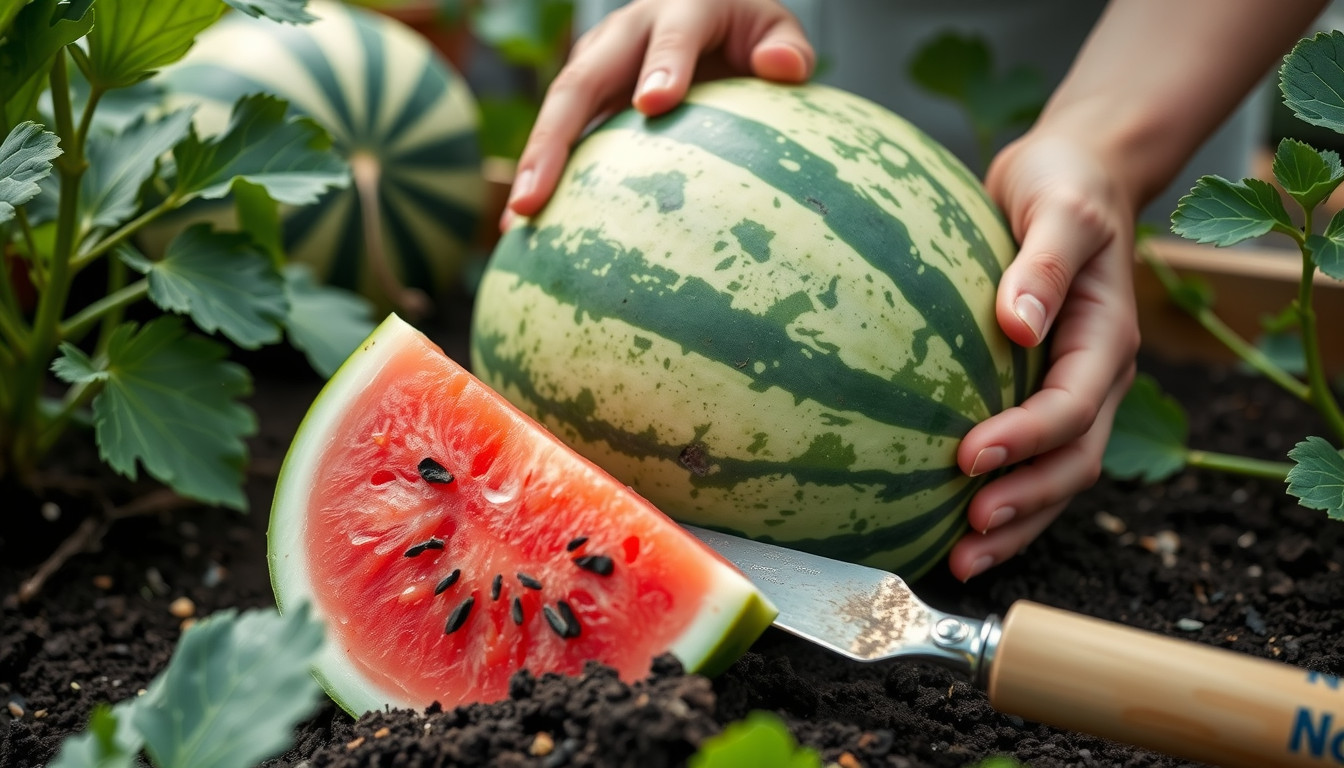
Having reliable gardening tools can facilitate each step of your watermelon-growing process. Shop suitable gardening tools set on Amazon (affiliate link).
1. Prepare the essentials
- Choose a raised bed at least 12 inches deep, ideally 18-24 inches, to support the taproot and shallow roots.
- Fill the bed with well-draining, loamy soil that is slightly acidic, with a pH between 6.0 and 6.8.
- Add organic compost or aged manure to enrich soil nutrients and promote healthy root development.
- Ensure the bed receives full sunlight, ideally 8 or more hours daily, for optimal fruit development.
- Maintain soil temperature above 70°F (21°C) before planting to encourage quick germination and vigorous growth.
2. Take the first action
Plant watermelon seeds directly into the prepared raised bed once warm weather is consistent and soil temperature is optimal. Space seeds approximately 1 to 2 inches apart in rows or mounded hills, with at least 3 feet between hills to accommodate vine growth.
3. Check the early result
Monitor seedling emergence within 7-10 days. Check that seedlings are growing upright, healthy, and free from signs of pests or disease. Provide supplemental heat or mulch if the soil cools or dries out prematurely. If germination is poor, consider reseeding or starting seeds indoors to transplant later.
4. Adjust for changing conditions
As plants grow, manage vine spread by training them vertically on trellises or supporting structures if space is limited. Use mulch to retain soil moisture, suppress weeds, and keep fruit clean. Water deeply but infrequently to keep the soil moist around the root zone; avoid overwatering to prevent root rot. Regularly check for pests and diseases, applying organic controls as needed. Adjust watering and feeding based on weather patterns—significant rain or drought conditions can affect fruit quality and vine health.
Choosing the Right Approach for Your Situation
Determining the best method for growing watermelon in a raised bed depends on factors such as available space, soil quality, gardening experience, and desired yield. Comparing different strategies helps identify which approach aligns with your garden conditions and goals.
Choosing appropriate mulching options can influence the success and effort involved in your gardening approach. Shop suitable organic mulching supplies on Amazon (affiliate link).
1. When the simpler approach fits
If your space is limited or you prefer minimal preparation, planting directly into a well-prepared raised bed using standard soil amendments works well. This method requires basic soil mixing, regular watering, and some support for vines if space allows. It’s ideal for gardeners new to watermelon cultivation or those who want quick results with less setup.
2. When a more involved approach is justified
For gardeners with ample space and a desire for higher yields or better fruit quality, investing in an upgraded setup makes sense. This includes creating custom soil blends, installing trellises for vertical growth, and employing advanced mulching and watering systems. These steps support larger plants, manage vine spread more effectively, and can reduce pest and disease issues, making extra effort worthwhile for dedicated growers.
3. Trade-offs to consider
Choosing between these approaches involves weighing ease of implementation against potential harvest quality. Basic planting suits those seeking simplicity, while advanced methods benefit those aiming for maximum output and plant health. Consider your available time, budget, and garden goals when selecting the approach that best fits your situation.
Mistakes That Change the Result
Understanding common errors in how to grow watermelon in raised bed helps prevent reduced yields and poor fruit quality. Addressing these mistakes early can ensure a successful harvest and healthier plants.
1. Mistaking a symptom for a cause
One frequent error involves misinterpreting plant symptoms. For example, yellowing leaves may seem like a nutrient deficiency, but they can actually stem from overwatering or poor drainage. If the soil retains too much moisture, roots suffocate, causing the plant to show stress symptoms. Correct this by ensuring the raised bed has proper drainage and allowing the soil to dry out slightly between waterings. Using a soil moisture meter can help you accurately assess water needs and avoid overwatering.
2. Skipping a critical condition
Neglecting soil preparation, particularly the choice of soil and amendments, is a common mistake. Growing watermelon in raised bed requires loose, well-draining, loamy soil that is slightly acidic. Failing to enrich the soil with organic matter or to check the pH levels can stunt plant growth and reduce fruit size. Regularly test the soil and amend it with compost if necessary. Proper soil preparation promotes healthy root development and a robust vine.
Inconsistent watering also impacts how to grow watermelon in raised bed. Watermelon plants need consistent moisture, especially during flowering and fruit development. Irregular watering causes stress, leading to misshapen or bitter-tasting melons. Use mulch to retain soil moisture and establish a watering schedule that keeps the soil evenly moist without becoming waterlogged. Overwatering can lead to root rot, while underwatering hampers fruit expansion.
Failing to manage vine growth is another oversight. Watermelons can spread widely, and letting vines grow unchecked can lead to poor air circulation and increased disease risk. Train vines onto trellises if space is limited. This method improves sunlight exposure, reduces fruit rot, and makes harvesting easier. Proper vine management ensures the plant’s energy is directed towards fruit production rather than excessive foliage growth.
When to Adapt or Seek More Help
Growing watermelon in a raised bed can be straightforward, but certain conditions may require you to modify your approach or seek additional guidance. Recognizing these signals early helps ensure harvests remain healthy and productive. If you encounter persistent issues despite following recommended practices—such as poor germination, stunted growth, or fruit deformities—it indicates that your current methods may need refinement. These problems often stem from inadequate soil conditions, incorrect watering schedules, or pest pressures that aren’t being effectively managed.
1. Next Steps
If your watermelon plants are not thriving, consider testing your soil’s pH and nutrient balance. Watermelons generally prefer loamy, slightly acidic soil with a pH of 6.0 to 6.8; deviations may hinder uptake of essential nutrients. Amend your raised bed accordingly, adding organic matter, compost, or specific fertilizers to correct deficiencies. Sometimes, adjusting watering practices—such as increasing frequency during hot spells or reducing it during rainy periods—can resolve issues related to uneven growth or fruit quality. Additionally, employing mulch can help retain soil moisture and regulate temperature.
2. Limitations
Growing watermelons in raised beds has practical limits, particularly concerning space and vine management. Watermelons can spread extensively, requiring either ample bed size or structural support like trellises. If your raised bed is narrow or shallow, root development may be restricted, resulting in lower yields and smaller fruits. Furthermore, disease management can be more challenging in confined spaces where pests and illnesses may spread quickly if not proactively controlled. Recognizing these constraints allows gardeners to decide whether expanding garden space or adopting alternative growing methods might be more effective.
Frequently Asked Questions
1. What is the best soil pH for growing watermelons in raised beds?
Watermelons grow best in soil with a pH between 6.0 and 6.8, which balances nutrient availability and root health.
2. How deep should my raised bed be for watermelon roots?
A depth of at least 12 inches is necessary, but 18 to 24 inches provides better support for vigorous root and vine growth.
3. Which watermelon varieties grow well in small raised beds?
Compact or bush-type varieties, such as ‘Sugar Baby’ or ‘Bush Sugar Baby’, are ideal for limited space and small raised beds.
4. How often should I water watermelon plants in raised beds?
Watermelons require consistent watering, approximately once or twice a week, ensuring soil remains moist but not waterlogged, especially during flowering and fruiting.
5. What are common pests attacking watermelons in raised beds?
Pests like aphids, cucumber beetles, and squash bugs frequently target watermelons, with vigilance needed for early detection and control.
6. When is the ideal time to harvest watermelons from raised beds?
Harvest melons when the tendril near the fruit turns brown and dries, and the spot where it contacts the ground turns creamy yellow, typically 80-90 days after planting.
7. Can I grow watermelons in raised beds in containers?
Yes, with a large, deep container that provides at least 12 inches of soil depth, and varieties suitable for container growth, such as miniature types.
Sources and Further Reading
- How to Grow Watermelons in Raised Beds – Epic Gardening
- How To Grow Watermelon In Raised Bed (Updated August 20th)
- How to Grow Watermelon in Raised Beds — 5 Simple Steps
- The Ultimate Guide to How to Grow Watermelon in a Raised Bed: Tips and …
- Growing Watermelon in a Raised Bed: Tips for Juicy Harvests