
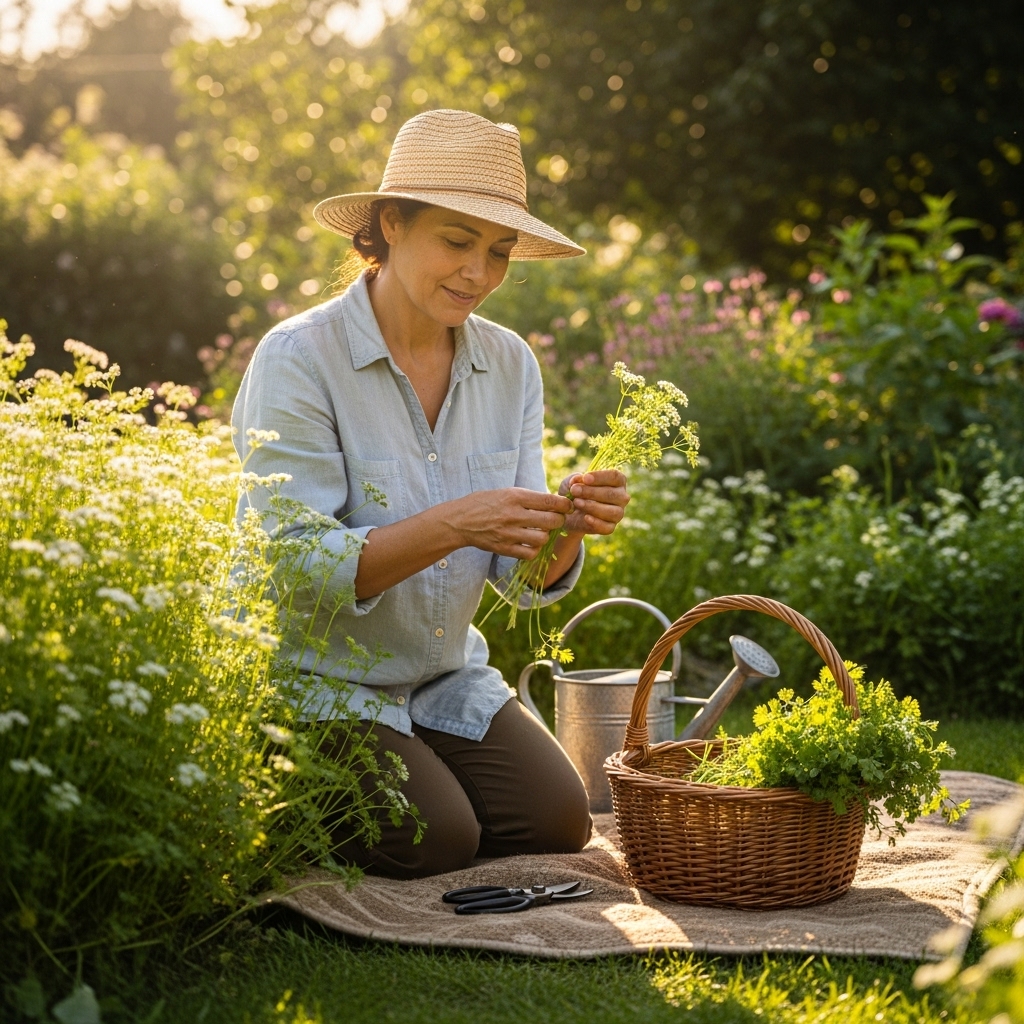
The best way to harvest coriander without killing the plant is by selectively taking the outer leaves while leaving the inner leaves and stems intact. This method allows the plant to continue growing and producing fresh leaves for future use.
Coriander, also known as cilantro, is a favorite herb in many kitchens, and knowing how to harvest it properly ensures you can enjoy its flavor for a longer time. Read Interesting article: How to Grow Coriander Plant at Home Successfully
Understanding Coriander: An Overview
What is Coriander?
Coriander is a versatile herb that is used in cuisines all over the world. I remember the first time I tasted fresh cilantro in a vibrant salsa; it was a game changer for my palate. The plant itself has delicate green leaves, which we commonly refer to as cilantro, while its seeds are known as coriander. Both parts bring unique flavors to dishes, making coriander a staple in many kitchens. I’ve found it to be an essential herb in my cooking, whether I’m whipping up a fresh salad or a spicy curry.
Different Types of Coriander (Cilantro vs. Coriander Seeds)
Understanding the difference between cilantro and coriander seeds can be quite enlightening. Cilantro refers to the fresh green leaves and stems, while coriander seeds are the dried fruits of the plant. I’ve experimented with both, and they truly offer different flavor profiles. Fresh cilantro has a bright, citrusy taste, while the seeds provide a warm, nutty flavor when ground. This distinction is important when deciding how to use the herb in cooking, as each form complements different types of dishes.
Growing Conditions and Requirements
To nurture a healthy coriander plant, it’s crucial to understand its growing conditions. Personally, I’ve learned that coriander thrives in cool weather, ideally between 50°F and 85°F. I’ve had the best results when planting it in well-drained soil with plenty of organic matter. Sunlight is also vital; coriander enjoys full sun but can tolerate partial shade, especially in hotter climates. I usually make sure to keep the soil consistently moist but not waterlogged, as this helps prevent the plant from bolting too quickly. Keeping the balance just right can be a bit of a challenge, but it’s rewarding when you see those lush green leaves sprouting. Read Interesting article: Grow Vietnamese Coriander: Best Tips for a Delicious Herb Harvest
When to Harvest Coriander
Optimal Growth Stages for Harvesting
Knowing when to harvest coriander is just as important as how to do it. I’ve discovered that harvesting too early can result in a less flavorful herb, while waiting too long can lead to bolting. The ideal time to start harvesting is when the plant is around 6 to 8 inches tall and has plenty of vibrant leaves. I usually begin by snipping off the outer leaves, which encourages the plant to grow more. This way, we get to enjoy fresh coriander for weeks, and it keeps producing as long as I give it a little care.
Signs of Maturity in Coriander Leaves
One of the signs that your coriander plant is ready for harvest is when the leaves are rich green and fully formed. I often look for a certain size—about three to four inches long. The leaves should be soft and fragrant, which is always a good indicator of flavor. If you notice the leaves starting to yellow or become sparse, it might be time to reassess your care routine, as well as when to harvest. I’ve learned that it’s crucial to pay attention to these signs, as they directly affect the quality of the leaves we want to enjoy.
Seasonal Considerations for Harvesting
Seasonality plays a big role in harvesting coriander. I’ve found that in cooler months, the plant tends to grow slower, allowing me to harvest more frequently without overwhelming the plant. However, in warmer weather, coriander can bolt quickly, which leads to flower and seed production. I recommend frequently checking your plants if you’re in a warmer climate. If the weather heats up, consider harvesting more often to keep the plant in leaf production mode. It’s fascinating how nature works, and learning to adapt to these seasonal changes can really enhance the coriander experience.
Tools and Techniques for Harvesting Coriander
Essential Tools for Harvesting (Scissors, Shears, etc.)
When it comes to harvesting coriander, having the right tools can make all the difference. I’ve found that a simple pair of sharp scissors or garden shears works best for this delicate herb. The sharp blades make clean cuts, which is crucial for maintaining the plant’s health. I usually keep a pair of scissors in my kitchen, so they’re always handy when I need to snip off some fresh leaves for a recipe. If you’re working with a larger garden, investing in a good pair of shears might be useful. For me, this small investment has paid off in convenience and efficiency.
Best Practices for Cutting Leaves
To get the most out of my coriander plant, I’ve learned a few best practices for cutting its leaves. First, I always cut in the morning when the leaves are crisp and full of moisture. This time of day seems to yield the freshest flavor. I typically start by harvesting the outer leaves first, which encourages new growth from the center. When cutting, I make sure to leave at least a third of the plant intact. This way, I can enjoy a continuous supply of fresh leaves over time. I’ve noticed that if I’m too aggressive with my harvesting, the plant doesn’t recover as quickly, and that’s the last thing I want.
How to Avoid Damage to the Plant
One of my biggest concerns while harvesting is avoiding damage to the plant itself. I remember a time when I got a little too eager and ended up pulling some leaves off rather than cutting them. It didn’t kill the plant, but it took longer to bounce back. To avoid this, I always use a gentle touch and be careful not to tug on the stems too hard. Additionally, I try to avoid harvesting from the same area repeatedly, as this can weaken the plant. Instead, I spread out my cuts around the plant to ensure it stays healthy and robust.
Methods of Harvesting Coriander
Selective Harvesting: Picking Individual Leaves
Selective harvesting has been my go-to method for gathering coriander. It’s all about taking what I need while leaving the plant intact. I love going out into my garden and gently picking individual leaves. It feels almost meditative, and I get to enjoy the aroma that wafts up as I touch the leaves. I find that this method not only encourages growth but also allows me to gather just the right amount for my cooking. I think this approach also makes me appreciate the plant more, since I’m paying attention to its progress and health as I harvest.
Cutting Stems vs. Leaves: Pros and Cons
While I typically focus on harvesting leaves, I’ve also played around with cutting stems when I need a larger quantity of coriander. Cutting stems can be quicker, but I’ve learned it comes with a few drawbacks. For one, it can take longer for the plant to recover after cutting stems, particularly if you’re taking a significant amount. On the other hand, stems can add flavor to dishes, especially in stocks and soups. I’ve found that a balanced approach works best for me: I’ll cut a few stems when I need more, but I primarily stick to leaves to keep the plant thriving.
Timing Your Harvest for Continuous Growth
Timing is everything when it comes to harvesting coriander. I’ve noticed that if I harvest regularly—about once a week or every few days—I can keep the plant in a continuous growth cycle. This means I can enjoy fresh coriander for a longer period. I always keep an eye on the weather as well; if it’s particularly hot, I make sure to harvest more frequently to prevent the plant from bolting. It’s really about learning the rhythm of my garden and adjusting my harvesting schedule accordingly. I feel this approach not only benefits me but also helps the plant thrive.
Post-Harvest Care for Coriander Plants
Watering Techniques After Harvesting
After I harvest coriander, I pay extra attention to my watering technique. I’ve learned that the plant can be a bit stressed after its leaves are cut, so I make sure to provide it with just the right amount of water. I usually water deeply but less frequently, allowing the soil to dry out slightly between watering sessions. This method encourages the roots to grow deeper while preventing soggy conditions that can lead to root rot. I find that keeping the soil consistently moist yet well-drained has worked wonders for my coriander plants.
Fertilizing and Nutrient Needs
To ensure my coriander plants stay healthy after a harvest, I’ve adopted a simple fertilizing routine. I usually apply a balanced, organic fertilizer every few weeks. This helps replenish the nutrients that might have been depleted during the harvesting process. I’ve noticed that a good dose of nutrients can really perk up the plant, leading to vibrant new growth. I always remember to check the instructions on the fertilizer package to avoid over-fertilizing, which can be harmful.
Preventing Bolting After Harvest
Preventing bolting is an ongoing challenge I’ve faced, but I’ve picked up some strategies that help. One key aspect is to maintain consistent watering and avoid letting the soil dry out completely. Sudden changes in temperature can also trigger bolting, so I’ve learned to provide some shade during the hottest parts of the day. I try to trim any flower shoots as soon as I see them to redirect the plant’s energy back into leaf production. These small steps go a long way in ensuring that my coriander plants continue to thrive without prematurely going to seed.
Common Issues When Harvesting Coriander
Pests and Diseases to Watch For
As much as I love growing coriander, I’ve encountered my fair share of challenges, especially with pests and diseases. One of the most common pests I’ve seen are aphids, tiny little creatures that can quickly multiply and sap the life out of my plants. I remember one season when I noticed my coriander leaves curling and turning yellow. A close inspection revealed a few pesky aphids hiding on the undersides of the leaves. I found that a gentle spray of water could dislodge them, and for more stubborn infestations, I turned to a homemade insecticidal soap made from dish soap and water. It’s a simple solution, but it worked wonders for me.
Besides aphids, I’ve also had to watch out for fungal diseases like downy mildew, especially in humid conditions. This disease shows up as a fuzzy white coating on the leaves, which is a sure sign that something is amiss. I learned that improving air circulation and watering early in the day helps keep the leaves dry, reducing the risk of fungal growth. Keeping an eye on my plants regularly has been key to catching these issues early and preventing them from spreading.
Signs of Stress in Coriander Plants
Understanding the signs of stress in my coriander plants has been essential in maintaining their health. I’ve found that wilting leaves can be a clear indicator that the plant isn’t getting enough water. It’s easy to mistake this for a lack of nutrients, but I’ve learned that a good watering can often revive them quite quickly. Another sign to watch for is discoloration. If the leaves start turning yellow, it could mean that I’m overwatering or that the soil lacks nutrients. I’ve come to appreciate the need for balance; too much of either can lead to problems.
Sometimes, I notice that my coriander plants are growing leggy, which usually means they’re not receiving enough light. When that happens, I make adjustments to ensure they get more sun exposure or consider relocating them for optimal growth. Paying attention to these stress signals has made a significant difference in how well my coriander plants thrive, allowing me to nurture them better.
How to Revive a Damaged Plant
Reviving a damaged coriander plant can be a rewarding experience. I remember one time when my plants looked pretty sad after a particularly hot week—they were wilted and droopy. I followed a little plan I had created for such situations. First, I gently pruned away any dead or yellowing leaves. This not only helped improve airflow but also redirected the plant’s energy to healthier parts. Next, I watered deeply, allowing the soil to soak up moisture without waterlogging it.
To give my coriander a little extra boost, I applied a diluted organic fertilizer. It’s amazing how quickly the plants responded. Within a few days, I could see new growth emerging, and the leaves started to look more vibrant. I’ve learned that consistency is key; ensuring that I maintain a routine of care can help prevent damage in the first place. Regular inspections, proper watering, and timely harvesting are all part of the game.
Preserving and Using Harvested Coriander
Storage Options for Fresh Coriander
After a good harvest, I always think about how to keep my fresh coriander in peak condition. I’ve found that the best way to store it is to treat it like fresh flowers. I trim the ends of the stems and place the coriander in a glass of water, covering the leaves with a plastic bag. This method keeps the leaves crisp and flavorful for about a week in the refrigerator. Sometimes, I even store it in the vegetable drawer wrapped in a damp paper towel—it’s a little trick that works wonders.
If I have a larger harvest, I often end up freezing some for later use. I’ve learned that simply chopping the leaves and placing them in an ice cube tray with a bit of water is a great way to preserve them. Once they freeze, I pop them out and store them in a freezer bag. This method allows me to have fresh coriander ready to toss into soups, stews, or sauces whenever I need it.
Drying and Freezing Techniques
While I love fresh coriander, I’ve also dabbled in drying it for longer storage. I’ve found that hanging bundles of coriander in a cool, dry place works well. Once dried, I crush the leaves and store them in an airtight container. The flavor is different from fresh, but it’s still excellent for seasoning. When I need a sprinkle of coriander for a dish, I simply reach for my dried stash.
Freezing is my preferred method, though, as it retains more of the vibrant flavor. When I freeze coriander, I sometimes blend it with olive oil to create a vibrant herb oil. This not only preserves the flavor but also makes it easy to incorporate into recipes. I’ve used it in dressings or drizzled over roasted vegetables, and it always adds a burst of freshness.
Culinary Uses of Coriander in Cooking
Coriander has become a staple in my kitchen, and I love finding new ways to use it. I think it shines in dishes like tacos, where its bright flavor complements the rich taste of meat. I also enjoy adding it to salsas, salads, and even smoothies for an extra kick. I remember making a refreshing cucumber salad with a sprinkle of fresh coriander, and it completely elevated the dish.
When I’m cooking curries or stews, I often toss in both the fresh leaves and ground coriander seeds to layer the flavors. They work beautifully together, creating depth and complexity in the dish. I’ve even experimented with using coriander in desserts like sorbets and fruit salads. The unique flavor adds a surprising twist that I’ve come to love. The versatility of coriander never ceases to amaze me, and I’m always excited to explore new culinary possibilities with this fantastic herb.
Frequently Asked Questions
How should I harvest coriander without harming the plant?
The best way to harvest coriander is by selectively taking the outer leaves while leaving the inner leaves and stems intact, which allows the plant to continue growing.
What is the difference between cilantro and coriander seeds?
Cilantro refers to the fresh green leaves and stems of the coriander plant, while coriander seeds are the dried fruits. Each has a unique flavor profile, with fresh cilantro being bright and citrusy and coriander seeds having a warm, nutty flavor.
What are the ideal growing conditions for coriander?
Coriander thrives in cool weather between 50°F and 85°F, in well-drained soil with plenty of organic matter. It enjoys full sun but can tolerate partial shade, especially in hotter climates.
When is the best time to start harvesting coriander?
The ideal time to start harvesting coriander is when the plant is around 6 to 8 inches tall and has plenty of vibrant leaves. This encourages further growth and ensures flavorful leaves.
What tools are recommended for harvesting coriander?
A simple pair of sharp scissors or garden shears works best for harvesting coriander. Sharp blades make clean cuts, which are crucial for maintaining the plant’s health.
How can I avoid damaging the coriander plant while harvesting?
To avoid damage, use a gentle touch and be careful not to tug on the stems. Additionally, avoid harvesting from the same area repeatedly to prevent weakening the plant.
What are some signs that my coriander plant is stressed?
Signs of stress in coriander include wilting leaves, discoloration (yellowing), and leggy growth, which may indicate issues with watering, nutrients, or light exposure.
How can I store fresh coriander after harvesting?
Fresh coriander can be stored by trimming the ends of the stems and placing it in a glass of water, covering the leaves with a plastic bag. It can also be wrapped in a damp paper towel and stored in the refrigerator.
What methods can I use to preserve harvested coriander?
Coriander can be preserved by freezing it in an ice cube tray with water or by drying it in a cool, dry place. Blending it with olive oil for herb oil is another great preservation method.
What are some culinary uses for coriander?
Coriander is versatile and can be used in dishes like tacos, salsas, salads, curries, and even desserts. Its bright flavor enhances the taste of various foods, making it a kitchen staple.