
Identifying a plant can be done effectively using various free methods, including mobile apps, online databases, and local resources. I’ve explored these methods extensively, and I can tell you that with a bit of practice, anyone can become proficient in plant identification. For a comprehensive guide, check out What Is This Plant? Easy Ways to Identify Any Plant.
Understanding Plant Identification
Importance of Identifying Plants
Identifying plants is more than just a fun hobby; it can enhance our understanding of the environment, contribute to gardening success, and even play a role in health and wellness. I remember the first time I identified a plant—it was a wildflower that grew in my backyard. I felt a sense of pride and accomplishment, knowing that I had learned something new about my surroundings. Identifying plants helps us connect with nature, appreciate biodiversity, and understand the ecosystems that surround us.
Common Uses for Plant Identification
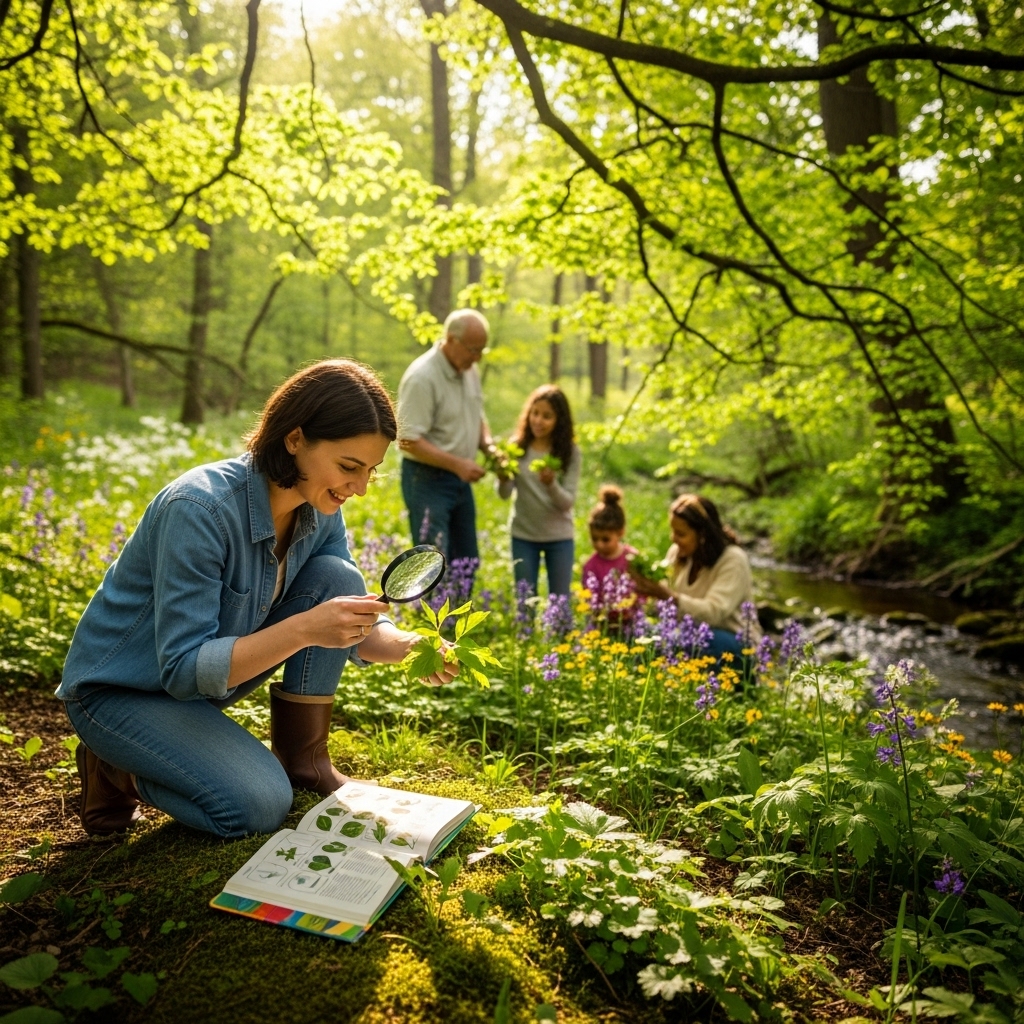
We often identify plants for a variety of reasons, including gardening, cooking, herbal medicine, and even landscaping. For instance, knowing which plants are edible can benefit us in the kitchen, while understanding which plants thrive in our local climate can lead to a more successful garden. I’ve found that being able to recognize plants allows me to make informed decisions about landscaping my home or picking the right herbs for a recipe. Additionally, plant identification can be crucial for conservation efforts, helping us recognize endangered species or invasive plants that threaten local ecosystems. For more on plant management, read Identifying & Managing Four-Lined Plant Bugs in Your Garden.
Essential Tools for Plant Identification
Mobile Apps for Plant Identification
In today’s digital age, mobile apps have become one of the most accessible tools for identifying plants. I’ve tried several apps, but my favorites are those that allow you to take a photo of a plant and receive instant feedback. Apps like “PlantSnap” and “PictureThis” offer user-friendly interfaces that guide you through the identification process. When I first started using these apps, I was amazed at how quickly I could identify plants just by snapping a picture. They also provide additional information about the plant, including care tips and uses, which I found extremely helpful.
Field Guides and Books
While technology is fantastic, I believe there’s something special about flipping through the pages of a good field guide. I’ve built a small collection of plant identification books that are tailored to my local area. These guides often contain detailed illustrations and descriptions that can help you pinpoint a plant’s identity. The best part is that they can be taken anywhere, so you can use them during outdoor adventures. When I go hiking, I love bringing a field guide along to enhance my experience and deepen my connection to the plants I encounter.
Online Databases and Resources
The internet is a treasure trove of information for plant enthusiasts. Websites like “Plants of the World Online” or “USDA PLANTS Database” provide extensive information about different species, their habitats, and characteristics. I often find myself browsing these databases when I want to learn more about a particular plant I’ve spotted. They serve as excellent supplementary resources to the apps and books I use, offering a deeper dive into botanical knowledge. For more detailed guides, consider checking How to Identify: Variegated Money Tree Unique Plant Features.
Key Characteristics to Observe
Leaf Shape and Structure
One of the first things I look at when trying to identify a plant is its leaves. The shape, size, and arrangement of leaves can tell you a lot about the species. For instance, broad, flat leaves often indicate a plant that thrives in a moist environment, while needle-like leaves may suggest adaptations to conserve water. I remember stumbling upon a unique plant with heart-shaped leaves during a hike; it helped me pinpoint it as a type of wild violet. Observing leaf patterns, such as whether they grow opposite each other or are staggered, can also provide clues.
Flower Color and Arrangement
Flowers are often the most distinctive feature of a plant. I’ve found that taking note of flower color, size, and arrangement can significantly aid in identification. For example, the arrangement of petals, whether they are in clusters or singular, can help narrow down options quickly. I recall the excitement of discovering a vibrant purple flower in my garden and using its unique shape and color to identify it as a type of bellflower.
Stem and Bark Features
The characteristics of a plant’s stem or bark are also useful for identification. For trees, the bark’s texture and color can be telling signs. I often run my fingers over the bark to feel its texture—whether it’s smooth, scaly, or peeling. I remember identifying a birch tree by its distinctive white, papery bark, which is unlike any other tree I’ve encountered. For herbaceous plants, the thickness and branching of stems can help distinguish between species.
Root Systems
While we typically can’t see a plant’s roots without digging, understanding the type of root system can be beneficial. For example, taproots are more common in deep-soil plants, while fibrous roots often indicate shallow soil preference. I’ve seen this play out in my garden when I realized that some plants thrived better than others based on their root structure. Even though it’s not always visible, acknowledging the importance of roots can deepen our understanding of plant identification.
Popular Free Methods for Identifying Plants
Using Mobile Apps for Quick Identification
Mobile apps have changed the way I engage with plant identification. One of the best parts is the convenience they offer. If I come across a plant while out for a walk, I just pull out my phone, snap a picture, and let the app do the work. It’s like having a pocket-sized botany expert with me at all times. I remember a day when I was hiking in the woods, and I spotted a plant with striking red berries. I quickly took a picture using my favorite app, and within seconds, I learned it was a native plant often found in my area. The instant feedback not only satisfied my curiosity but also enriched my understanding of the local ecosystem.
Identifying Plants Through Online Communities
One of the most fulfilling aspects of plant identification is connecting with others who share the same passion. I’ve joined online communities where enthusiasts gather to share their findings and help each other identify plants. Platforms like Facebook groups or Reddit threads are treasure chests for knowledge. I posted a picture of a curious plant I found during a nature walk, and the feedback I received was incredible. People from various backgrounds chimed in with insights and personal anecdotes about that particular species, which deepened my appreciation for it. These communities foster a sense of camaraderie and encourage learning, making plant identification a more social experience.
Utilizing Plant Identification Forums
In addition to social media, I often turn to dedicated plant identification forums. These platforms are filled with enthusiasts and experts who are eager to help. I remember posting a photo of an unusual flower I found growing along the roadside. Within hours, several members responded with detailed information about its genus and species, as well as tips on how to cultivate it in my own garden. The wealth of information available in these forums is staggering, and they often have threads dedicated to specific plant families or regions, making it easier to find relevant information.
Engaging with Local Botanical Gardens
Local botanical gardens are fantastic resources that I highly recommend exploring. Not only do they showcase a variety of plants, but many gardens also offer workshops and guided tours focused on plant identification. I once attended a workshop at a nearby botanical garden, where an expert walked us through identifying plants in their extensive collection. It was an eye-opening experience, as I learned tips and tricks that I hadn’t encountered before. Engaging with knowledgeable staff and fellow plant lovers in person adds another layer to the learning process. Plus, being surrounded by so many different species is inspiring, and it’s a great way to connect with nature.
Step-by-Step Guide to Identify a Plant
Step 1: Observe the Plant in Its Habitat
When it comes to identifying a plant, observation is key. Take a moment to really look at the plant in its natural habitat. I often find that the environment can provide clues about the plant’s identity. Is it growing in a shaded area or a sunny spot? Is it in a wetland or a dry, rocky area? These factors can help narrow down the possibilities. I once noticed a plant thriving in a damp area near a stream and later learned it was a type of marsh marigold. By paying attention to the location, I was able to gather valuable insights into its needs and characteristics.
Step 2: Take Clear Photos for Reference
Having clear photos is essential. I’ve made a habit of snapping multiple pictures from different angles—leaves, flowers, stems, and even the surrounding environment. This not only helps when I’m trying to identify the plant later but also allows me to notice details I might have missed in person. I remember a time I photographed a flowering shrub and later realized I hadn’t captured the leaf structure well. When I tried to identify it, I struggled because I didn’t have all the necessary details. Now, I always make sure to get comprehensive images to refer back to.
Step 3: Compare with Resources
Once I’ve gathered my observations and photos, I love diving into my resources. Whether I’m using a plant identification app, a field guide, or online databases, this is where the fun begins. I compare the characteristics I observed with the descriptions I find. I remember the excitement of flipping through my field guide and discovering that the plant I found matched perfectly with one described on the pages. It’s like solving a mystery, and every successful identification feels like a mini victory!
Step 4: Confirm with Experts or Communities
Lastly, I’ve learned the value of seeking confirmation. After doing my research, I often share my findings in online forums or with friends who are knowledgeable about plants. I’ve had so many positive experiences where someone pointed out a detail I missed or confirmed my identification. This collaborative aspect of plant identification enriches the learning process and often leads to discovering even more about the plant. Getting a second opinion can provide peace of mind and enhance my plant identification skills over time.
Common Mistakes to Avoid
Relying Solely on One Method
One mistake I’ve made in the past is relying too heavily on just one method for identification. While mobile apps are convenient, they can sometimes miss nuances that a good field guide or community feedback can provide. I now make it a point to use a combination of methods to ensure accuracy.
Ignoring Seasonal Changes
Another common pitfall is overlooking the impact of seasons on plant appearance. I used to assume that plants always looked the same, but I quickly learned that many species change dramatically throughout the year. It’s essential to consider these changes when identifying plants, as flowers, leaves, and even the overall size can vary.
Misinterpreting Features
Lastly, I’ve found that misinterpreting certain features can lead to confusion. For example, some plants may have similar leaf shapes but differ in other characteristics. I’ve had to remind myself to look at the full picture, including flowers, stems, and even growth patterns. Taking the time to carefully analyze all aspects has saved me from many identification errors.
Additional Resources for Enthusiasts
Recommended Online Courses
If you’re looking to deepen your knowledge, I suggest checking out online courses focused on botany and plant identification. Platforms like Coursera or Udemy have a range of offerings that can suit your skill level.
Books for Further Reading
Building a personal library of plant identification books can be incredibly beneficial. I’ve curated a few favorites that I refer to often, including regional guides that offer insights specific to my area.
Local Workshops and Classes
Attending local workshops or classes is another great way to learn. Many botanical gardens and universities offer programs where you can learn directly from experts in the field. I’ve made wonderful connections and gained invaluable knowledge through these experiences.
Frequently Asked Questions
What are some free methods for identifying plants?
Free methods for identifying plants include using mobile apps, online databases, and local resources like field guides and botanical gardens.
Why is identifying plants important?
Identifying plants enhances our understanding of the environment, contributes to gardening success, and plays a role in health and wellness. It helps us connect with nature and appreciate biodiversity.
What are some common uses for plant identification?
Common uses for plant identification include gardening, cooking, herbal medicine, landscaping, and conservation efforts.
Which mobile apps are recommended for plant identification?
Recommended mobile apps for plant identification include “PlantSnap” and “PictureThis,” which allow users to take photos of plants and receive instant feedback.
What should I observe when identifying a plant?
Key characteristics to observe include leaf shape and structure, flower color and arrangement, stem and bark features, and root systems.
How can online communities assist with plant identification?
Online communities allow plant enthusiasts to share findings and help each other identify plants, providing valuable insights and fostering camaraderie.
What is the step-by-step process to identify a plant?
The process includes observing the plant in its habitat, taking clear photos, comparing with resources, and confirming findings with experts or communities.
What common mistakes should I avoid in plant identification?
Common mistakes include relying solely on one method, ignoring seasonal changes, and misinterpreting features of the plants.
Can you recommend resources for further learning about plant identification?
Recommended resources include online courses on platforms like Coursera and Udemy, books for further reading, and local workshops or classes offered by botanical gardens and universities.
How does observing a plant’s habitat help in its identification?
Observing a plant’s habitat can provide clues about its identity, such as whether it thrives in shaded or sunny areas and the type of soil it prefers.