
Yew trees are fascinating, resilient plants that have graced landscapes for centuries. Their unique features and historical significance make them a captivating subject for anyone interested in botany or gardening. Read Interesting article: Yew Tree Poisoning: Why Yew Is Toxic to Humans & Pets
Overview of Yew Trees
What are Yew Trees?
Yew trees belong to the genus Taxus, which consists of about ten species of evergreen trees and shrubs. These trees are known for their distinctive needle-like leaves, dark bark, and unique red berries. Yews thrive in various climates and are particularly valued in landscaping for their adaptability and ornamental qualities. They can grow as tall as 20 to 60 feet, depending on the species and growing conditions. Yews are often recognized by their dense, dark green foliage and their longevity, with some specimens living for over a thousand years.
Historical Significance of Yew Trees
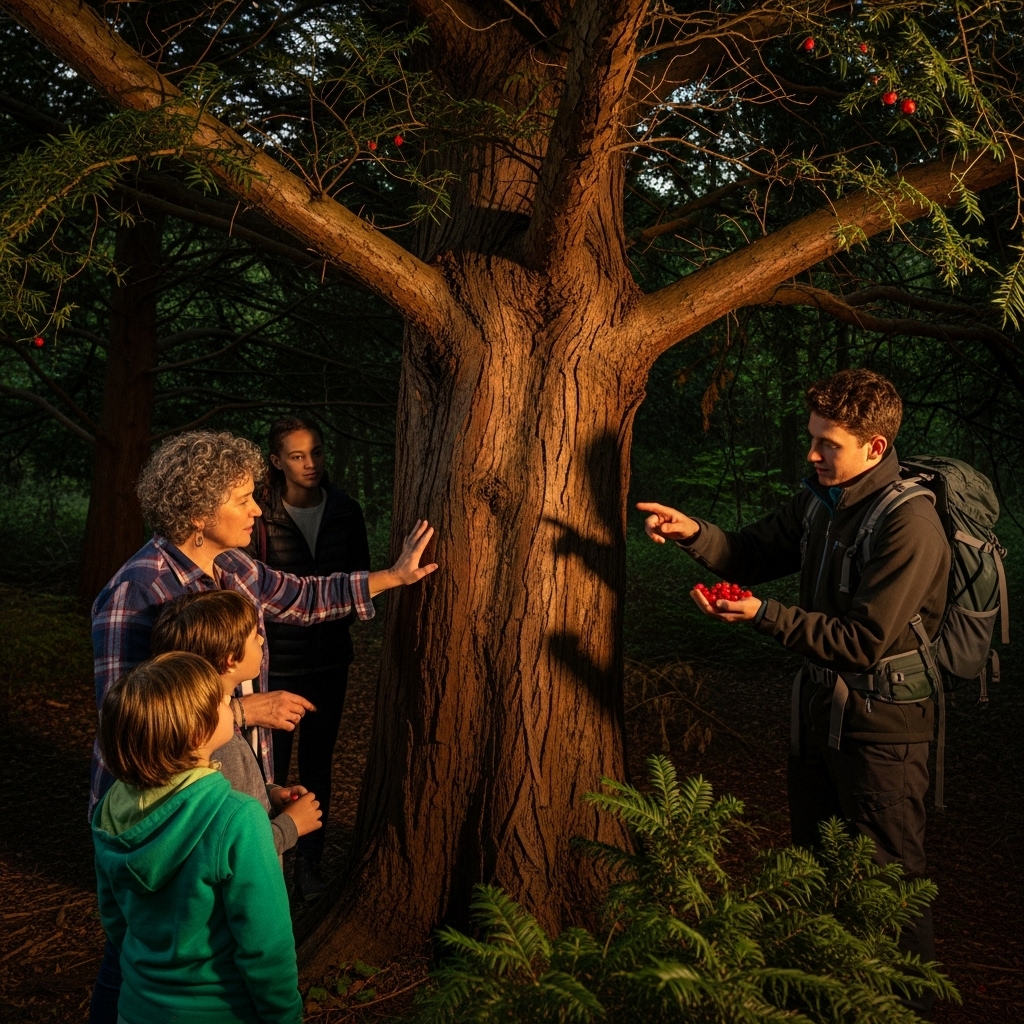
The history of yew trees is rich and deeply intertwined with human culture. In ancient times, yews were often planted in churchyards due to their association with immortality and the afterlife. The dense, long-lasting wood of the yew tree was also used in crafting longbows, especially in England, giving rise to their nickname, “the bow-maker’s tree.” Moreover, in various cultures, yews have been symbols of endurance and resilience. I recall reading about how yew trees were often seen as guardians of the dead, making them a common sight in cemeteries. It’s fascinating how these trees have stood witness to centuries of history.
Geographical Distribution
Yew trees are native to many regions around the world, primarily found in Europe, Asia, and North America. In my experience, encountering a yew tree can be a delightful surprise, as they often grow in a variety of settings, from dense forests to open gardens. The English yew (Taxus baccata) is prevalent in Europe, while the Western yew (Taxus brevifolia) can be found along the Pacific coast of North America. Each region’s climate contributes to the distinct characteristics of the yew species found there. For instance, I remember walking through a nature reserve in Oregon where the Western yew grew alongside towering Douglas firs, creating a lush, vibrant ecosystem.
Identifying Features of Yew Trees
Leaf Characteristics
When it comes to identifying yew trees, their leaves are one of the first features you’ll notice. The leaves are needle-like, which gives them a unique appearance compared to many other conifers. They are flat and usually measure about 1 to 3 inches long.
Shape and Size of Yew Leaves
The leaves are lance-shaped, tapering at both ends, which enhances their elegance. I often find myself captivated by how these leaves create a lush canopy, casting dappled shadows on the ground below. Depending on the species, the leaf size might vary slightly, but the overall shape remains consistent.
Color Variations
Yew leaves typically have a deep green color, but they can also exhibit a yellowish-green hue in some varieties. This variation can be striking, especially in the spring when new growth emerges. I remember visiting a botanical garden and being awed by a yew with vibrant yellow-green foliage that stood out against the more common dark greens around it.
Leaf Arrangement Patterns
Another distinctive feature of yew leaves is their arrangement. They grow in a spiral pattern along the branch, which can be quite unique compared to other coniferous trees. This arrangement, combined with the flattened needles, gives yew trees a soft, feathery appearance. Observing the leaves up close, I noticed how they almost seem to dance in the breeze, showing off their flexibility.
Bark Characteristics
The bark of yew trees is another significant identifying feature. It is typically thin and scaly, with a reddish-brown color that can add a beautiful contrast to the green foliage. I still remember the first time I touched the bark of a mature yew; it felt surprisingly soft yet resilient.
Texture and Color of Yew Bark
The texture of yew bark can vary depending on the tree’s age. Young trees have smoother bark, while older specimens develop a rougher, more textured surface. This aging process can make it easier to distinguish between younger and older yews. I once stumbled upon an ancient yew in a historic churchyard, its bark telling stories of decades, if not centuries, of growth.
Differences Between Young and Mature Bark
Young yew trees have a more uniform and smooth appearance, while mature trees showcase the rough, peeling characteristics that add character. Observing these differences can offer clues about the tree’s age and health. I often find myself fascinated by how nature tells its story through these physical changes over time.
Berry Characteristics
One of the most unique aspects of yew trees is their berries, which can be an essential feature for identification. Unlike many conifers, yews produce fleshy, red berries that encase the seeds.
Color and Size of Yew Berries
The berries are typically bright red and measure about 0.5 to 0.7 inches in diameter. They have a sweet, fleshy outer layer that attracts birds, which play a vital role in dispersing the seeds. I’ve watched birds feast on these berries, making yews a lively part of the ecosystem.
Seasonal Appearance of Berries
Yew berries generally appear in the fall, creating a stunning display against the deep green leaves. I recall taking a walk in late autumn and being charmed by the sight of these bright red berries standing out against the backdrop of a gray sky. However, it’s crucial to note that the seeds inside the berries are toxic, which adds a layer of complexity to their beauty.
Tree Shape and Size
The overall shape and size of yew trees can also help with identification. These trees can vary significantly in form, from tall and upright to low and spreading.
Common Shapes of Yew Trees
Most yew trees have a pyramidal or conical shape, especially when they are young. As they mature, they can develop a more irregular, sprawling shape, particularly in older specimens. I love how each yew tree tells its own story through its shape, influenced by its growing conditions and surroundings.
Height and Growth Patterns
Yew trees typically reach heights between 20 and 60 feet, depending on their species and environment. They can grow quite wide, too, with some varieties spreading out as much as 30 feet. This growth allows them to serve as excellent hedges or privacy screens in gardens and landscapes. I often recommend yews to friends looking to create a natural barrier in their yards due to their dense foliage and adaptability. Read Interesting article: Yew Tree Pruning Guide for Structured Growth
Habitat and Growing Conditions
Preferred Soil Types
Yew trees are quite adaptable when it comes to soil types, which is one of the reasons I find them so appealing. They thrive in various soil conditions, but they do prefer well-drained soils. I’ve noticed that yews flourish best in sandy or loamy soils that provide good drainage while retaining some moisture. Interestingly, they can tolerate slightly acidic to alkaline soils, which is great because it means they can fit into many different garden landscapes. I once planted a yew in a heavy clay area, and while it took some time to establish, it eventually became a robust part of the garden.
Light Requirements
When it comes to light, yew trees are quite flexible. They can grow in full sun, partial shade, or even full shade, making them a versatile choice for gardens. In my experience, I’ve found that yews in full sun tend to have denser foliage and a more vibrant color. However, those growing in shadier spots often develop a unique charm, with their branches reaching out toward the light. I remember wandering through a park where yews in shade created a mystical feeling, their dark green leaves contrasting beautifully with the lighter foliage of nearby trees.
Watering Needs and Drought Resistance
Yew trees are surprisingly resilient when it comes to watering, which is another reason I admire them. They can tolerate periods of drought once established, thanks to their deep root system. However, I learned that they do appreciate regular watering, especially during dry spells. I often water my yews deeply but infrequently, allowing the soil to dry out a bit between waterings. This approach seems to keep them healthy and thriving. During particularly dry summers, I’ve noticed that giving them a little extra care can go a long way in maintaining their lush appearance.
Ecological Importance of Yew Trees
Role in Ecosystems
Yew trees play a vital role in their ecosystems, which I find incredibly fascinating. They contribute to the biodiversity of their habitats by providing shelter and food for various creatures. I’ve often seen yews serving as a refuge for birds, insects, and small mammals. The dense foliage offers protection against predators, and the berries attract a wide range of birds, which helps with seed dispersal. Observing this interaction in nature really made me appreciate how interconnected everything is. It’s amazing to think that a single tree can support so much life.
Support for Wildlife
Beyond simply providing shelter, yew trees offer essential resources for wildlife. The berries, while toxic to humans, are a nutritious food source for birds like thrushes and waxwings. I remember watching a flock of birds feast on the bright red berries in my backyard; it was a lively scene that brought the garden to life. Additionally, yews provide a habitat for various insects, which are crucial for pollination. I’ve noticed that my yews often attract beneficial insects, which helps maintain a healthy garden ecosystem. Knowing that my trees are contributing to local wildlife makes me feel more connected to the environment.
Common Varieties of Yew Trees
English Yew (Taxus baccata)
The English yew is perhaps the most well-known variety, and it holds a special place in my heart. This tree has been a staple in gardens and churchyards for centuries, often used for hedging and topiary due to its dense growth and ability to be shaped. I’ve seen stunning examples of English yews pruned into intricate shapes, adding an artistic touch to landscapes. They can live for hundreds of years, and I often find it awe-inspiring to think about the history behind individual trees. When I visit historic sites, I always look for the ancient yews, imagining what they have witnessed over the years.
Western Yew (Taxus brevifolia)
Native to the Pacific Northwest, the Western yew is another fascinating variety. I’ve encountered these trees in lush forests, where they often grow alongside towering conifers. Their softer, more flexible branches and unique bark make them particularly appealing. I remember hiking in Oregon and coming across a Western yew that had an almost mystical quality, with its twisting branches draped in moss. They tend to be a bit smaller than their English counterparts but are just as beautiful and resilient.
Japanese Yew (Taxus cuspidata)
The Japanese yew is another variety that I’ve come to appreciate. Known for its compact growth habit and dark green foliage, this yew is a favorite for smaller gardens or landscapes. I often recommend it to friends looking for a low-maintenance option that still provides a beautiful aesthetic. The Japanese yew can tolerate pruning well, which makes it ideal for creating neat hedges or borders. I love how versatile this tree can be, fitting into various garden styles while adding an element of grace.
Uses of Yew Trees
Ornamental Uses in Landscaping
Yew trees have found their way into gardens and landscapes around the world, and for good reason. I’ve always admired how versatile these trees are, making them a popular choice for both formal and informal settings. Their dense growth and the ability to be shaped through pruning make yews ideal for hedges, topiary, and borders. I’ve spent many afternoons walking through gardens filled with perfectly clipped yew hedges, and I find their structured beauty incredibly satisfying.
One of my favorite uses of yew trees in landscaping is as a privacy screen. When I planted yews around my backyard, I was amazed at how quickly they filled in, creating a lush, green wall that shields my space from the neighbors. Their adaptability to various light conditions means they can thrive in almost any garden layout. Whether used in a formal garden design or as a natural border, yews add an element of elegance and sophistication. Read Interesting article: Top 10 Proven Benefits of Tree Pruning for Stronger, Healthier Trees
Historical Uses in Medicine
Beyond their ornamental value, yew trees have a fascinating history in medicine. I remember learning about how the bark and leaves of the yew have been used in traditional medicine for centuries. While the berries are toxic, certain compounds extracted from yew trees have been found to have medicinal properties. For instance, taxol, a compound derived from the bark of the Pacific yew, is used in cancer treatment. I think it’s incredible how a tree that can be toxic to some has also given us a powerful tool in modern medicine.
This duality of the yew tree has always intrigued me. I’ve read accounts of ancient herbalists who utilized yew in various remedies, and I can’t help but feel a sense of awe at the knowledge they possessed. The stories of these trees being revered for their healing properties add another layer of richness to their already captivating history.
Wood Uses and Craftsmanship
The wood of the yew tree is another remarkable feature. Dense and durable, yew wood has been valued for its strength and flexibility, making it a favorite among craftsmen. I recently visited a woodshop where the artisan proudly showcased a beautiful yew bow he crafted, highlighting the wood’s exceptional qualities. The rich, warm color of yew wood adds a unique character to furniture and other wooden items, which is something I truly appreciate.
In addition to making bows, yew wood has been used historically for a variety of purposes, including furniture, carving, and even musical instruments. I’ve seen yew wood pieces that are both functional and artistic, showcasing the craftsmanship involved in working with this beautiful material. The fact that yew wood can last for centuries when cared for properly only adds to its appeal. Whenever I come across a piece made from yew, I can’t help but admire the artistry and the story behind it.
Safety and Toxicity
Toxicity of Yew Berries and Needles
While yew trees are undeniably beautiful and useful, it’s crucial to discuss their toxicity. I’ve learned that every part of the yew tree, except for the fleshy outer layer of the berries, is toxic to humans and many animals. The needles and seeds contain compounds called taxines, which can be harmful if ingested. I remember a friend of mine who, unaware of this fact, let their dog run freely in a garden filled with yews. Thankfully, the dog was fine, but it served as a reminder of the importance of being aware of the plants around us.
This toxicity can be a double-edged sword. While it adds a layer of intrigue to the yew tree, it also necessitates caution. I always make it a point to educate my friends and family about the potential dangers, especially if they have pets or small children. It’s essential to appreciate the beauty of yews while being mindful of their risks.
Precautions When Handling Yew Trees
If you’re planning to work with yew trees, there are a few precautions to keep in mind. I’ve found that wearing gloves when pruning or handling yew branches is a smart move. This simple step can help prevent any skin irritation or accidental ingestion of the toxic parts. When I first started gardening with yews, I didn’t realize the importance of these precautions, but I quickly learned my lesson.
Another consideration is to ensure that any garden debris, like fallen needles or berries, is properly disposed of to prevent accidental ingestion by animals. I often tidy up my garden regularly, making sure to remove any potentially harmful materials. By taking these safety measures, I can enjoy the beauty of yew trees while keeping my environment safe for myself and the wildlife around me.
Frequently Asked Questions
What are yew trees and their characteristics?
Yew trees belong to the genus Taxus, consisting of about ten species of evergreen trees and shrubs. They are known for their needle-like leaves, dark bark, and unique red berries. Yews can grow 20 to 60 feet tall and are valued for their adaptability and ornamental qualities.
What is the historical significance of yew trees?
Yew trees have a rich history intertwined with human culture. They were often planted in churchyards due to their association with immortality and were used to craft longbows in ancient times. Yews are also seen as symbols of endurance and resilience, making them common in cemeteries.
Where are yew trees geographically distributed?
Yew trees are native to many regions, primarily found in Europe, Asia, and North America. The English yew (Taxus baccata) is prevalent in Europe, while the Western yew (Taxus brevifolia) is found along the Pacific coast of North America.
What are the identifying features of yew trees?
Yew trees are identified by their needle-like leaves, which are flat and lance-shaped, and typically deep green in color. They have thin, scaly bark that is reddish-brown, and they produce bright red berries encasing seeds that are toxic.
What are the preferred growing conditions for yew trees?
Yew trees are adaptable and thrive in well-drained soils, preferably sandy or loamy types. They can grow in full sun, partial shade, or full shade, and they are drought-resistant once established, though they appreciate regular watering.
What role do yew trees play in their ecosystems?
Yew trees contribute significantly to biodiversity by providing shelter and food for various creatures. Their dense foliage offers protection, while the berries attract birds and help with seed dispersal, supporting local wildlife.
What are some common varieties of yew trees?
Common varieties of yew trees include the English yew (Taxus baccata), known for its dense growth; the Western yew (Taxus brevifolia), native to the Pacific Northwest; and the Japanese yew (Taxus cuspidata), favored for its compact growth habit.
What are the ornamental uses of yew trees in landscaping?
Yew trees are popular in landscaping for their versatility. They can be shaped into hedges, topiary, and borders, and are often used as privacy screens due to their dense growth and adaptability to various light conditions.
What medicinal uses do yew trees have?
The bark and leaves of yew trees have been used in traditional medicine, particularly due to taxol, a compound derived from the Pacific yew, which is used in cancer treatment. This duality of toxicity and medicinal properties adds to the yew tree’s intrigue.
What precautions should be taken when handling yew trees?
When working with yew trees, it is important to wear gloves to prevent skin irritation and accidental ingestion of toxic parts. Additionally, garden debris like fallen needles or berries should be properly disposed of to ensure safety for pets and children.