
Monarch butterflies require adequate hydration for survival, but they do not drink water like birds do. Instead, they rely on puddling behavior to absorb moisture from damp surfaces. This article provides practical methods to keep monarchs hydrated sustainably, ensuring minimal water waste.
Understand the Hydration Needs of Monarch Butterflies
Monarch butterflies have a unique way of staying hydrated. Instead of sipping from water sources like birds do, they prefer to gather moisture through puddling. Let’s dive into how this works and why it matters.
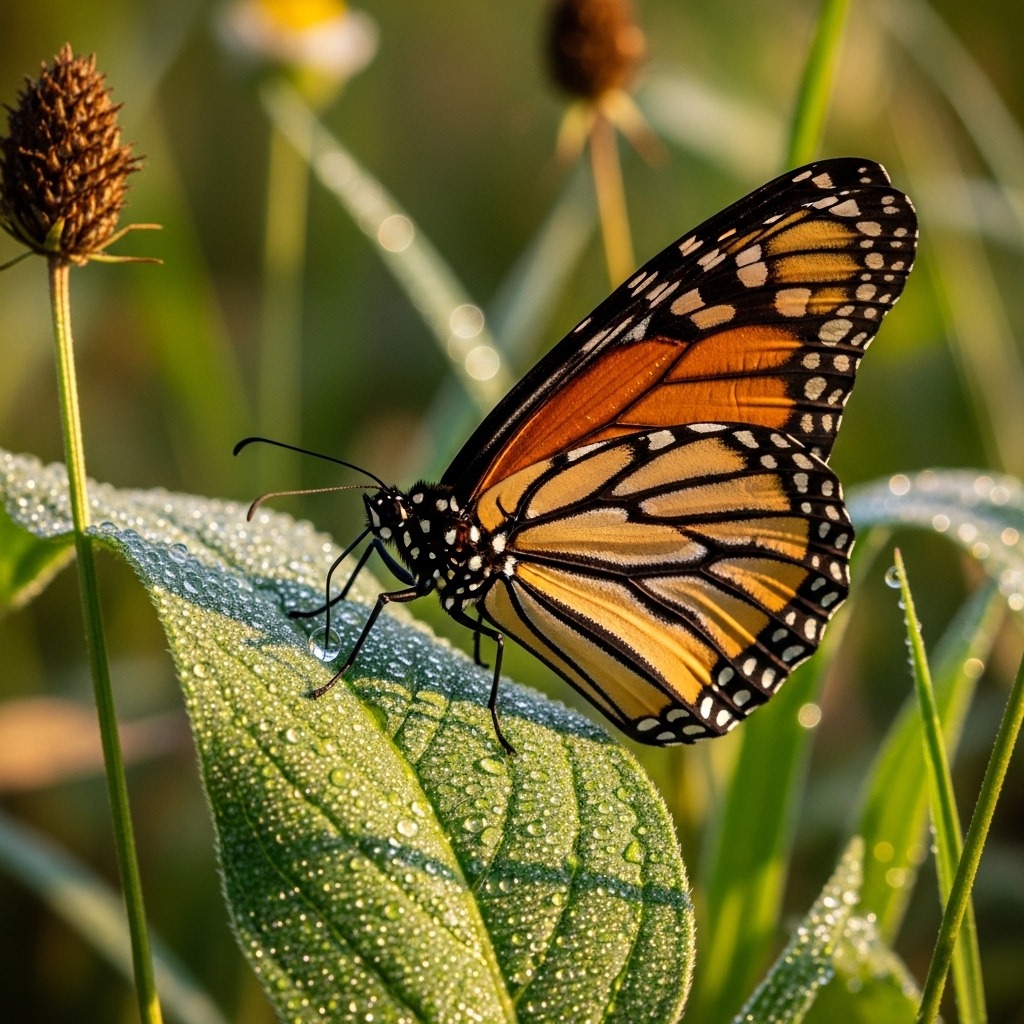
Monarchs and Their Unique Drinking Behavior
Monarchs don’t drink water in the traditional sense. They don’t land on water; instead, they absorb moisture from damp surfaces. This behavior is called puddling. During puddling, they sip from shallow areas like muddy spots or moist soil.
Here’s why puddling is essential:
- Moisture Absorption: Monarchs get the hydration they need by drinking the moisture found in the soil.
- Nutrient Intake: While puddling, they also consume important minerals and salts, which are crucial for their survival.
- Energy Conservation: This method allows them to conserve water, especially in dry conditions.
Understanding Puddling and Its Importance
Puddling is not just a quirky behavior; it’s vital for the monarch’s life cycle. Here’s how it impacts their survival:
- Survival Strategy: Monarchs often puddle in groups, helping them stay hydrated and find nutrients more effectively.
- Temperature Regulation: By absorbing moisture from the ground, they can also help regulate their body temperature.
- Environmental Awareness: Monarchs are sensitive to their environment. They choose puddling spots based on moisture availability, which can change with weather conditions.
The Role of Moisture in Monarch Survival
Moisture-rich environments are essential for monarch butterflies. Here’s how you can create suitable conditions for them:
- Butterfly Gardens: Plant native flowers and milkweed to attract them. These plants hold moisture and provide nectar.
- Puddling Stations: Set up shallow puddling stations. Use materials like mud or sand mixed with a tiny bit of water. This creates the perfect environment for monarchs to gather.
- Sustainable Practices: Avoid pesticides in your garden. Chemicals can harm butterflies and their habitats.
For a simple setup, consider a Butterfly Puddling Station Kit. It can help you create an inviting spot for these beautiful creatures. Check Price on Amazon.
Table of Contents
Remember, it’s all about providing the right conditions. By understanding and respecting their hydration needs, you can support the monarch population while conserving water.
Create Effective Puddling Stations for Butterflies
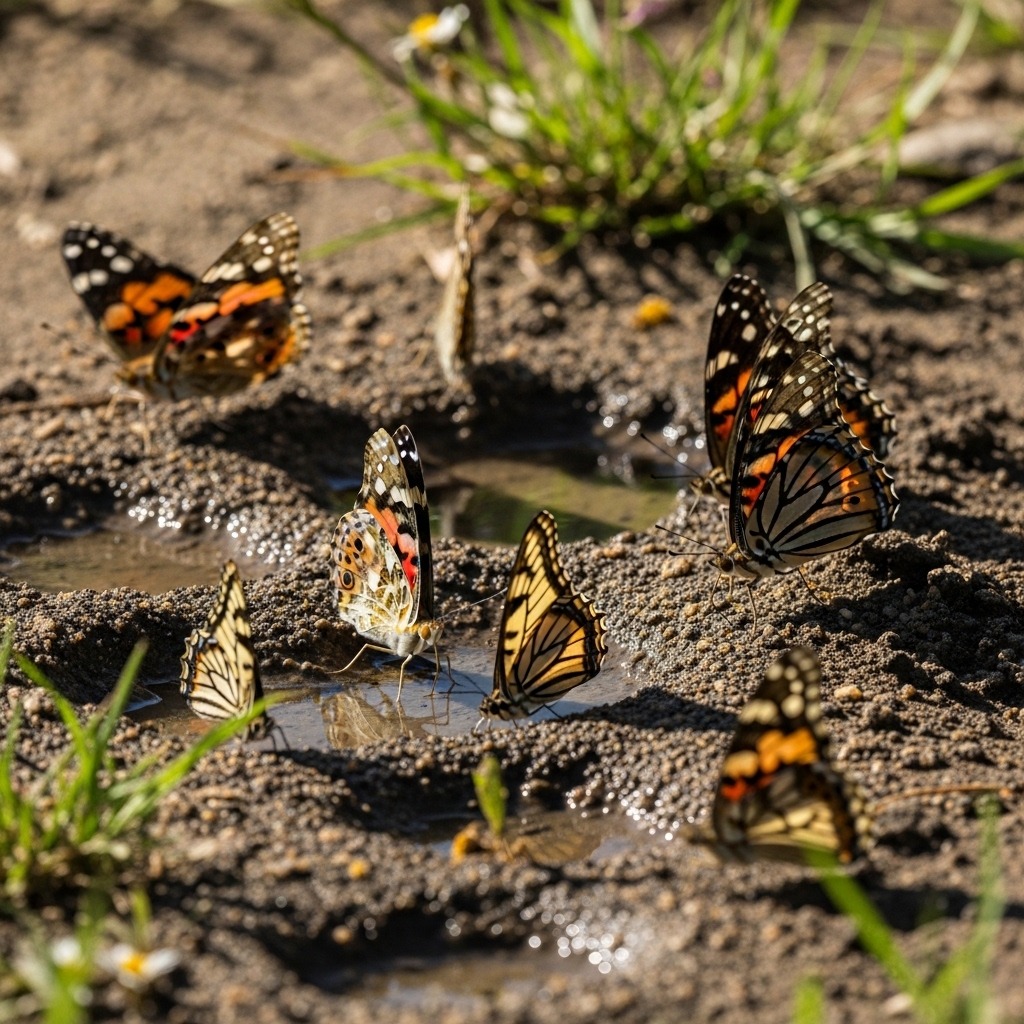
Setting up a puddling station is a fantastic way to hydrate monarch butterflies while conserving water. It encourages these beautiful creatures to gather and sip moisture in a sustainable way. Here’s how to create an effective puddling station in your garden.
Selecting the Right Location
Choose a sunny spot in your garden. Monarchs love warmth, and a sunny area helps evaporate excess water. Look for a place near native plants. This will attract butterflies and give them easy access to nectar.
Materials Needed for a Puddling Station
Gather these simple materials:
- Shallow Dish or Basin: A small dish works well. It should be shallow enough for butterflies to land safely.
- Sand or Mud: This creates a textured surface for puddling. Mix sand or mud with a little water.
- Natural Additives: Consider adding crushed fruit or a pinch of salt. These attract butterflies due to the minerals and nutrients they provide.
Setting Up Your Puddling Station
1. Prepare the Base: Fill your shallow dish with sand or mud, leaving a bit of space for water. Make sure it’s not too deep.
2. Add Water: Pour a small amount of water into the dish. Just enough to moisten the sand or mud. Change the water regularly to keep it fresh.
3. Include Nutrients: Add a small piece of fruit or sprinkle some salt on the surface to entice the butterflies.
4. Maintain the Area: Keep the station clean. Remove debris and algae that might accumulate over time. A quick scrub with a stiff brush every few days can do wonders.
Scenario-Based Example
Imagine you set up a puddling station near a patch of milkweed in your garden. Within days, you notice butterflies congregating around it. The butterflies sip from the muddy surface, getting vital minerals. Over the weeks, you’ve not only hydrated them but also created a lively butterfly hotspot. This simple setup can significantly boost local monarch populations, making your garden a sanctuary for these amazing insects.
By following these steps, you’ll provide a crucial hydration source for monarchs while practicing sustainable gardening. Happy butterfly watching!
Sustainable Water Sources: Options Beyond Traditional Methods
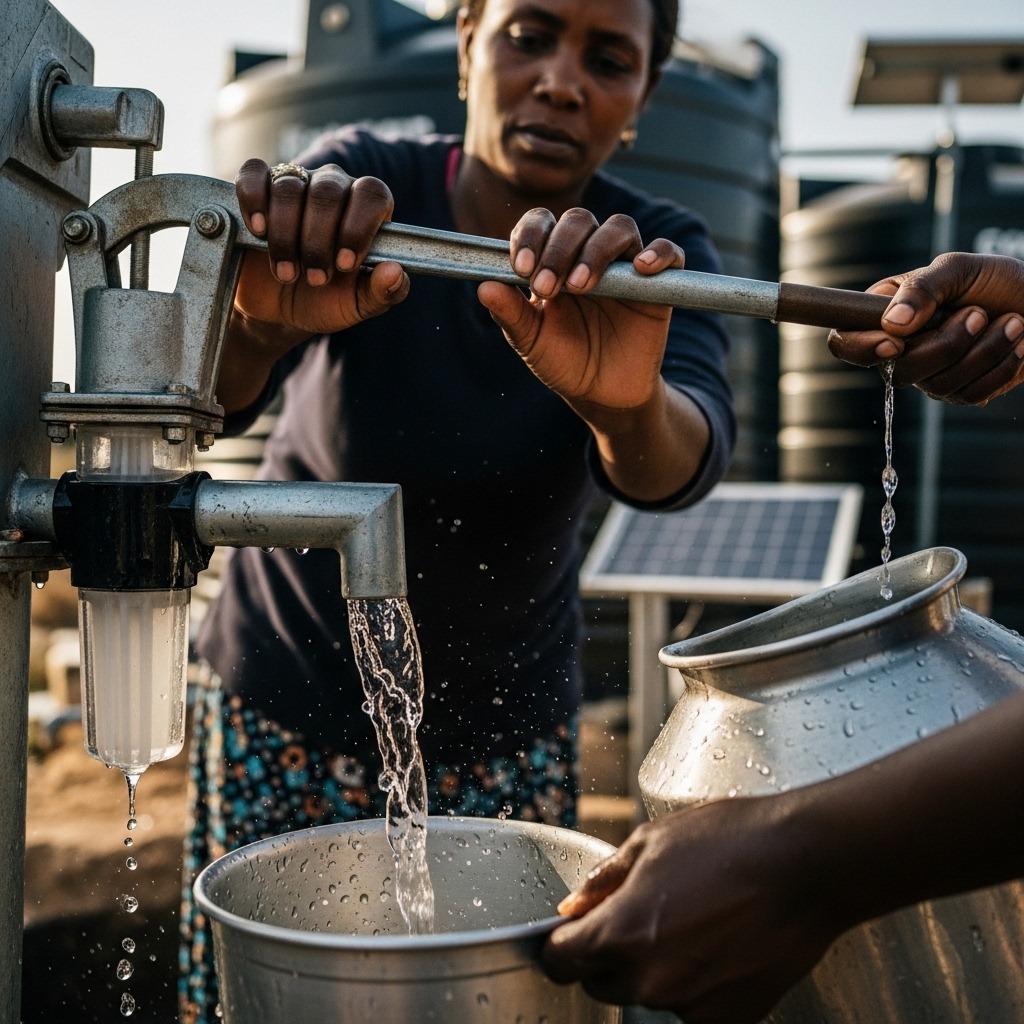
Providing water for monarch butterflies doesn’t have to mean wasting precious resources. Here are some eco-friendly ways to keep these lovely creatures hydrated.
Using Natural Features in Your Garden
Create natural water sources that mimic the monarch’s preferred hydration methods. Here’s how:
- Mud Puddles: Designate a small area in your garden for a mud puddle. Simply keep the soil moist. Monarchs will flock to sip from it.
- Soil Misting: Mist the soil around your flowers. This adds moisture without creating standing water, which butterflies can’t use.
- Dew Collection: Place flat stones or leaves in your garden. They collect dew and moisture, providing easy access for butterflies.
Innovative Water Collection Techniques
Get creative with how you provide water. These methods are sustainable and effective:
- Butterfly Puddling Station Kit: This kit is a simple solution. It allows you to create a designated puddling area that attracts butterflies. Check Price on Amazon.
- Rainwater Collection: Set up a rain barrel to collect water. Use this water to moisten the garden. It’s a great way to conserve water while helping monarchs.
- Shallow Dishes: Use dishes filled with sand and water. Keep the water shallow to prevent drowning. Change the water regularly to keep it clean.
Comparing Puddling Stations and Other Water Sources
Not all water sources are created equal. Here’s a quick comparison:
| Water Source Type | Effectiveness | Notes |
|---|---|---|
| Mud Puddles | High | Monarchs thrive on natural moisture. |
| Puddling Station Kit | High | Designed specifically for butterflies. |
| Shallow Dishes | Moderate | Easy to set up, requires regular maintenance. |
| Rainwater Collection | High | Eco-friendly, good for multiple plants. |
| Soil Misting | High | Keeps the garden moist without waste. |
When choosing a method, consider your garden setup and maintenance level. The right hydration source can make your garden a monarch haven while conserving water effectively.
Importance of a Pesticide-Free Environment
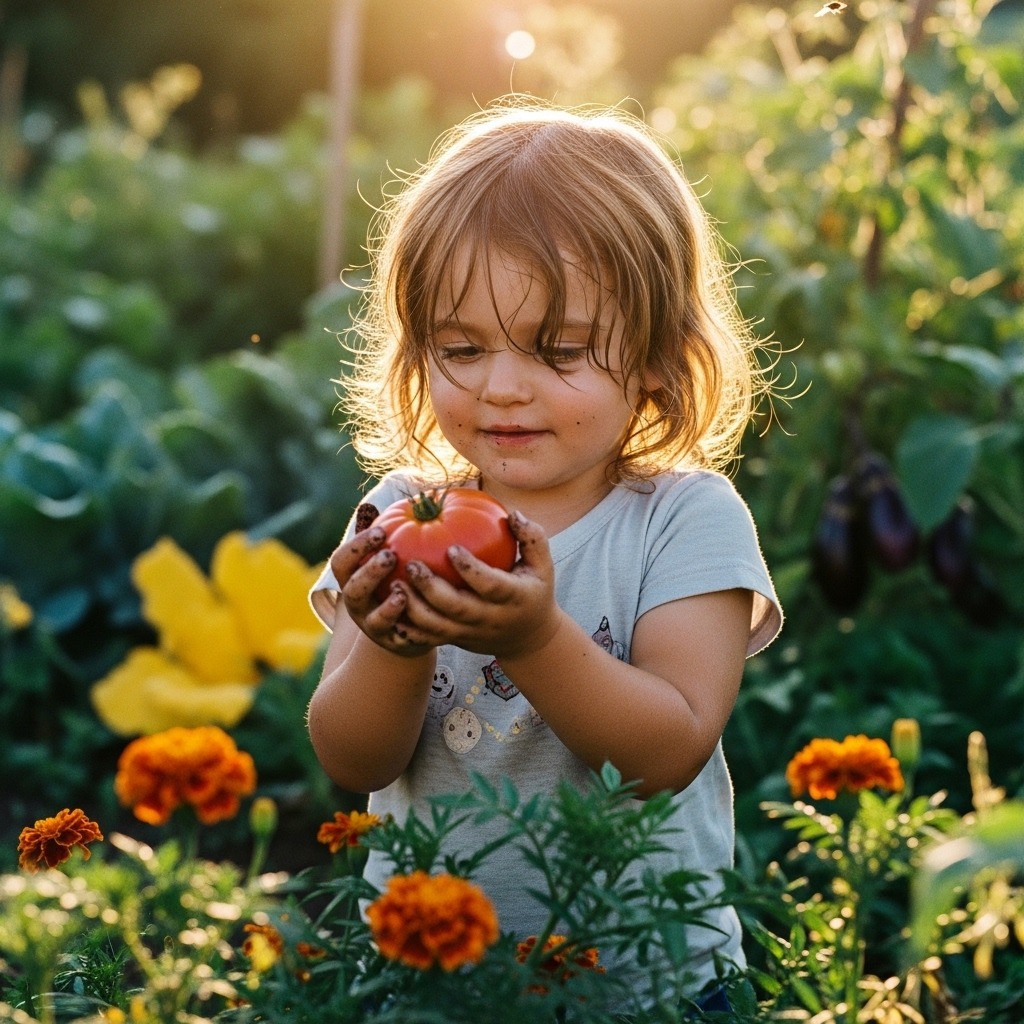
Creating a pesticide-free environment is essential for the health of monarch butterflies. Pesticides can harm these beautiful creatures, directly impacting their hydration and overall well-being.
How Pesticides Affect Monarch Butterflies
Pesticides pose a significant threat to monarch populations. Studies show that the use of these chemicals contributes to their decline. When butterflies come into contact with pesticides, it disrupts their ability to find food and water. This can lead to dehydration and ultimately death.
- Impact on Hydration: Pesticides can damage the plants that monarchs rely on for nectar and moisture. Without these plants, butterflies struggle to stay hydrated.
- Reduced Food Sources: Many pesticides target the very insects that provide vital nectar. Fewer food sources mean less hydration for monarchs.
Creating a Safe Habitat for Butterflies
To support monarchs, it’s crucial to establish a safe, pesticide-free habitat. Here are some steps to consider:
- Go Organic: Use organic gardening methods. This means avoiding chemical pesticides and herbicides.
- Encourage Biodiversity: Plant a variety of native flowers and milkweed. This creates a rich ecosystem where monarchs can thrive.
- Regular Maintenance: Keep your garden clean and free from harmful chemicals. Monitor plant health without resorting to pesticides.
Recommended Native Plants for a Butterfly-Friendly Garden
Native plants are essential for attracting monarchs and ensuring they have the hydration they need. Here are some great options to consider:
- Milkweed: The only food source for monarch caterpillars.
- Coneflower: A nectar-rich plant that butterflies adore.
- Black-eyed Susan: Offers both beauty and sustenance.
By choosing these plants, you create a welcoming space for monarchs. This not only helps with their hydration but also supports their entire lifecycle.
Incorporating these practices fosters a thriving environment for monarchs while conserving water and promoting sustainability.
Common Mistakes to Avoid in Butterfly Hydration
Keeping monarch butterflies hydrated is crucial, but it’s easy to make mistakes. Let’s look at some common pitfalls and how to avoid them.
Understanding Drowning Risks
One major mistake is assuming butterflies can drink like other animals. Monarchs can’t land on water to sip. Instead, they need shallow puddles or moist soil. If you place water in a container, make sure it’s not too deep. Butterflies can drown in water that’s too deep or if they can’t find a way out.
Checklist to Prevent Drowning:
- Use shallow containers.
- Add rocks or sticks for landing spots.
- Regularly check water levels to ensure safety.
Avoiding Overwatering and Stagnation
Overwatering can create stagnant water. This isn’t just wasteful; it can also breed mosquitoes and harmful bacteria. Instead, aim for small, sustainable puddling spots. Change the water frequently to keep it fresh and clean.
Quick Tips:
- Limit water to just a few inches.
- Refresh water every few days.
- Use excess water to hydrate your garden plants.
Choosing the Right Materials for Puddling Stations
Not all materials are created equal. Some containers can leach harmful chemicals into the water. Opt for natural materials like clay or stone for puddling stations. These will keep the water clean and safe for your butterflies.
Material Recommendations:
- Clay pots: Great for creating shallow puddles.
- Stones: Natural and blend well into gardens.
- Avoid plastic: It can break down and leach toxins.
Personal Anecdote
One experienced gardener shared her story about setting up a puddling station. She initially used a deep birdbath. After realizing it wasn’t effective, she switched to a shallow ceramic dish with stones for landing spots. Her butterflies thrived, and she felt good knowing she was using less water and creating a safer environment.
By being mindful of these common mistakes, you can create a welcoming habitat for monarch butterflies while conserving water.
Frequently Asked Questions
These quick answers cover the most common questions about this topic, including key details, practical tips, and common concerns.
Does a butterfly need water to survive?
Yes, monarch butterflies need moisture to stay hydrated, but they do not drink water like birds. Instead, they gather moisture through puddling, which involves sipping from damp surfaces like muddy patches or moist soil. Providing access to these natural puddling spots is essential for their hydration.
Can a butterfly see you?
Yes, butterflies have good vision and can see humans nearby. They are sensitive to movement and changes in their environment. While they may not recognize humans personally, they can detect your presence, which might cause them to fly away if they feel threatened.
Should butterfly milkweed be cut back in the fall?
Yes, it’s generally recommended to cut back butterfly milkweed in the fall. This helps prevent disease and prepares the plant for healthy growth in the spring. Cutting back also encourages new growth and maintains the plant’s health for attracting monarchs next season.
Can monarch butterflies hear humans?
No, monarch butterflies cannot hear humans. They lack the auditory organs needed to perceive sound. Instead, they rely on vision and chemical cues to find food, mates, and suitable puddling spots.
What is the best way to provide water for butterflies?
The most effective way is to create shallow puddling stations with mud, sand, or moist soil. You can add a small amount of water, crushed fruit, or minerals to attract monarchs. Avoid deep water sources or standing water that can drown butterflies. Maintaining these stations with fresh water is key.
How often should I change the water for my butterfly garden?
Change the water in your puddling stations every few days to prevent stagnation and algae buildup. Regular replacement ensures the water remains fresh, safe, and attractive to monarchs. If you notice debris or algae, clean and refill the station promptly.
Can I use tap water for butterflies?
Yes, tap water is generally safe for butterflies, but it’s best to use it sparingly. If your tap water is heavily chlorinated, let it sit out for 24 hours before use to allow chlorine to dissipate. Using rainwater or filtered water is also a good eco-friendly option.
What plants are best for attracting monarch butterflies?
Native milkweed species are essential as they are the caterpillars’ only food source. Other nectar plants like coneflowers, black-eyed Susans, and goldenrod attract adult monarchs for feeding and puddling. Planting a variety of these native flowers provides both food and hydration sources.
How can I create a pesticide-free environment for butterflies?
Avoid using chemical pesticides and herbicides in your garden. Use organic methods to control pests and promote biodiversity. Plant native flowers and milkweed to attract and support monarchs naturally. Regularly inspect plants for pests without chemicals, creating a safe habitat.
What are the signs of a healthy butterfly garden?
A healthy butterfly garden features abundant native nectar plants, milkweed for caterpillars, and clean, shallow puddling spots. You’ll see frequent butterfly activity, including puddling behavior, feeding, and egg-laying. The presence of various pollinators and minimal pesticide use also indicates good health.