
Looking after an Aloe Vera plant is simple and rewarding; just ensure it gets plenty of sunlight, water it sparingly, and use well-draining soil. I’ve found that with a little attention, Aloe Vera can thrive and even produce offsets, making it both a beautiful and useful addition to my home. Read Interesting article: How to Take Care of the Aloe Vera Plant (Easy Steps)
Table of Contents
Overview of Aloe Vera Plants
What is Aloe Vera?
Aloe Vera is a succulent plant known for its fleshy leaves and gel-like substance, which has been used for centuries for its medicinal properties. I remember the first time I learned about Aloe Vera; I was amazed to discover that it’s not just a pretty plant but also has a rich history in traditional medicine. The gel inside its leaves is often touted for its soothing qualities, making it a popular choice for treating minor burns and skin irritations. Beyond its benefits for humans, Aloe Vera is a resilient houseplant that can brighten up any space.
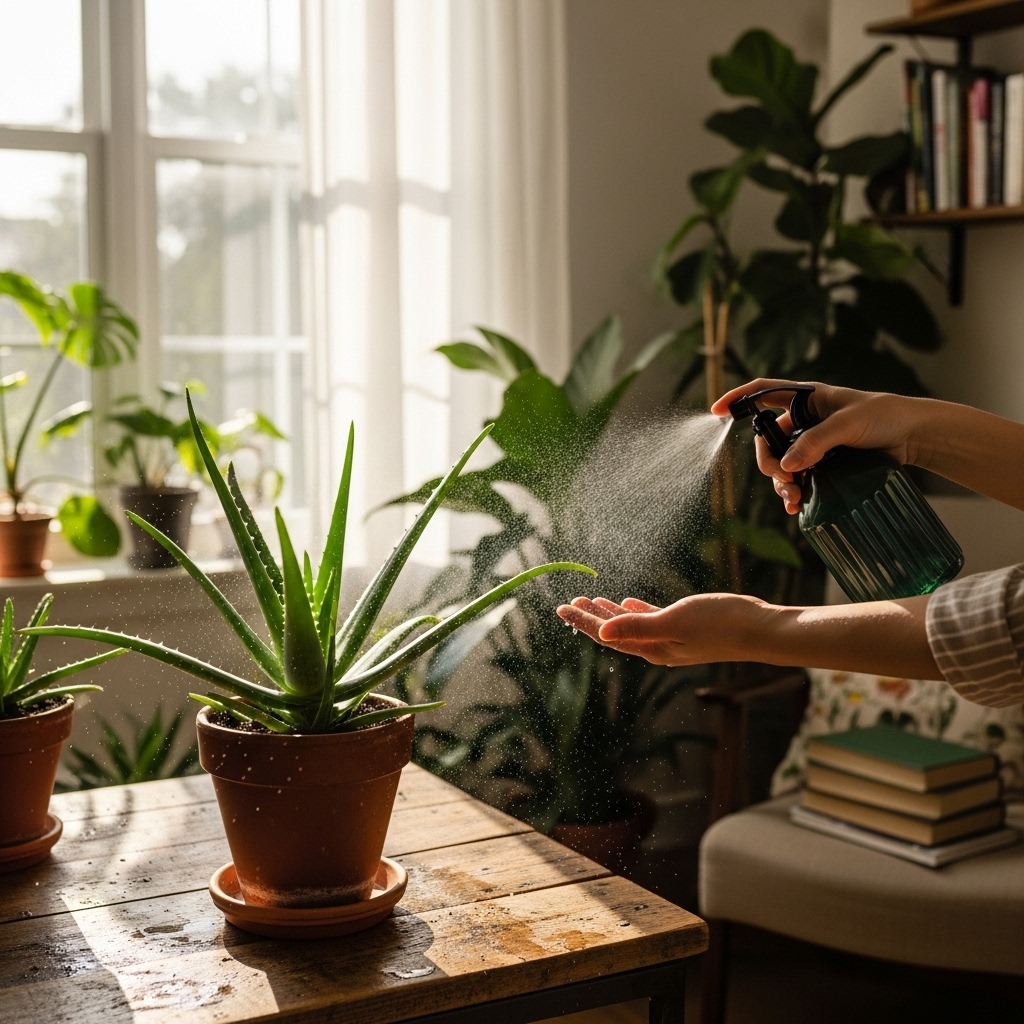
Common Varieties of Aloe Vera
While many people are familiar with the standard Aloe Vera plant, there are actually several varieties, each with its own unique characteristics. The most common type is the Aloe Barbadensis Miller, which is what most people think of when they hear “Aloe Vera.” It has thick, fleshy leaves with a distinctive serrated edge. Then there’s the Aloe Vera ‘Variegata,’ which has beautifully striped leaves that can add an interesting visual element to your collection. I’ve come to appreciate the differences in their appearances and characteristics, and I think that having a mix of varieties can make for an engaging indoor garden.
Benefits of Growing Aloe Vera
Growing Aloe Vera offers numerous benefits beyond its aesthetic appeal. For one, it’s incredibly low-maintenance, making it perfect for both beginners and seasoned plant enthusiasts. I love how forgiving it is; it seems to bounce back from minor neglect. Furthermore, Aloe Vera is known to purify the air, filtering out harmful toxins and providing fresher air in our homes. Plus, having a readily available source of Aloe gel for skincare needs is just a bonus. Whenever I get sunburned or have a minor cut, I simply cut a leaf and apply the gel directly. It’s like having a natural remedy right at my fingertips. Read Interesting article: How to Care for Aloe Vera Plant (Complete Guide)
Choosing the Right Environment
Ideal Light Conditions
One of the most crucial factors for the health of an Aloe Vera plant is its light exposure. These plants thrive in bright, indirect sunlight. I’ve learned that placing my Aloe Vera near a south or east-facing window works best. However, I initially made the mistake of putting it in direct sunlight for too long, which caused the leaves to burn. Now, I make sure to give it just enough light without overwhelming it. If you notice the leaves stretching or becoming leggy, that’s a sign it needs more light. Conversely, if the leaves are turning brown, you might need to adjust its position to prevent sunburn.
Optimal Temperature Range
Aloe Vera enjoys warm conditions. Ideally, it thrives in temperatures ranging from 60°F to 75°F (15°C to 24°C). I’ve noticed that my plant does best when I keep it indoors during the winter months, as it’s not frost-tolerant. If the temperature drops below 50°F (10°C), it can suffer damage. I recommend keeping it away from cold drafts and windows during chilly seasons, as I’ve seen how quickly it can negatively impact its health.
Best Location in Your Home
When deciding where to place your Aloe Vera, consider a location that meets its light and temperature needs. I’ve found that placing mine on a shelf or table near a window provides the right balance of light and warmth. Additionally, keeping it out of reach of pets or small children is wise, as the leaves can be sharp. Ensure the space allows for good air circulation; I’ve noticed that plants placed in more confined spaces tend to thrive less than those with room to breathe.
Soil and Potting Requirements
Best Soil Mix for Aloe Vera
The right soil mix is essential for a healthy Aloe Vera plant. Since these succulents are accustomed to dry environments, they prefer a well-draining mix. I usually opt for a cactus or succulent potting mix, which helps prevent root rot. Mixing regular potting soil with sand or perlite can also create a suitable environment. I remember the first time I repotted my Aloe; I was amazed at how much healthier it looked after switching to a better soil mix.
Choosing the Right Pot Size
When it comes to pot size, it’s best to choose one that’s slightly larger than the root ball of your Aloe Vera. A pot that’s too big can retain too much moisture, leading to root rot, which is something I learned the hard way. I found that a pot with a diameter of around 6 to 8 inches works well for most Aloe Vera plants. It gives them adequate space to grow without overwhelming them.
Importance of Drainage
Drainage is critical for Aloe Vera care. A pot with drainage holes helps ensure that excess water can escape, preventing waterlogging. I always check my pots to ensure they have holes before planting. If you’re using decorative pots without drainage, consider using a plastic nursery pot inside that has holes, so you can easily remove it for watering. Keeping this in mind has saved my plants from the dreaded overwatering fate.
Watering Your Aloe Vera
How Often to Water
Watering my Aloe Vera has become a bit of an art. I’ve learned that these plants prefer to dry out between waterings, so I usually give mine a drink every two to three weeks. However, this can vary based on the season and humidity levels in my home. In the warmer months, I find that the soil dries out faster, so I might check it weekly. I like to stick my finger into the top inch of the soil; if it feels dry, it’s time for a drink. During the winter, I cut back on watering significantly, sometimes waiting up to a month. It’s all about finding that sweet spot based on my plant’s environment.
Signs of Overwatering
Overwatering Aloe Vera is a mistake I made early on. I remember the sinking feeling when I noticed my plant’s leaves turning yellow and mushy. It was heartbreaking! A clear sign of overwatering is if your Aloe seems to get squishy or if the leaves are drooping. The roots can start to rot, which is something I never want to experience again. I’ve learned that it’s better to err on the side of caution, so if I’m unsure, I’d rather wait a few extra days before watering than risk drowning my plant.
Signs of Underwatering
On the flip side, I’ve also faced the consequences of underwatering. If I wait too long between waterings, the leaves can become wrinkled and shriveled. I first noticed these signs after a busy week when I hadn’t checked on my Aloe. When I saw the leaves looking sad and a bit limp, I knew it was time to step in. Once I watered it, I could almost see it perk up! Keeping an eye on the texture of the leaves has really helped me gauge when it’s time to water again. I’ve found that a healthy Aloe Vera should have plump, firm leaves.
Fertilizing Aloe Vera
When to Fertilize
Fertilizing isn’t something I do too often with my Aloe Vera. These plants are quite low-maintenance, and I’ve discovered that they don’t require much in terms of nutrients. Typically, I fertilize during the growing season, which is spring and summer. I usually apply a diluted fertilizer about once a month. During the fall and winter, I skip fertilization entirely since the plant goes dormant. It’s fascinating how I’ve learned to listen to my plant’s needs—it really saves me from overdoing it!
Best Fertilizers for Aloe Vera
When it comes to choosing the right fertilizer, I’ve found that a balanced, water-soluble fertilizer works best. Something like a 10-10-10 or a 20-20-20 mix diluted to half strength does wonders. I also like to use a fertilizer specifically designed for succulents, as it takes into account their unique needs. I remember the first time I tried a succulent-specific fertilizer, and my Aloe seemed to respond positively almost immediately. It’s always satisfying to see my plant thrive!
Organic vs. Chemical Fertilizers
In my experience, I lean towards organic fertilizers when caring for my Aloe Vera. I feel more comfortable knowing that I’m using natural ingredients, which can be gentler on the plant. I’ve experimented with compost teas and worm castings, both of which have given my Aloe a nice boost without the risk of chemical buildup. However, I understand that some folks prefer chemical fertilizers for their quick results. It really comes down to personal preference and what works best for my plant and my peace of mind.
Repotting Aloe Vera
When to Repot
Repotting is another crucial aspect of Aloe Vera care that I’ve learned about through experience. I usually repot my plant every couple of years or when I notice the roots starting to outgrow the pot. Signs like roots poking out from the drainage holes or the plant becoming top-heavy are good indicators that it’s time for a new pot. I remember feeling nervous the first time I repotted, but it’s become a routine part of my plant care that I actually look forward to.
Step-by-Step Repotting Guide
Repotting my Aloe Vera has become a straightforward process. First, I gather my materials: a slightly larger pot, fresh soil, and of course, my plant. I start by gently removing the Aloe from its old pot, being careful not to damage the roots. Next, I shake off the excess soil and inspect the roots for any signs of rot. I trim away any unhealthy roots before placing the plant in its new home with fresh, well-draining soil. After positioning it in the center of the pot, I fill in with more soil, gently pressing it down. Finally, I give it a good drink of water and place it back in its ideal spot, ready to thrive once more!
Signs Your Aloe Vera Needs a New Pot
There are a few signs that make it pretty clear my Aloe Vera is ready for a new pot. As I mentioned, if I see roots sticking out of the drainage holes or if the plant looks overly crowded in its current pot, it’s time to repot. Another indicator is if the growth seems stunted, even during the growing season. I’ve learned to keep an eye on these signs so I can ensure my Aloe has plenty of room to grow strong and healthy.
Pest and Disease Management
Common Pests Affecting Aloe Vera
Pest management is an often-overlooked aspect of caring for Aloe Vera. While I’ve found these plants to be quite resilient, they can still fall victim to a few common pests. The most frequent culprits are mealybugs, aphids, and spider mites. I remember discovering a few mealybugs on my Aloe one day; they looked like tiny white cottony masses on the leaves. It was alarming! I learned that these pests can suck the sap from the plant, leading to stress and stunted growth.
Another pest to watch out for is the aphid, which can be found clustering on the undersides of leaves. Spider mites are a bit trickier because they’re so small, but if you see fine webbing on your plant, that’s a sure sign they’re around. I keep a close eye on my Aloe’s leaves, especially when I notice any changes in its appearance.
Signs of Disease
Besides pests, diseases can also affect Aloe Vera. One of the most common issues is root rot, usually caused by overwatering. If I notice the leaves turning yellow and mushy, it’s a red flag that something is wrong. I’ve learned to act quickly in these situations—removing the plant from its pot, cutting away any rotten roots, and repotting in fresh soil can often save it.
Fungal infections can also occur, especially if the plant is kept in high humidity or poor air circulation. White or black spots on the leaves may indicate a problem. I remember feeling concerned when I spotted dark patches on mine; it turned out to be a fungal issue that required prompt attention. Keeping the leaves dry and ensuring good airflow has helped me avoid these problems.
Natural Remedies for Pests and Diseases
When it comes to tackling pests and diseases, I prefer natural remedies. For mealybugs and aphids, a simple solution of diluted dish soap can work wonders. I mix a few drops of soap with water in a spray bottle and lightly mist the affected areas. It helps to suffocate the pests without harming the plant. I’ve seen remarkable results by doing this once a week until the pests are gone.
Neem oil is another natural remedy I swear by. It acts as both a pesticide and a fungicide. I remember the first time I used it—the difference was almost immediate! Just mix neem oil with water and a drop of soap, and spray the mixture on the affected areas. It’s safe for my plants and the environment, which I really appreciate.
For diseases like fungal infections, I’ve found that improving air circulation and adjusting my watering habits can make a significant difference. If I notice a leaf with a fungal spot, I remove it immediately to prevent spreading. Keeping my Aloe Vera healthy is all about being proactive and attentive!
Propagation Techniques
How to Propagate Aloe Vera from Offsets
Propagating Aloe Vera is one of the most rewarding experiences I’ve had as a plant lover. The process is straightforward, especially since Aloe plants tend to produce offsets, or “pups,” at their base. I remember the excitement of discovering my first offset; it felt like my plant was giving me a gift! To propagate, I gently remove the offset from the main plant, ensuring that it has some roots attached. I then let it dry for a day or two to help it heal before repotting it in a small pot with fresh, well-draining soil. Watching the new plant grow has brought me so much joy.
Leaf Cuttings vs. Offsets
While offsets are the most common method, I’ve also experimented with leaf cuttings. However, I found that this method can be a bit trickier. To propagate via leaf cuttings, I cut a healthy leaf from the mother plant and let it dry for a few days. Once calloused, I place it upright in soil to root. While I’ve had moderate success this way, I’ve learned that offsets are generally more reliable. They tend to root faster and develop into stronger plants.
Best Practices for Successful Propagation
From my experience, a few best practices can help ensure successful propagation. First, choose healthy offsets or leaves—this makes a significant difference! Second, always allow cuttings to callous over before planting; this step helps prevent rot. I’ve also discovered that keeping the soil slightly moist but not soggy is crucial in the early days. I typically place my new propagations in a location with bright, indirect light, which encourages growth without overwhelming them. With a little patience and care, I’ve seen my Aloe family grow beautifully! Read Interesting article: How to Take Care of Aloe Vera Plant (Simple Guide)
Seasonal Care Tips
Winter Care for Aloe Vera
Winter can be a challenging time for my Aloe Vera, but it’s also an opportunity to help it thrive during the colder months. I’ve learned that this is the time to reduce watering significantly since the plant goes dormant. I usually check the soil every few weeks, and if it feels dry, I’ll give it a light drink. Additionally, I make sure to keep my Aloe away from drafty windows and heating vents, as sudden temperature changes can stress it out.
Summer Care for Aloe Vera
Summer is when my Aloe really comes alive! I’ve noticed that it thrives in the warm temperatures, and I tend to increase my watering frequency during this time. As the days get longer, I also make sure it’s getting plenty of bright, indirect sunlight. I’ve found that giving it a little extra attention during the summer helps it flourish and sometimes even produces new offsets. It’s a beautiful reminder of how responsive plants can be when we meet their needs.
Frequently Asked Questions
What is Aloe Vera?
Aloe Vera is a succulent plant known for its fleshy leaves and gel-like substance, which has been used for centuries for its medicinal properties. It is popular for treating minor burns and skin irritations, and it can also serve as a resilient houseplant that brightens up any space.
What are the ideal light conditions for Aloe Vera?
Aloe Vera thrives in bright, indirect sunlight. It is best placed near a south or east-facing window. Direct sunlight for too long can cause the leaves to burn, while stretching or leggy leaves indicate a need for more light.
How often should I water my Aloe Vera?
Watering Aloe Vera typically occurs every two to three weeks, allowing the soil to dry out between waterings. During warmer months, checking weekly is advisable, while in winter, watering may be reduced to once a month.
What type of soil is best for Aloe Vera?
Aloe Vera prefers a well-draining soil mix, such as cactus or succulent potting mix. Mixing regular potting soil with sand or perlite can also create a suitable environment.
When should I repot my Aloe Vera?
Repotting is necessary every couple of years or when the roots outgrow the pot. Signs include roots poking out from drainage holes or the plant becoming top-heavy.
How can I tell if my Aloe Vera is being overwatered?
Signs of overwatering include yellow, mushy leaves and drooping. If these symptoms occur, it is crucial to act quickly to prevent root rot.
What are common pests that affect Aloe Vera?
Common pests affecting Aloe Vera include mealybugs, aphids, and spider mites. These pests can suck sap from the plant, leading to stress and stunted growth.
What is the best way to propagate Aloe Vera?
Aloe Vera can be propagated by removing offsets, or “pups,” from the main plant, ensuring they have roots attached. Leaf cuttings are another method, but offsets are generally more reliable.
How do I care for Aloe Vera during winter?
In winter, reduce watering significantly as the plant goes dormant. Check the soil every few weeks and keep the Aloe away from drafty windows and heating vents to avoid stress.
What type of fertilizer is best for Aloe Vera?
A balanced, water-soluble fertilizer works best for Aloe Vera, typically applied during the growing season (spring and summer). Organic options are preferred for their gentler impact on the plant.