
To make a Plant in Little Alchemy 2, you combine Water and Soil. This simple combination opens up a world of nature elements in the game, which I found quite fascinating during my own gameplay. Understanding the Candytuft Flower Meaning And Symbolism can further enhance your appreciation of the plants you create.
Little Alchemy 2 is a delightful puzzle game where you mix elements to create new items, and discovering how to create a Plant is just one of the many fun parts of playing.
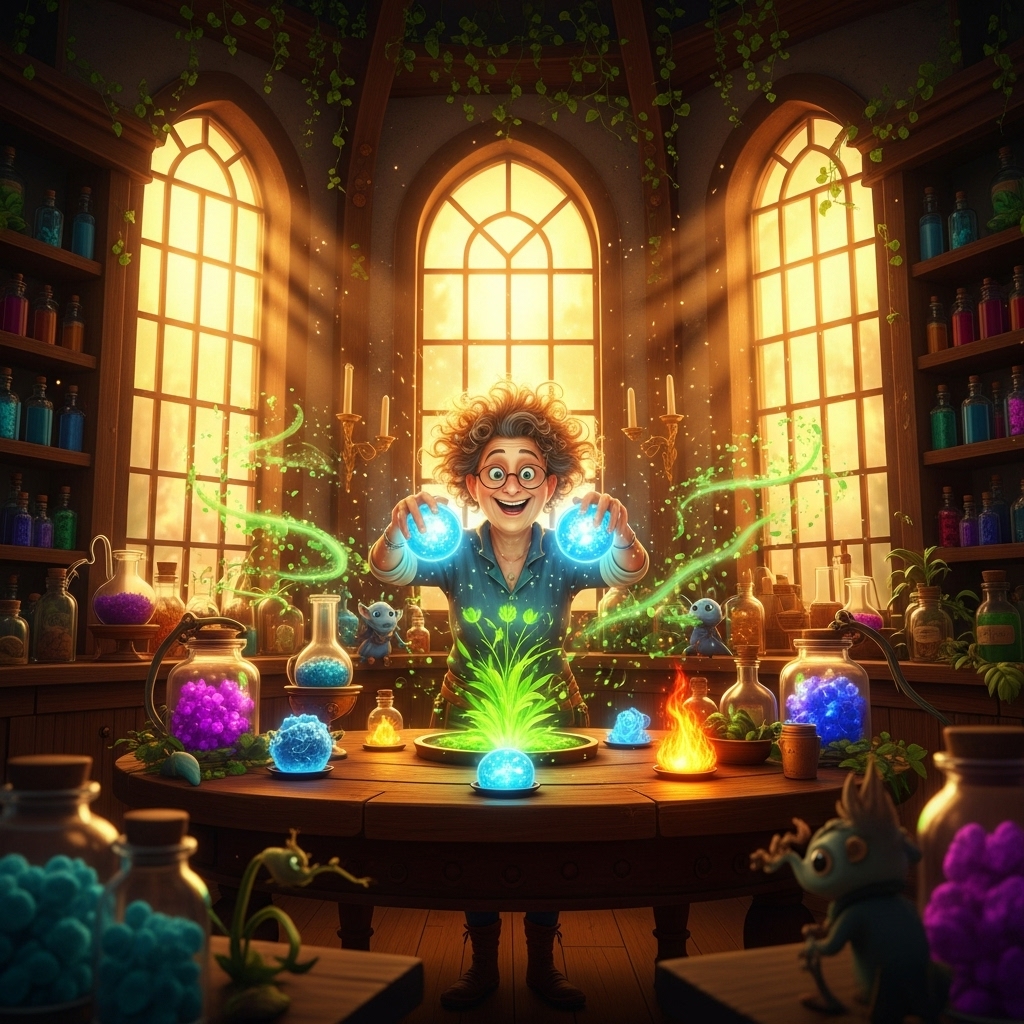
Understanding Little Alchemy 2
What is Little Alchemy 2?
Little Alchemy 2 is a creative puzzle game that invites players to mix and match different elements to create new ones. Think of it as a virtual science experiment where you start with a few basic elements and can create hundreds of different items by combining them in various ways. I’ve spent many hours experimenting with combinations, and each discovery feels like a mini achievement. The game is simple enough for anyone to pick up, but the depth of combinations keeps it engaging for hours on end.
Basic Gameplay Mechanics
At the start, you have access to four basic elements: Air, Water, Fire, and Earth. From these, you can create more complex items. The gameplay is straightforward: drag two elements together to see if they create something new. I remember the first time I combined Water and Earth to create Mud; it was such a satisfying moment! As you progress, you’ll uncover more elements and combinations, leading to an increasingly complex web of creations.
Importance of Combining Elements
The core of Little Alchemy 2 lies in its combining mechanics. Each element has unique properties and can interact with others in surprising ways. For instance, combining Fire and Water doesn’t just create Steam, but it also leads to other combinations, expanding your catalog of elements. I think this element interaction is what makes the game so engaging; you never know what might happen when you mix two elements together. Each successful combination leads to new possibilities, and that sense of discovery is incredibly rewarding.
Key Elements Required to Make a Plant
Overview of Fundamental Elements
Before diving into how to create a Plant, it’s essential to understand the fundamental elements you’ll be working with. The game simplifies complex ideas into basic elements that can be combined to create more intricate items. These fundamental elements are the building blocks of everything you’ll create in Little Alchemy 2. My experience has shown me that having a good grasp of these basics helps streamline the discovery process.
Specific Elements Needed for Plant Creation
To create a Plant, you specifically need Water and Soil. Water represents life and hydration, while Soil is essential for growth and nourishment. Combining these two elements is straightforward but represents a critical step in your alchemical journey. I remember the excitement of discovering this combination; it felt like opening a door to new possibilities. Once I had made my Plant, it became the foundation for creating further nature-related elements, such as Tree and Flower. Additionally, learning about plants that repel mosquitoes can add another layer to your exploration of nature elements.
Other Related Elements in Little Alchemy 2
Once you’ve created a Plant, you can use it to create other elements related to nature. Some elements you might find interesting include Tree, which is made by combining Plant with other elements like Fire or Earth. It’s fascinating how one simple creation can lead to a multitude of other combinations. I often found myself experimenting with Plants to see what else I could create, leading to some surprisingly fun discoveries. This interconnectedness of elements adds depth to the gameplay, making each combination feel like a step toward a larger goal.
Step-by-Step Guide to Make Plant in Little Alchemy 2
Combination Recipes for Plant
Creating a Plant is as easy as combining Water and Soil. Here’s how you can do it step-by-step:
- Start with your basic elements: Water and Earth.
- Drag Water onto Earth to create Mud.
- Now combine Mud with Water to produce Soil.
- Finally, combine Soil with Water to create your Plant.
This process might seem simple, but it’s essential to recognize the steps leading to the creation of your Plant. Each combination builds on the previous one, and I found this layering of combinations to be a clever mechanic in the game.
Alternative Recipes for Plant
If you’re looking for alternative ways to create a Plant, consider combining other elements that might interact with Water or Soil. For instance, combining Mud with Air can lead you to discover different nature elements, such as Swamp. These variations not only enhance your game experience but also allow you to explore the game’s mechanics more deeply.
Tips for Faster Combinations
One thing I learned while playing Little Alchemy 2 is the importance of keeping track of your combinations. Here are some tips that helped me speed up the process:
- Keep a list of elements you’ve already created, so you don’t repeat combinations unnecessarily.
- Experiment with combinations that seem unlikely; you might stumble across something unexpected.
- Use the in-game hints sparingly to guide you when you’re stuck.
These strategies not only helped me create a Plant faster but also made the whole experience more enjoyable. I found that the thrill of discovery is often heightened by a little curiosity and willingness to experiment.
Common Mistakes to Avoid
Wrong Element Combinations
As I dove deeper into Little Alchemy 2, I quickly realized that one of the most common pitfalls is mixing the wrong elements together. It can be so easy to think that two elements should logically combine to form something new, especially when you have a specific goal in mind. I remember trying to combine Water and Fire, thinking I’d create something like Steam or Cloud, only to be met with disappointment when nothing happened. These failed attempts can be frustrating, but I learned that sometimes stepping back and reassessing my approach was the key to finding the right combination. If you find yourself stuck, it’s often helpful to think outside the box and consider the properties of the elements you’re working with.
Misunderstanding the Element Properties
Understanding the properties of each element is crucial in Little Alchemy 2. I found that some elements have specific attributes that dictate how they interact with others. For instance, Water is often associated with life and creation, while Fire tends to symbolize destruction or transformation. I remember my confusion when I first tried to combine Earth with Fire, hoping to create something like Lava, but instead, I ended up with nothing. It was only after I took the time to explore how these elements functioned within the game that I recognized the importance of their properties. Keeping this in mind can significantly enhance your gameplay experience and help you avoid unnecessary mistakes.
Advanced Strategies for Efficient Element Creation
Using Hints and Tools in Little Alchemy 2
While playing, I discovered that using hints and tools can be a game-changer. When I was stuck on a particularly tricky combination, I sometimes hesitated to use the in-game hints, fearing it might spoil the fun of discovery. However, I eventually realized that hints can actually provide valuable insights without taking away from the experience. For example, if I was struggling to find the right combination to create a Tree after making my Plant, using a hint could point me in the right direction without giving away the entire solution. I recommend using hints strategically when you feel truly stuck, as they can help you learn more about the game mechanics and enhance your overall understanding of how elements work together.
Combining Multiple Elements for Greater Efficiency
Another strategy I found effective was combining multiple elements at once. While the game initially encourages simple combinations of two elements, I discovered that sometimes it’s possible to mix three or more elements to create something entirely new. For example, I once combined Plant, Water, and Earth all at once, which led to an unexpected creation that opened up new avenues for exploration. This approach not only made the game more exciting but also helped me unlock elements faster. Experimenting with different combinations and thinking creatively about how elements might work together can often lead to surprising and delightful results.
Exploring Other Related Elements
Creating Other Nature Elements
Once I grasped the concept of creating a Plant, I became eager to explore the other nature elements in Little Alchemy 2. I was amazed at how one simple creation could lead to a whole series of discoveries. For instance, after creating a Plant, I quickly learned that combining it with Fire resulted in a Flower. This was a moment of joy for me, as I felt like a true alchemist discovering the beauty of nature. Additionally, experimenting further with Plants allowed me to create elements like Grass and Bush, which added even more layers to my gameplay. Each new element felt like a reward for my curiosity and willingness to explore. Learning about Aspen and Birch Trees can also enrich your understanding of the natural world.
How Plant Interacts with Other Elements
The beauty of Little Alchemy 2 lies in the interconnectedness of its elements. I found that once I had created my Plant, it served as a catalyst for crafting a range of other items. For example, combining Plant with Soil led me to create Garden, while mixing it with Air produced a Breeze. This interaction between elements is one of the most enjoyable aspects of the game. It encourages players to think creatively and experiment with various combinations, building a deeper understanding of the game’s mechanics. I often spent hours trying different pairings, just to see what would happen. This sense of exploration and connection made my experience in Little Alchemy 2 truly memorable.
Frequently Asked Questions (FAQs)
What are the benefits of creating a Plant?
Creating a Plant in Little Alchemy 2 is beneficial because it serves as a foundational element for many nature-related creations. Once you have a Plant, you can easily explore and create other elements like Tree, Flower, and Grass, which can further lead to even more complex items. It opens the door to a whole new realm of combinations that can enhance your gameplay experience.
Can I create Plant from other unexpected combinations?
Absolutely! While Water and Soil are the most straightforward way to create a Plant, there are other combinations that might lead to unexpected results. Experimenting with different mixtures like Air and Mud, or combining elements that represent life can sometimes yield surprising outcomes. The beauty of Little Alchemy 2 is in the surprises it holds; sometimes, the most unlikely combinations can lead to delightful discoveries.
How to unlock more elements after making Plant?
After creating a Plant, you can unlock more elements by continuing to experiment with it. Combine it with other elements like Fire, Earth, or even Water for a range of potential outcomes. The key is to remain curious and willing to explore different combinations. Each new creation you make can lead to additional discoveries, allowing you to unlock more elements and expand your collection within the game.