
To plant a bamboo plant the right way, start by selecting the appropriate bamboo variety for your climate and space, prepare your soil, and follow a careful planting process. I’ve learned that taking these steps makes all the difference in ensuring your bamboo thrives. If you’re looking for more tips, check out this How to Take Care of a Bamboo Plant (Easy Guide).
Understanding Bamboo: Types and Characteristics
Bamboo is one of the most fascinating plants I’ve come across in my gardening journey. It’s not just a plant; it’s a whole family of grasses that can grow incredibly fast and has a wide range of uses. Knowing the types and characteristics of bamboo is essential for anyone looking to plant it successfully. Different varieties have different growth habits, environmental needs, and aesthetic qualities. Let’s explore this vibrant world of bamboo further.
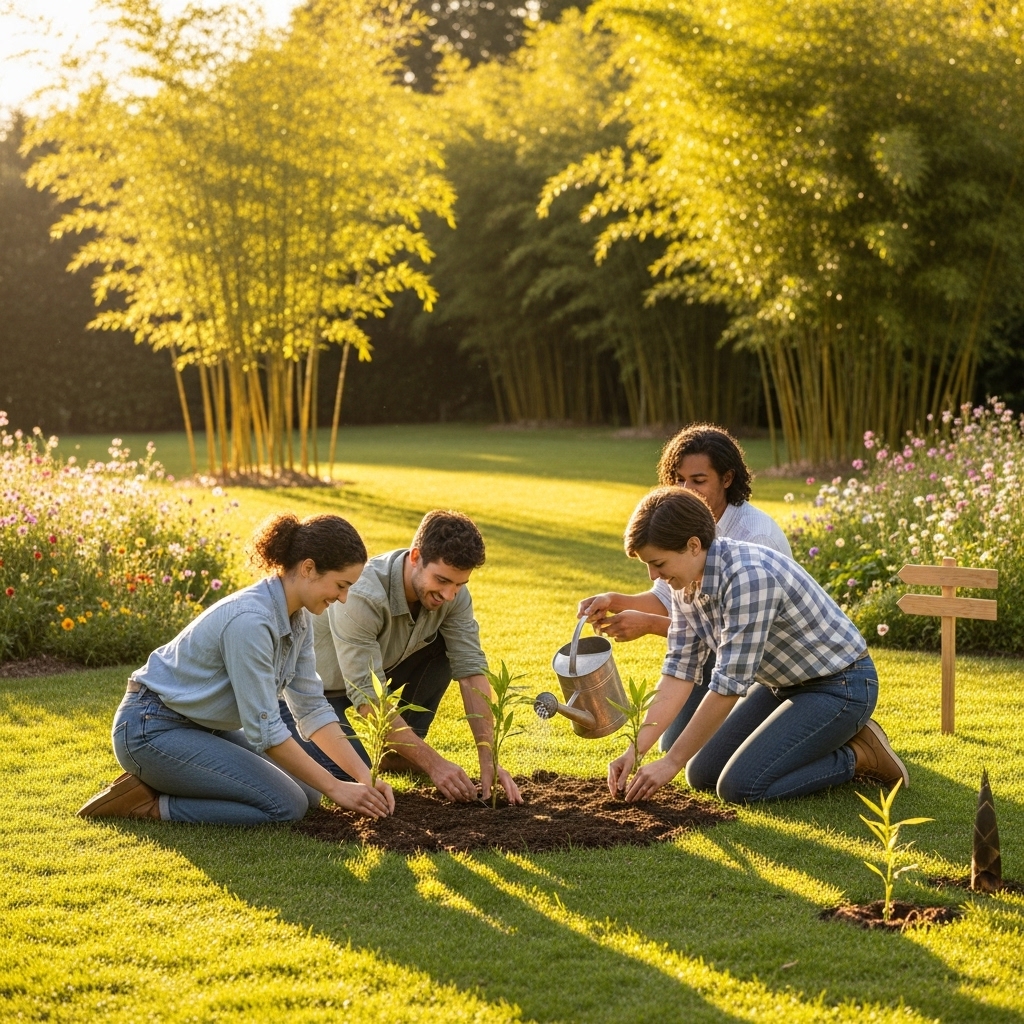
Common Bamboo Varieties for Planting
When I first decided to plant bamboo, I was astonished by the variety available. Some of the most common bamboo varieties include:
- Phyllostachys aurea (Golden Bamboo) – Known for its stunning golden stems and hardy nature.
- Fargesia murielae (Umbrella Bamboo) – A clumping bamboo that is perfect for colder climates and offers a dense, bushy look.
- Bambusa vulgaris (Common Bamboo) – A robust species that can reach impressive heights and is often used for construction.
- Himalayacalamus asper (Giant Bamboo) – This one can grow up to 50 feet tall, making it a striking choice for privacy screens.
Each bamboo variety has its unique appeal and growth requirements, so it’s worthwhile to do some research or consult with a local nursery to find the best fit for your space. For further insights, you might want to read about plants that resemble bamboo but aren’t actually bamboo in this Plant That Looks Like Bamboo (but Isn’t and are Mistaken) article.
Growth Habits: Clumping vs. Running Bamboo
One of the first decisions I made was understanding the difference between clumping and running bamboo. Clumping bamboo, as the name suggests, grows in tight clusters and is generally more manageable. I find that varieties like Fargesia are perfect for small gardens because they don’t spread uncontrollably. On the other hand, running bamboo can spread aggressively through underground rhizomes, which can be a double-edged sword. While they grow quickly and can create a lush backdrop, they require careful management to prevent them from taking over your yard. I learned this the hard way when I planted a running variety without taking precautions!
Climate and Soil Preferences
Bamboo isn’t just a one-size-fits-all plant; it has specific climate and soil needs that can dictate its success. Most bamboo species thrive in well-drained soil and prefer a slightly acidic to neutral pH. I’ve found that sandy or loamy soil works best for my bamboo, allowing for good drainage while retaining some moisture. You might also want to test your soil before planting to make sure it’s suitable.
As for climate, bamboo generally enjoys warm temperatures. Some varieties can tolerate cold conditions, while others prefer tropical environments. I’ve personally planted bamboo in both sunny and partially shaded areas, and I’ve seen how light can affect growth rates. If you live in a colder region, clumping bamboo varieties tend to be more resilient, while running types typically fare better in warmer climates.
Preparing for Planting
Preparing for planting bamboo is an exciting step in your gardening adventure. I remember feeling a mix of anticipation and nervousness as I gathered everything I needed. Having a solid plan in place makes the process smooth and enjoyable. Here’s how to set yourself up for success.
Choosing the Right Location
Choosing the right location is crucial. I once planted bamboo in a spot that received too much shade, and it just didn’t thrive. Ideally, look for a spot that gets at least 6 hours of sunlight daily. Consider how much space the bamboo will need to grow without becoming overcrowded. I often recommend marking the area with stakes or a garden hose to visualize how much space the bamboo will occupy.
Soil Preparation and Quality
Preparing the soil is one of the most important steps. To get started, clear the area of any weeds and debris. I usually dig out about a foot of the topsoil and mix in some compost or well-rotted manure to improve the soil quality. This not only provides nutrients but also enhances drainage. Bamboo loves rich soil, so I feel this is key to giving them a great start.
Gathering Necessary Tools and Materials
Before planting, gather all necessary tools and materials. Here’s a quick list of what I found helpful:
- A spade or shovel for digging
- A rake to level the soil
- Watering can or hose for irrigation
- Mulch to retain soil moisture
- Compost or fertilizer to enrich the soil
Having everything ready makes the planting process more efficient, and I’ve noticed it helps me stay organized and focused.
When to Plant Bamboo
Timing is everything when it comes to planting bamboo. I remember my initial excitement about planting, only to realize I had chosen the wrong season, which set me back in my gardening plans. Understanding the best time to plant bamboo is crucial for its healthy establishment and growth. Let’s dive into when is the best time to get those bamboo shoots in the ground.
Best Seasons for Planting
In my experience, spring is typically the best season to plant bamboo. As the temperatures start to rise, the soil warms up, which encourages root development. I’ve found that planting in spring gives bamboo a full growing season to establish itself before the colder months set in. However, if you live in a warmer climate, you might also have success planting in early fall. Just be cautious about the first frost, as you want to make sure your bamboo has enough time to settle in.
I’ve seen some gardeners plant in summer, but I usually advise against it, especially if you’re in a region that experiences high heat. Summer planting can stress the plant due to the heat, making it more vulnerable. For me, aligning the planting season with the plant’s natural growth cycle has always paid off.
Climate Considerations
Your local climate plays a significant role in determining when to plant bamboo. If you’re in a tropical or subtropical zone, you might have more flexibility, as bamboo can often thrive year-round. I’ve planted bamboo in such regions during different times of the year, and it has done well. However, if you live in a cooler climate, I recommend sticking to the spring planting window. It’s helpful to be aware of your region’s frost dates, as planting too close to frost can be detrimental to the young plants.
Additionally, I’ve found that monitoring your local weather patterns can inform your planting decisions. If you’re anticipating an unusually wet season, you might choose to delay planting until the conditions are more favorable. The idea is to give your bamboo the best chance to root and grow strong.
Step-by-Step Guide to Planting Bamboo
Now that we’ve covered when to plant, it’s time to get our hands dirty! I remember the thrill of finally planting my bamboo after all the preparation. Here’s a step-by-step guide that outlines how to plant bamboo effectively to set you up for success.
How to Dig the Planting Hole
Digging the right hole is essential, and it’s one of the steps I take particularly seriously. I usually recommend digging a hole that is twice as wide as the bamboo’s root ball and just as deep. This gives the roots plenty of room to spread out. When I dig, I like to loosen the soil at the bottom of the hole, which helps the roots penetrate more easily. Sometimes I even mix in a bit of compost at the bottom to give them a nutrient boost right from the start.
Planting Techniques: Spacing and Depth
Spacing is another thing I learned from experience. Depending on the variety you choose, the spacing between each bamboo plant can vary. For clumping varieties, I usually space them about 3 to 5 feet apart, while for running types, I give them a bit more room since they can spread out more. I find that this helps prevent overcrowding and ensures that each plant gets enough sunlight and resources.
When it comes to planting depth, I place the root ball level with the surrounding soil. I remember the first time I planted, I buried it too deep, and it struggled to grow. After placing the plant in the hole, I backfill with the original soil, mixing it with compost to enrich it. I make sure there are no air pockets around the roots, as this is crucial for their establishment.
Watering and Fertilization Tips
Watering is vital right after planting. I typically give my newly planted bamboo a deep soak to help the soil settle and to hydrate the roots. From that point on, I continue to water regularly, especially during the first few weeks—keeping the soil consistently moist but not waterlogged. I’ve found that a good rule of thumb is to check the soil moisture before watering; if the top inch feels dry, it’s time for a drink.
As for fertilization, I usually wait about a month after planting before applying a balanced fertilizer. This waiting period allows the bamboo to settle in without overwhelming it with nutrients. I prefer using an organic fertilizer, as I believe it’s kinder to the soil and the environment. Fertilizing every few months during the growing season has consistently yielded strong and healthy bamboo in my garden.
Post-Planting Care and Maintenance
After planting bamboo, I quickly learned that the journey doesn’t end there. In fact, how we care for our newly planted bamboo is crucial to its success and health. I remember feeling a bit lost after planting, unsure of what to do next, but over time, I figured out a routine that works well. Here’s what I’ve discovered about caring for bamboo after planting.
Watering Schedule and Techniques
Watering is a big part of bamboo care. Right after planting, my goal is to keep the soil consistently moist. I usually set a watering schedule to ensure that my bamboo gets the hydration it needs without overdoing it. In the first week, I typically water every other day. As the bamboo gets established, I can start to reduce the frequency to about once a week. I find that checking the soil moisture is key. If the top inch of soil feels dry, I know it’s time to water.
I often use a slow-release watering technique, which I discovered helps the soil absorb moisture more effectively. I usually set up a soaker hose around the base of the bamboo or use a watering can to water deeply but gently. This way, the water can soak down to the roots rather than just sitting on the surface. In warmer months, especially if it’s particularly hot, I’ve found that increasing the frequency of watering can be beneficial to keep my bamboo happy.
Fertilization Guidelines
Fertilizing bamboo is another important aspect of post-planting care that I had to learn. I generally wait until about a month after planting before I start fertilizing. This approach gives the bamboo time to settle into its new home without overwhelming it with nutrients. When I do start fertilizing, I prefer organic options, like compost or a balanced organic fertilizer, which I believe helps promote healthy growth while being gentle on the environment.
During the growing season, I typically fertilize every two to three months. I’ve found that applying fertilizer in the early spring helps kickstart growth after the winter months. When applying, I make sure to follow the recommended guidelines on the package, and I usually sprinkle it around the base of the plants, avoiding direct contact with the stems. After fertilization, I always give the bamboo a good drink to help the nutrients penetrate the soil.
Pest and Disease Management
While bamboo is often resilient, it can still face pest issues and diseases. I remember the first time I noticed some strange discolored leaves on my bamboo; I panicked a bit. Fortunately, I learned some effective strategies to keep pests at bay. Regularly inspecting my plants has become part of my routine. I look for signs of pests like aphids or spider mites, which can sometimes appear. If I see any, I usually spray them off with a strong stream of water or use an insecticidal soap, which has worked well for me.
Another thing I’ve learned is the importance of cleanliness around the bamboo. Keeping the area free of debris and dead leaves not only improves the overall appearance but also helps prevent diseases. I always clear away fallen leaves and any plant material that could harbor pests. If I notice any leaves turning yellow or brown, I trim them off to maintain the health of the entire plant.
Additionally, I’ve found that ensuring good air circulation around my bamboo can prevent fungal diseases. When planting, I always make sure to give each plant enough space, and I try to avoid planting too closely together. In case I do notice any signs of disease, I make it a habit to act quickly. I’ve learned that catching these issues early can save my bamboo from serious damage.
Common Mistakes to Avoid
Now that I’ve shared some tips on caring for bamboo, I think it’s equally important to talk about common mistakes I’ve made and seen others make. Learning from these can save you a lot of headaches down the road!
Overwatering vs. Underwatering
One of the biggest mistakes I made as a new bamboo gardener was not finding the right balance in my watering schedule. I thought more water would be better, which led to overwatering. I learned the hard way that this can suffocate the roots and lead to root rot. On the flip side, I’ve also gone too long without watering, especially during hot spells. Finding that sweet spot—keeping the soil moist but not soggy—has been crucial for my bamboo’s success.
Ignoring Soil Quality
Another mistake I made was assuming that all soil is created equal. I didn’t give much thought to the quality of the soil I was planting in, and it showed in the growth of my bamboo. I’ve since realized that enriching the soil with compost or organic matter is essential for giving bamboo the nutrients it needs to thrive. I always recommend testing soil before planting to ensure it has the right pH and nutrients, as this makes a world of difference.
Neglecting to Control Running Bamboo
If you decide to plant running bamboo, be prepared for its aggressive growth. I learned this lesson the hard way when I watched my running bamboo spread far beyond its intended area. I now use barriers to control its spread, and I regularly check its growth, trimming it back as needed. Keeping an eye on running bamboo is a must, or you might find it taking over your garden! For those looking to manage unwanted bamboo, consider reading about How to Kill Bamboo Plants Permanently (Best Methods).
Frequently Asked Questions
What is the first step in planting a bamboo plant?
The first step is to select the appropriate bamboo variety for your climate and space, prepare your soil, and follow a careful planting process.
What are some common bamboo varieties for planting?
Some common bamboo varieties include Phyllostachys aurea (Golden Bamboo), Fargesia murielae (Umbrella Bamboo), Bambusa vulgaris (Common Bamboo), and Himalayacalamus asper (Giant Bamboo).
What is the difference between clumping and running bamboo?
Clumping bamboo grows in tight clusters and is generally more manageable, while running bamboo can spread aggressively through underground rhizomes, requiring careful management.
What are the soil preferences for bamboo?
Bamboo thrives in well-drained soil with a slightly acidic to neutral pH. Sandy or loamy soil is ideal as it allows for good drainage while retaining some moisture.
What is the best time to plant bamboo?
Spring is typically the best season to plant bamboo, as the warmer temperatures promote root development. In warmer climates, early fall can also be suitable.
How should I prepare the soil before planting bamboo?
Clear the area of weeds and debris, dig out about a foot of topsoil, and mix in compost or well-rotted manure to improve soil quality and drainage.
What tools do I need for planting bamboo?
Helpful tools include a spade or shovel for digging, a rake to level the soil, a watering can or hose for irrigation, mulch to retain moisture, and compost or fertilizer to enrich the soil.
What watering practices should I follow after planting bamboo?
Water the bamboo deeply after planting and keep the soil consistently moist, especially during the first few weeks. Check soil moisture regularly to determine when to water.
How often should I fertilize bamboo after planting?
Fertilize about a month after planting and every two to three months during the growing season, preferably using organic options to promote healthy growth.
What are some common mistakes to avoid when planting bamboo?
Avoid overwatering or underwatering, ignoring soil quality, and neglecting to control the growth of running bamboo, which can spread aggressively if not managed.