
To plant a banana tree, select a healthy banana sucker or use sections from a ripe banana.
Table of Contents
Growing a banana tree can be a rewarding experience, whether for ornamental use or fruit production. Knowing the right techniques and care requirements is crucial for success. This guide outlines eight essential steps to plant and nurture your banana tree effectively.
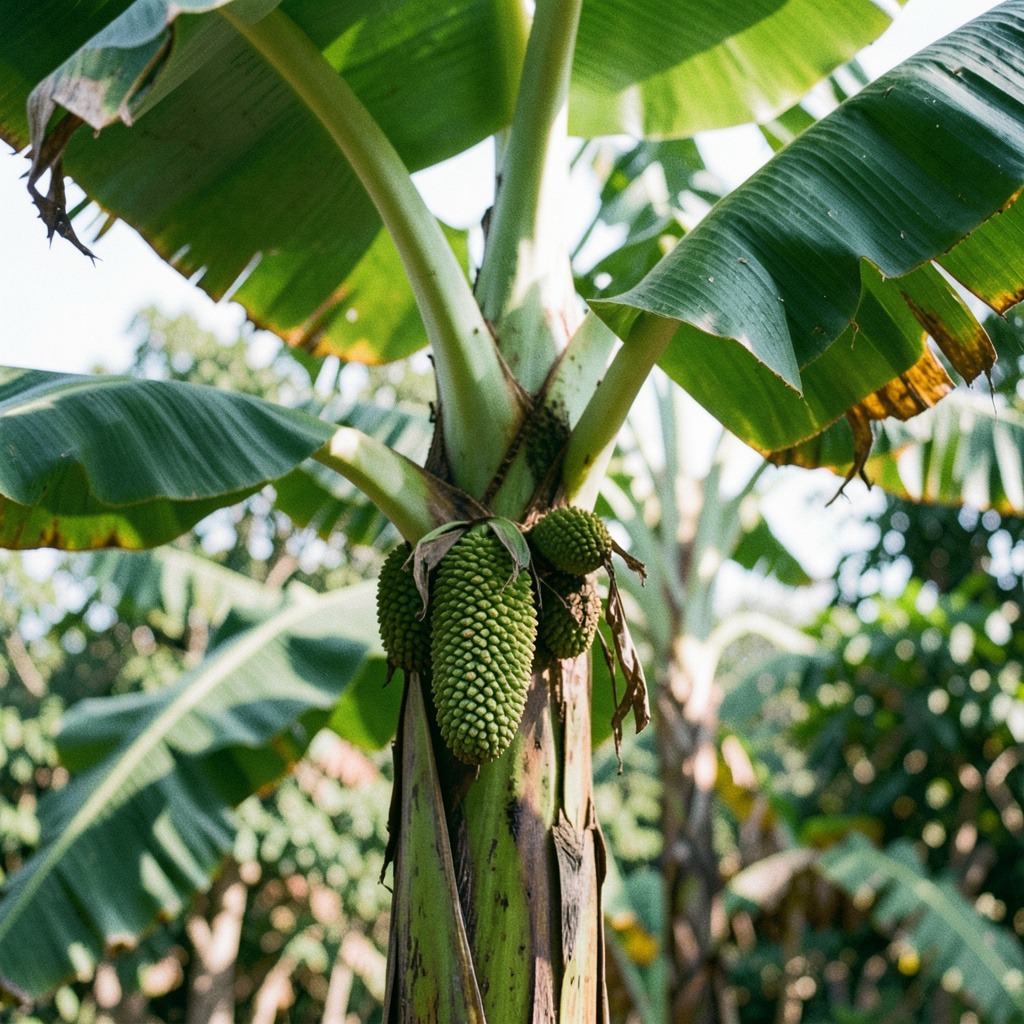
Choosing the Right Banana Plant for Your Climate
Selecting the appropriate banana variety is essential for successful growth. Different types of banana plants thrive in various climates, so understanding your environment will guide your choice.
Popular Banana Varieties
Here are some common banana varieties and their characteristics:
| Variety | Height | Climate Suitability | Purpose |
|---|---|---|---|
| Dwarf Cavendish | 4-5 feet | Tropical/Temperate | Fruit production |
| Grand Nain | 6-8 feet | Tropical | Fruit production |
| Blue Java | 10-15 feet | Tropical/Temperate | Ice cream banana |
| Red Dacca | 6-12 feet | Tropical | Sweet, ornamental |
| Lady Finger | 3-4 feet | Tropical/Temperate | Small, sweet bananas |
Climate Considerations
Banana plants require specific climatic conditions for optimal growth. Here are some factors to consider:
- Temperature: Most bananas thrive in temperatures between 75°F and 95°F. Cold temperatures can stunt growth or kill the plant.
- Humidity: High humidity levels are ideal. Aim for 50-70% humidity for best results.
- Frost Tolerance: Some varieties, like the Dwarf Cavendish, are more frost-tolerant than others. Choose accordingly if you live in a cooler area.
Indoor vs Outdoor Selection
When deciding between indoor and outdoor growth, consider the following:
- Indoor Varieties: Dwarf types like the Dwarf Cavendish are ideal for indoor gardening due to their manageable size.
- Outdoor Varieties: Varieties like Grand Nain require more space and are better suited for outdoor gardens.
If you’re new to banana cultivation, consider starting with a Banana Tree Starter Kit. This can simplify the process and provide you with everything needed for a successful start. Check Price on Amazon.
Carefully choosing your banana variety based on these criteria will help ensure successful growth and fruit production.
Preparing the Soil for Planting Your Banana Tree

Soil preparation is critical for the successful growth of your banana tree. The right soil type, pH level, and drainage conditions set the foundation for healthy roots and vibrant growth.
Ideal Soil Composition
Banana trees thrive in well-draining, nutrient-rich soil. The ideal soil should consist of:
- Loamy soil: A mix of sand, silt, and clay that retains moisture but drains well.
- Organic matter: Compost or well-rotted manure to improve nutrient content.
- pH level: Aim for a pH between 5.5 and 7.0 for optimal nutrient availability.
Testing Soil pH
Before planting, test your soil pH to ensure it meets the ideal range. You can use a simple soil pH test kit, available at garden centers. Follow these steps:
1. Collect a soil sample: Gather soil from several spots in your planting area.
2. Mix with water: Combine the soil with distilled water according to the kit instructions.
3. Add pH test solution: Follow the kit’s guidelines to determine your soil’s pH level.
Improving Drainage
Good drainage prevents root rot and promotes healthy growth. Consider these methods to improve drainage:
- Raise the planting area: Create a mound or raised bed to enhance water runoff.
- Add perlite or sand: Mix these materials into your soil to increase aeration and drainage.
- Avoid compaction: When preparing the soil, avoid walking on it to keep it loose.
Soil Preparation Checklist
- [ ] Test soil pH (aim for 5.5 – 7.0)
- [ ] Incorporate organic matter (compost or manure)
- [ ] Ensure proper drainage (add perlite or sand if needed)
- [ ] Loosen soil to prevent compaction
By following these guidelines, you will create an environment conducive to the successful growth of your banana tree. Proper soil preparation not only supports initial planting but also sets the stage for ongoing health and productivity.
Step-by-Step Guide to Planting Your Banana Tree

Planting a banana tree requires careful attention to depth, spacing, and technique to ensure healthy growth. Follow these steps for successful planting.
Planting Depth and Spacing
1. Choose the Right Location: Select a sunny spot with well-draining soil. Banana trees thrive in warm climates with plenty of sunlight.
2. Determine Planting Depth:
- Plant the banana tree at a depth where the pseudostem is level with the ground.
- Avoid burying the pseudostem deeper than it was in its original pot to prevent stem rot.
3. Spacing:
- Space banana trees at least 8 to 10 feet apart. This allows ample room for their wide root systems and ensures good air circulation.
Techniques for Planting Suckers
1. Select Healthy Suckers: Choose suckers that are about 3-4 feet tall with healthy, green leaves.
2. Prepare the Site: Dig a hole that is twice as wide as the sucker’s root ball. This promotes root expansion.
3. Planting:
- Place the sucker in the center of the hole.
- Fill in with soil, gently packing it around the roots to eliminate air pockets.
4. Watering:
- After planting, water thoroughly to saturate the root zone. Use a slow and steady flow to ensure the water penetrates deeply and evenly.
Watering Immediately After Planting
- Initial Watering: Water the banana tree immediately after planting to reduce transplant shock. Ensure that the soil remains moist but not soggy.
- Ongoing Water Needs:
- Water regularly, especially during dry spells. Banana trees prefer consistent moisture.
- Monitor the soil; if it feels dry an inch below the surface, it’s time to water.
By adhering to these steps, you can successfully plant a banana tree and set it on the path to thriving growth. For those starting their banana gardening journey, consider a Banana Tree Starter Kit to simplify your planting process.
Watering and Sunlight Requirements for Banana Trees

Proper watering and sunlight are crucial for the healthy growth of banana trees. Understanding these needs helps in achieving optimal conditions for your plant.
Determining Watering Frequency
Banana trees thrive in consistently moist soil. However, overwatering can lead to root rot. Here’s how to find the right balance:
- Check Soil Moisture: Insert your finger about an inch into the soil. If it feels dry, it’s time to water.
- Watering Schedule: During hot, dry spells, water every 1-3 days. In cooler months, reduce frequency.
- Container vs. Ground: Potted banana trees need more frequent watering because the soil dries out faster.
Importance of Sunlight
Banana trees require plenty of sunlight for robust growth. Here are key considerations:
- Ideal Sunlight: Aim for at least 6-8 hours of direct sunlight each day.
- Temperature Conditions: These trees thrive in temperatures between 75°F and 95°F. Ensure they are shielded from frost, as even brief exposure can damage the plant.
Signs of Overwatering
Recognizing overwatering is essential to maintaining a healthy banana tree. Watch for these signs:
- Yellowing Leaves: This often indicates excess water.
- Wilting Despite Moist Soil: A sign that roots may be rotting.
- Foul Odor from Soil: This can signal root rot due to poor drainage.
Creating a Watering Schedule Based on Climate
To develop a tailored watering schedule, consider these factors:
- Climate Type: In humid climates, you may need less frequent watering compared to arid regions.
- Seasonal Changes: Adjust your schedule with the seasons. Increase watering during hot months and decrease during cooler months.
By understanding these watering and sunlight requirements, you can effectively nurture your banana tree, promoting healthy growth and fruit production.
Fertilizing Your Banana Tree for Optimal Growth
Proper fertilization is crucial for the healthy growth of banana trees. These plants have high nutrient demands, particularly for nitrogen, potassium, and phosphorus. Understanding the right fertilizers and application methods can significantly enhance their growth and fruit production.
Best Fertilizers for Banana Trees
When choosing fertilizers for banana trees, consider both synthetic and organic options. Here are some effective choices:
- Nitrogen-rich Fertilizers: Use a balanced fertilizer with a higher nitrogen content, such as 10-10-10 or 12-6-6 formulations.
- Organic Options: Compost, well-rotted manure, or worm castings are excellent organic fertilizers. They improve soil health and provide essential nutrients.
- NPK Fertilizer: A fertilizer with a balanced ratio of nitrogen, phosphorus, and potassium (e.g., 8-10-10) supports overall growth.
- Liquid Fertilizers: These can provide a quick nutrient boost. Fish emulsion or seaweed extract are effective options.
Application Techniques
Applying fertilizer correctly ensures that your banana tree receives maximum benefit. Follow these methods:
- Soil Application: For granular fertilizers, spread the recommended amount around the base of the tree, avoiding direct contact with the stem. Water thoroughly to activate the nutrients.
- Foliar Feeding: Spray diluted liquid fertilizers directly onto the leaves for rapid nutrient absorption. This method is particularly useful during the growing season.
- Incorporation into Soil: Mix organic fertilizers like compost directly into the soil before planting. This enhances soil structure and nutrient availability.
Fertilization Schedule
A consistent fertilization schedule is vital for optimal growth. Here’s a practical checklist:
- Initial Fertilization: Apply fertilizer when planting and again six weeks later.
- Growing Season: Fertilize every 6-8 weeks during the growing season (spring and summer).
- Fall and Winter: Reduce or cease fertilization in fall and winter when growth slows down.
Organic Fertilizer Checklist
- Compost: Rich in nutrients and improves soil structure.
- Manure: Provides nitrogen and organic matter.
- Bone Meal: A good source of phosphorus for root development.
- Wood Ash: Adds potassium and raises soil pH.
By following these fertilization guidelines, you can ensure your banana tree thrives and produces abundant fruit.
Managing Pests and Diseases Common to Banana Trees
Banana trees are susceptible to various pests and diseases that can hinder their growth and fruit production. Understanding these threats and implementing effective management strategies is essential for successful cultivation.
Common Pests to Watch For
Several pests commonly affect banana trees, and recognizing them early can help prevent significant damage:
- Banana Weevil: This pest lays eggs in the corm and pseudostem. The larvae tunnel through the plant, weakening its structure and making it vulnerable to tipping over.
- Aphids: Small, soft-bodied insects that suck sap from leaves, potentially leading to stunted growth and leaf curling.
- Spider Mites: These tiny arachnids thrive in dry conditions and can cause yellowing and browning of leaves.
Signs of Disease
Identifying signs of disease early can save your banana trees from severe damage. Look for:
- Yellowing Leaves: This can indicate nutrient deficiencies or diseases such as the Banana Bunchy Top Virus.
- Leaf Curling: Often a sign of pest infestations or viral infections.
- Wilting Plants: May suggest root rot or other serious issues.
Organic Pest Control Methods
Employing organic methods can effectively manage pests while maintaining a healthy growing environment:
- Hand-Picking: For larger pests, such as banana weevils, manual removal can significantly reduce their numbers.
- Neem Oil: An organic pesticide that disrupts the life cycle of pests and deters them from feeding on the plant.
- Companion Planting: Planting marigolds or garlic nearby can deter pests naturally.
- Regular Maintenance: Remove dead leaves and debris to minimize hiding spots for pests.
Case Study: A gardener successfully managed a banana weevil infestation by regularly inspecting their plants for signs of damage. They employed neem oil and maintained cleanliness around the banana plants, which led to healthy growth and fruit production over time.
By staying vigilant and using these management strategies, you can ensure your banana trees thrive despite the challenges posed by pests and diseases.
Harvesting Your Bananas: Timing and Techniques
Knowing when to harvest your bananas is crucial for optimal flavor and quality. Proper techniques during harvesting ensure you avoid damaging the fruit and the plant.
Recognizing Ripeness
Bananas should be harvested when they are plump and have reached a certain color. Here are key indicators of ripeness:
- Color: Look for a bright yellow hue. Some varieties may have a slight green at the tips.
- Size: The bananas should be full-sized and rounded. They often feel heavy for their size.
- Texture: The skin should be smooth without blemishes or dark spots.
- Timeframe: Typically, bananas take 9 to 18 months from planting to produce fruit, depending on the variety and growing conditions.
Harvesting Techniques
When harvesting bananas, follow these techniques to minimize damage:
- Use Sharp Tools: A clean, sharp knife or pruning shears prevents crushing and tearing.
- Cut the Bunch: Instead of pulling the bananas, cut the entire bunch from the stalk to maintain the plant’s health.
- Support the Bunch: Use one hand to support the bunch while you cut with the other. This prevents the weight from causing damage.
- Harvest Early: It’s better to harvest bananas a few days before they fully ripen. This avoids spoilage and allows them to ripen off the plant.
Post-Harvest Care
After harvesting, proper handling is essential:
- Avoid Stacking: Do not stack bananas on top of each other; this can cause bruising.
- Temperature: Store bananas in a cool, dark place to prolong shelf life.
- Ripening: To ripen bananas further, place them in a paper bag. The ethylene gas they emit accelerates the ripening process.
By recognizing the signs of ripeness and employing careful harvesting techniques, you can enjoy a successful banana crop.
Troubleshooting Common Issues When Growing Banana Trees
Growing banana trees can be rewarding, but several common issues may arise. Addressing these problems promptly ensures healthy plants and a fruitful harvest.
Common Growth Problems
1. Yellow Leaves: This often indicates nutrient deficiencies or overwatering. Ensure the soil drains well and consider adding a balanced fertilizer.
2. Wilting: Wilting leaves can signal underwatering or root rot. Check soil moisture levels and adjust your watering routine accordingly.
3. Black Spots on Leaves: Fungal diseases, such as leaf spot, may cause these spots. Remove affected leaves and treat with a fungicide if necessary.
4. Stunted Growth: Poor light conditions can hinder growth. Ensure your banana tree receives at least 6-8 hours of sunlight daily, or consider a grow light if indoors.
Correcting Mistakes
- Overwatering: Make sure the soil is well-draining. If roots are sitting in water, repot the tree in fresh soil and reduce watering frequency.
- Insufficient Sunlight: If your tree is not thriving indoors, consider moving it to a sunnier location or using supplemental lighting.
- Ignoring Pests: Regularly inspect your banana tree for pests like aphids or spider mites. Use insecticidal soap or neem oil to manage infestations early.
Preventative Measures
- Soil Check: Use a moisture meter to avoid over or underwatering.
- Regular Fertilization: Apply a fertilizer designed for fruiting plants every 4-6 weeks during the growing season.
- Pruning: Remove dead or damaged leaves to prevent disease spread and encourage new growth.
Scenario-Based Insight
Imagine you have planted your banana tree in a pot indoors. After a few months, you notice yellowing leaves and stunted growth. In this case, assess the light conditions. If the tree receives less than the required sunlight, consider relocating it to a brighter spot. If light is adequate and issues persist, inspect the roots for signs of rot due to overwatering, and adjust your care regimen accordingly.
Checklist for Common Issues
- [ ] Check soil drainage
- [ ] Monitor light exposure
- [ ] Inspect for pests regularly
- [ ] Adjust watering schedule based on weather
- [ ] Fertilize as needed
By being proactive and attentive, you can successfully troubleshoot and mitigate common issues related to growing banana trees, ensuring a healthy and productive plant.
Frequently Asked Questions
These quick answers cover the most common questions about this topic, including key details, practical tips, and common concerns.
Can I grow a banana tree from a banana?
No, you cannot grow a banana tree directly from a banana fruit. Instead, you should use a sucker, which is a small shoot that grows from the base of an established banana plant. This sucker has a better chance of developing into a healthy tree.
How many years does it take for a banana tree to fruit?
Typically, a banana tree takes about 9 to 18 months to produce fruit after planting, depending on the variety and growing conditions. Factors like climate, care, and soil quality can influence this timeline.
How often should I water my banana tree?
Banana trees prefer consistently moist soil but are susceptible to root rot from overwatering. Water your tree every 1-3 days during hot, dry spells. Check the soil moisture by inserting your finger about an inch deep; if it feels dry, it’s time to water.
What pests should I watch out for when growing banana trees?
Common pests include banana weevils, aphids, and spider mites. Banana weevils can weaken the plant by tunneling through the stem, while aphids and spider mites suck sap from the leaves. Regularly inspect your plants and use organic pest control methods, like neem oil, to manage these issues.
Can banana trees be grown indoors?
Yes, banana trees can be grown indoors, particularly dwarf varieties like the Dwarf Cavendish. Ensure they receive at least 6-8 hours of direct sunlight daily and maintain humidity levels around 50-70%. Use a large enough pot to accommodate their root systems.
What type of soil is best for banana trees?
Banana trees thrive in well-draining, nutrient-rich loamy soil with a pH between 5.5 and 7.0. Incorporate organic matter like compost to improve soil quality and drainage. Testing your soil before planting can help ensure it meets these requirements.
When to harvest bananas?
Harvest bananas when they are plump and bright yellow, typically 9 to 18 months after planting. It’s best to pick them a few days before they fully ripen to avoid spoilage. Use a sharp knife to cut the entire bunch from the stalk to minimize damage to the plant.