
To plant a banana tree for fast growth, choose a well-draining location with plenty of sunlight, and ensure that the soil is rich in organic matter. My experience has shown that following the right steps can lead to thriving banana trees that bear fruit in no time. Read Interesting article: Are Balsam Fir Trees Safe for Rabbits to Eat?
Understanding Banana Trees
Banana trees are not technically trees; they are large herbaceous plants that can grow several feet tall. I remember the first time I saw a banana grove; the sight was mesmerizing. The broad leaves and the promise of sweet fruit just made me feel like I was in a tropical paradise. Understanding what banana trees are and their characteristics is the first step in successfully growing them.
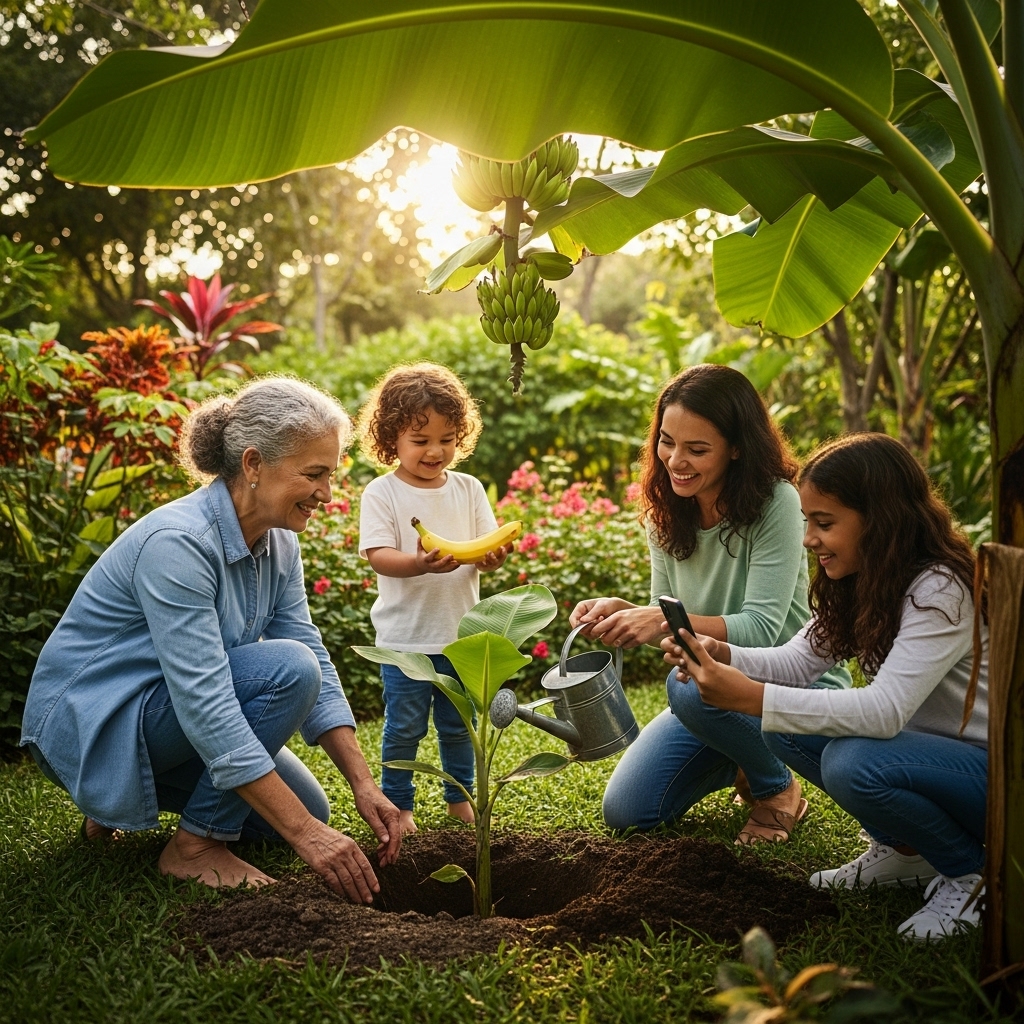
Types of Banana Trees
There are several types of banana trees, each with unique features. The most common types are the Cavendish banana, which is what you typically find in grocery stores, and the Lady Finger banana, known for its smaller size and sweeter taste. I’ve tried growing both, but my favorites are the Dwarf Brazilian bananas, which are compact and perfect for smaller gardens. Each variety has its own charm and growing requirements, which I learned to appreciate over time.
Banana Tree Varieties for Fast Growth
If you want quick results, some banana tree varieties are better suited for fast growth. For instance, the Dwarf Cavendish is known for its rapid growth and can produce fruit in as little as 9 to 12 months under ideal conditions. I planted a few of these in my backyard, and it was amazing to see how quickly they flourished. Other fast-growing varieties include the Goldfinger and the Red Dacca. When selecting a variety, consider your climate and available space, as these factors directly affect growth rates.
Ideal Growing Conditions
To ensure your banana tree thrives, understanding its ideal growing conditions is crucial. I’ve learned that the right combination of climate, soil, sunlight, and water is the recipe for success.
Climate Requirements
Banana trees thrive in tropical and subtropical climates. They prefer temperatures between 75°F and 95°F (24°C to 35°C). I’ve found that in cooler climates, banana trees can struggle, so if you live in an area with cold winters, consider planting them in a greenhouse or bringing them indoors during the colder months. I once tried to grow a banana tree in an area that dipped below freezing, and it didn’t end well. They simply don’t like the cold!
Soil Type and Preparation
Banana trees love rich, loamy soils that are well-draining. I usually mix in compost or well-rotted manure into the soil before planting to boost its nutrient content. The soil pH should ideally be between 5.5 and 7.0. When I started, I didn’t pay much attention to soil preparation, but I quickly learned that proper soil is key to healthy growth. It’s essential to dig a hole that’s twice as wide as the root ball and as deep as it is tall, so the roots have plenty of space to spread out.
Sunlight and Watering Needs
Banana trees need full sun, which means at least 6 to 8 hours of direct sunlight each day. I always make sure to plant them where they won’t be shaded by other plants or structures. Watering is also crucial; banana trees require consistent moisture. I’ve found that deep watering once a week works wonders, especially during hot weather. However, be cautious not to overwater, as that can lead to root rot. I learned this lesson the hard way—my first attempt ended with a soggy mess!
Planting a Banana Tree
Now that we’ve covered the basics, let’s dive into how to actually plant a banana tree. This is the moment I always look forward to, watching something grow from a tiny plant into a tall tree.
Choosing the Right Location
Choosing the right location is vital. Look for a spot that offers plenty of sunlight and is protected from strong winds. I prefer areas with some windbreak, like a fence or a line of taller plants, to protect the young banana plants. The last thing you want is for a gust of wind to damage your new tree before it’s had a chance to establish itself.
Step-by-Step Planting Instructions
- Prepare the Site: Clear the area of weeds and debris.
- Dig the Hole: Create a hole that is twice the width of the root ball and the same depth.
- Add Compost: Mix compost or organic matter into the soil you removed from the hole.
- Place the Tree: Gently remove the banana tree from its pot and place it in the hole, making sure it’s upright.
- Backfill: Fill the hole with the enriched soil, firming it gently around the base of the plant.
- Water: Give the tree a thorough watering to settle the soil around the roots.
Spacing and Arrangement
When planting banana trees, spacing is important to allow for growth. I recommend spacing them at least 8 to 10 feet apart. This gives each tree enough room to flourish and ensures proper air circulation, which helps prevent diseases. If you’re planting multiple banana trees, I’ve found that arranging them in a circle or a staggered row provides a beautiful landscape and maximizes sunlight exposure.
Caring for Your Banana Tree
Caring for banana trees is an enjoyable part of the growing process. I’ve spent countless afternoons tending to my trees, and I’ve found that a little extra attention makes a big difference in their health and productivity. Let’s dive into some essential care tips that will help your banana tree thrive.
Fertilization Techniques
Fertilizing banana trees is crucial because they are heavy feeders. I remember when I first started growing them, I underestimated how much nutrients they needed. I typically use a balanced fertilizer that’s high in potassium, as this nutrient is essential for fruit development. A common practice I’ve adopted is to apply fertilizer every 6 to 8 weeks during the growing season. I mix it into the soil around the base of the tree and ensure it’s well incorporated. Additionally, I’ve found that using organic options like compost or well-rotted manure not only enriches the soil but also improves its structure.
It’s also helpful to look for signs of nutrient deficiencies, such as yellowing leaves or poor growth. When I noticed some leaves turning yellow, I realized my trees needed a boost. After applying some fertilizer, they bounced back beautifully!
Watering Schedule for Optimal Growth
As I mentioned before, banana trees love consistent moisture, but finding the right balance is key. Depending on the weather, I usually water my trees deeply about once a week. However, if it’s particularly hot or dry, I increase the frequency to ensure they don’t dry out. I learned that it’s important to check the soil moisture regularly; I often stick my finger into the soil a few inches deep. If it feels dry at that depth, it’s time to water.
One thing I’ve found helpful is to set up a drip irrigation system. This way, I ensure they get a steady amount of water without the risk of overwatering. It’s also a great time-saver! Just remember to adjust the schedule based on rainfall and the season.
Pest and Disease Management
Like any other plant, banana trees can fall victim to pests and diseases. I once had an infestation of aphids that nearly took over. I learned that regular inspections are crucial. I make it a habit to check the undersides of leaves for any signs of pests. If I spot any, I try to remove them by hand or spray them off with water. For larger infestations, I’ve found that neem oil is an effective organic option that works well without harming beneficial insects.
Diseases can also pose a threat, such as Panama disease or black sigatoka. Keeping the area around your banana trees clean and free of debris can help minimize the risk. I always remove any dead leaves and fallen fruit as soon as I notice them. This practice has helped me maintain healthier plants and avoid many common issues. Read Interesting article: Maintaining the Health of Old Chestnut Trees Care and Prevention
Encouraging Fast Growth
If you’re eager to see your banana trees grow quickly, there are a few strategies that have worked for me. I’ve found that with the right care, these trees can flourish faster than you might expect.
Pruning Techniques
Regular pruning is one method I’ve discovered that encourages faster growth. I make sure to remove dead or damaged leaves to keep the plant healthy and allow more light to reach the growing parts of the tree. It’s also essential to thin out excess suckers, which are small shoots that grow from the base of the plant. While they can eventually become new banana plants, they can compete for nutrients and resources if left unchecked. I typically leave one or two of the strongest suckers to develop while removing the rest, which helps the main plant channel its energy into producing fruit more quickly.
Temperature Control
Maintaining the right temperature is another factor that I’ve found crucial for fast growth. Banana trees thrive in warm conditions, so if you live in a cooler climate, consider using row covers or frost cloths during unexpected chilly nights. I’ve even brought my young plants indoors during particularly cold spells to protect them. Ensuring they stay warm promotes steady growth and helps avoid stress on the plants.
Using Mulch for Soil Moisture
Lastly, I’ve learned the importance of using mulch around my banana trees. Applying a layer of organic mulch not only helps retain moisture in the soil but also suppresses weeds. I usually use straw, wood chips, or shredded leaves, and I make sure to keep the mulch a few inches away from the trunk to prevent rot. This simple technique has made a noticeable difference in the moisture retention of my garden beds, which in turn has encouraged faster growth of my banana trees.
With these care tips in mind, I feel confident that anyone can grow healthy, thriving banana trees. It’s all about paying attention to their needs and making adjustments as necessary. The rewards of watching them grow and eventually harvest delicious fruit are well worth the effort! Read Interesting article: Trees & Shrubs With Yellow Berries: Sunshine Bursts for Your Yard!
Harvesting Bananas
After all the hard work of planting and caring for your banana trees, the moment of harvest is one of the most rewarding experiences. I can’t describe the thrill I feel when I see those beautiful bunches of bananas hanging from the tree, ready to be picked. Knowing how to properly harvest them makes all the difference in enjoying the fruits of your labor.
Signs of Ripeness
Recognizing when bananas are ripe for harvest is crucial. I remember my first harvest; I was so eager to pick them that I almost didn’t wait long enough. Bananas typically start to change color from green to yellow. As they ripen, you’ll notice the fruits begin to plump up. Another sign I look for is the little brown specks that appear on the skin; they indicate that the bananas are nearing full ripeness. In my experience, it’s best to pick them when they are still slightly green but the shape is full. This way, they will continue to ripen off the tree and won’t spoil too quickly.
One thing I’ve learned is to be patient. When I tried picking them too early, the flavor wasn’t as sweet, and the texture was off. Letting them ripen a bit more while hanging on the tree will give you the best taste and quality.
Best Practices for Harvesting
When it’s time to harvest, there are a few best practices that I’ve found helpful. First, I always use a sharp knife or pruning shears to cut the bunch. This ensures a clean cut that won’t damage the plant or the fruit. I try to cut the stalk about 2 inches from the base of the bunch to give the tree a chance to produce new suckers for future growth.
It’s a good idea to wear gloves during the harvest, as the sap from banana trees can be sticky and difficult to wash off. I’ve had my hands covered in sap after a particularly enthusiastic harvest, and it’s not a fun experience!
Once harvested, I recommend hanging the bananas in a cool, dry place. They will continue ripening off the tree, and I’ve found that keeping them away from direct sunlight helps prevent spoilage. If you have a lot of bananas, I’ve discovered that placing them in a paper bag can speed up the ripening process, thanks to the ethylene gas they produce.
Common Mistakes to Avoid
As with any gardening endeavor, there are a few pitfalls that I’ve learned to avoid when growing banana trees. I want to share these with you so you can have a smoother experience.
Overwatering and Drainage Issues
One of the biggest mistakes I made early on was overwatering my banana trees. They thrive on moisture, but too much water can lead to root rot. I’ve learned to keep an eye on the soil moisture levels and to ensure proper drainage in my planting area. I usually dig holes deep enough to allow excess water to drain away, and I always check that the roots have plenty of space to breathe.
If I notice any signs of yellowing leaves, I take it as a warning signal that I might be giving them too much water. Adjusting my watering schedule often rectifies this issue quickly.
Neglecting Soil Quality
Another common mistake I’ve made is neglecting the soil quality. Banana trees are heavy feeders, and I’ve learned the hard way that if the soil lacks nutrients, the trees won’t thrive. I always make sure to enrich the soil with compost and balanced fertilizers regularly. In my case, I noticed a significant improvement in growth and fruiting once I began paying more attention to the nutrient content of the soil.
Ignoring Pest Alerts
Pests can be sneaky little nuisances. I once ignored a few aphids on my banana tree, thinking they wouldn’t cause much damage. Before I knew it, they had multiplied, and my tree suffered. Regular inspections are key. I’ve made it a habit to check my plants at least once a week for any signs of pest activity. If I do spot any pests, I take action immediately using organic treatments like neem oil, which has proven effective and safe for my garden.
By staying vigilant and taking these common mistakes into account, I’ve managed to grow healthy banana trees that produce delicious fruit. It’s all about learning from our experiences and adapting our care techniques as we go. Happy gardening!
Frequently Asked Questions
What is the best location for planting a banana tree?
The best location for planting a banana tree is a well-draining area with plenty of sunlight, ideally receiving at least 6 to 8 hours of direct sunlight each day. It should also be protected from strong winds.
What type of soil is ideal for banana trees?
Banana trees thrive in rich, loamy soils that are well-draining. The soil pH should ideally be between 5.5 and 7.0, and it’s beneficial to mix in compost or well-rotted manure before planting.
How often should I water my banana trees?
Banana trees require consistent moisture, and it’s recommended to water them deeply about once a week. However, during particularly hot or dry weather, you may need to increase the frequency of watering.
What are the signs of ripeness for harvesting bananas?
Bananas are ready for harvest when they start to change color from green to yellow and begin to plump up. Look for little brown specks on the skin, indicating they are nearing full ripeness. It’s best to pick them when they are slightly green but full in shape.
What common mistakes should I avoid when growing banana trees?
Common mistakes include overwatering, neglecting soil quality, and ignoring pest alerts. Overwatering can lead to root rot, poor soil can hinder growth, and pests can cause significant damage if not addressed promptly.
How can I encourage fast growth in my banana trees?
To encourage fast growth, regularly prune dead or damaged leaves, thin out excess suckers, maintain warm temperatures, and use mulch to retain soil moisture. These practices help the plants channel their energy into producing fruit more quickly.
What fertilizer should I use for banana trees?
Banana trees are heavy feeders and benefit from a balanced fertilizer that is high in potassium. It’s recommended to fertilize every 6 to 8 weeks during the growing season, mixing it into the soil around the base of the tree.
Can banana trees survive in cooler climates?
Banana trees thrive in tropical and subtropical climates and prefer temperatures between 75°F and 95°F (24°C to 35°C). In cooler climates, it’s advisable to plant them in a greenhouse or bring them indoors during cold spells.
How should I manage pests and diseases in banana trees?
Regular inspections are crucial for managing pests and diseases. Remove pests by hand or spray them off with water. For larger infestations, neem oil can be an effective organic treatment. Keeping the area clean and free of debris also helps minimize risks.
What is the best practice for harvesting bananas?
When harvesting bananas, use a sharp knife or pruning shears to cut the bunch about 2 inches from the base. It’s also advisable to wear gloves to avoid the sticky sap and to hang the bananas in a cool, dry place to ripen properly.