
To plant a cashew tree successfully, choose a sunny location with well-draining soil, select the right variety, and follow proper planting techniques. From my experience, the right conditions and care can lead to a bountiful harvest of delicious cashews. Read Interesting article: How to Plant Cashew Nuts and Grow a Tree
Table of Contents
Understanding Cashew Trees
Botanical Characteristics of Cashew Trees
Cashew trees, scientifically known as Anacardium occidentale, are fascinating plants that belong to the family Anacardiaceae. They can grow up to 10-12 meters tall and feature a unique structure that includes a sturdy trunk and a wide canopy of leaves. The leaves are usually dark green, glossy, and elliptical in shape, which makes them quite attractive. One of the most interesting aspects of the cashew tree is its fruit—the cashew apple. This juicy, pear-shaped fruit is not just beautiful; it also has a sweet, tangy flavor, and the cashew nut grows at its tip, encased in a hard shell. I remember the first time I saw a cashew apple; I was fascinated by how different it looked from the nuts I was accustomed to eating!
Native Habitat and Growth Conditions
Cashew trees are native to Brazil, where they thrive in tropical and subtropical climates. Over the years, they’ve spread to various parts of the world, especially in Africa and Asia. I’ve seen cashew trees flourishing in places like India and Vietnam, where the climate is warm and humid, which is essential for their growth. These trees prefer sandy or loamy soils that are well-drained; they’re not fans of standing water. I learned that while they can tolerate poor soil conditions, they won’t grow to their full potential without proper nutrition. The cashew tree is also quite resilient, able to withstand drought conditions once established, which is impressive.
Benefits of Planting Cashew Trees
Planting cashew trees offers a multitude of benefits. First and foremost, they provide a source of income through the harvest of cashew nuts and apples. In many regions, these nuts are highly sought after for their nutritional value and culinary versatility. I’ve found that the nuts can be used in various dishes, and they are a great source of healthy fats and protein. Additionally, the cashew apple can be made into juice or fermented into alcoholic beverages, adding to its value. Beyond economic benefits, cashew trees also play a role in the ecosystem. They help prevent soil erosion, improve soil quality, and provide shade and habitat for various wildlife. It’s truly rewarding to know that by planting a cashew tree, we are contributing positively to the environment. Read Interesting article: How to Grow a Pistachio Plant Successfully
Ideal Conditions for Planting Cashew Trees
Climate Requirements
The climate is critical when planting cashew trees. They thrive in warm temperatures ranging from 20°C to 30°C (68°F to 86°F). I’ve noticed that they do best in areas with distinct wet and dry seasons. Too much rain can affect the nut yield, while extreme drought can hinder their growth. As I learned, finding the right balance is essential. This means checking local weather patterns before deciding when to plant.
Soil Type and Quality
Soil quality is another vital factor. Cashew trees prefer sandy or loamy soils that are well-draining, as I mentioned earlier. They don’t do well in heavy clay soils that retain water. I’ve seen people successfully grow cashew trees in slightly acidic to neutral pH levels, but the ideal pH should be around 5.5 to 7.5. Before planting, I recommend testing the soil to ensure it meets these conditions. If you find the soil lacking, you can amend it with organic matter to improve its quality. When I did this with my own planting, I noticed a significant difference in growth speed.
Sunlight and Water Needs
Sunlight is crucial for the health of cashew trees. They need full sun exposure for at least six hours a day. I remember planting my cashew tree in a spot that received plenty of sunlight, and it thrived beautifully. As for water, while they are drought-resistant, young trees need regular watering until they are established. I found that a deep watering once a week works great in the early stages, allowing the roots to grow deep into the soil. However, it’s essential not to overwater them, as this can lead to root rot. Keeping an eye on your tree’s health during the early months is crucial.
When to Plant Cashew Trees
Best Time of Year for Planting
Timing is everything when it comes to planting cashew trees. The best time to plant them is at the beginning of the rainy season. This timing allows the young plants to establish their roots with the help of natural rainfall. I usually look out for the first signs of rains in my area before planting. In tropical regions, this could be anywhere from March to June, but it varies by location. I’ve also discovered that planting in the cooler months can lead to stunted growth.
Seasonal Considerations
Seasonal considerations also play a role in planting success. For instance, I’ve noticed that planting during the dry season can be challenging, as the trees will require more frequent watering to thrive. Additionally, I’ve learned that ensuring the soil is moist before planting can give the seedlings a better chance of survival. It’s always a good idea to monitor weather forecasts and plan your planting accordingly.
Preparing for Planting Cashew Trees
Selecting the Right Cashew Variety
Choosing the right variety of cashew is crucial for success. There are many cultivars available, each with its unique characteristics. Some varieties are bred for high nut yield, while others may be more resistant to diseases. In my experience, selecting a local variety often results in better growth because they are adapted to the local conditions. I recommend visiting local nurseries or agricultural extensions to find out which varieties thrive best in your area.
Gathering Necessary Tools and Materials
Before planting, it’s essential to gather all necessary tools and materials. I always make sure I have a shovel, watering can, mulch, and organic fertilizer on hand. Preparing in advance saves time and makes the planting process smoother. Additionally, having mulch ready helps retain moisture in the soil, which is beneficial for young trees. I learned the hard way that being unprepared can lead to missed opportunities, especially in the early days of the planting process.
Preparing the Planting Site
Preparing the planting site is an essential step that I never overlook. It involves clearing the area of weeds and debris to give your cashew tree the best chance to thrive. I recommend digging a hole that is twice as wide and deep as the root ball of your young tree. This gives the roots plenty of space to spread and establish themselves. After digging, I usually mix in some organic compost to enrich the soil before placing the seedling in it. My trees have always shown better growth when I give them a nutrient-rich environment from day one.
Planting Process
Step-by-Step Guide to Planting Cashew Trees
Planting a cashew tree can seem daunting at first, but I’ve found that following a step-by-step process makes it manageable and even enjoyable. Here’s how I typically approach it:
- Choose the Right Location: As I mentioned before, sunlight and drainage are crucial. I always ensure my spot is sunny and has well-draining soil before I start.
- Dig the Hole: I dig a hole that is twice the width and depth of the root ball. This step is vital to give the roots enough room to expand. I like to mix some organic compost into the soil I’ve removed, which enriches the planting area.
- Position the Seedling: Gently place the cashew seedling in the center of the hole, making sure the top of the root ball is level with the surrounding soil. I’ve learned that this ensures the roots have a better chance of establishing themselves.
- Fill the Hole: Carefully backfill the hole with the enriched soil, pressing down gently to eliminate air pockets. I always take my time with this part to make sure there’s good contact between the soil and the roots.
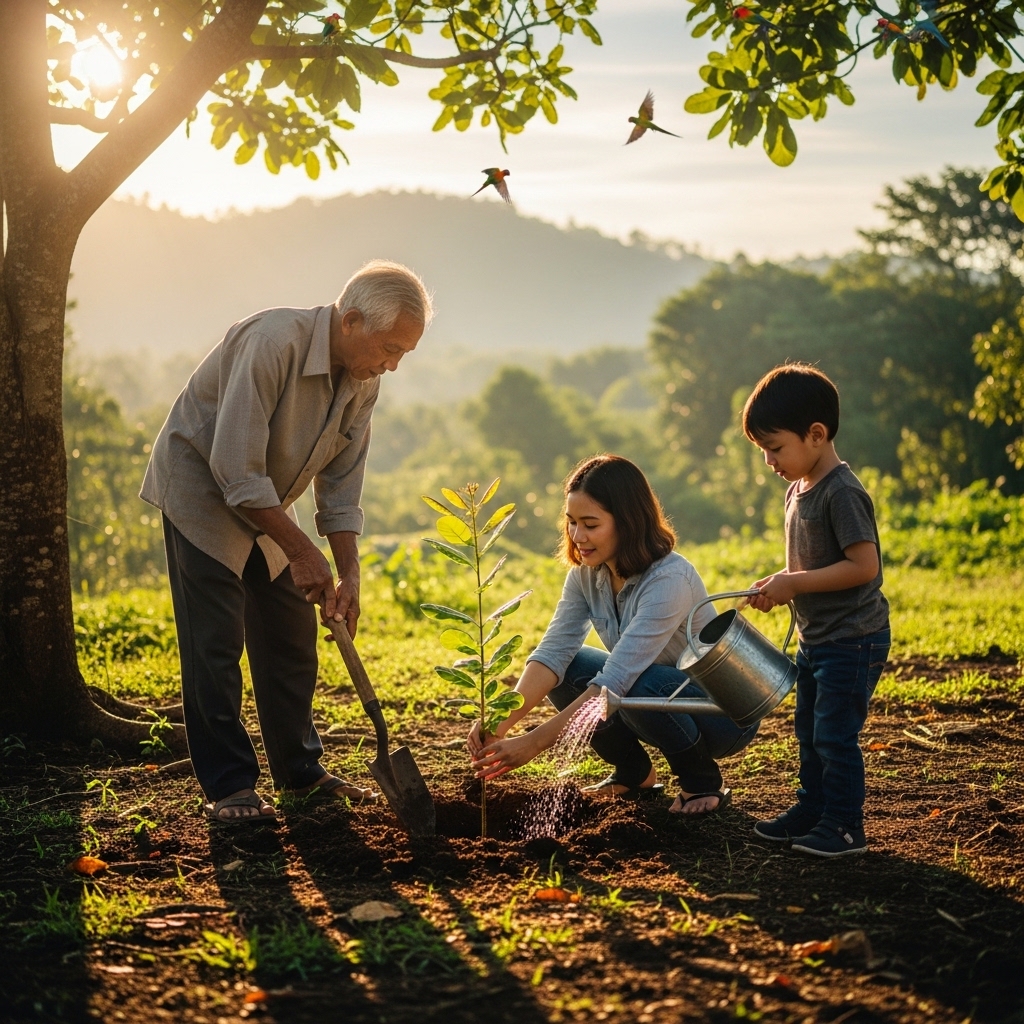
- Water Generously: After planting, I water the tree thoroughly. This helps settle the soil around the roots. I usually keep watering gently until the water starts to pool a little around the base.
By following these steps, I’ve successfully planted several cashew trees that have thrived over the years.
Spacing and Depth Considerations
When it comes to spacing, I’ve learned that giving cashew trees enough room to grow is key. Ideally, I space my trees at least 10 to 12 feet apart. This distance allows them to spread out their roots and branches without competing for nutrients and sunlight. I remember when I planted my first tree too close to another one; it ended up stunted and didn’t produce as well as it should have.
Depth is also important. As I mentioned earlier, the top of the root ball should be level with the surrounding soil. If it’s planted too deep, the roots can suffocate, while planting too high can expose them to air and cause them to dry out. I always double-check before covering the roots to ensure I haven’t made this mistake.
Watering Immediately After Planting
Watering right after planting is a critical step that I never skip. When I first planted my cashew tree, I was surprised at how dry the soil was around the roots. After I watered it well, I noticed that the tree perked up almost immediately. I usually water deeply, ensuring that the moisture reaches the root zone. This helps reduce transplant shock and encourages the roots to spread out into the surrounding soil.
In the following weeks, I keep a close eye on the tree, making sure the soil remains moist but not soggy. I often find myself checking the moisture levels just by feeling the top inch of soil. If it feels dry, I know it’s time to give it another drink!
Post-Planting Care
Watering Schedule
After planting my cashew trees, I establish a consistent watering schedule. For the first few months, I water them deeply once a week. I’ve realized that young trees are particularly vulnerable, and having a regular schedule helps them get established. If there’s been rain, I adjust my schedule accordingly, but I always ensure they have enough moisture, especially during dry spells.
As the trees grow, I gradually reduce watering frequency, transitioning to a more drought-resistant approach. I’ve noticed that mature cashew trees can handle longer gaps between watering, which is a relief, especially during the hot summer months.
Fertilization Tips
Fertilizing is another important part of post-planting care. I start fertilizing my cashew trees about three months after planting. I usually apply a balanced fertilizer, which I’ve found gives the trees the nutrients they need to grow strong and healthy. I follow the instructions on the package and apply it around the base of the tree, avoiding direct contact with the trunk.
In my experience, organic options like compost or well-rotted manure can also work wonders. When I added compost to my soil, I noticed a marked improvement in growth. I aim to fertilize every few months during the growing season, adjusting as necessary based on the tree’s appearance.
Pest and Disease Management
Pest and disease management is something I keep a close watch on. I’ve learned that being proactive is better than waiting for problems to arise. I regularly inspect my trees for any signs of pests like aphids or caterpillars. I’ve had success using organic insecticides when necessary, but I prefer to use natural methods whenever possible, like introducing beneficial insects that help control pests.
Additionally, I’ve found that maintaining good air circulation and avoiding overcrowding can help reduce the risk of disease. Keeping the area around my cashew trees clean and free of debris also minimizes potential issues.
Pruning Techniques for Healthy Growth
Pruning is another important aspect of post-planting care that I learned to embrace. I usually begin pruning my cashew trees about a year after planting. I focus on removing any dead or damaged branches to encourage healthy growth. I’ve found that pruning helps shape the tree and allows more sunlight to reach the inner branches.
When I prune, I always use clean, sharp tools to prevent any disease from spreading. I typically aim to prune in the dry season when the risk of disease is lower. My trees have thrived with this practice, and I love watching them grow into healthy, productive plants! Read Interesting article: How to Plant Pistachio Nuts and Grow a Tree
Frequently Asked Questions
What are the ideal climate conditions for planting cashew trees?
Cashew trees thrive in warm temperatures ranging from 20°C to 30°C (68°F to 86°F) and do best in areas with distinct wet and dry seasons. Too much rain can affect nut yield, while extreme drought can hinder their growth.
What type of soil is best for cashew trees?
Cashew trees prefer sandy or loamy soils that are well-draining. They do not thrive in heavy clay soils that retain water. The ideal pH for the soil should be around 5.5 to 7.5.
When is the best time to plant cashew trees?
The best time to plant cashew trees is at the beginning of the rainy season, which allows the young plants to establish their roots with the help of natural rainfall. In tropical regions, this could be from March to June, but it varies by location.
How should I prepare the planting site for cashew trees?
Preparing the planting site involves clearing the area of weeds and debris, digging a hole that is twice as wide and deep as the root ball of the young tree, and mixing in some organic compost to enrich the soil before planting.
What is the recommended spacing for planting cashew trees?
Cashew trees should be spaced at least 10 to 12 feet apart to allow them enough room to spread out their roots and branches without competing for nutrients and sunlight.
How often should I water newly planted cashew trees?
For the first few months after planting, cashew trees should be watered deeply once a week. Young trees are particularly vulnerable, so it’s important to ensure they have enough moisture, especially during dry spells.
When should I start fertilizing my cashew trees?
Fertilization should begin about three months after planting. A balanced fertilizer can be applied around the base of the tree, avoiding direct contact with the trunk, and organic options like compost can also be beneficial.
What pest and disease management practices should I follow for cashew trees?
Regularly inspect the trees for signs of pests and consider using organic insecticides if necessary. Maintaining good air circulation, avoiding overcrowding, and keeping the area clean can help reduce the risk of disease.
When is the best time to prune cashew trees?
Pruning should typically begin about a year after planting, focusing on removing any dead or damaged branches to encourage healthy growth. It is best to prune in the dry season when the risk of disease is lower.
What are the benefits of planting cashew trees?
Planting cashew trees offers economic benefits through the harvest of cashew nuts and apples, which are highly sought after for their nutritional value. They also help prevent soil erosion, improve soil quality, and provide shade and habitat for wildlife.