
The fastest way to grow a lemon tree is to choose the right variety, plant it in well-draining soil, and provide consistent care, including proper watering and fertilization. I’ve found that with the right conditions and dedication, you can enjoy fresh lemons in no time. Read Interesting article: Is Epsom Salt Good for Plants? Benefits & Risks
Table of Contents
Understanding Lemon Trees
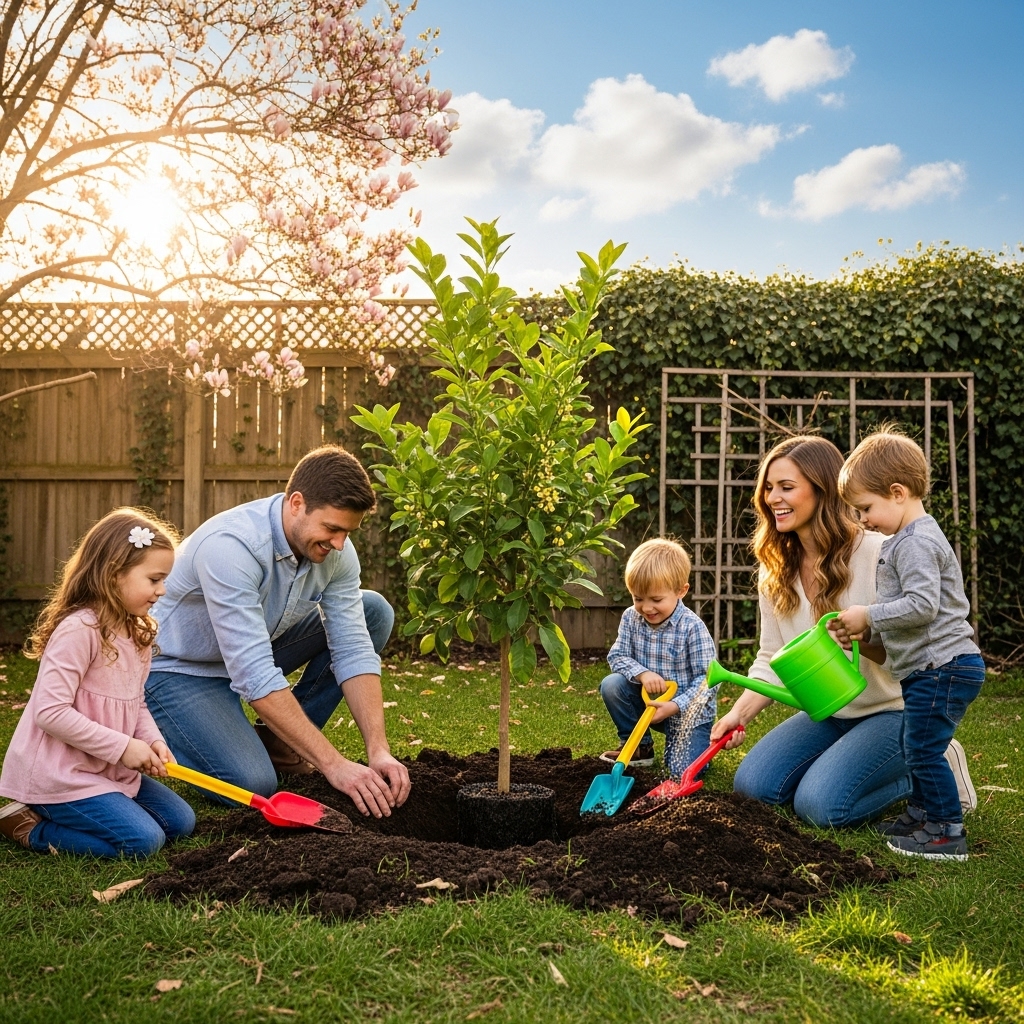
Lemon trees are not just beautiful additions to gardens; they also produce delicious fruits that can enhance many dishes and drinks. Understanding the different aspects of lemon trees can help you cultivate them successfully. From their varieties to the benefits they offer and their ideal growing conditions, there’s a lot to learn about these vibrant trees.
Types of Lemon Trees
There are several types of lemon trees, each with unique characteristics and growth patterns. Some of the most popular include:
- Eureka Lemon Tree: This variety is known for its juicy fruit and is a favorite among commercial growers. It produces fruit year-round, making it a reliable choice for home gardeners.
- Lisbon Lemon Tree: Similar to the Eureka, the Lisbon lemon tree is hardy and produces lemons that are larger and more acidic. It’s also tolerant of various climates, making it versatile for different regions.
- Meyer Lemon Tree: A hybrid of a lemon and a mandarin, the Meyer lemon tree is smaller and produces sweeter, less acidic fruit. This variety is excellent for those who prefer a milder lemon flavor and can be grown in pots, making it perfect for smaller spaces.
Benefits of Growing Lemon Trees
There are several benefits to growing lemon trees that go beyond just the fruit. Personally, I love having fresh lemons on hand for cooking and baking, but here are a few more reasons you might consider planting one:
- Homegrown Flavor: There’s nothing quite like the flavor of fresh lemons. Homegrown lemons often taste better than store-bought ones, and you can use them in a variety of dishes and drinks.
- Aesthetically Pleasing: Lemon trees have glossy, green leaves and bright yellow fruit, which can beautify your garden or patio. They can also attract pollinators, adding life to your outdoor space.
- Health Benefits: Lemons are packed with vitamin C and antioxidants. Having a lemon tree means you can easily access these health benefits by incorporating fresh lemons into your diet.
Ideal Climate for Lemon Trees
Understanding the climate in which lemon trees thrive is essential for their success. From my experience, lemon trees prefer warm, subtropical, or Mediterranean climates with plenty of sunlight. Here are some key points to remember:
- Temperature: Ideally, lemon trees grow best in temperatures between 70°F and 100°F. They can tolerate brief periods of cold, but prolonged exposure to freezing temperatures can harm or kill the tree.
- Sunlight: Lemon trees need full sun for at least 8 hours a day. If you’re growing them indoors or in a shaded area, make sure they receive adequate light to thrive.
- Humidity: These trees prefer a humid environment, so if you live in a dry area, consider using a humidity tray or regularly misting your plants.
Overall, creating the right climate is crucial for the growth of your lemon tree. By understanding their needs, you can ensure they grow strong and healthy.
Choosing the Right Lemon Tree Variety
When it comes to growing lemon trees, choosing the right variety is crucial. Each type has its own unique flavor, size, and growing conditions. Depending on your space, climate, and taste preferences, you might find one variety suits you better than the others. I remember spending hours researching and contemplating my options before finally deciding on the best fit for my garden.
Eureka Lemon Tree
The Eureka lemon tree is a standout for many gardeners, and I can see why. It’s known for producing juicy, bright yellow lemons that are perfect for cooking, baking, or just squeezing over a glass of water. I’ve personally enjoyed using Eureka lemons in my lemonade stand during summer. One of the best things about this variety is its ability to produce fruit year-round. Imagine having a constant supply of fresh lemons; it’s a game-changer for anyone who loves to cook! Just keep in mind that it needs a bit of care, especially in terms of sunlight and watering, but the rewards are utterly worth it.
Lisbon Lemon Tree
If you’re looking for a hardy lemon tree, the Lisbon lemon tree might be your best bet. I’ve seen them thrive in various climates, which makes them a popular choice for many gardeners. Their lemons tend to be larger and more acidic than those from the Eureka tree, perfect for culinary uses that require a bolder flavor. I appreciate that the Lisbon tree is resilient against pests and diseases, which can be a concern for those of us who might not have the greenest thumbs. Plus, they can handle a bit of cold weather, giving them an advantage in areas with fluctuating temperatures.
Meyer Lemon Tree
The Meyer lemon tree is a delightful choice, especially for those who prefer a sweeter taste. I remember when I first tasted a Meyer lemon; it was like discovering a whole new world of flavor! This hybrid tree is smaller and can easily adapt to pot growth, making it ideal for balconies or small gardens. The fruit is less acidic, which is a great option for those who enjoy a milder lemon flavor. I often use Meyer lemons in my desserts and salad dressings. Just imagine making a lemon meringue pie with these sweet gems! They’re a bit more sensitive to the cold, though, so if you live in chillier areas, you might want to keep them indoors during the winter months.
Essential Tools and Materials
Before diving into planting your lemon tree, it’s essential to gather the right tools and materials. When I first started, I realized that having everything prepared made the process smoother and more enjoyable. Here’s what you’ll need:
Tools Needed for Planting
- Shovel: A good shovel is crucial for digging the planting hole. I recommend a spade for its precision.
- Garden Trowel: This handy tool is perfect for smaller digging tasks, especially if you’re planting in pots.
- Gloves: Protecting your hands while working with soil and plants is essential. I always wear gloves to avoid any scratches or irritations.
- Watering Can or Hose: A gentle watering can or hose attachment is great for giving your newly planted tree a good drink.
- Mulch or Straw: It helps retain moisture in the soil, which I’ve found beneficial in hot weather.
Soil Requirements
The right soil can make all the difference when planting a lemon tree. I learned early on that lemon trees thrive in well-draining soil, as they don’t like their roots sitting in water. A good blend is a mix of potting soil, peat moss, and perlite or sand. This combination allows for aeration and drainage, which is vital. I often mix in some organic compost for added nutrients, providing a strong start for my trees. Read Interesting article: How to Care for a Basil Plant (Keep It Alive Longer)
Fertilizers and Amendments
Once your lemon tree is planted, it will need nutrients to grow strong and healthy. I’ve found that using a balanced fertilizer, especially one formulated for citrus trees, works wonders. Look for a fertilizer with a ratio like 3-1-1 or 2-1-1. This means it has more nitrogen, which is crucial for leafy growth. I usually apply fertilizer during the growing season, about every 6 to 8 weeks. It’s also worth considering occasional soil amendments, such as lime, to maintain the right pH levels, ideally between 5.5 and 6.5.
Step-by-Step Guide to Planting a Lemon Tree
Planting a lemon tree can feel like a big task, but I’ve found that breaking it down into manageable steps makes the process much easier and enjoyable. Here’s a guide that I followed when I planted my first tree, and it worked wonders for me.
When to Plant a Lemon Tree
Timing is everything when it comes to planting lemon trees. From my experience, the best time to plant is in the spring, after the last frost. Lemon trees thrive in warm temperatures, so I’ve noticed that they establish much better when the soil is warm, ideally around 65°F to 70°F. If you live in a milder climate, you can also plant in the fall, but I’d recommend keeping an eye on the temperatures to protect your young tree from any unexpected cold snaps.
Preparing the Planting Site
Finding the right spot in your garden or yard is crucial. I remember spending some time scouting the area to ensure my lemon tree would get plenty of sunlight. I usually look for a location that gets full sun for at least 8 hours a day. Once I found the perfect spot, I cleared away any weeds or grass to give my tree the best chance at growth. It’s also a good idea to check the soil quality in that area. If it’s heavy clay or too sandy, I recommend amending it to create a suitable blend for your tree.
How to Plant the Lemon Tree
Once you’ve prepared the site, it’s time to plant! Here’s how I did it:
- Dig the Hole: I dug a hole that was twice as wide and as deep as the root ball of my lemon tree. This gave the roots plenty of room to spread out.
- Check the Root Ball: Before placing the tree in the hole, I gently loosened the roots to encourage them to grow outward. I learned that if they’re too tightly bound, they might struggle to establish themselves.
- Position the Tree: I placed the tree in the center of the hole, making sure that the top of the root ball was level with the soil surface. I’ve found this is important to avoid water pooling around the trunk.
- Backfill the Hole: As I filled the hole with soil, I made sure to pack it gently to eliminate any air pockets. This is something I often overlooked in the beginning, but I realized it’s essential for strong root growth.
- Water Thoroughly: After planting, I gave my lemon tree a deep watering. This helps settle the soil and provides the tree with an initial drink to start its new life in its new home.
Watering Techniques Post-Planting
Watering is a critical part of establishing your lemon tree. I learned that right after planting, it’s important to keep the soil consistently moist but not soggy. During the first few weeks, I watered my tree every few days, ensuring that the root zone was well-hydrated. After that, I transitioned to a weekly watering schedule, adjusting based on the weather and the moisture level of the soil. I often stuck my finger into the soil about an inch deep; if it felt dry, I knew it was time to water again.
Caring for Your Lemon Tree for Fast Growth
Once your lemon tree is planted, the journey doesn’t end there. Caring for it properly will ensure fast growth and a bountiful harvest. I’ve discovered a few key practices that make a significant difference.
Watering Schedule
As I mentioned, establishing a proper watering routine is vital. I usually check the soil moisture once a week to see if it needs watering. During hot summer months, I’ve noticed that my lemon tree appreciates a little extra love, so I sometimes water it twice a week. Just be cautious not to overwater; I’ve learned this the hard way, and it can lead to root rot. A good rule of thumb is to let the top inch of soil dry out before watering again.
Fertilization Tips
Feeding your lemon tree is another way to encourage growth. I typically use a balanced fertilizer every 6 to 8 weeks during the growing season. It’s like giving my tree a boost of energy! I often mix in some organic compost too, which helps improve soil structure and provides additional nutrients. I’ve found that keeping an eye on the leaves can be helpful; if they start to yellow, it might be a sign that the tree needs a little more nourishment.
Pruning for Optimal Growth
Pruning is something I initially hesitated to do, but I learned that it’s essential for maintaining the health and shape of my lemon tree. I usually prune lightly in late winter or early spring, before the growing season starts. This helps remove any dead or crossing branches and allows for better airflow and sunlight penetration. I’ve found that shaping the tree encourages more fruit production and keeps it looking tidy.
Pest and Disease Management
Keeping an eye out for pests and diseases is crucial. I’ve encountered a few common pests like aphids and spider mites, but I learned that a simple mixture of water and mild soap can help control them. Just a gentle spray on the affected areas usually does the trick. I also regularly check the leaves for any signs of disease, and if I notice anything unusual, I act quickly. Early intervention can save your tree! Read Interesting article: How to Plant an Avocado Pit and Grow a Tree
Frequently Asked Questions
What is the fastest way to grow a lemon tree?
The fastest way to grow a lemon tree is to choose the right variety, plant it in well-draining soil, and provide consistent care, including proper watering and fertilization.
What are the most popular types of lemon trees?
The most popular types of lemon trees include the Eureka Lemon Tree, Lisbon Lemon Tree, and Meyer Lemon Tree, each with unique characteristics and growth patterns.
What benefits come from growing lemon trees?
Growing lemon trees provides homegrown flavor, aesthetic appeal, and health benefits, as they produce vitamin C-rich fruits that enhance various dishes and drinks.
What climate conditions are ideal for lemon trees?
Lemon trees thrive in warm, subtropical, or Mediterranean climates, preferring temperatures between 70°F and 100°F, full sun for at least 8 hours a day, and a humid environment.
When is the best time to plant a lemon tree?
The best time to plant a lemon tree is in the spring after the last frost, or in the fall in milder climates, ensuring that the soil is warm, ideally around 65°F to 70°F.
What tools do I need to plant a lemon tree?
You will need a shovel, garden trowel, gloves, watering can or hose, and mulch or straw to successfully plant a lemon tree.
How should I prepare the soil for planting a lemon tree?
Lemon trees thrive in well-draining soil, ideally a mix of potting soil, peat moss, and perlite or sand, often supplemented with organic compost for added nutrients.
How often should I water my lemon tree after planting?
After planting, keep the soil consistently moist but not soggy, watering every few days for the first few weeks, then transitioning to a weekly watering schedule based on weather conditions.
What fertilization tips should I follow for my lemon tree?
Use a balanced fertilizer every 6 to 8 weeks during the growing season, and consider mixing in organic compost to improve soil structure and provide additional nutrients.
How can I manage pests and diseases on my lemon tree?
To manage pests like aphids and spider mites, use a mixture of water and mild soap as a gentle spray. Regularly check leaves for signs of disease and act quickly if any issues are noticed.