
To plant a peach tree for healthy growth, start by selecting the right variety, preparing the soil, and ensuring adequate sunlight and water. I’ve found that with a bit of planning and care, you can enjoy delicious peaches right from your backyard.
Table of Contents
Understanding Peach Trees
Peach trees are not just beautiful; they’re also fruitful and rewarding to grow. I remember the first time I planted one; the anticipation of watching it grow and bear fruit was exhilarating. Understanding the basics of peach trees can help set you up for success. Here’s what I’ve learned over the years.
Types of Peach Trees
There are several types of peach trees, primarily categorized into two groups: clingstone and freestone. Clingstone peaches have flesh that clings to the pit, which makes them great for canning and preserves. On the other hand, freestone peaches have flesh that separates easily from the pit, making them ideal for fresh eating. I personally prefer freestone peaches for their ease of use in desserts and snacks. In my experience, choosing the right type can influence how you use the peaches later on.
Climate Requirements
Peach trees thrive in areas with warm summers and cold winters. They require a certain number of chill hours, usually between 300 to 1,000 hours below 45°F, to produce good fruit. I live in an area with cold winters, which has been beneficial for my trees. In fact, I noticed a significant difference in fruit quality between years when the winters were particularly cold versus milder winters. If you’re in a warmer climate, look for low-chill varieties that can still produce fruit without the cold hours.
Soil Preferences
When it comes to soil, peach trees prefer well-draining, loamy soil with a pH between 6.0 and 7.0. I learned the hard way about the importance of good drainage when I planted my first tree in heavy clay soil. It struggled, and the roots began to rot. After that, I always test my soil before planting. You can easily buy a soil test kit or send a sample to a local extension office to get an analysis. If your soil is too acidic or alkaline, you can amend it with lime or sulfur. I’ve found that investing time in proper soil preparation pays off in the long run.
Choosing the Right Peach Tree Variety
Choosing the right variety of peach tree is a crucial step in ensuring your success. With so many options, it can be overwhelming at first. I remember standing in a nursery, surrounded by different varieties, trying to decide which one would thrive in my garden.
Clingstone vs. Freestone Peaches
If you’re still unsure which type to choose, consider the purpose of your peach harvest. Clingstone peaches tend to ripen earlier in the season and are often used for canning or making jams due to their texture. Freestone peaches, however, are perfect for eating fresh or using in desserts, as they’re easier to slice. Personally, I lean towards freestone varieties for my family, as they make snacking a breeze. The ease of biting into a juicy, fresh peach without worrying about the pit is a definite plus!
Best Varieties for Your Region
Researching the best varieties for your specific region is essential. For example, if you live in the Southeast, varieties like ‘Elberta’ and ‘Georgia Belle’ are popular choices. In contrast, those of us in the Northern regions might opt for ‘Redhaven’ or ‘Reliance’ which are more cold-hardy. I’ve learned that local extension services often provide lists of recommended varieties based on the climate and soil conditions in your area, which can be incredibly helpful. Speaking with local gardeners can also provide insight into what grows best in your neighborhood.
When to Plant a Peach Tree
Timing is everything when it comes to planting peach trees. I remember planting mine in early spring, and the excitement of watching it sprout new leaves filled me with joy. Understanding the best times to plant can greatly influence your tree’s success.
Best Seasons for Planting
The best times to plant a peach tree are in the spring or fall. Spring planting allows the tree to establish roots before the summer heat, while fall planting can give the tree a head start before winter sets in. I’ve tried both methods, and either can work well depending on your local climate. If you choose to plant in the fall, make sure there’s enough time for the roots to settle in before the ground freezes.
Factors Influencing Planting Time
Several factors can influence when you plant your peach tree. For one, consider the first and last frost dates in your area. I always check these dates before planting to avoid frost damage. Additionally, the specific variety of peach tree can play a role. Some varieties may need a longer growing season, while others are more adaptable. I remember once waiting an extra week to plant after a late frost warning—an excellent decision that saved my young tree from damage.
Preparing the Planting Site
Preparation is key to ensuring your peach tree has the best chance of thriving in its new home. From location to soil amendments, I’ve learned that a little effort upfront can lead to a healthier tree down the line.
Choosing the Right Location
Peach trees love full sun, so finding a spot that receives at least six to eight hours of sunlight daily is crucial. I once planted a tree in a partially shaded area and was disappointed by the lack of fruit. Additionally, ensure the site has good air circulation to help prevent diseases. I typically look for higher ground or slopes, as they tend to drain better and allow for good airflow.
Soil Testing and Amendments
As I mentioned earlier, testing your soil is essential. Once I had my soil tested, I was able to make informed decisions about amendments. If the soil is lacking in nutrients like nitrogen, phosphorus, or potassium, you can add compost or a balanced fertilizer. I often mix in organic matter like well-rotted manure to improve the soil structure and nutrient content. Remember, healthy soil equals a healthy tree!
Planting Your Peach Tree
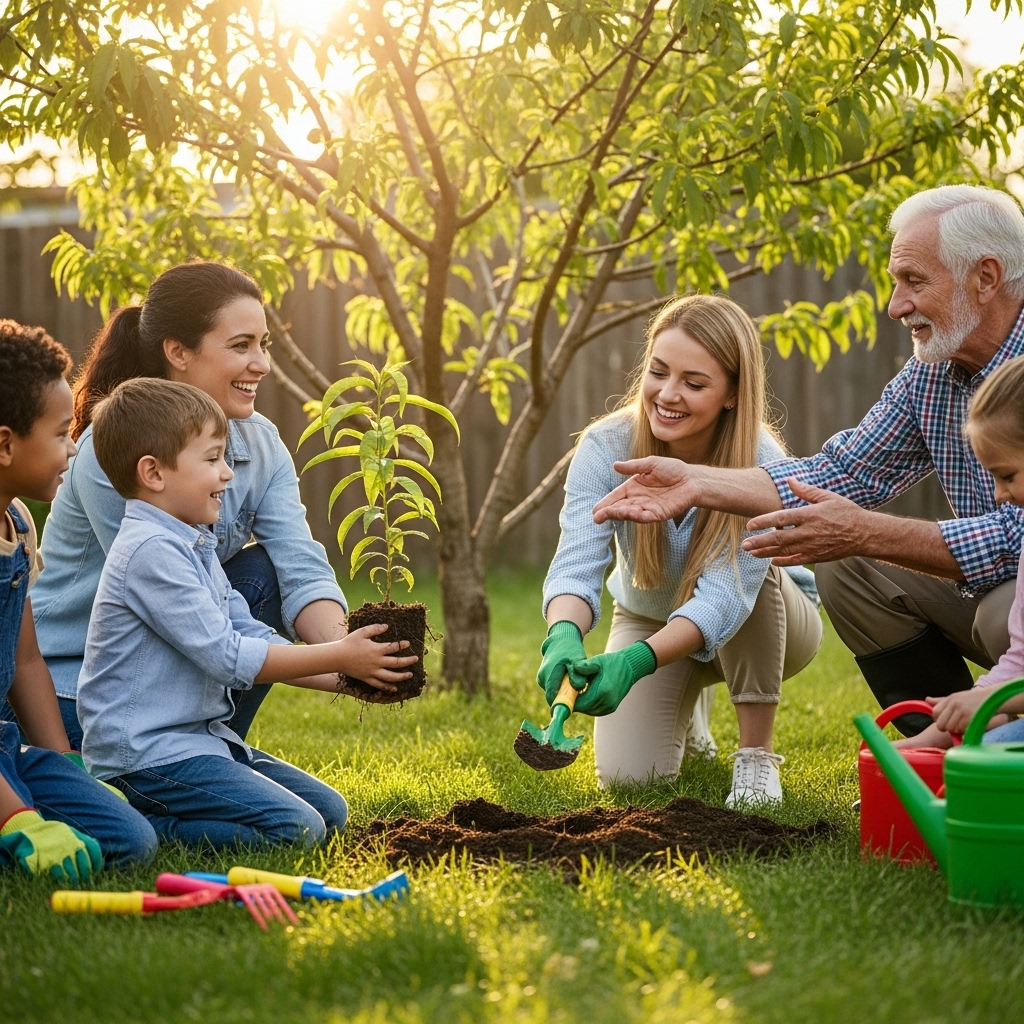
Now comes the exciting part—planting your peach tree! I still recall the joy of digging that first hole and placing my tree in the ground. Here’s how to do it right.
Tools and Materials Needed
Before you start, make sure you have the right tools on hand. You’ll need a shovel, a trowel, a garden hose, and mulch. I also recommend having stakes and ties ready, especially if you’re planting a young tree that may need support in the beginning. Proper tools make the job much easier, and I find that being prepared helps the planting process go smoothly.
Step-by-Step Planting Guide
1. **Dig the Hole:** Start by digging a hole that’s about twice the width and the same depth as the root ball of your peach tree. I usually find that 2 feet wide and 2 feet deep works well.
2. **Prepare the Root Ball:** Gently remove the tree from its container, taking care not to damage the roots. I usually loosen any tightly bound roots before placing it in the hole.
3. **Place the Tree:** Position the tree in the center of the hole, making sure the graft union (where the tree was grafted) is above soil level. This step is critical! I learned this the hard way after burying the graft one time.
4. **Backfill the Hole:** Fill the hole with the soil you removed, gently packing it down as you go to eliminate air pockets.
5. **Water Thoroughly:** After planting, give your new tree a good soak. I always ensure it gets a deep watering right after planting to help settle the soil around the roots.
6. **Mulch:** Finally, apply a layer of mulch around the tree to help retain moisture and suppress weeds. I often use wood chips or straw for this purpose.
Watering After Planting
Watering is vital right after you’ve planted your peach tree. I typically check the soil moisture for the first few weeks, watering as necessary to keep it consistently moist but not soggy. Young trees can be sensitive to drought, and I’ve learned that a good watering schedule can help them establish strong roots.
Caring for Your Peach Tree
Caring for your peach tree doesn’t stop once it’s planted. Ongoing care is crucial for producing healthy fruit and maintaining the tree’s overall health. Here’s what I’ve found helpful in my own experience.
Watering Techniques
Watering techniques can vary, but I generally prefer deep watering sessions over frequent shallow watering. This allows the roots to grow deep into the soil. I aim to water once a week, adjusting based on rainfall and temperature. During dry spells, I increase the frequency. I’ve noticed that trees tend to thrive when their roots can reach down for water rather than staying close to the surface.
Fertilization Schedule
Fertilization is another critical aspect of care. I usually start fertilizing my peach tree in early spring, using a balanced fertilizer specifically designed for fruit trees. In my experience, following the manufacturer’s instructions is key—too much fertilizer can harm the tree. I often fertilize again in mid-summer to support fruit development. Keeping an eye on the tree’s growth and adjusting the fertilization schedule as needed has worked well for me.
Pruning for Healthy Growth
Pruning is essential for the long-term health of your peach tree. I usually prune in late winter or early spring before new growth begins. This helps to shape the tree and remove any dead or diseased branches. I’ve found that keeping the tree open in the center allows better sunlight penetration and air circulation, which can reduce disease risk. Plus, watching the tree transform each year is incredibly satisfying!
Dealing with Pests and Diseases
Like any gardener, I’ve had my share of pest and disease problems. Being aware of common issues can help you tackle them before they become a significant concern.
Common Peach Tree Pests
Some of the common pests that plague peach trees include aphids, spider mites, and peach tree borers. I’ve noticed aphids can be especially problematic in the spring when new growth appears. They can stunt growth and leave the tree vulnerable to other pests and diseases.
Preventative Measures
Taking preventative measures can save you a lot of trouble. I’ve found that keeping the area around the tree clean and free of debris can help deter pests. Also, introducing beneficial insects like ladybugs can help control aphid populations naturally. Regularly checking for signs of pests or diseases has been a game changer for me. Early detection is crucial! Read Interesting article: How to Use Neem Oil on Plants (Safe & Effective)
Organic and Chemical Treatments
If pests do become a problem, I usually start with organic treatments. Neem oil or insecticidal soap can be effective and less harmful to beneficial insects. However, if the problem escalates, I might resort to chemical treatments, always following the instructions carefully. I’ve learned that being cautious and informed about any treatments is essential for the health of my garden.
Harvesting Peaches
Harvesting peaches is one of the most rewarding parts of the process. There’s something magical about picking fruit from your own tree. Here’s how to know when it’s time to gather your bounty.
Signs of Ripeness
Ripeness can be determined by the color, feel, and smell of the peaches. I usually look for a rich, golden color and a slight give when I gently squeeze the fruit. You can also smell the aroma; a sweet fragrance typically indicates that it’s ready to be picked. Over the years, I’ve learned to trust my senses when it comes to harvesting.
How to Harvest Peaches Properly
When harvesting, I always twist the peach gently rather than pulling it straight off the branch. This helps prevent damage to the tree and the fruit. I also try to harvest in the morning when temperatures are cooler, which can help maintain the quality of the fruit. Enjoying those first bites of fresh peaches is a memory I treasure every summer!
Common Mistakes to Avoid
Even seasoned gardeners can make errors, and I’ve learned from my fair share. Here are a few mistakes to avoid when planting and caring for your peach tree.
Overwatering and Underwatering
Finding the right balance with watering is crucial. I’ve overwatered my trees before, which led to root rot. On the flip side, underwatering can stress the tree and reduce fruit quality. I recommend checking the soil moisture regularly, especially during hot spells, to ensure your tree gets just the right amount of water.
Neglecting Soil Health
Soil health is the foundation for a healthy tree. I’ve learned that neglecting this aspect can lead to poor growth and fruit production. Regular soil tests, along with amendments when necessary, have made a significant difference in my tree’s health over the years. Keeping the soil fertile and well-draining is a priority for me.
Resources for Further Learning
If you’re eager to dive deeper into peach tree cultivation, there’s a wealth of resources available. I’ve found that continuing to learn has enhanced my gardening experience.
Books on Peach Tree Cultivation
There are numerous books dedicated to fruit tree cultivation. I particularly recommend “The Fruit Gardener’s Bible” by Lewis Hill and “Growing Peaches and Plums” by the editors of Cool Springs Press. Both have provided me with valuable insights and tips over the years.
Online Gardening Communities
Joining online gardening communities can also be incredibly helpful. Websites, forums, and social media groups are filled with enthusiastic gardeners who share their experiences, tips, and advice. I’ve learned so much from connecting with others who share my passion for gardening. Read Interesting article: The Astonishing Reason Tree Trunks Are Painted White Revealed!
Frequently Asked Questions
What are the two main types of peach trees?
The two main types of peach trees are clingstone and freestone. Clingstone peaches have flesh that clings to the pit, making them suitable for canning, while freestone peaches have flesh that separates easily from the pit, making them ideal for fresh eating.
What climate conditions are best for peach trees?
Peach trees thrive in areas with warm summers and cold winters. They require between 300 to 1,000 chill hours below 45°F to produce good fruit. In warmer climates, low-chill varieties are recommended.
What type of soil do peach trees prefer?
Peach trees prefer well-draining, loamy soil with a pH between 6.0 and 7.0. Good drainage is essential to prevent root rot.
When is the best time to plant a peach tree?
The best times to plant a peach tree are in the spring or fall. Spring planting allows the tree to establish roots before summer heat, while fall planting gives it a head start before winter.
How should I prepare the planting site for a peach tree?
To prepare the planting site, choose a location that receives at least six to eight hours of sunlight daily and has good air circulation. Testing the soil and making necessary amendments is also crucial for healthy growth.
What tools are needed to plant a peach tree?
Essential tools for planting a peach tree include a shovel, trowel, garden hose, mulch, and optionally stakes and ties for support if planting a young tree.
What is the recommended watering technique for peach trees?
Deep watering is preferred over frequent shallow watering. Watering once a week is generally suggested, adjusting based on rainfall and temperature to ensure the roots grow deep into the soil.
How often should I fertilize my peach tree?
Fertilization typically begins in early spring with a balanced fertilizer designed for fruit trees, followed by another application in mid-summer to support fruit development.
What are some common pests that affect peach trees?
Common pests that affect peach trees include aphids, spider mites, and peach tree borers. Early detection and preventative measures are crucial to manage these pests effectively.
How can I tell when peaches are ripe for harvesting?
Peaches are ripe when they exhibit a rich, golden color, a slight give when squeezed, and a sweet aroma. Twisting the peach gently rather than pulling it straight off the branch helps prevent damage during harvesting.