
To plant a peach tree successfully, choose a healthy tree variety suited for your climate, select a sunny location with well-draining soil, and follow proper planting techniques. I’ve found that giving attention to these details can make all the difference in your peach tree’s health and fruit production. For more detailed guidance, check out How to Plant a Peach Tree for Healthy Growth.
Table of Contents
Understanding Peach Trees
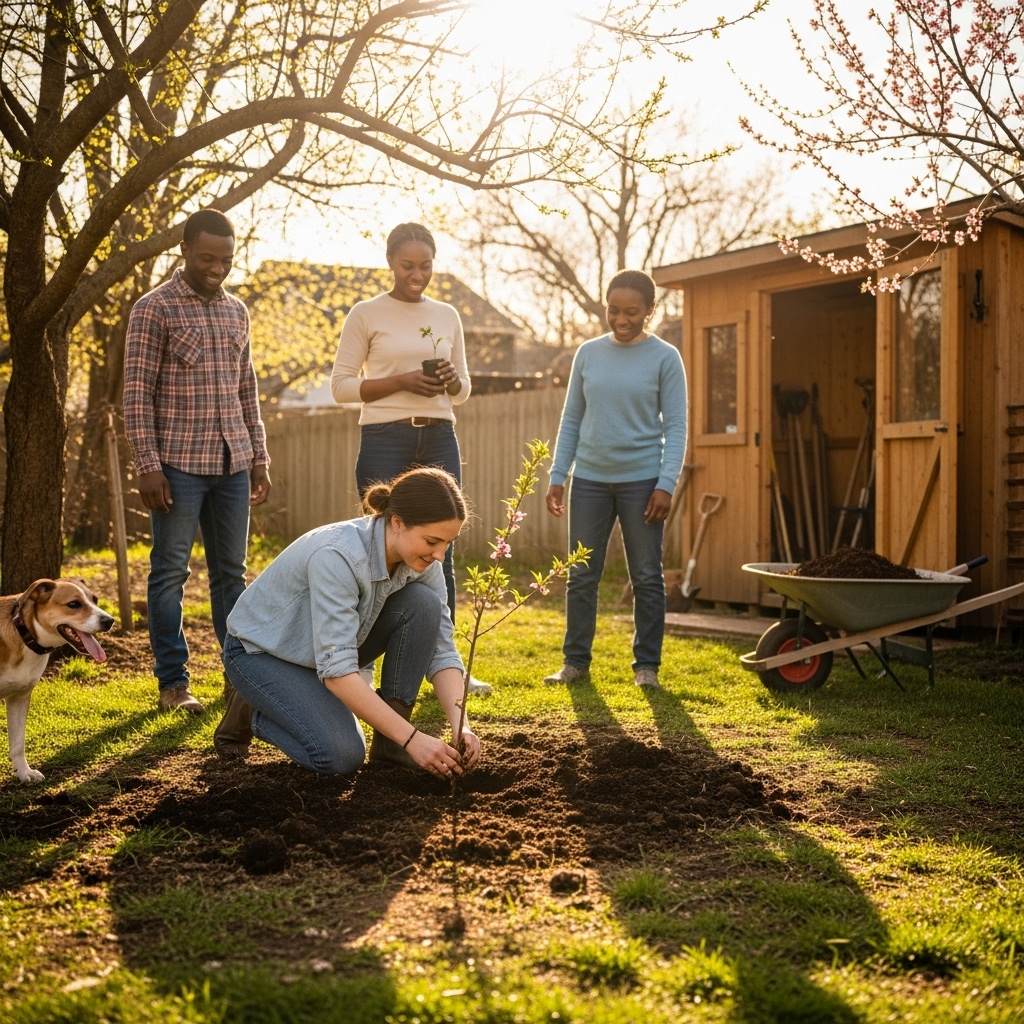
Peach trees are not only beautiful to look at but also provide delicious, juicy fruits that many of us love. I remember the first time I bit into a ripe peach from my own tree; it was a moment of pure joy! But before diving into planting, it’s important to understand the different types of peach trees and their specific requirements.
Types of Peach Trees
There are primarily two types of peach trees: freestone and clingstone. Freestone peaches have flesh that easily separates from the pit, making them perfect for eating fresh or baking. Clingstone peaches, on the other hand, have flesh that clings to the pit, which can make them a bit trickier to work with in the kitchen but are often juicier. I’ve enjoyed both types, but I lean towards freestone for my preserves.
Peach Tree Varieties and Their Characteristics
Within these types, you’ll find a variety of peach cultivars suited for different climates and tastes. Some popular varieties include:
- Elberta: This is a classic freestone peach known for its sweet flavor and versatility.
- Red Haven: A favorite among gardeners, this variety is known for its juicy flesh and reliable harvest.
- Donut Peach: Also known as Saturn peaches, these flat peaches have a unique flavor that’s wonderfully sweet and low in acidity.
I’ve tried growing several varieties over the years, and each brings its own charm and flavor to the table. When selecting a variety, consider your local climate, as some peaches require chill hours to produce fruit effectively. You can learn more about the different planting methods in How to Plant a Peach Pit and Grow a Tree.
Climate Requirements for Peach Trees
Peach trees thrive in areas with a temperate climate. They generally need a certain number of chill hours (periods when temperatures are between 32°F and 45°F) during the winter to produce fruit in the summer. I learned this the hard way when my first peach tree didn’t bear fruit because it didn’t get enough chill hours in my warmer climate.
If you live in warmer regions, consider low-chill varieties that are bred to produce fruit with less winter cold. Be sure to check local gardening resources or your local extension service for the best varieties suited to your area.
Choosing the Right Location
Choosing the right location for your peach tree is crucial for its success. I’ve found that a little planning in this step goes a long way in ensuring a healthy tree.
Sunlight Requirements
Peach trees need full sun to thrive, which means at least six to eight hours of direct sunlight each day. I remember my first tree didn’t get enough sunlight because I planted it too close to a large oak. After relocating it to a sunnier spot, it flourished! Observe your yard throughout the day to identify the sunniest spots before planting.
Soil Quality and Drainage
Good soil quality is essential for peach trees. They prefer sandy loam soil that drains well, as they don’t like “wet feet.” I once planted a tree in clay-heavy soil, and it struggled for years. To improve drainage, consider mixing in compost or organic matter into the soil before planting. Testing your soil’s pH is also helpful; peach trees do best in slightly acidic to neutral soil (pH 6.0 to 7.0).
Spacing and Layout in Your Garden
When planting multiple peach trees, remember to space them adequately. I learned this after crowding my trees together, which led to poor air circulation and increased disease risk. Generally, you should space the trees about 15 to 20 feet apart, depending on the variety, to allow them room to grow. Plan your garden layout with these distances in mind for a healthy orchard.
Preparing to Plant a Peach Tree
Once you’ve chosen the right variety and location, it’s time to prepare for planting. This part can be quite exciting as you get ready to welcome your new tree into your garden!
Best Time to Plant Peach Trees
The best time to plant peach trees is in the spring after the frost has passed, or in the fall before the first frost. I prefer spring planting because it gives the tree a full growing season to establish roots. Just be sure to check your local frost dates so you can time your planting perfectly.
Tools and Materials Needed
Gathering the right tools before you begin can make the planting process smoother. Here’s a list of what I recommend you have on hand:
- A spade or shovel for digging
- A rake for leveling the soil
- Compost or well-rotted manure to enrich the soil
- Watering can or hose for watering after planting
- Mulch to help retain moisture
Having everything ready will help you focus on planting rather than running back and forth.
Soil Testing and Preparation
Before planting, it’s wise to test your soil. You can buy a simple soil test kit from a garden center or send samples to a local extension service. I did this, and it was eye-opening to discover that my soil was too acidic! Once you know the pH and nutrient levels, you can amend the soil accordingly, turning it into a rich environment for your peach tree.
After testing, prepare the soil by removing any weeds or debris and loosening the earth. Incorporating compost not only improves soil structure but also adds essential nutrients. I’ve found that a little extra effort here pays off significantly in the long run.
Step-by-Step Planting Guide
How to Dig the Planting Hole
Digging the right hole is one of the most important steps in planting a peach tree. I remember feeling a mix of excitement and nervousness as I prepared the hole for my first tree. The hole should be about twice the width of the root ball and just as deep. This gives the roots plenty of room to spread out and establish themselves. I found it helpful to measure the diameter of the root ball and then dig wider to ensure that the roots won’t feel cramped.
When you’re digging, make sure to loosen the soil at the bottom of the hole as well. This helps the roots penetrate deeper into the ground more easily. I’ve learned that the more effort you put into this step, the better your tree will thrive. If you encounter any rocks or roots while digging, be sure to remove them, as they can impede root growth.
Planting Depth and Orientation
Once the hole is ready, it’s time to place your peach tree in it. I always take a moment to examine the root structure. It’s important that the graft union—the point where the tree variety has been grafted onto the rootstock—is about an inch above the soil line. This ensures that the tree gets the right amount of moisture and nutrients. If you bury the graft too deep, you might invite problems later on.
I also make sure to spread the roots out gently, avoiding any crimping or bending, and then backfill the hole with the soil I removed. As I fill the hole, I like to gently tamp down the soil to eliminate air pockets, which can prevent the roots from getting the hydration they need. It’s a little tedious, but I’ve found it worth the effort to ensure a solid start for my tree.
Watering Techniques After Planting
After the planting is done, watering is crucial. I’ve always believed that one of the best ways to help a new tree settle in is to give it a generous drink right after planting. It’s like welcoming it home! I usually water the tree deeply, ensuring that moisture reaches down to the roots. A slow drip is best, so I often use a soaker hose or let the water run slowly for a few minutes.
In the first few weeks, I make it a point to keep the soil consistently moist, but not soggy. I check the moisture level by sticking my finger an inch or two into the soil. If it feels dry, I give it another drink. This routine helps establish a strong root system, and I’ve seen my trees flourish with a little extra attention during this critical time.
Post-Planting Care
Watering Schedule
After the initial watering post-planting, I find it helpful to establish a feeding schedule. Early on, I water my peach trees about once a week, adjusting based on rainfall. As they grow and develop, I may water less frequently, but I always ensure they receive about an inch of water weekly, especially during dry spells. I’ve noticed that consistent watering promotes healthy growth and fruit production.
Fertilizing Peach Trees
Fertilizing is another key aspect of post-planting care. I learned that peach trees benefit from a balanced fertilizer, especially during their first few years. I typically apply a slow-release fertilizer in early spring, following the package instructions. This gives the tree the nutrients it needs as it starts to grow. Additionally, I’ll sometimes add organic compost around the base of the tree to provide a nutrient boost and improve soil structure.
Mulching Techniques
Mulching is one of my favorite techniques for keeping peach trees healthy. I usually spread a 2-3 inch layer of organic mulch, like wood chips or straw, around the base of the tree. This helps retain moisture, suppress weeds, and regulate soil temperature. I learned that it’s best to keep the mulch a few inches away from the trunk to prevent rot, but I love the way it looks and the benefits it provides!
Pest and Disease Management
Common Pests Affecting Peach Trees
As I’ve gotten more into gardening, I’ve come to realize that pests are part of the package when growing peach trees. Some common pests include peach tree borers, aphids, and spider mites. I’ve had my battles with these little guys, especially with aphids, which can quickly multiply. I recommend regularly inspecting your trees for any signs of these pests. Early detection makes a world of difference!
Signs of Peach Tree Diseases
Diseases can also pose a threat to our beloved peach trees. I’ve learned to look out for signs like leaf curl, brown spots, or wilting. Fungal diseases such as brown rot can be especially troublesome if not caught early. If you notice any abnormalities, I suggest doing a little research or consulting a gardening expert to identify the issue and take appropriate action.
Organic Pest Control Methods
For pest control, I prefer to use organic methods whenever possible. I’ve successfully used neem oil to combat aphids and other pests without harming beneficial insects. Another technique I’ve enjoyed is introducing ladybugs to my garden, as they love munching on aphids. It’s been rewarding to see the ecosystem of my garden thrive while keeping my peach trees safe!
Pruning and Maintenance
When to Prune Peach Trees
Pruning is a crucial aspect of caring for peach trees, and it’s something I’ve come to enjoy over the years. Timing is everything! I usually prune my peach trees in late winter or early spring before they start to bud. This timing allows me to shape the tree while it’s still dormant and helps promote healthy growth. I remember feeling a little anxious the first time I pruned; it seemed like a big deal! But with practice, I learned that it’s necessary for the tree’s overall health and productivity.
Observing the tree’s growth during the growing season also guides me in making adjustments. If I notice any branches that are crossing or crowding others, I make a note to address those during the next pruning session. Consistency in pruning helps keep the tree open and airy, which in turn reduces the risk of diseases and pests.
Pruning Techniques for Healthy Growth
When it comes to pruning, I’ve developed a few techniques that work well for me. First, I focus on removing any dead, damaged, or diseased branches, as these can hinder the tree’s health. I’ve learned that cutting back a branch to healthy wood helps promote new growth. I also pay attention to the tree’s shape, aiming for an open center. This “vase” shape allows sunlight to reach all parts of the tree and improves airflow, which is essential for preventing fungal diseases.
For younger trees, I prune to encourage a strong framework. I typically remove about a third of the tree’s growth during the first few years, focusing on developing a solid structure. For established trees, I prune less aggressively, removing only what’s necessary to maintain health and shape. I use sharp, clean pruning shears to make clean cuts, which helps the tree heal faster.
Seasonal Maintenance Tasks
In addition to pruning, I’ve found that seasonal maintenance tasks are essential for keeping my peach trees thriving. Each season brings its own set of chores. In the spring, I check for signs of pests and diseases, and I also apply mulch to retain moisture as the weather warms up. I’ve discovered that fresh mulch not only helps the soil but also gives the garden a neat appearance!
During summer, I keep an eye on the watering schedule and adjust it according to the heat and rainfall. I also make it a point to remove any weeds that may compete for nutrients. I remember once letting weeds grow too close to my peach trees, and they ended up stunting their growth. Lesson learned!
In the fall, I often perform a final round of pruning to prepare the trees for winter. I also clear fallen leaves and debris around the base of the tree to minimize disease risk. I’ve learned that a clean garden contributes significantly to the health of my peach trees.
Lastly, during winter, I always check the trees for any signs of damage or stress from the cold. If I notice anything concerning, I take the time to address it and ensure my trees are ready to thrive come spring.
Harvesting Peaches
When to Harvest Peaches
Harvesting peaches is one of the most exciting times of the year for me! I’ve learned that the best time to pick peaches is when they are fully ripe. This is usually when the skin turns a rich color, depending on the variety—sometimes a golden yellow or a deep blush. The fruit should also yield slightly to gentle pressure when I give it a squeeze. I remember my first harvest; I was so eager that I picked them a little too early. The taste was good, but not as sweet as it could have been!
To avoid this mistake, I also check for the fragrance. Ripe peaches have a wonderful sweet aroma that fills the air. I often find myself standing by the tree, inhaling deeply—it’s a delightful moment! I also keep an eye on the weather; harvesting just before a rainstorm can help preserve the quality of the fruit.
How to Pick Peaches Properly
When it’s time to pick, I take care to harvest the peaches gently. I always twist the fruit gently instead of pulling to avoid damaging the tree or the fruit itself. I remember the first few times I picked peaches, I was a bit too rough, and it resulted in bruised fruit. Now, I make it a point to handle them with care.
Using a basket or a padded container is my preferred method to collect the peaches. I’ve found that this helps protect the fruit during transport from the tree to the kitchen. If I have a larger harvest, I lay them out in a single layer in a cool area to prevent bruising and spoilage.
Storing and Using Your Harvest
Once I’ve gathered my peaches, I usually store them at room temperature if they’re not fully ripe. If I need to keep them longer, I place them in the fridge. I’ve learned that they tend to last longer this way, but it’s essential to consume them relatively quickly while they’re at their best. Nothing beats that fresh peach taste!
As for using my harvest, I love to get creative. Whether it’s making peach preserves, pies, or simply enjoying them fresh on a hot day, the options are endless. I often share my excess fruit with friends and family, and it feels great to spread the joy of homegrown peaches!
Frequently Asked Questions
What are the two main types of peach trees?
The two primary types of peach trees are freestone and clingstone. Freestone peaches have flesh that easily separates from the pit, while clingstone peaches have flesh that clings to the pit.
What are some recommended peach tree varieties?
Some popular peach tree varieties include Elberta, known for its sweet flavor; Red Haven, which is juicy and reliable; and Donut Peach, or Saturn peaches, which are flat and have a unique sweet flavor.
What climate do peach trees thrive in?
Peach trees thrive in temperate climates and require a certain number of chill hours (temperatures between 32°F and 45°F) during winter to produce fruit in summer. Low-chill varieties are available for warmer regions.
How much sunlight do peach trees need?
Peach trees need full sun to thrive, which equates to at least six to eight hours of direct sunlight each day.
What type of soil is best for planting peach trees?
Peach trees prefer sandy loam soil that drains well. They do not thrive in “wet feet,” so improving drainage with compost or organic matter is beneficial.
When is the best time to plant peach trees?
The best time to plant peach trees is in the spring after the frost has passed or in the fall before the first frost. Spring planting is preferred as it allows the tree a full growing season to establish roots.
What tools are recommended for planting peach trees?
Recommended tools for planting peach trees include a spade or shovel, a rake, compost or well-rotted manure, a watering can or hose, and mulch to help retain moisture.
How should peach trees be watered after planting?
After planting, peach trees should be watered deeply to ensure moisture reaches the roots. It’s important to keep the soil consistently moist but not soggy, especially during the first few weeks.
When should peach trees be pruned?
Peach trees should be pruned in late winter or early spring before they start to bud. This timing helps promote healthy growth and allows for shaping the tree while it is still dormant.
What are some common pests that affect peach trees?
Common pests affecting peach trees include peach tree borers, aphids, and spider mites. Regular inspection for signs of these pests is essential for early detection and management.
Read Interesting article: What Does the Cell Wall Do for a Plant? Explained