
To plant a peony for stunning blooms, choose a suitable variety, prepare the soil well, and ensure proper sunlight and spacing. Personally, I’ve found that a little attention to detail goes a long way in making these flowers flourish.
Understanding Peonies: Types and Varieties
Peonies are beloved for their lush, fragrant blooms and their ability to thrive in gardens for years. When I first began gardening, I was drawn to peonies for their beauty and charm. There are several types of peonies, each offering unique features and growth habits. Understanding these varieties is key to selecting the right one for your garden.
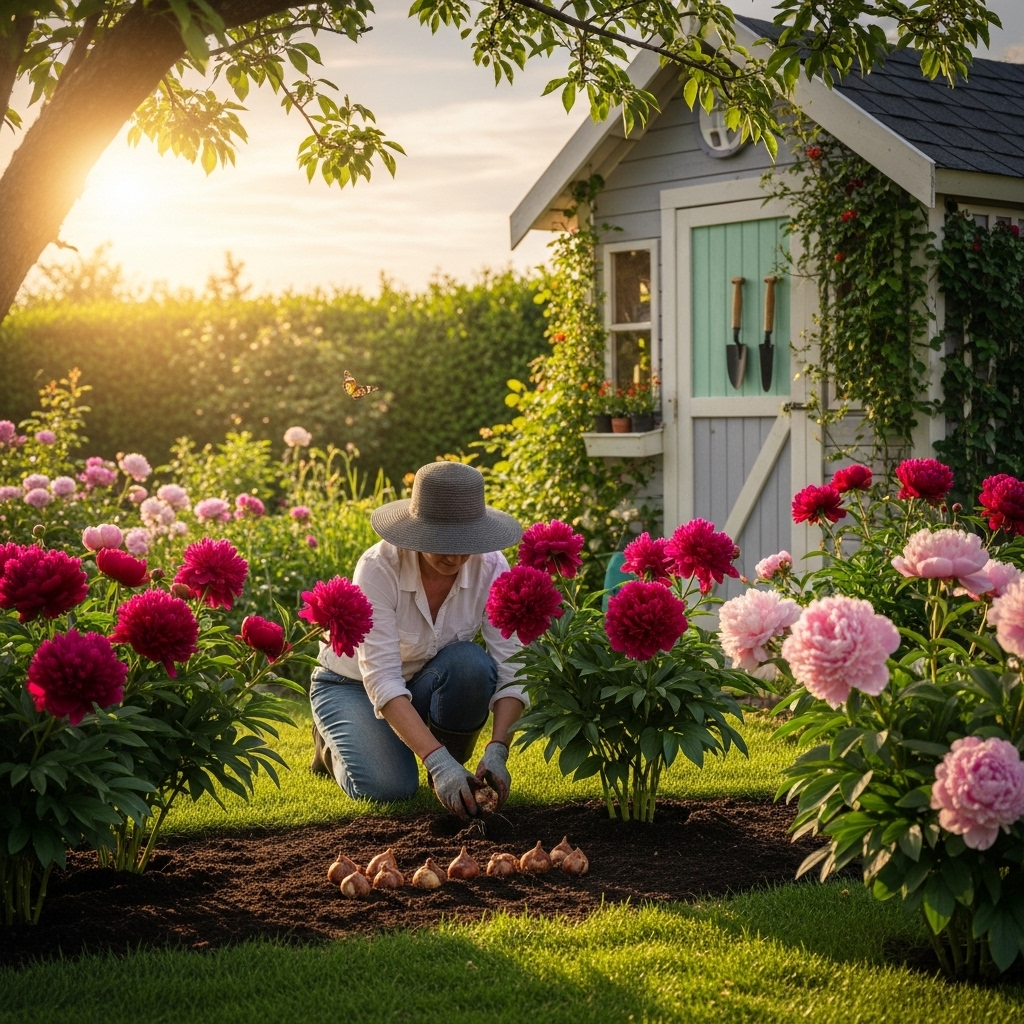
Herbaceous Peonies
Herbaceous peonies are perhaps the most common type. They die back to the ground each winter and re-emerge in spring. I remember planting my first herbaceous peony and being amazed at how quickly it grew. These peonies are generally easy to care for and can produce a stunning display of flowers in various colors, ranging from soft pastels to vivid brights. They typically bloom in late spring to early summer, and with the right conditions, they can last for decades.
Tree Peonies
Tree peonies are another stunning option. Unlike their herbaceous cousins, tree peonies have woody stems that remain upright all year round. I’ve found them to be a little more challenging to grow, but their large, often ruffled flowers are worth the effort. They bloom slightly earlier than herbaceous peonies, usually in late spring, and they can reach impressive heights, making them a focal point in any garden. I love that they come in rich colors and can sometimes have a beautiful fragrance.
Intersectional Peonies
Intersectional peonies, or Itoh peonies, are a hybrid of herbaceous and tree peonies. They offer the best of both worlds: the vibrant blooms of tree peonies and the die-back nature of herbaceous ones. I remember the first time I saw an intersectional peony; the blooms were enormous and so striking! These peonies tend to be more resilient and can handle varying climates better than the other types. Their versatility makes them a great choice for many gardeners.
Choosing the Right Location for Planting Peonies
Choosing the right location for your peonies is crucial for their success. I’ve learned that peonies thrive in specific conditions, and understanding these can make a significant difference in their growth and blooming potential. Timing is everything when it comes to planting peonies.
Sunlight Requirements
One of the most important factors for growing peonies is sunlight. They love the sun and need at least six hours of full sunlight each day. In my experience, when I planted peonies in a spot with adequate sunlight, they flourished and produced more blooms. However, too much afternoon sun can sometimes be harsh, especially in hotter regions. I’ve found that a spot that gets morning sun and afternoon shade can be ideal in those cases.
Soil Conditions
Peonies prefer well-drained soil that is rich in organic matter. I remember when I first planted them, I didn’t pay enough attention to the soil quality, and it made a huge difference! The soil should not be too heavy, as peonies are prone to root rot if they sit in waterlogged conditions. Mixing in compost or well-rotted manure can help improve the soil structure. I’ve seen my peonies thrive after I amended the soil with organic material, which made a world of difference.
Spacing and Airflow Considerations
When planting peonies, spacing is also vital. I’ve learned the hard way that overcrowding can lead to poor air circulation, which can invite pests and diseases. Aim for at least 3 feet between each plant to allow them room to grow and breathe. This spacing not only helps the plants but also makes it easier for you to care for them. I found that giving them room to expand led to healthier plants and more impressive blooms.
When to Plant Peonies
Timing is everything when it comes to planting peonies. I’ve discovered that the right season can significantly impact their growth and blooming potential.
Best Planting Season
The best time to plant peonies is in the fall. I remember my first fall planting; the temperature was dropping, and it felt like a perfect time to get them in the ground. Planting in the fall allows the roots to establish before the ground freezes. However, early spring can also work if you missed the fall window. Just keep in mind that the earlier you plant, the better chance the roots have to settle in.
Climate Considerations
Climate plays a significant role in the success of peonies. They thrive in USDA Zones 3 to 8, and I’ve seen the best results in my garden, which falls in Zone 5. It’s essential to understand your local climate and choose varieties that are suited for it. I’ve learned that by selecting the right type of peony for my area, I can enjoy their beauty for years to come. Understanding how peonies spread can also help in planning your garden layout.
Preparing for Seasonal Changes
Preparing for seasonal changes is also essential, especially in areas with harsh winters. I’ve found that mulching around the base of the plants can help protect the roots from freezing temperatures. It’s a simple step, but it helps ensure that they bounce back in the spring. Additionally, understanding the seasonal changes can help you anticipate when to water or adjust care for your peonies.
How to Prepare the Soil for Peonies
Preparing the soil for peonies is one of those steps that can make or break your success with these beautiful blooms. From my experience, taking the time to ensure your soil is in tip-top shape pays off when those vibrant flowers finally emerge.
Soil Testing
Before planting, I strongly recommend testing your soil. This simple step helped me understand what nutrients my garden needed. You can purchase a soil testing kit or send a sample to a local extension office. I remember how surprised I was to learn that my soil was lacking in certain nutrients. Testing revealed the pH and nutrient levels, allowing me to tailor my amendments accordingly. Knowing the soil composition can guide you in creating the perfect environment for your peonies.
Amending Soil for Drainage and Nutrients
Once I had my soil test results, I knew exactly what to do next. Peonies thrive in well-drained soil, so I added plenty of organic matter. I typically mix in compost, aged manure, or peat moss to enhance drainage and nutrient levels. This part of the process really transformed my soil. I noticed that my peonies grew stronger and more vibrant once I improved the soil’s structure. Not only does this help with drainage, but it also fosters a rich environment for roots to spread and establish themselves.
pH Level Adjustments
The ideal pH level for peonies is between 6.0 and 7.0. If your soil is too acidic or alkaline, it can hinder the plants’ ability to absorb nutrients. I once had a peony that just wouldn’t bloom, and after testing the pH, I realized it was too high. To adjust the pH, I added lime to lower acidity or sulfur to raise it. It’s amazing how just a small adjustment can make such a big difference. I learned that maintaining the right pH is essential for healthy, happy peonies.
Steps to Plant Peonies
Now that your soil is ready, it’s time to plant those peonies! I find the planting process to be quite rewarding, as it marks the beginning of a new season for these lovely flowers.
Digging the Right Hole
When planting peonies, I always dig a hole that’s wide and deep enough to accommodate the roots. Typically, I aim for a depth of about 12 to 18 inches and a width of at least 2 feet. This gives the roots plenty of space to spread out. I remember when I skimped on the hole size once, and the peony struggled to take root. Giving them that extra room made all the difference in the world for my garden.
Proper Planting Depth
Another important tip is to ensure you’re planting at the right depth. I’ve learned that the eyes (the little pinkish buds) of the peony should be no more than 1 to 2 inches below the soil surface. Planting them too deep can lead to issues with blooming. I recall being cautious the first time I planted—keeping an eye on that depth saved me from potential heartache later when I wanted to see flowers.
Spacing Between Plants
As we discussed earlier, spacing is crucial for healthy growth. I make sure to allow at least 3 feet between each plant. This spacing not only helps with airflow but also gives each peony room to reach its full potential. I’ve seen firsthand how overcrowded plants can lead to disease and weak blooms. When I started giving my peonies breathing room, they thrived like never before!
Watering and Fertilizing Peonies
Once your peonies are planted, the next step is to establish a solid watering and fertilizing routine. These tasks are vital for ensuring your plants grow strong and healthy.
Watering Techniques
I’ve learned that peonies prefer consistent moisture but don’t like to be waterlogged. The best approach I’ve found is to water deeply but infrequently. This encourages the roots to grow deeper into the soil. I typically give them a good soak every week or so, especially during dry spells. I remember when I first started, I tended to water too lightly, and my peonies didn’t thrive as they should have. Getting that watering balance right was a game-changer!
Fertilizing Schedule and Tips
Fertilizing is another area where I made some discoveries. I usually start by applying a balanced fertilizer in early spring, just as the peonies begin to emerge. I’ve found that a slow-release formula works best, as it gives the plants a steady supply of nutrients throughout the growing season. I also like to give them a boost again after they bloom to encourage strong growth for the next year. Keeping a consistent fertilizing schedule has really helped my peonies flourish.
Using Organic vs. Chemical Fertilizers
When it comes to fertilizers, I prefer to use organic options. I feel good knowing that I’m nurturing my plants without harsh chemicals. I’ve had great success with compost teas and well-rotted manure, which add nutrients and improve soil structure. However, I know some gardeners prefer chemical fertilizers for their quick results. It’s all about what works best for you and your garden. I truly believe that a healthy balance leads to the best blooms!
Caring for Peonies After Planting
Once your peonies are in the ground, the real journey begins. I’ve found that caring for them properly after planting is crucial for their growth and longevity. The time and effort spent during this phase really pays off when you see those stunning blooms emerge.
Mulching for Moisture Retention
One of the best practices I’ve adopted is mulching. I remember the first time I mulched around my peonies; it was like giving them a cozy blanket. Mulching helps retain soil moisture, which is especially important during hot, dry spells. I typically use straw or shredded leaves, and I apply a layer about 2 to 3 inches thick. This not only keeps the soil moist but also helps prevent weeds from overtaking my peonies. I’ve noticed that my plants thrive better when they have that protective layer around them.
Pest and Disease Management
Pest and disease management can be a bit of a challenge, but I’ve learned a few tricks along the way. Peonies can attract pests like aphids and spider mites, and they’re also susceptible to certain diseases. I often keep a close eye on my plants and check for any signs of trouble. If I spot aphids, I use a gentle spray of water to dislodge them, and sometimes I’ll mix a little dish soap with water as a natural remedy. I’ve found that being proactive can save me a lot of headaches later on.
Additionally, I’ve learned the importance of good air circulation. Keeping my peonies well-spaced helps in preventing mildew and other fungal issues. If I notice any diseased leaves, I promptly remove them to minimize the spread. Regularly cleaning up debris around the plants is another maintenance step I swear by.
Staking and Supporting Tall Varieties
For those of us who love the taller peony varieties, staking becomes essential. I learned this lesson the hard way when my beautiful blooms flopped over after a rainstorm. Now, I always stake my taller peonies to give them the support they need. There are various methods to do this; I usually use plant supports or bamboo stakes, which I discreetly place around the plants early in the season. This way, they grow upright and look their best during blooming. It’s such a simple step that has made a huge difference in how my garden looks!
Common Challenges When Growing Peonies
Even with the best care, growing peonies can come with its challenges. I’ve faced a few hurdles myself, and I think sharing these experiences can help you navigate any bumps in the road.
Dealing with Fungal Diseases
Fungal diseases like botrytis blight can be a real concern for peonies. I remember the first time I saw those grayish-brown spots on my plants; I felt a wave of panic wash over me. I learned that keeping the foliage dry, particularly when watering, is key. Instead of watering from above, I now water the base of the plants. I also ensure good air circulation by spacing them properly. If I notice any signs of fungal issues, I act quickly by removing affected leaves and applying a fungicide if necessary. I’ve found that staying vigilant really helps keep my peonies healthy.
Preventing Ants and Other Pests
Ants can be a bit of a nuisance when it comes to peonies. They’re often attracted to the sweet sap produced by aphids. I’ve seen ants climbing all over my peonies, and it’s not a welcome sight! To prevent them, I’ve started using barriers and even simple traps to deter them. I also encourage beneficial insects, like ladybugs, that naturally feed on aphids. It’s all about creating a balanced ecosystem in my garden.
Managing Peony Wilt
Peony wilt can be disheartening, especially when you’ve put so much effort into their care. I remember one season when my peonies started wilting unexpectedly. After some research, I discovered that it can be caused by various factors, including overwatering or inconsistent watering schedules. Now, I’m careful to keep my watering consistent and ensure the soil drains well. If I see any wilting, I give them a good soak and monitor their condition closely. Staying aware of their needs has helped me manage this issue effectively.
When to Expect Blooms and How to Extend Bloom Time
One of the most rewarding parts of growing peonies is the anticipation of their blooms. I absolutely love waiting for that moment when those buds finally open, revealing their stunning colors!
Blooming Timeline by Variety
The blooming timeline can vary depending on the peony variety. In my garden, herbaceous peonies usually start blooming in late spring, while tree peonies often bloom a bit earlier. I’ve found that keeping a garden journal helps me track when each variety blooms, which allows me to plan around their flowering times. It’s fascinating to see how they each bring something unique to the garden year after year.
Techniques to Prolong Flowering Season
To extend the blooming season, I’ve experimented with staggered planting. By planting early, mid, and late-blooming varieties, I can enjoy peonies for weeks. Additionally, deadheading spent blooms encourages the plants to focus their energy on new buds rather than seed production. I’ve noticed that when I take the time to deadhead, my peonies put out more blossoms in the following weeks, which is such a bonus!
Post-Bloom Care for Future Growth
After the blooms fade, I’ve learned that it’s important not to neglect the plants. I continue caring for my peonies by watering and fertilizing them as needed. This helps ensure they have the strength to come back strong next season. I also let the foliage remain intact until it naturally dies back, as it provides energy to the roots for next year’s growth. I’ve found that by allowing my peonies to recover fully after blooming, they reward me with even more impressive displays in the following years. Learning how to divide and transplant peonies can also be beneficial for maintaining a vibrant garden.
Designing Your Garden with Peonies
Now that we know how to care for peonies, I want to share some ideas on how to design your garden with these beautiful flowers.
Companion Planting Ideas
Companion planting can really enhance the beauty of your peonies. I’ve enjoyed pairing them with plants like delphiniums and irises, which bloom around the same time and create a lovely color palette. Additionally, I’ve found that planting them alongside herbs like chives and garlic can help deter pests naturally. It’s rewarding to see how these plants can complement each other and create a thriving garden ecosystem.
Color Schemes and Aesthetic Tips
When it comes to color schemes, I like to get creative! I often think about how the colors will play off each other in the garden. For instance, pairing soft pink peonies with vibrant blues or whites creates a stunning contrast. I’ve also found that planting them against a backdrop of green shrubs or fences enhances their beauty. It’s all about finding what makes your heart sing and creating a space that feels like home.
Seasonal Garden Planning
Seasonal planning is key to having a garden that looks beautiful all year round. I’ve learned to think beyond just peonies and incorporate plants that bloom in different seasons. By mixing in spring bulbs, summer annuals, and fall perennials, I can create a dynamic garden that keeps me inspired throughout the year. I love walking through my garden and appreciating how each season brings its own charm!
Frequently Asked Questions
What are the different types of peonies?
There are three main types of peonies: Herbaceous peonies, which die back to the ground each winter; Tree peonies, which have woody stems that remain upright; and Intersectional peonies (Itoh peonies), which are a hybrid of the two offering features from both types.
What sunlight conditions do peonies require?
Peonies thrive in full sunlight and need at least six hours of sun each day. In hotter regions, a location that provides morning sun and afternoon shade is ideal.
How should the soil be prepared for planting peonies?
The soil should be well-drained and rich in organic matter. Testing the soil for nutrients and pH levels is recommended, and adding compost or well-rotted manure can improve soil quality.
When is the best time to plant peonies?
The best time to plant peonies is in the fall, allowing roots to establish before winter. Early spring is also an option if fall planting is missed.
How much spacing is needed between peony plants?
It is recommended to space peonies at least 3 feet apart to ensure proper air circulation and room for growth.
What is the ideal pH level for peony soil?
The ideal pH level for peonies is between 6.0 and 7.0. Adjustments can be made using lime to lower acidity or sulfur to raise it.
How should peonies be watered after planting?
Peonies prefer consistent moisture but should not be waterlogged. Deep but infrequent watering, approximately once a week, is the best approach.
What are some common pests and diseases that affect peonies?
Common pests include aphids and spider mites. Peonies can also be susceptible to fungal diseases like botrytis blight. Maintaining good air circulation and prompt removal of affected leaves can help manage these issues.
How can the blooming season of peonies be extended?
To extend the blooming season, staggered planting of early, mid, and late-blooming varieties is effective. Deadheading spent blooms also encourages more blossoms.
What are some companion plants that work well with peonies?
Companion planting with delphiniums, irises, chives, and garlic can enhance the beauty of peonies and help deter pests naturally.