
You can easily plant a pineapple from the top by cutting off the crown and following a few simple steps to encourage rooting and growth. I’ve found that with a little patience and care, you can grow your own delicious pineapples right at home. Read Interesting article: How to Grow a Pineapple Plant From the Top Easily
Understanding Pineapple Planting
What is a Pineapple Plant?
Pineapple plants, scientifically known as Ananas comosus, are tropical plants that produce the sweet, juicy fruit we all love. They belong to the bromeliad family, which includes a wide variety of colorful plants. Pineapples are unique in that they grow from the ground, with a rosette of long, spiky leaves surrounding the fruit. I remember the first time I saw a pineapple plant; I was amazed at how different it looked from the store-bought fruit!
Benefits of Growing Pineapples at Home
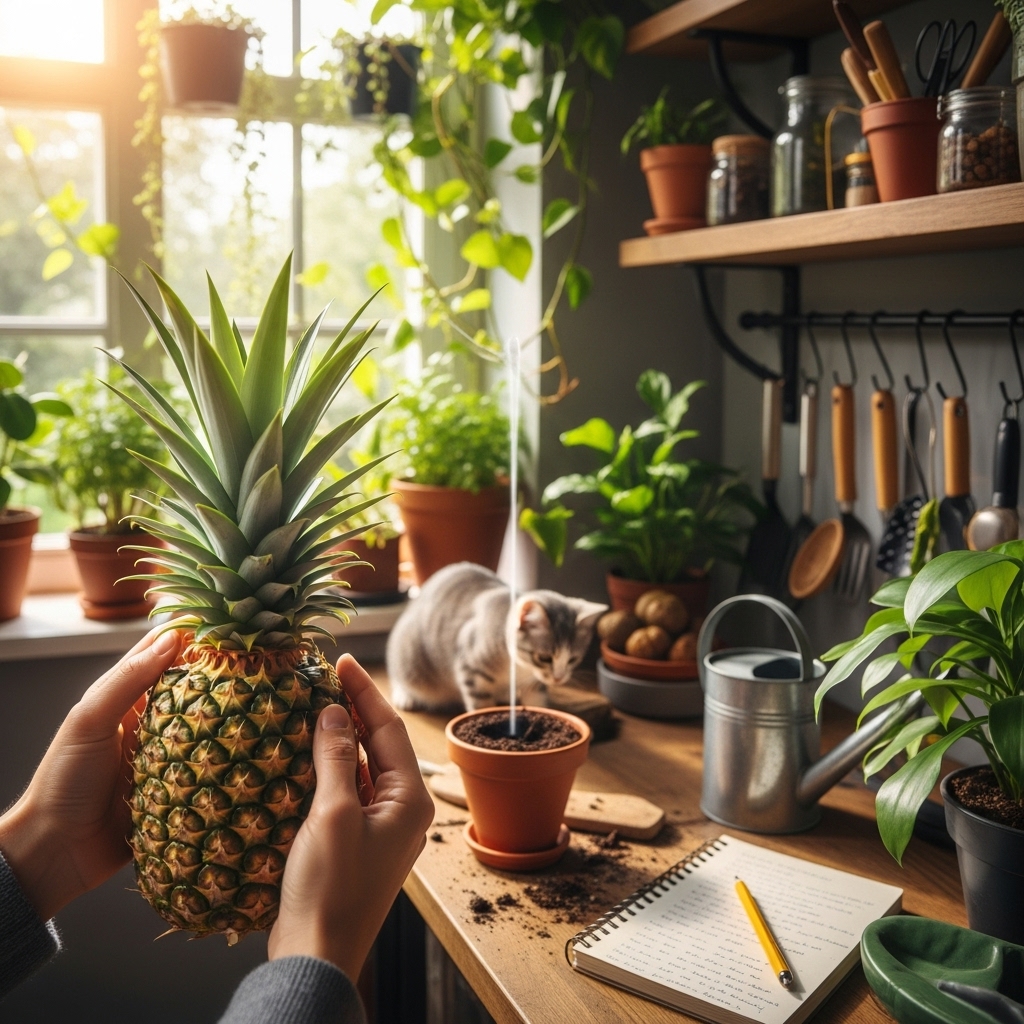
Growing your own pineapple can be a rewarding experience for several reasons. First, it’s a fun project that can teach you about plant care and growth. I was thrilled when my first pineapple plant started to grow; it felt like a mini gardening victory! Additionally, homegrown pineapples tend to be fresher and tastier than store-bought ones. You also have the satisfaction of knowing exactly how your fruit was grown. Plus, it’s an excellent conversation starter!
Preparing to Plant a Pineapple
Choosing the Right Pineapple
The first step in planting a pineapple is selecting the right fruit. When I go to the store, I look for a pineapple that is ripe and healthy. Here’s what I check for:
- Leaves: The leaves should be green and fresh-looking, not wilted or brown.
- Color: The skin should have a golden hue, indicating ripeness.
- Firmness: Gently squeeze the fruit; it should be firm but yield slightly to pressure.
Once you find the perfect pineapple, it’s time to cut the top off. This part is crucial, and I always make sure to use a sharp knife to avoid damaging the fruit.
Supplies Needed for Planting
Before you get started, gather all the supplies you’ll need. Here’s a quick list:
- A ripe pineapple
- A sharp knife
- A glass or bowl (for rooting the crown)
- Potting soil
- A suitable pot with drainage holes
- Water
Having everything ready helps me stay organized, and it makes the process smoother.
Optimal Growing Conditions
Pineapples thrive in warm, sunny conditions. They enjoy bright, indirect sunlight, and I’ve found that placing them near a sunny window works well. A temperature range of 65°F to 95°F is ideal, so if you live in a cooler climate, consider bringing your plant indoors during the colder months. I remember my first attempt at growing a pineapple; I didn’t realize how much warmth they needed, and my plant struggled a bit before I made some adjustments! For more information on the climate and regions where pineapple plants grow, check out this article: Where Do Pineapple Plants Grow? Climate + Regions.
Steps to Plant a Pineapple from the Top
Step 1: Selecting and Cutting the Top
To start, you’ll want to carefully cut the crown from the pineapple. I like to cut about an inch below the leaves to ensure I get a healthy portion of the top. It’s essential to be cautious during this step; a clean cut can make all the difference. Once I’ve made the cut, I set the crown aside for a few days to allow the cut end to dry out and form a callus. This step is crucial to prevent rot when planting.
Step 2: Preparing the Crown for Planting
After a few days, it’s time to prepare the crown. I gently remove any excess leaves at the bottom to expose the stem. This will help the plant root more effectively. I’ve found that removing these lower leaves also gives the crown a neater appearance, which is a bonus!
Step 3: Rooting the Pineapple Top
Next, I place the crown in a glass of water, ensuring the base is submerged but the leaves remain dry. I usually leave it in a sunny spot, changing the water every few days to keep it fresh. Within a couple of weeks, I start to see little roots forming! It’s such an exciting moment when I notice this change, as it means my pineapple is ready for the next step.
Step 4: Planting in Soil
Once the roots are a few inches long, it’s time to plant the pineapple in soil. I fill a pot with well-draining potting soil—something I’ve learned is essential for healthy growth. After making a small hole in the soil, I gently place the rooted crown in and cover it lightly with soil. I like to give it a gentle pat to secure it in place and then water it thoroughly.
Step 5: Watering and Care
After planting, I make sure to keep the soil moist but not soggy. Overwatering can be a problem, so I usually stick my finger in the soil to check if it needs water. If it feels dry about an inch down, it’s time to water again. From my experience, it’s important to keep an eye on the plant’s progress, ensuring it gets the right amount of care as it settles into its new home.
Ongoing Care for Your Pineapple Plant
Watering Guidelines
Once your pineapple is settled into its new pot, the next big task is maintaining a proper watering routine. I’ve learned that pineapples prefer their soil to be moist but not waterlogged. I usually check the soil by sticking my finger about an inch deep; if it feels dry, it’s time to give my plant some water. Typically, I water my pineapple every week or so, but this can vary depending on the temperature and humidity levels. During hotter months, I might find myself watering more frequently, which is completely normal. Remember, pineapples are pretty forgiving, so if you miss a watering or two, they can bounce back. Just make sure to avoid letting them sit in water, as that can lead to root rot, which we definitely want to avoid!
Fertilizing Your Pineapple
Fertilizing is another essential part of keeping your pineapple healthy. I like to use a balanced, water-soluble fertilizer every month during the growing season. This usually means starting in the spring and continuing through the summer. I’ve found that a diluted fertilizer solution, about half the recommended strength, works wonders for my plants without overwhelming them. If you notice your pineapple plant is starting to look a bit yellow, it might be a sign that it needs some extra nutrients. I remember my first pineapple struggled a bit until I started giving it a regular feeding schedule. It’s amazing how a little bit of fertilizer can make a difference!
Light Requirements
Light is crucial for healthy growth. Pineapples love bright, indirect sunlight. I keep my plant near a sunny window where it can soak up the light without getting scorched. I’ve noticed that if it doesn’t get enough light, the leaves can start to droop, which is a clear sign it’s time to move it to a brighter location. If you live in a particularly sunny area, you might want to provide some shade during the hottest parts of the day to prevent leaf burn. I remember when a friend of mine placed their pineapple too close to a south-facing window; it didn’t take long for the leaves to turn crispy at the tips!
Temperature and Humidity Needs
Creating the right environment for your pineapple plant is key to its success. Pineapples thrive in warm temperatures, ideally between 70°F and 85°F during the day. I’ve learned that they can tolerate cooler temperatures but might not grow as vigorously. In colder climates, like mine, I make it a point to bring my pineapple indoors during the winter months. Humidity is also important; pineapples enjoy a somewhat humid atmosphere. If your home is dry, I recommend misting the leaves occasionally or placing a small humidifier nearby. I’ve found that keeping my pineapple in a spot with good air circulation helps, too. One time, I neglected this aspect, and my plant didn’t seem as happy, which was a wake-up call for me to pay closer attention!
Common Issues and Solutions
Pests and Diseases to Watch For
While growing pineapples is generally straightforward, pests and diseases can occasionally rear their ugly heads. I’ve encountered aphids and mealybugs on my plants, which can sap the plant’s energy. It’s important to inspect your pineapple regularly; if you see any pests, I recommend using a gentle insecticidal soap or neem oil to treat the issue. I’ve found that wiping the leaves with a damp cloth can also help remove any unwanted guests. As for diseases, root rot is something to watch for, especially if the plant has been overwatered. If you notice yellowing leaves or a mushy base, it might be time to repot your plant or adjust your watering habits.
Signs of Overwatering or Underwatering
Knowing how to spot the signs of overwatering or underwatering can save your pineapple plant from serious trouble. Overwatering can lead to yellow leaves and a mushy stem, which is never a good sign. On the other hand, underwatering can cause the leaves to curl or become crispy at the edges. If I see any of these symptoms, I act quickly. If it’s overwatered, I let the soil dry out completely before watering again. For underwatering, I give it a good drink and check the soil moisture more frequently. It took me a little while to get the hang of this balance, but now I feel much more confident about keeping my pineapple happy!
How to Encourage Growth
To encourage your pineapple to grow strong and healthy, I’ve found a few tricks that work well. First, ensure it gets enough light and warmth. If you notice that it’s not growing as quickly as you’d like, consider moving it to a more suitable location. Additionally, regular pruning can help; I like to trim off any dead leaves to keep it looking tidy and energized. If I see any offset shoots sprouting from the base, I’ll carefully remove them and pot them separately. These little offshoots can become new plants, which is such a rewarding way to expand my pineapple garden!
Harvesting Your Pineapple
When to Harvest
After all the effort put into growing your pineapple, the moment of harvest can be incredibly exciting! I remember the anticipation as I watched my pineapple slowly grow and change color. Typically, a pineapple will take anywhere from 18 to 24 months to mature, depending on various factors like temperature and care. The best way to know when your pineapple is ready is by observing its color and smell. When the fruit turns a golden-yellow hue and emits a sweet aroma, it’s time to pick it! I like to gently tug on the fruit—if it comes off easily, it’s ripe. If I have to yank it hard, I usually give it a few more days.
How to Harvest Properly
When it comes to harvesting, I’ve learned that it’s essential to do it carefully to avoid damaging the plant. Using a sharp knife, I cut the pineapple from the plant, making sure to leave a little bit of the stem attached to the fruit. This helps prevent the fruit from spoiling too quickly. I always wear gloves during this process because the sap can be quite sticky. Once I’ve harvested my pineapple, I wash it gently to remove any dirt or debris. It’s such a delightful feeling to finally hold a fruit I’ve nurtured from a tiny crown!
Frequently Asked Questions (FAQs)
Can I grow a pineapple indoors?
Yes, you absolutely can grow a pineapple indoors! I have a few friends who’ve successfully done this. The key is to provide enough light, as pineapple plants need bright, indirect sunlight to thrive. If you have a sunny windowsill, that’s usually the best spot. Just keep in mind that they’ll need adequate air circulation and warmth, so avoid placing them in drafty areas or near cold windows.
How long does it take to grow a pineapple?
From my experience, growing a pineapple can take anywhere from 18 to 24 months, but it can vary based on conditions like temperature, light, and care. I’ve found that patience is crucial during this process. Each stage of growth is exciting, and waiting for that first fruit to appear is well worth it. Sometimes, I’d get impatient, but seeing that pineapple develop kept me motivated! Read Interesting article: How to Grow a Plant From a Pineapple (Easy Guide)
Can I plant a pineapple top in water?
Yes, you can! In fact, I recommend starting your pineapple crown in water, as it allows you to see the roots develop. Just remember to change the water regularly to keep it fresh. Once the roots are a few inches long, you can transition it into soil. I’ve found that this method is a great way to get the crown started and ensures that it’s ready for planting.
What is the best soil for growing pineapples?
Pineapples prefer well-draining soil. I like to use a potting mix that has good aeration and drainage, like a blend of peat moss, perlite, and some sand. This combination helps prevent root rot and gives the pineapple plant the best chance to thrive. I’ve noticed that using a soil mix specifically designed for cacti and succulents also works well for pineapples since they have similar water requirements.
Frequently Asked Questions
Can I grow a pineapple indoors?
Yes, you absolutely can grow a pineapple indoors! The key is to provide enough light, as pineapple plants need bright, indirect sunlight to thrive. If you have a sunny windowsill, that’s usually the best spot. Just keep in mind that they’ll need adequate air circulation and warmth, so avoid placing them in drafty areas or near cold windows.
How long does it take to grow a pineapple?
From my experience, growing a pineapple can take anywhere from 18 to 24 months, but it can vary based on conditions like temperature, light, and care. Patience is crucial during this process, and each stage of growth is exciting.
Can I plant a pineapple top in water?
Yes, you can! In fact, starting your pineapple crown in water allows you to see the roots develop. Just remember to change the water regularly to keep it fresh. Once the roots are a few inches long, you can transition it into soil.
What is the best soil for growing pineapples?
Pineapples prefer well-draining soil. A potting mix that has good aeration and drainage, like a blend of peat moss, perlite, and some sand, works well. Using a soil mix specifically designed for cacti and succulents also works since they have similar water requirements.
What are the optimal growing conditions for pineapples?
Pineapples thrive in warm, sunny conditions, enjoying bright, indirect sunlight. They prefer a temperature range of 65°F to 95°F. If you live in a cooler climate, consider bringing your plant indoors during the colder months.
How often should I water my pineapple plant?
Pineapples prefer their soil to be moist but not waterlogged. Typically, you should check the soil by sticking your finger about an inch deep; if it feels dry, it’s time to water again. Generally, watering every week works, but this can vary based on temperature and humidity levels.
What signs indicate overwatering or underwatering?
Signs of overwatering include yellow leaves and a mushy stem, while underwatering can cause leaves to curl or become crispy at the edges. Acting quickly to address these symptoms is important for the health of your plant.
How do I encourage growth in my pineapple plant?
To encourage growth, ensure the plant gets enough light and warmth. Regular pruning helps, and trimming off any dead leaves keeps it tidy. If you see offset shoots, you can carefully remove them and pot them separately to expand your pineapple garden.
What pests and diseases should I watch for?
Pests such as aphids and mealybugs can sap the plant’s energy. Regular inspection is important, and treatment with gentle insecticidal soap or neem oil can help. Be cautious of root rot, especially if the plant has been overwatered, which can be indicated by yellowing leaves or a mushy base.
When is the best time to harvest a pineapple?
A pineapple is ready to harvest when it turns a golden-yellow hue and emits a sweet aroma. Typically, this takes 18 to 24 months. Gently tug on the fruit; if it comes off easily, it’s ripe.