
Planting a pineapple top is a fun and rewarding process that involves selecting a ripe pineapple, preparing its top, and giving it the right care to grow. I’ve found that with a little patience and the right steps, you can successfully grow your own pineapple plant at home. For more detailed instructions, check out How to Plant a Pineapple From the Top (Easy Steps).
Understanding Pineapples
What is a Pineapple?
Pineapples are tropical fruits that belong to the bromeliad family. They are unique not only for their sweet, tangy flavor but also for their distinctive appearance, with a spiky crown of leaves and a rough, golden-brown exterior. I remember the first time I saw a fresh pineapple at a market – it was so vibrant and inviting! Pineapples are native to South America, specifically Brazil and Paraguay, and were later cultivated in other tropical regions worldwide. They thrive in warm, sunny climates and are typically grown in well-draining soil. What’s fascinating is that each pineapple plant can produce only one fruit per season, which is why they can be a bit pricey in stores.
Health Benefits of Pineapples
Aside from their delicious taste, pineapples are packed with health benefits. They are an excellent source of vitamin C, which is crucial for a healthy immune system. I often enjoy a slice when I feel a cold coming on. Pineapples also contain bromelain, an enzyme that may help with digestion and reduce inflammation. I remember reading about how bromelain is often used in meat tenderizers and even as a natural remedy for arthritis. Plus, they are low in calories, which makes them a guilt-free snack. Eating pineapples can help boost hydration and provide antioxidants, making them a great addition to a balanced diet.
Choosing the Right Pineapple
How to Select a Ripe Pineapple
Selecting the right pineapple is crucial for a successful planting experience. When I go to the store, I look for pineapples that are golden-yellow in color, which indicates ripeness. You can tell a lot about a pineapple by its smell; a ripe pineapple will have a sweet aroma at the base. I usually give it a gentle squeeze; it should feel firm but not rock hard. If the leaves are vibrant and green, that’s a good sign too. I once made the mistake of picking one that was too green, and it took weeks to ripen properly. Also, if you can easily pull a leaf from the crown, that usually indicates that it’s ripe.
Identifying Quality Pineapple Tops
Once you’ve selected a ripe pineapple, the next step is to assess the quality of the top. A healthy pineapple top should have vibrant green leaves without any browning or wilting. I’ve learned that the sturdiness of the leaves is important; they should feel firm to the touch. A good tip is to avoid tops that show any signs of mold or damage, as these can hinder growth. I remember when I was excited to plant my first pineapple; I overlooked a small spot of brown on the leaves, and it ended up affecting the growth later on. It’s all about attention to detail!
Preparing the Pineapple Top
How to Cut the Pineapple Top
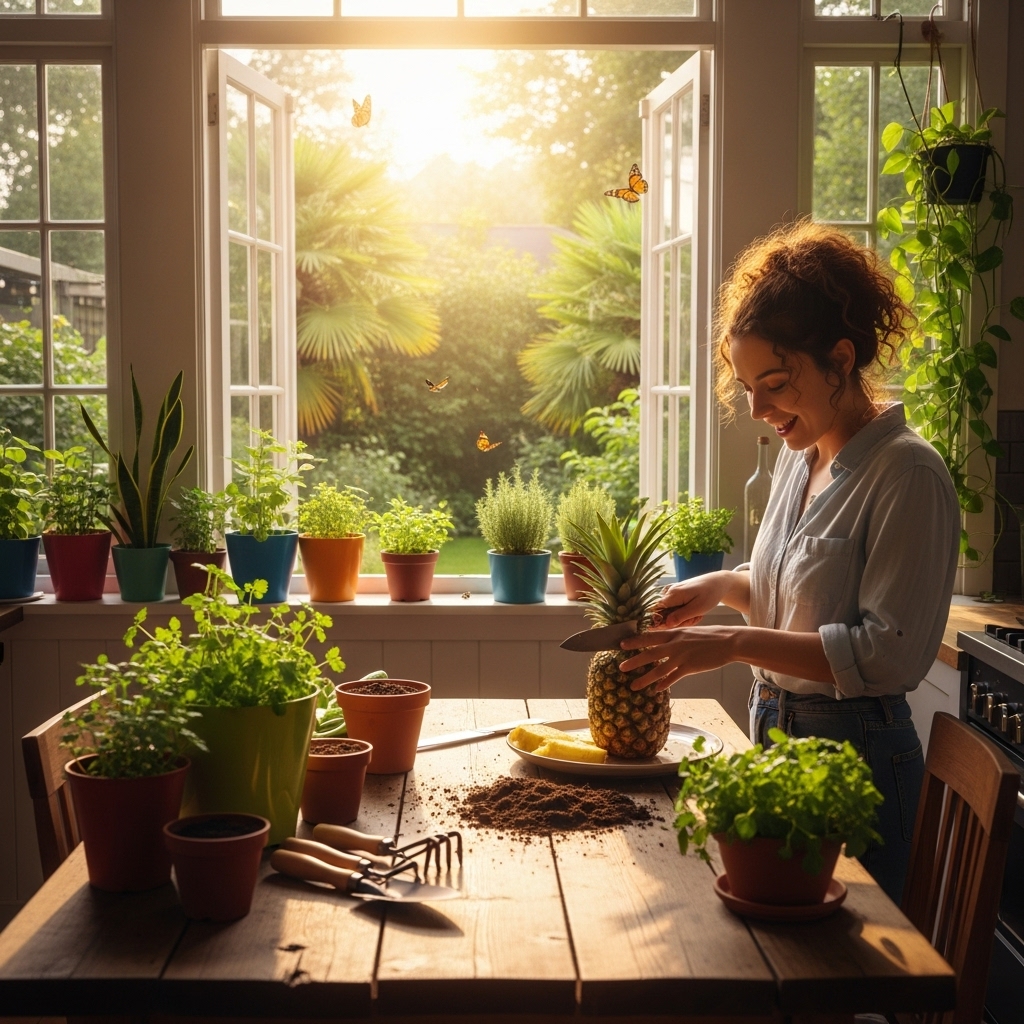
Preparing the pineapple top is an essential step, and it’s easier than you might think. First, I lay the pineapple on its side to avoid any juice spilling everywhere. Using a sharp knife, I slice off the top of the pineapple about half an inch below the leaves. It’s important to cut straight down to ensure you get a good, healthy top. I recommend using a serrated knife if you have it; it makes the process smoother. Make sure to leave some flesh attached to the top; this helps it root better. I’ve found that a clean cut can make all the difference in how quickly it establishes roots.
Removing Excess Flesh
After cutting the top, I gently remove any excess flesh from the bottom of the pineapple top. This step is crucial because too much flesh can cause rotting when you plant it. I usually just trim the edges with a knife, being careful not to damage the leaves. It’s like giving your pineapple top a little haircut! I remember when I didn’t remove enough flesh, and it took longer for the plant to sprout roots. A little trimming goes a long way in ensuring a healthy growth process.
Drying the Pineapple Top
Once I’ve trimmed the pineapple top, I let it dry for a day or two in a warm, dry place. This step is important because it allows the cut end to callous over, reducing the risk of rot when it’s planted. I usually place it in a shaded area, away from direct sunlight, to prevent any wilting of the leaves. After a couple of days, I can see that the cut end has dried a bit and looks ready to be planted. It’s amazing how such a simple step can impact the overall health of the plant!
Planting the Pineapple Top
Choosing the Right Soil
When it comes to planting the pineapple top, choosing the right soil is crucial. I always opt for a well-draining potting mix, as pineapples don’t like to sit in water. I’ve found that a blend of potting soil with a bit of sand or perlite works wonders for drainage. If you’re feeling adventurous, you can even add coco coir for improved aeration. I remember the first time I planted one; I used regular garden soil, and it retained too much moisture, leading to some disappointing results. So, good drainage is key! For more tips on soil and care, check out How to Grow a Pineapple Plant at Home Successfully.
Selecting a Container or Garden Location
Choosing the right container can make a big difference in your pineapple’s growth. I prefer using a pot that’s at least 6-8 inches deep, allowing enough space for the roots to develop. Make sure your pot has drainage holes; this is something I learned the hard way! If you’re planting directly in the garden, pick a sunny spot with well-draining soil. I love the idea of growing pineapple in my garden; it’s like having a tropical paradise right at home! Just ensure that the area gets plenty of sunlight throughout the day.
Planting Depth and Spacing
When it’s time to plant the pineapple top, I make a hole in the soil about 2-3 inches deep. I carefully place the cut end of the top into the hole, ensuring that the leaves are above the soil. I like to leave a little space between each pineapple top if I’m planting multiple to give them room to grow. In my experience, giving them space helps prevent competition for nutrients and sunlight. After planting, I gently press the soil around the base to secure it in place.
Watering and Care after Planting
How Much Water Does a Pineapple Plant Need?
After planting the pineapple top, I quickly learned that getting the watering right is vital. Pineapple plants prefer their soil to be moist but not soggy. I typically water mine once a week, but I always check the soil first. I stick my finger about an inch into the soil; if it feels dry, it’s time to water. If it’s still damp, I wait a few more days. I remember a time when I was overly eager and watered my plant too frequently; it ended up causing some root rot. Pineapples are drought-tolerant, so erring on the side of less water is better than too much. If you notice the leaves starting to turn brown or mushy, that’s a sign that you might be overwatering.
Optimal Light Conditions
Pineapples love the sun, and I’ve found that providing the right amount of light is essential for their growth. Ideally, they need about 6-8 hours of bright, indirect sunlight each day. I usually place my pineapple plant near a south-facing window, where it can soak up the rays without being scorched. If you’re growing outdoors, pick a location that gets plenty of sun. I’ve had experiences where not enough light stunted the growth of my plants, and they didn’t produce as many leaves as I expected. If the leaves start to look leggy or weak, that’s usually a sign they need more light. I sometimes rotate my plant every few weeks to ensure all sides get equal exposure.
Fertilizing Your Pineapple Plant
Fertilizing can really boost the growth of your pineapple plant. I prefer using a balanced fertilizer, like a 10-10-10 or something similar, diluted to half strength. I usually start fertilizing about a month after planting. Every 6-8 weeks, I mix some into the soil to give my plant the nutrients it craves. I remember being hesitant to fertilize at first, thinking it might be too much for the plant, but I learned that pineapples are quite resilient. If you notice the leaves turning yellow, that could indicate a nutrient deficiency. In that case, I recommend adding some fertilizer to perk it up. Just remember to avoid over-fertilizing, as it can harm the plant rather than help it grow.
Common Problems and Solutions
Pests That Affect Pineapple Plants
Even with the best care, pests can sometimes invade our pineapple plants. I’ve encountered a few common pests, like mealybugs and aphids. I noticed mealybugs when I saw tiny white cottony masses on the leaves. My go-to solution is to gently wipe them away with a damp cloth or spray them off with water. For a more persistent infestation, I’ve found that a mixture of water and dish soap can help. Just make sure to rinse it off after a few hours, as you don’t want to leave soap residue on the plant. Keeping the area around the plant clean also helps discourage pests from settling in.
Diseases and How to Prevent Them
Pineapple plants can also fall victim to diseases, particularly if they are overwatered or in poorly draining soil. One issue I’ve faced is root rot, which is often caused by excessive moisture. To prevent this, I ensure my pot has good drainage and that I don’t water too frequently. Another common disease is fungal infections, which often show up as dark spots on the leaves. In those cases, I’ve found that removing the affected leaves and ensuring proper air circulation around the plant can help. I sometimes use a fungicide as a preventive measure, especially if I notice any signs of disease. Regularly inspecting the plant helps catch any issues early on, which has saved me a lot of trouble!
When and How to Harvest Your Pineapple
Signs of a Ripe Pineapple
After all the hard work, waiting for my pineapple to ripen is one of the most rewarding parts! I look for a few specific signs to tell when it’s ready. The color of the pineapple should be a rich golden-yellow, especially at the base. I also check the leaves; they should be vibrant green, and you might even notice some of them starting to turn a bit brown at the tips. The sweet aroma that wafts from the fruit is another good indicator. I remember the first time I got it right; the smell was intoxicating, and I could hardly wait to taste it!
Harvesting Techniques
When it’s finally time to harvest, I carefully use a sharp knife to cut the pineapple from the plant. I aim for about an inch of stem to remain attached to the fruit. If you twist the pineapple gently, it can sometimes come off easily, but I prefer using a knife for a clean cut. I make sure to wear gloves to avoid any prickly bits, as the leaves can be sharp. After harvesting, I let the pineapple sit at room temperature for a day or two to enhance its sweetness before enjoying it. I’ve learned that if I rush to cut it and eat it right away, it’s not as sweet or juicy. Patience in this process truly pays off!
Frequently Asked Questions
What is a pineapple?
Pineapples are tropical fruits belonging to the bromeliad family, known for their sweet, tangy flavor and distinctive appearance, including a spiky crown of leaves and a rough, golden-brown exterior. They are native to South America and thrive in warm, sunny climates.
How can I tell if a pineapple is ripe?
To select a ripe pineapple, look for a golden-yellow color, a sweet aroma at the base, and firm texture when gently squeezed. Vibrant green leaves and the ability to easily pull a leaf from the crown are also good indicators of ripeness.
What should I look for in a pineapple top before planting?
A healthy pineapple top should have vibrant green leaves without browning or wilting, and the leaves should feel firm to the touch. Avoid tops that show signs of mold or damage, as these can hinder growth.
How do I prepare the pineapple top for planting?
To prepare the pineapple top, cut it off about half an inch below the leaves using a sharp knife. Remove any excess flesh from the bottom to prevent rotting, and let it dry for a day or two in a warm, dry place to callous over.
What type of soil is best for planting a pineapple top?
Use a well-draining potting mix, as pineapples do not like to sit in water. A blend of potting soil with sand or perlite is recommended for better drainage.
How deep should I plant the pineapple top?
When planting the pineapple top, make a hole in the soil about 2-3 inches deep, ensuring the cut end is in the hole while keeping the leaves above the soil. Space multiple tops apart to allow for growth.
How often should I water my pineapple plant?
Pineapple plants prefer their soil to be moist but not soggy. Watering once a week is typical, but always check the soil first; if it’s still damp an inch deep, wait a few more days to water.
What are the optimal light conditions for a pineapple plant?
Pineapples thrive in about 6-8 hours of bright, indirect sunlight each day. Placing the plant near a south-facing window or in a sunny outdoor location is ideal for growth.
How can I tell when my pineapple is ready to harvest?
Look for a rich golden-yellow color, vibrant green leaves that may have some browning at the tips, and a sweet aroma as signs that the pineapple is ripe and ready for harvesting.
What technique should I use to harvest my pineapple?
When harvesting, use a sharp knife to cut the pineapple from the plant, leaving about an inch of stem attached. You can also twist it gently to remove it, but a knife provides a cleaner cut. Let the pineapple sit at room temperature for a day or two before eating to enhance its sweetness.