
To plant an avocado pit and grow a tree, you can use either water propagation or soil planting methods. Both are effective, but I’ve found that water propagation offers a more visual experience as you watch the roots develop. Read Interesting article: How to Grow an Avocado Pit Into a Plant (Step-by-Step)
Table of Contents
Understanding Avocado Trees
Let me tell you, avocado trees are fascinating and rewarding plants to grow. Not only do they produce delicious fruit, but they also bring a tropical vibe to any home or garden. I remember the first time I tried to grow one; it felt like a little adventure. I learned a lot about the different types of avocado trees, the benefits of growing them, and what conditions they thrive in. If you’re thinking of planting an avocado pit, understanding these aspects will set you up for success.
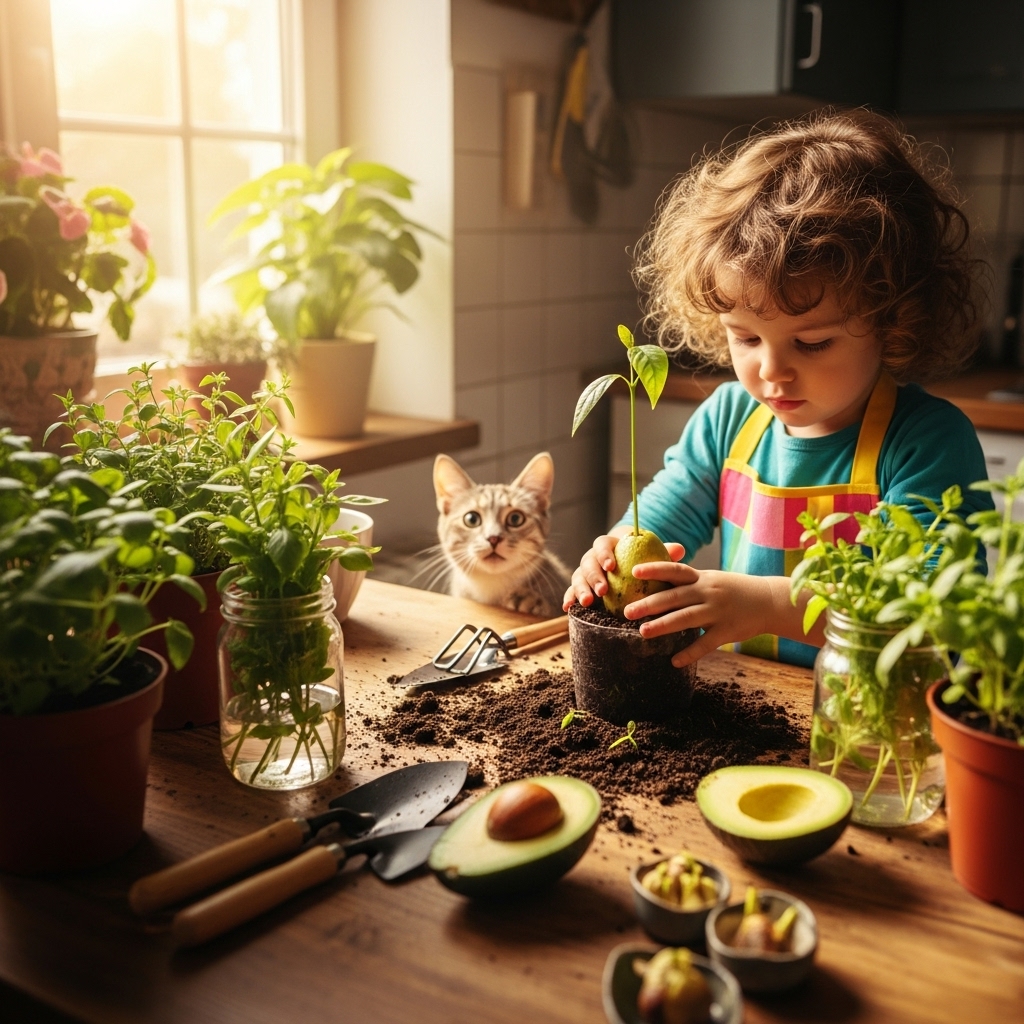
Types of Avocado Trees
There are several types of avocado trees, but the most common ones are the Hass, Bacon, Fuerte, and Zutano varieties. I’ve grown Hass avocados, and they are my favorite because of their rich flavor and creamy texture. The Hass tree is also relatively easy to grow in various climates. Each type has its own unique characteristics, so here’s a quick rundown:
- Hass: The most popular avocado, with a pebbly skin that turns dark purple when ripe.
- Bacon: This variety has a milder taste and a smooth, green skin. It’s also more cold-tolerant.
- Fuerte: A hybrid of the Guatemalan and Mexican avocados, this one has a smooth texture and a slightly pear-like shape.
- Zutano: Known for its high yield and large size, it has a light green skin and a milder flavor.
Choosing the right type largely depends on your climate and personal taste preferences. I recommend doing a bit of research to see which variety grows best in your area. Read Interesting article: Is Avocado Seed Poisonous? Revealing Myths & Exploring Facts
Benefits of Growing Avocado Trees
Growing your own avocado tree comes with a heap of benefits, and I’ve got to say, it’s one of the most rewarding gardening experiences. First and foremost, homegrown avocados are fresher and tastier than store-bought ones. There’s something incredibly satisfying about picking a ripe avocado straight from your tree and enjoying it in your favorite recipes.
Beyond just taste, growing avocados can also be an eco-friendly choice. By cultivating your own tree, you reduce the carbon footprint associated with transporting avocados long distances. Plus, it’s a fun project that can be shared with family or friends. I’ve found that planting and nurturing a tree becomes a bonding experience, especially when kids are involved.
Growing Conditions for Avocado Trees
Avocado trees thrive in specific growing conditions, and understanding these will help ensure your tree remains healthy and productive. They require well-draining soil, as they don’t like “wet feet.” I learned this the hard way when my first attempt at growing one ended with a rotting pit. Ideally, the soil pH should be between 6 and 6.5 to optimize nutrient absorption.
Light is another critical factor. Avocados love sunlight and need at least six hours of direct sunlight daily. I’ve found that placing my avocado tree near a south-facing window works wonders. If you’re growing them outdoors, make sure they’re sheltered from strong winds.
Temperature is also vital. Avocado trees prefer temperatures between 60°F and 85°F. They can handle a bit of cold, but prolonged exposure to temperatures below 30°F can harm them. So, if you live in a region with colder winters, consider bringing your young avocado indoors.
Finally, they need consistent watering, but it’s important not to overwater. I usually let the top inch of the soil dry out before watering again, which seems to keep my trees happy. Read Interesting article: What is the Healthiest Way to Eat Eggplant? Know Everything
Preparing the Avocado Pit
Now that we have a solid grasp of avocado trees, let’s get into the nitty-gritty of preparing the pit for planting. This is where the journey truly begins, and it’s easier than you might think.
Choosing the Right Avocado
When I set out to grow my avocado tree, I learned that choosing the right avocado is crucial. It’s best to pick a ripe, organic avocado from the store or market. Look for one that gives slightly when pressed, indicating it’s ripe. I’ve found that organic avocados often have better quality pits. Once you’ve chosen your avocado, enjoy the delicious fruit, and get ready to extract the pit!
How to Remove the Pit
Carefully removing the pit is important to avoid damaging it. I remember the first time I tried this; I was so nervous! To remove the pit, cut the avocado in half lengthwise, making sure to avoid the pit. Twist the halves apart gently, and you’ll see the pit nestled in one half. Use a spoon to scoop it out, being careful not to apply too much pressure, which could harm the pit.
Cleaning the Pit
Once you have your pit, it’s time to clean it. Rinse it under lukewarm water to remove any remaining avocado flesh. I like to gently scrub it with my fingers to make sure it’s completely clean. Avoid using soap, as it can harm the pit. After rinsing, let it dry for a few hours on a paper towel.
Methods to Plant an Avocado Pit
Water Propagation Method
One of my favorite ways to start an avocado pit is through water propagation. It’s such an engaging process, and if you’re anything like me, you’ll love watching the roots grow. To begin, you’ll need a clean glass or jar and some toothpicks. Insert three or four toothpicks into the pit, about halfway up, creating a sort of stand. This allows the bottom part of the pit to sit in water while the top remains exposed to the air.
Fill the glass with water and place it in a warm, sunny spot, making sure to change the water every few days to keep it fresh. I usually set reminders on my phone because I tend to forget! After a few weeks, you should start seeing roots and possibly even a sprout. It’s incredibly rewarding, and every time I peek into the glass, I feel like a proud parent watching my little plant develop.
Soil Planting Method
If you prefer to plant the pit directly into soil, that’s a fantastic option too! For me, this method feels a bit more like diving into the gardening experience right away. Start by filling a small pot with well-draining soil, almost like creating a cozy bed for your pit. Bury the pit with the pointed end facing up, leaving about half of it exposed above the soil. Water it gently after planting, ensuring the soil is moist but not soggy.
I’ve had success with this method, but it can take a bit longer for the pit to sprout compared to water propagation. I think the key is to be patient and keep an eye on the moisture level. If you notice the soil drying out, give it a little drink, but be careful not to overdo it. It’s all about finding that balance!
Container vs. Direct Planting
Deciding between container planting and directly planting in the ground can depend on your space and climate. I’ve always opted for container planting, especially since I live in an area with seasonal changes. Using a pot allows me to move my avocado tree indoors when the weather turns chilly. Plus, it gives me the flexibility to rearrange my plants whenever I feel like it.
If you have a suitable outdoor space, planting directly in the ground can be a great option too. Just remember that avocado trees can grow quite large, so make sure you have enough room for them to spread their branches and roots. Either way, be sure to use a pot with drainage holes if you go the container route. I learned this the hard way when I had a few plants struggle due to waterlogging!
Optimal Growing Conditions
Soil Requirements
Choosing the right soil is crucial for your avocado tree’s health. I’ve tried a few different soil mixes, and I can confidently say that well-draining, sandy soil is ideal. It helps prevent root rot, which is something you definitely want to avoid. You can easily create your own mix by combining potting soil with sand or perlite. This not only improves drainage but also provides good aeration for the roots.
Sometimes, I even add a bit of compost to enrich the mix. This way, my avocado tree gets a good dose of nutrients right from the start. It’s a simple step, but it makes a big difference in the growth and vitality of the plant.
Light Requirements
Light is another essential factor for growing a healthy avocado tree. I’ve found that they thrive in bright, indirect sunlight, but they also enjoy direct sunlight for a portion of the day. If you’re starting your avocado indoors, a south-facing window is usually the best spot. I’ve noticed that my trees love basking in sunlight, and I often rotate them to ensure all sides get their fair share of those rays.
For outdoor planting, choose a location that gets plenty of sunlight without being exposed to harsh winds. I learned that avocados can be a bit sensitive to extreme weather, so giving them some shelter can really boost their growth.
Watering Guidelines
When it comes to watering, I’ve learned it’s all about consistency. Avocado trees like their soil to be evenly moist, but they don’t appreciate sitting in water. I usually water mine deeply but infrequently, allowing the top inch of soil to dry out between waterings. This method encourages root growth and keeps the tree strong.
During the hotter months, I find that my avocado tree needs more water, while in cooler weather, I can reduce the frequency. Utilizing a moisture meter can also be helpful if you’re unsure about the soil’s moisture level. I sometimes use one just to be certain I’m not over or under-watering.
Temperature and Climate Considerations
Temperature is crucial for the success of your avocado tree. They generally prefer a warm climate, thriving best in temperatures between 60°F and 85°F. I’ve seen my trees struggle when exposed to temperatures below 30°F, so if you live in a colder region, consider growing them in pots to bring them inside during winter. I always keep an eye on the forecast, especially during the chilly months, to ensure my tree stays cozy and protected.
In addition, be mindful of humidity levels. If you’re in a dry climate, misting your avocado tree or placing a humidifier nearby can help mimic the tropical conditions they love. I’ve noticed a positive difference in growth when I maintain that humidity, especially during the winter months when the air tends to be drier.
Caring for Your Avocado Tree
Fertilizing Your Avocado Tree
I’ve found that fertilizing is an essential part of keeping my avocado tree healthy and thriving. When I first started out, I wasn’t sure how to go about it, but I quickly learned that a balanced fertilizer is key. I usually opt for a fertilizer that’s rich in nitrogen, as avocados are heavy feeders. Typically, I apply it during the growing season, which is spring and summer, to give my tree the nutrients it needs to produce new leaves and fruit.
In my experience, I’ve found that organic fertilizers, like fish emulsion or compost, can work wonders. They not only provide essential nutrients but also improve soil health. I often mix a bit of compost into the soil every few months, and it seems to really perk up my tree. It’s fascinating to see how a little extra care can lead to such vibrant growth!
Pruning Techniques
Pruning your avocado tree is another important step in its care. I remember feeling nervous when I first pruned mine, but I quickly realized that it’s a necessary part of maintaining its shape and health. I usually prune in late winter or early spring before the new growth starts. This helps encourage bushier growth, which can lead to more fruit down the line.
When I prune, I focus on removing any dead or damaged branches, as well as those that are growing inward or crossing each other. I’ve found that keeping the center of the tree open allows for better air circulation and sunlight penetration, which is crucial for its overall health. Plus, it gives me a chance to check for any signs of pests or diseases, which leads me to my next point.
Common Pests and Diseases
Like any plant, avocado trees can be susceptible to pests and diseases. I’ve encountered my fair share of challenges, but I’ve also learned how to handle them. One of the most common pests I’ve dealt with is the avocado thrip, which can cause damage to the leaves. I’ve found that keeping a close eye on my trees and regularly checking the undersides of the leaves helps catch any infestations early.
If I notice any pests, I usually spray the leaves with a mixture of water and mild soap, which seems effective. I also make sure to remove any fallen leaves or debris around the base of the tree, as this can harbor pests. Being proactive about care has really helped keep my avocado trees healthy and happy!
Signs of a Healthy Avocado Tree
Observing the signs of a healthy avocado tree is one of the most rewarding parts of growing them. I’ve learned to look for certain indicators that my tree is thriving. For starters, vibrant green leaves that are free from spots or discoloration are a good sign. I also keep an eye on the new growth; if I see fresh leaves emerging, it usually means my tree is happy.
Another positive sign is the tree’s overall structure. A healthy avocado tree will have a well-balanced shape, with a strong central leader and evenly spaced branches. I’ve also noticed that when my tree is well cared for, it tends to produce more flowers, which means more potential avocados!
Harvesting Avocados
When to Harvest
Harvesting avocados is an exciting milestone, and knowing when to pick them can be a bit tricky. I remember the first time I checked my avocados, and they looked so tempting that I wanted to pick them right away. However, I learned that avocados don’t ripen on the tree. Instead, they need to be harvested when they’re mature but still firm.
Typically, I wait for the avocados to reach their full size, which usually takes about six to eight months after flowering. I’ve found that observing the color of the skin can also help; for Hass avocados, I wait until the skin turns dark green or nearly black. I usually give them a gentle twist to see if they come off easily; if they do, it’s time to enjoy!
How to Harvest Avocados
When it comes to harvesting, I’ve learned to use a sharp pair of garden shears to avoid damaging the tree. I cut the stem about an inch above the fruit to minimize any injury to the tree. I’ve even used a small basket to catch the avocados as I gather them, which makes the process feel more organized and enjoyable!
After harvesting, I usually place them in a cool, dry spot to ripen. It’s important to avoid stacking them, as they can bruise easily. I often check them daily to see when they’re ready to eat, which is always a thrilling moment!
Storing and Ripening Avocados
Storing avocados properly can make a big difference in how soon I can enjoy them. If they’re still firm after harvest, I let them ripen at room temperature. I’ve found that placing them in a paper bag with an apple or banana can speed up the ripening process due to the ethylene gas they emit. Once they’re ripe, I usually transfer them to the refrigerator to extend their freshness.
On the other hand, if I’ve harvested a few avocados that are already ripe, I often slice them and store them in airtight containers in the fridge. I’ve learned that a little lemon juice can help prevent browning if I’m not eating them right away. It’s amazing how a few simple steps can keep my avocados tasting fresh and delicious!
Common Questions About Growing Avocado Trees
How Long Does It Take to Grow an Avocado Tree?
Growing an avocado tree from a pit can be a bit of a waiting game. I’ve found that it typically takes anywhere from 5 to 13 years for a tree grown from a seed to bear fruit. If you start with a grafted tree from a nursery, you might see avocados much sooner, within about 3 to 4 years. Patience is key, but the wait is so worth it when you finally get to enjoy homegrown avocados!
Can You Grow Avocados Indoors?
Yes, you can absolutely grow avocados indoors! I’ve had success with growing smaller varieties in pots. Just keep in mind that indoor trees may not produce fruit as quickly as outdoor ones due to limited sunlight. I make sure to place mine near a bright window and provide adequate care to encourage growth.
Do Avocado Trees Need Pollination?
Interestingly, avocado trees can self-pollinate, but they benefit from cross-pollination. I’ve read that having more than one tree can increase fruit yield, so if you have the space, it’s worth considering. In my case, I’ve noticed that my trees produce better yields when they’re close to each other.
What to Do If Your Tree Is Not Growing?
If your avocado tree isn’t growing, don’t panic! I’ve been there. First, I’d check the growing conditions—make sure it’s getting enough sunlight, water, and the right type of soil. Sometimes, I’ve found that a little extra fertilizer can give it the boost it needs. If everything looks good, be patient; trees can have growth spurts and slow periods, and they often thrive when they’re not stressed.
Frequently Asked Questions
How can I propagate an avocado pit?
You can propagate an avocado pit using either water propagation or soil planting methods. Water propagation involves placing the pit in water supported by toothpicks, while soil planting requires burying the pit in well-draining soil with the pointed end facing up.
What are the most common types of avocado trees?
The most common types of avocado trees are Hass, Bacon, Fuerte, and Zutano. Each variety has its own unique characteristics, such as flavor and skin texture.
What are the benefits of growing avocado trees?
Growing avocado trees provides fresher and tastier fruit than store-bought ones, reduces carbon footprint, and offers a rewarding gardening experience that can be shared with family and friends.
What growing conditions do avocado trees need?
Avocado trees thrive in well-draining soil with a pH between 6 and 6.5, require at least six hours of direct sunlight daily, prefer temperatures between 60°F and 85°F, and need consistent watering without overwatering.
How do I choose the right avocado for planting?
Choose a ripe, organic avocado that gives slightly when pressed. Organic avocados are often better quality and will yield a healthier pit for planting.
When should I prune my avocado tree?
Prune your avocado tree in late winter or early spring before new growth starts. This helps maintain its shape and encourages bushier growth, which can lead to more fruit.
What are common pests that affect avocado trees?
One common pest that affects avocado trees is the avocado thrip, which can damage the leaves. Regularly checking the undersides of leaves can help catch infestations early.
When is the best time to harvest avocados?
Harvest avocados when they are mature but still firm, usually about six to eight months after flowering. For Hass avocados, check for a dark green or nearly black skin and gently twist to see if they come off easily.
How should I store ripe avocados?
Store ripe avocados in a cool, dry spot. To speed up ripening, place them in a paper bag with an apple or banana. Once ripe, transfer them to the refrigerator to extend freshness.
How long does it take for an avocado tree to bear fruit?
It typically takes 5 to 13 years for a tree grown from a pit to bear fruit. If you start with a grafted tree from a nursery, you might see avocados sooner, within about 3 to 4 years.