
To plant and grow avocados successfully, start by selecting the right variety for your climate and space, then ensure proper soil, sunlight, and water conditions. With a bit of care and patience, you can enjoy homegrown avocados in a few years. Read Interesting article: How to Plant Cilantro for Fast Growth
Table of Contents
Understanding Avocado Varieties
When I first decided to grow avocados, I quickly learned that not all avocados are created equal. There are several varieties, each with its own unique characteristics and growing requirements. Knowing which variety to choose can significantly impact your success in growing them. Here are some of the most popular avocado varieties I’ve encountered on my journey:
Hass Avocado
The Hass avocado is probably the most well-known variety and one that I personally love. Its dark, pebbly skin changes from green to purplish-black as it ripens, and the flesh is creamy and rich in flavor. What I appreciate most about the Hass avocado is its ability to thrive in various climates, making it a favorite for backyard gardeners. Plus, it’s self-pollinating, which means you can grow just one tree and still get fruit!
Fuerte Avocado
Another variety I found fascinating is the Fuerte avocado. This one has a smooth, green skin and is often pear-shaped. I discovered that it’s a hybrid between the Guatemalan and Mexican avocados, and it tends to be a bit more cold-tolerant than the Hass. The Fuerte is perfect for those living in areas that experience cooler temperatures. I remember tasting one for the first time and finding it deliciously buttery, which made it a great addition to my guacamole recipes.
Bacon Avocado
The Bacon avocado was another surprise for me. It’s milder in flavor compared to Hass and has a lighter, smooth skin. I learned that it’s a great choice for those who want to grow avocados in a cooler climate since it can withstand frost better than many other varieties. While I personally prefer the richer flavors of Hass and Fuerte, I appreciate the resilience of the Bacon avocado for cooler regions and often recommend it to friends in those areas.
Pinkerton Avocado
Last but not least, the Pinkerton avocado caught my attention because of its long shape and rich flavor. It’s known for having a higher oil content, which gives it a creamy texture that I absolutely adore. The Pinkerton also has a smaller seed, which means more delicious flesh to enjoy. I found that this variety can be a bit trickier to grow, but the payoff is worth it if you’re willing to put in the effort.
Preparing to Plant Avocado Trees
Before diving into planting, I’ve learned that preparation is key. Getting the right location, soil, and tools ready can make all the difference in how well your avocado tree grows. Here’s what I’ve discovered through my own experience:
Choosing the Right Location
Finding the perfect spot for your avocado tree is crucial. I remember when I first planted mine and placed it on the northern side of my yard, thinking it would be fine. However, I soon realized that it wasn’t getting enough sunlight. Avocado trees love the sun, so choose a location that receives at least six hours of direct sunlight each day. I’ve also found that a sheltered spot away from strong winds helps protect the young tree as it grows.
Soil Requirements
Next, let’s talk about soil. Avocados prefer well-draining soil, and I learned this the hard way when I overwatered my first tree. The soil should be rich in organic matter but not too heavy. I usually mix in some sand or perlite with my garden soil to improve drainage. If you’re unsure about your soil’s quality, consider getting it tested to ensure it has the right pH and nutrient levels. A pH between 6-7 is ideal for avocados. Read Interesting article: How to Plant Sweet Potatoes (Easy Step-by-Step)
Climate Considerations
Climate plays a significant role in growing avocados successfully. I’ve seen trees struggle in areas that are too cold or too humid. Avocados thrive in warm, subtropical to tropical climates. If you live somewhere with frost, consider growing your tree in a pot so you can move it indoors during colder months. I’ve had friends successfully grow avocados in containers, and it’s a great way to control the environment for the tree.
Essential Tools and Supplies
Before planting, gather your tools. I found having the right supplies makes the process smoother. You’ll need a shovel, a trowel, compost, mulch, and a watering can or hose. I also found it helpful to keep some stakes nearby to support the young tree if needed. Remember, preparation isn’t just about the tree; it’s about creating the best environment for it to thrive!
With all this preparation in place, I felt ready to take the next exciting step: planting the avocado seeds. I can’t wait to share my tips on how to do that effectively in the next section!
How to Plant Avocado Seeds
After gearing up with the right location, soil, and tools, it was finally time to plant my avocado seeds. I remember the excitement I felt at this stage, knowing I was one step closer to growing my own avocados. Here’s how I approached the planting process.
Gathering Materials
Before I began, I made sure I had everything I needed. I gathered my seeds, which I had sourced from ripe avocados I enjoyed. I also had my pots ready—if you’re starting indoors, a small pot with drainage holes works perfectly. I used a good-quality potting mix for my seedlings, and I kept my watering can handy. Having everything organized made the whole experience smoother, and I recommend doing the same!
Steps for Planting Seeds
Planting the seeds is quite straightforward, but there are a few steps that I found particularly helpful. First, I rinsed the avocado seeds to remove any leftover fruit residue. Next, I inserted three toothpicks into the seed at a slight angle, about halfway up. This way, I could suspend it over a glass of water, with the bottom half submerged. I found that this method helps the seed sprout roots while still getting sunlight.
After a few weeks, I noticed roots beginning to grow, and eventually, a sprout emerged from the top! Once the stem was about six inches tall, I carefully planted the seed in a pot filled with my potting mix, just deep enough to cover the seed but leaving the top exposed. This was such a satisfying moment, feeling like I was nurturing life with my own hands.
Watering and Sunlight Needs
Once my seeds were planted, I made sure to water them regularly. I learned that it’s essential to keep the soil moist but not soggy. I typically watered them every few days, checking the soil’s moisture level before adding more water. One of the biggest mistakes I made early on was thinking that more water meant better growth. The truth is, overwatering can lead to root rot, which is something you definitely want to avoid!
As for sunlight, I placed my pots in a bright spot where they could soak up plenty of indirect sunlight. I remember moving my seedlings around the house, experimenting with different locations until I found the perfect spot that offered warmth and light without being too harsh. It’s all about finding that balance!
Transplanting Avocado Trees
With my little seedlings thriving, the next big milestone was transplanting them into larger pots or outdoors once they were ready. This part was just as thrilling as the initial planting. I want to share what I learned about when and how to transplant my avocado trees.
When to Transplant
Timing is everything when it comes to transplanting. I learned to wait until my seedlings had grown to at least 6-12 inches tall, with a healthy set of leaves. I usually kept an eye on the roots as well—when they started to peek out of the bottom of the pot, I knew it was time to transplant. I found that spring is the ideal time to make the move, as the weather is warming up, and the tree can adapt better to its new home.
How to Transplant Seedlings
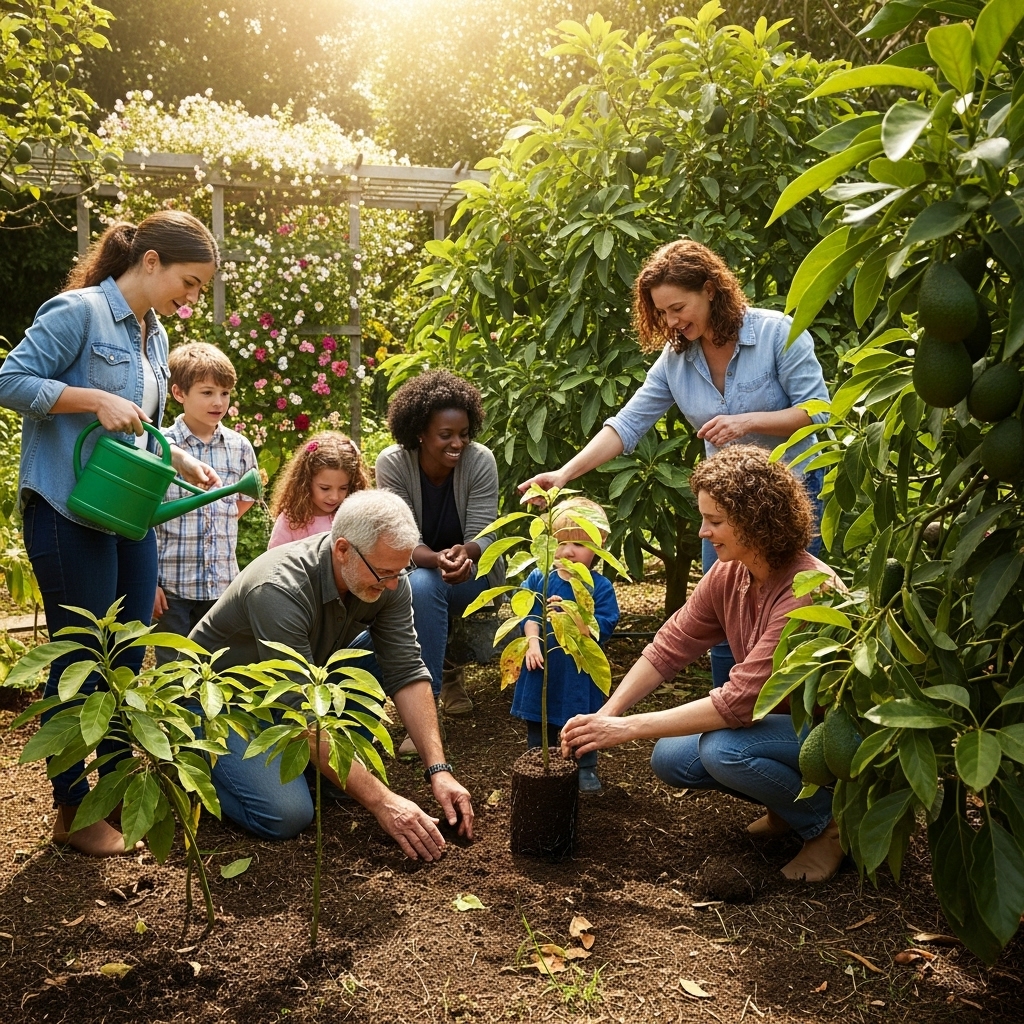
Transplanting can be intimidating, but I discovered that being gentle is key. I carefully removed the seedling from its pot, making sure not to damage the roots. I often used my hands to loosen the soil around the roots. Once out, I placed it in a larger pot or dug a hole in the ground, ensuring it was deep enough to accommodate the roots without bending them. I filled in around the plant with soil and watered it thoroughly—this helped settle the soil and eliminate any air pockets.
Acclimatizing to Outdoor Conditions
If I was transplanting outside, I made sure to acclimatize my young avocado trees to the new environment gradually. I started by placing them outside for a few hours each day, slowly increasing the time over a week or so. This approach helped them adjust to the outdoor conditions without going into shock. I remember the first time I took my seedlings outside; it felt like sending my kids off to school! I was nervous but excited to see how they would thrive in their new space.
With patience and care, transplanting became a rewarding experience, and watching my avocado trees grow stronger in their new surroundings was incredibly fulfilling. I can’t wait to share how I continued caring for my avocado trees to ensure they thrive! Read Interesting article: Top 10 Expert Tips to Accelerate Your Homegrown Avocado Tree Growth
Caring for Your Avocado Tree
Now that my avocado trees are happily settled in their new pots or the garden, the next important step is caring for them. I quickly realized that giving them the right attention can significantly influence their growth and productivity. Here’s what I’ve learned about keeping my avocado trees healthy and thriving.
Watering Guidelines
Watering has been a bit of a learning curve for me. It’s vital to strike the right balance—too much or too little can cause problems. I usually check the soil moisture by sticking my finger in about an inch deep. If it feels dry, I water the tree well, soaking the soil but avoiding waterlogging. I learned that avocados prefer deep watering less often rather than light watering frequently. This encourages the roots to grow deeper, which is essential for their stability and health. During the hotter summer months, I’ve found that my trees need a bit more water, so I always keep an eye on them.
Fertilization Techniques
Fertilizing has also been an essential part of my avocado care routine. I discovered that avocados are quite particular about their nutrients. I usually apply a balanced fertilizer that’s high in potassium, which promotes healthy fruit development. I remember my first attempt at fertilizing—I applied too much thinking it would boost growth, but all it did was burn the roots. Since then, I’ve learned to follow the instructions on the fertilizer packaging carefully. I typically fertilize in the spring and again in the summer, as this aligns with their active growing season. I’ve also found that using organic compost can be beneficial, as it enriches the soil naturally.
Pest and Disease Management
Despite my best efforts, I’ve had to deal with a few pests along the way. Common pests like aphids and spider mites can be a nuisance for avocado trees. I noticed these tiny intruders one day when I saw some leaves curling up. To manage them, I often resort to using insecticidal soap or neem oil, both of which are effective and less harmful to beneficial insects. I’ve learned that regular inspections of the leaves and stems help catch any issues early. Keeping the area around my trees clean and debris-free has also reduced pest problems significantly.
Diseases can pose a threat too. I’ve encountered root rot due to overwatering, which was a tough lesson. I’ve realized that maintaining well-draining soil and being mindful of my watering habits is crucial for preventing this. Fungal diseases can also appear, especially in humid conditions. I’ve used a mix of good air circulation and careful watering techniques to keep my trees healthy.
Pruning for Healthy Growth
Pruning has become one of my favorite activities when it comes to avocado care. I’ve found that regular pruning encourages healthy growth and helps shape the tree. I usually start pruning when my trees are about a year old, focusing on removing any dead or weak branches. This not only improves air circulation but also promotes better light penetration. I remember feeling a bit hesitant at first, worrying I might hurt the tree, but I quickly learned that it thrives on a little TLC. The best time to prune is in early spring, right before the new growth begins. I’ve also discovered that thinning out the interior branches helps the tree stay healthy and produces better fruit down the line.
Overall, caring for my avocado trees has been a rewarding journey. Each step—from watering to pruning—has taught me something new and brought me closer to the goal of enjoying those delicious homegrown avocados.
Harvesting Avocados
Now that I’ve navigated the care of my avocado trees, I’m eagerly looking forward to the day I can harvest my avocados. The thought of picking fresh fruit from my own backyard fills me with excitement. Here’s what I’ve learned about the harvesting process.
When to Harvest
Timing is everything when it comes to harvesting avocados. I’ve learned that avocados don’t ripen on the tree, so they need to be picked at the right time to ensure the best flavor. Generally, the fruit is ready to harvest when it reaches a mature size and changes color slightly. For instance, with Hass avocados, I noticed that they turn from green to a darker shade. I usually give them a gentle squeeze; if they feel slightly soft but not mushy, that’s a good indication they’re ready. I remember my first harvest day vividly—being so excited, I ended up picking a few that were still too firm. Lesson learned!
How to Harvest Properly
When it comes to harvesting, I’ve discovered that using the right technique can make all the difference. I’ve found that it’s best to use sharp pruning shears or scissors to cut the fruit off the stem, leaving a short piece of the stem attached. This helps prevent bruising. I usually place the harvested avocados in a soft bag or basket to protect them during transport. I remember the first time I harvested my avocados; I handled them so carefully, like they were precious gems! Proper handling is key to keeping them fresh until I’m ready to enjoy them.
Frequently Asked Questions
What are the most popular varieties of avocados for home gardening?
The most popular avocado varieties include Hass, Fuerte, Bacon, and Pinkerton. Each has unique characteristics and growing requirements.
How much sunlight do avocado trees need?
Avocado trees require at least six hours of direct sunlight each day for optimal growth.
What type of soil is best for growing avocados?
Avocados prefer well-draining soil that is rich in organic matter. A pH between 6-7 is ideal.
How do I know when to transplant my avocado seedlings?
Transplant your avocado seedlings when they are 6-12 inches tall and have a healthy set of leaves. Spring is the best time for this.
What should I do if my avocado tree is infested with pests?
You can manage pests like aphids and spider mites using insecticidal soap or neem oil and by regularly inspecting the leaves and stems for issues.
How often should I water my avocado trees?
Water avocado trees deeply but less frequently. Check the soil moisture by sticking your finger in about an inch deep; if it’s dry, it’s time to water.
What is the best time for pruning avocado trees?
The best time to prune avocado trees is in early spring, just before new growth begins.
When are avocados ready to be harvested?
Avocados are ready to be harvested when they reach a mature size and change color slightly. For Hass avocados, they turn from green to a darker shade.
What is the proper technique for harvesting avocados?
Use sharp pruning shears or scissors to cut the fruit off the stem, leaving a short piece of the stem attached to prevent bruising.
What is the significance of acclimatizing avocado trees before transplanting them outdoors?
Acclimatizing helps young avocado trees adjust to outdoor conditions gradually, reducing the risk of shock and improving their chances of thriving.