
Growing strawberries in containers is an effective way to enjoy fresh berries even in limited spaces, as they thrive in well-drained soil and need minimal care. I’ve found that with the right approach, anyone can cultivate delicious strawberries right at home. Read Interesting article: Growing Strawberries in Pots: Essential Care Tips for Container Strawberries
Why Choose Container Gardening for Strawberries?
Benefits of Growing Strawberries in Containers
When I first decided to grow strawberries, I was surprised by how simple it could be, especially in containers. There are several benefits that container gardening offers, particularly for strawberries. For one, it allows you to control the growing environment more easily. You can choose the right soil mix, ensure proper drainage, and provide the right amount of sunlight. This is particularly helpful in areas with poor soil quality or limited garden space.
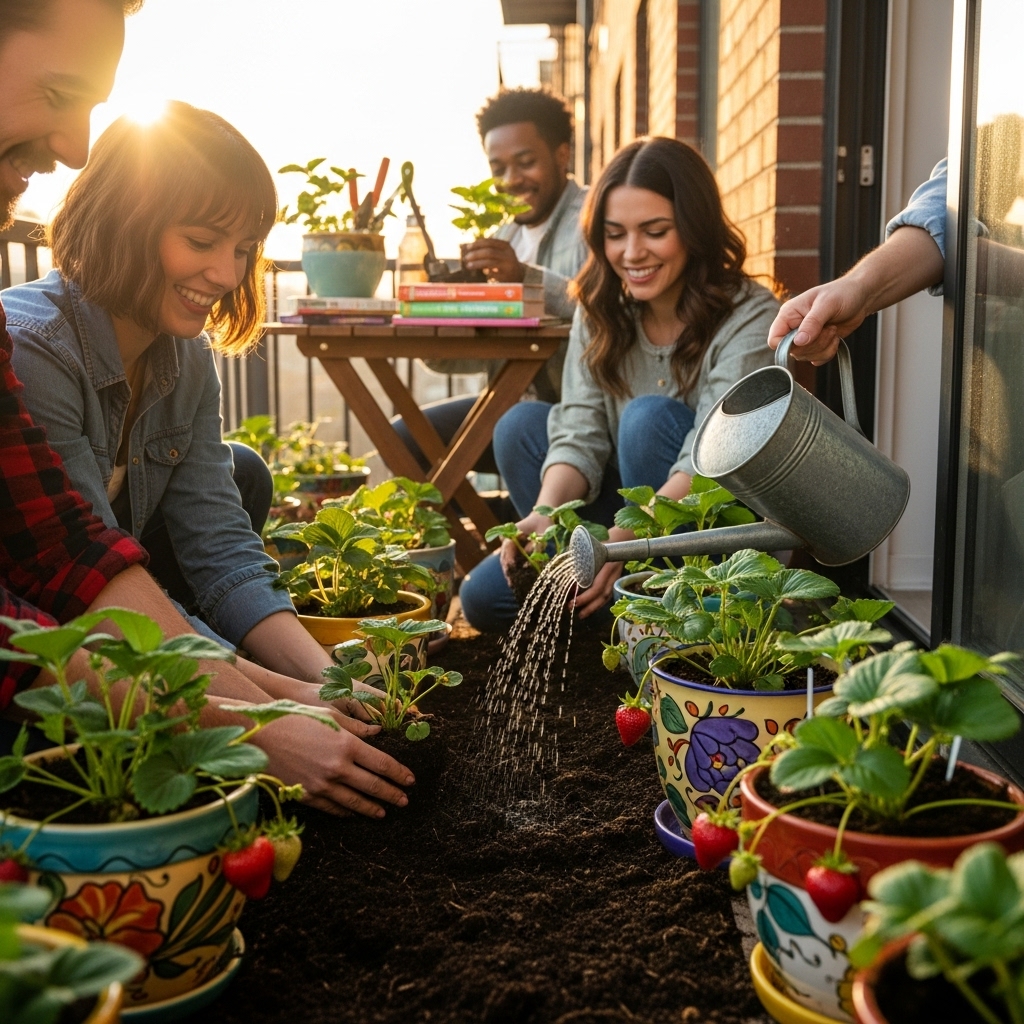
Another benefit I love is the flexibility container gardening provides. You can move your strawberry plants to capture the best sunlight or protect them from harsh weather conditions. Plus, container gardening reduces the risk of soil-borne diseases and pests that often trouble garden beds. It’s also a fantastic way to add greenery to patios, balconies, or even indoor spaces. I remember the joy of having fresh strawberries literally at my fingertips right outside my kitchen door!
Common Container Types for Strawberry Plants
When it comes to the types of containers you can use for strawberries, the options are plentiful! I’ve tried various types, and here are some of my favorites:
- Traditional Pots: These are the most common option. Choose pots that are at least 12 inches deep to allow for adequate root growth. Terracotta and ceramic pots are great for aesthetics but remember that they may dry out faster.
- Strawberry Towers: These vertical containers maximize space and are perfect for small areas. They often have multiple pockets for planting several strawberries in one unit.
- Window Boxes: I’ve found these to be quite charming. They’re ideal for balconies or ledges, and they provide enough space for a few strawberry plants to flourish.
- Buckets or Tubs: Repurposing an old bucket or tub can be a fun and eco-friendly way to grow strawberries. Just make sure to drill holes for drainage. Read Interesting article: 12 Best Plants You Can Grow Using Buckets
Whatever container you choose, ensure that it has good drainage holes at the bottom, as strawberries do not like sitting in water. I learned the hard way that excess water can lead to root rot, which is a nightmare for any gardener.
Choosing the Right Strawberry Varieties
June-Bearing Strawberries
One of the first types I explored was June-bearing strawberries. These are fantastic if you’re looking for a big harvest all at once, typically in late spring to early summer. I remember planting them and being thrilled with the abundance that came from just a few plants. They usually produce large, sweet berries, and their harvest can last for a couple of weeks. Just keep in mind that they don’t produce again until the following year, so you’ll need to plan ahead.
Ever-Bearing Strawberries
If you prefer a more continuous yield, ever-bearing strawberries might be for you. They produce fruit throughout the growing season, typically offering two to three harvests from spring to fall. I appreciate this variety for the steady supply of berries it provides. I found that they’re often smaller than June-bearing strawberries but still incredibly sweet and delicious!
Day-Neutral Strawberries
Day-neutral strawberries are another option that I have grown fond of. They’re similar to ever-bearing strawberries but are less affected by daylight hours. This means they can produce fruit in both cooler and warmer temperatures, allowing for an extended harvest. I loved having berries to enjoy during the summer months and even into early fall!
Choosing the right variety depends on your preferences and the climate in your area. I recommend researching local growing conditions and perhaps even visiting a local nursery for advice. It’s worth it to get those juicy strawberries on your plate!
Essential Supplies for Container Strawberry Gardening
Containers: Size and Material
As I mentioned earlier, selecting the right container is crucial. The size of the container matters because strawberries need room for their roots to grow. I typically choose containers that are at least 12 inches wide and deep. Remember, the bigger the pot, the more strawberries you can grow! As for materials, I lean towards plastic or resin pots because they retain moisture better than terracotta or clay. However, if you love the look of clay, just be vigilant with watering.
Soil: Best Mix for Strawberries
The right soil mix is essential for healthy strawberry plants. I’ve experimented with various potting soils, and I’ve learned that a well-draining mix is key. A blend of potting soil with compost and perlite or vermiculite works wonders. This ensures that the plants have enough nutrients while preventing them from standing in water. I’ve also added a handful of organic fertilizer to boost the nutrients, and my plants have thrived!
Fertilizers: Organic vs. Synthetic Options
Fertilizing can be a bit of a learning curve. I’ve tried both organic and synthetic fertilizers. For me, organic options like fish emulsion or compost tea have worked well. They release nutrients slowly, which is ideal for strawberries. I’ve found that they help in promoting healthy growth and sweet fruit without the risk of chemical build-up in the soil.
Tools Required for Planting and Maintenance
While container gardening is quite straightforward, having the right tools can make a difference. Here’s what I keep handy:
- Gloves: Protect your hands while planting and maintaining.
- Hand Trowel: Perfect for digging and transferring soil.
- Watering Can: Ensure gentle watering to avoid disturbing the plants.
- Pruning Shears: Useful for managing plant growth and removing dead leaves.
With these supplies, I feel ready to tackle anything that comes my way while growing strawberries in containers!
Steps to Planting Strawberries in Containers
When to Plant Strawberries
Timing is everything when it comes to planting strawberries. I’ve found that the best time to plant strawberries in containers is in the spring, after the last frost. This gives the plants a chance to establish themselves as the weather warms up. If you live in a warmer climate, you might also consider planting in the fall. I remember the thrill of planting my strawberries in early spring, knowing that by summer, I’d be enjoying those sweet results!
Preparing the Containers
Before planting, it’s crucial to prepare your containers properly. I always start by thoroughly cleaning my pots to prevent any diseases. If you’re using a repurposed container, make sure it’s free of any residues. Once clean, I ensure there are adequate drainage holes at the bottom. If I notice any holes are blocked, I make a point to clear them out. I also like to add a layer of small stones or gravel at the bottom before filling it with soil. This extra step promotes drainage and helps prevent water from collecting at the base of the pot, which can lead to root rot!
Planting Techniques and Depth
When it comes to planting, I’ve learned that the depth and spacing of my strawberry plants are key for successful growth. Generally, I plant the strawberries so that the crown (the part where the roots meet the stem) is just above the soil line. If it’s buried too deep, it can lead to rot, but if it’s too exposed, the roots might dry out. I like to space the plants about 12 inches apart to give them room to spread out and grow. This spacing has worked well for me because it allows for airflow and minimizes the risk of disease.
Watering Requirements After Planting
After planting, watering becomes critical. I usually water my newly planted strawberries thoroughly to settle the soil around the roots. In the days following planting, I keep an eye on the moisture level. I’ve learned that strawberries prefer consistent moisture, but they don’t like soggy soil. I tend to check the top inch of the soil; if it feels dry, it’s time to give them a drink. Using a watering can helps me water gently, ensuring I don’t disturb the plants. It’s all about finding that balance – too little water can stress the plants, but too much can be just as harmful!
Caring for Strawberry Plants in Containers
Watering Guidelines
Maintaining proper watering habits is crucial as the season progresses. I water my strawberries regularly, especially during dry spells. I’ve found that container plants dry out faster than those in the ground, so they often need more frequent watering. I typically check them every day during hot weather. A good rule of thumb is to water deeply but less frequently, which encourages strong root growth. I also love using a drip irrigation system when I’m away, ensuring my plants stay hydrated without overdoing it.
Fertilizing Schedule
Fertilizing my strawberries has been a game changer for their growth. I usually start fertilizing a month after planting. I apply organic fertilizer every four to six weeks throughout the growing season. I’ve noticed that this regular feeding helps my strawberry plants stay healthy and produce sweet berries. During the growing season, I try to keep an eye on their leaves; if they start to look pale or yellow, it’s usually a sign they need a little boost.
Pruning and Maintenance Tips
Maintaining my strawberry plants involves a bit of pruning, which I’ve found crucial for keeping them productive. I like to remove any dead or yellowing leaves, as this helps improve air circulation and reduces disease risk. After the harvest, I also trim back the plants to encourage new growth. I’ve learned that this simple step can lead to a more vigorous crop the following season. Don’t forget to check for runners too! I usually cut those off if I want the plant to focus its energy on producing fruit rather than spreading.
Managing Pests and Diseases
While growing strawberries has been rewarding, I’ve faced my share of pest and disease issues. Aphids and spider mites are common culprits, so I regularly inspect my plants. If I spot any, I gently wash them off with water or use insecticidal soap. I’ve also found that healthy plants are less susceptible to pests, so maintaining good care is essential. Keeping the area around the containers clean and free of debris helps minimize the risk of diseases like powdery mildew. I always stay vigilant because early detection makes managing these challenges much easier!
Optimal Conditions for Strawberry Growth
Sunlight Requirements
One of the most important aspects I learned while growing strawberries is how much they adore sunlight. I’ve discovered that strawberries thrive best when they receive at least 6 to 8 hours of full sun each day. This means placing my containers in a location that gets plenty of direct sunlight. I remember the first year I planted them in a partially shaded area; the plants were stunted and produced very few berries. Once I moved them to a sunnier spot, the difference was astonishing! The plants perked up, and soon, I was rewarded with luscious, sweet strawberries.
Temperature Preferences
Strawberries are quite adaptable, but they do have their preferences when it comes to temperature. Ideally, they thrive in temperatures between 60°F and 80°F. I’ve noticed that hot summer days can stress the plants, leading to reduced fruit production. During these times, I make sure to keep an eye on the weather and provide some shade, like using a light cloth or moving the pots under a patio awning. It’s a simple solution that has saved my plants from wilting in the heat!
Humidity and Air Circulation Needs
Humidity plays a role in strawberry health as well. I find that strawberries prefer a moderate level of humidity. Too much humidity can lead to fungal diseases, while too little can cause the plants to dry out. To help with air circulation, I always space my containers apart rather than clustering them together. This not only allows fresh air to flow but also makes it easier for me to spot any potential problems. I’ve learned that a little breeze can go a long way in keeping my plants happy and healthy!
Harvesting Strawberries from Containers
When to Harvest Strawberries
Harvesting strawberries is one of the most rewarding experiences! I’ve found that the best time to pick strawberries is when they’re fully red and ripe. For me, it’s all about the color and size. I’ve learned to look for a deep, rich red color and a plump, firm texture. Harvesting too early can lead to sour berries, while waiting too long can mean mushy fruit or pest issues. I usually check my plants every couple of days during peak season, and I get so excited when I spot those juicy gems ready for picking!
How to Harvest Without Damaging Plants
When it comes to picking strawberries, I’ve learned that being gentle is key. I carefully grasp the berry and twist it lightly until it detaches from the stem. I try to leave the green cap intact, as it helps keep the berries fresh for longer. I remember my first few attempts, where I accidentally yanked some plants out of their pots while trying to harvest! Now, I take my time and make sure to support the plant with my other hand. It’s a small but crucial part of the process that ensures the plants remain healthy and productive.
Post-Harvest Care and Storage Tips
After harvesting, I like to handle the strawberries with care. I gently place them in a shallow container to avoid bruising. If I have more than I can eat right away, I store them in the fridge, but I make sure not to wash them until I’m ready to use them. I’ve found that washing them too early can lead to mold. Another tip I learned is to keep an eye on the berries; if I notice any blemished ones, I remove them immediately to prevent spoilage. This simple practice helps extend the life of my harvest and keeps everything fresh for snacking!
Extending the Strawberry Growing Season
Overwintering Strawberries in Containers
As the growing season comes to an end, I’ve found that thinking ahead about how to overwinter my strawberries is essential. I typically move my containers to a sheltered location, such as against a wall or near the house, to protect them from harsh winter winds. If I live in a colder climate, I may even wrap the pots in burlap or bubble wrap to provide extra insulation. I remember one winter where I left my pots out without protection, and it was a lesson learned when they didn’t come back in the spring! Keeping them cozy helps ensure they wake up healthy and ready to produce again.
Seasonal Care for Year-Round Production
To extend my strawberry growing season, I’ve also explored using cold frames or hoop houses. These structures help create a warmer environment for my plants during the cooler months. I’ve found that this not only protects them from frost but also allows me to enjoy fresh strawberries a bit earlier in the spring. During the growing season, I make sure to continuously care for my plants by maintaining proper watering, fertilizing, and pruning, which all contribute to a bountiful harvest year after year!
Common Challenges and Solutions
Dealing with Poor Growth
Despite my best efforts, I’ve faced challenges with my strawberry plants not growing as well as I’d hoped. I’ve learned that poor growth can stem from several factors, including inadequate sunlight, incorrect watering, or nutrient deficiencies. I usually start troubleshooting by assessing the location of my containers and ensuring they have enough sun exposure. If the plants still seem sluggish, I check the soil moisture and consider adjusting my fertilizing schedule. Sometimes a little extra attention can work wonders!
Preventing Overwatering and Root Rot
Overwatering was a mistake I made early on, and I quickly learned my lesson! To prevent root rot, I always make sure my pots have proper drainage. I also monitor the soil moisture closely. If I feel uncertain, I tend to err on the side of underwatering rather than overwatering. I remember a few times when I let my excitement to care for the plants lead to soggy soil, and it was a tough battle to bring them back. Finding that balance is crucial!
Identifying and Treating Common Pests
As I’ve mentioned before, pests can be a real concern. I frequently check my plants for signs of trouble, such as discolored leaves or tiny insects. I’ve often found that a gentle spray of water can dislodge many pests, but for more stubborn ones, I turn to natural remedies like neem oil or insecticidal soap. Being proactive has helped keep my plants thriving and my harvest plentiful. Staying informed about potential pests and their life cycles has been beneficial in maintaining a healthy strawberry garden!
Frequently Asked Questions
Why is container gardening beneficial for growing strawberries?
Container gardening allows for better control of the growing environment, including soil quality, drainage, and sunlight. It is particularly useful in areas with poor soil or limited garden space and reduces the risk of soil-borne diseases and pests.
What types of containers are suitable for growing strawberries?
Common container types include traditional pots (at least 12 inches deep), strawberry towers, window boxes, and repurposed buckets or tubs. It is essential that whatever container you choose has good drainage holes at the bottom.
What are the different strawberry varieties to consider for container gardening?
There are three primary types of strawberries: June-bearing strawberries, which produce a large harvest once a year; ever-bearing strawberries, which yield fruit throughout the growing season; and day-neutral strawberries, which can produce fruit in various temperatures.
When is the best time to plant strawberries in containers?
The best time to plant strawberries is in the spring after the last frost. In warmer climates, fall planting is also an option to allow the plants to establish themselves before winter.
What is the recommended watering practice after planting strawberries?
After planting, it is important to water strawberries thoroughly to settle the soil around the roots. They prefer consistent moisture but should not sit in soggy soil. Monitoring the top inch of soil for dryness is key.
How often should strawberries be fertilized in containers?
Strawberries should be fertilized about a month after planting and then every four to six weeks during the growing season. Organic fertilizers are recommended for optimal growth.
What should be done for strawberry plants after harvesting?
After harvesting, strawberries should be handled gently and stored in a shallow container to avoid bruising. It is advised not to wash them until ready to use and to remove any blemished berries immediately to prevent spoilage.
How can I protect my strawberries during the winter?
To overwinter strawberries, move containers to a sheltered location and consider wrapping pots in burlap or bubble wrap for insulation. This helps protect them from harsh winter conditions.
What are common challenges in growing strawberries in containers?
Challenges include poor growth due to inadequate sunlight, incorrect watering, and nutrient deficiencies. Overwatering can lead to root rot, and pest management is crucial for healthy plants.
How can I prevent and treat pests in my strawberry garden?
Regularly inspecting plants for signs of pests is essential. A gentle spray of water can dislodge many pests, while natural remedies like neem oil or insecticidal soap can be used for more stubborn infestations.