
The right way to plant anything involves understanding the basics of planting, using the right tools, preparing the site, and following proper techniques. I’ve learned that getting these elements right can truly make a difference in the success of my garden.
Understanding the Basics of Planting
What is Planting?
Planting, in its simplest form, is the act of placing seeds, seedlings, or plants into soil with the intention of growing them. This fundamental gardening task can vary widely depending on what you’re planting, but it’s always about giving the plant a good start in life. I’ve dabbled in planting various types of plants over the years, from vegetables to flowers, and I’ve come to realize that each type has its own unique needs.
Importance of Proper Planting Techniques
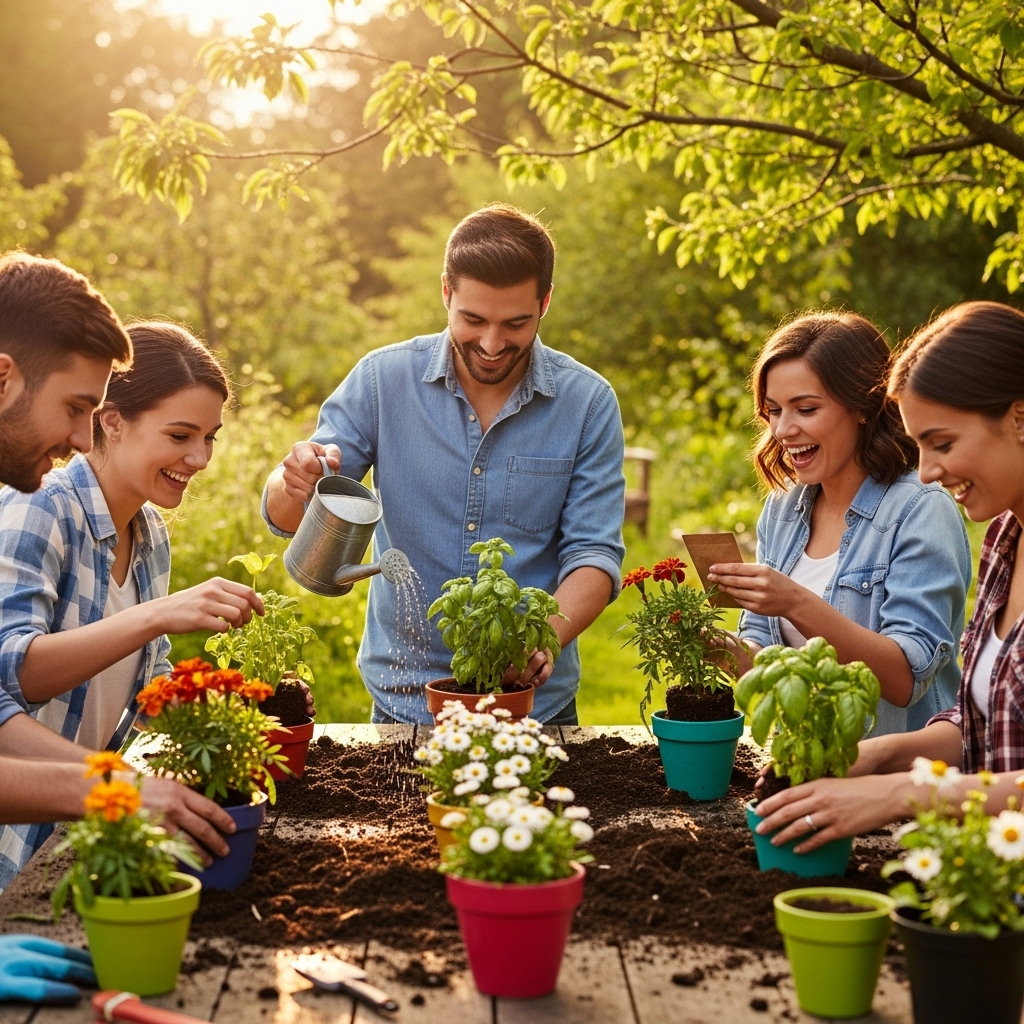
Using proper planting techniques can significantly enhance plant growth and health. When I first started gardening, I overlooked details like planting depth and spacing, thinking they were minor. However, I learned that if seeds are too deep, they might struggle to sprout. Conversely, if they’re too shallow, they can dry out quickly. Getting these details right not only promotes healthy growth but also minimizes pests and diseases. I believe that understanding these techniques lays a solid foundation for your gardening journey.
Types of Plants to Consider
When deciding what to plant, it’s important to consider the types of plants that fit your climate, space, and personal preferences. I’ve experimented with various categories of plants, including vegetables, herbs, and flowers. Each type has its own charm and purpose, and I find that mixing them can create a vibrant garden. For instance, growing tomatoes alongside basil not only looks good but can also enhance the flavor of your dishes! Choosing the right plants also involves understanding their sunlight and water needs, which I learned can differ drastically between types of flora. You might find it helpful to refer to a Planting a Spring Herb Garden: Guide for Herbal Teas for more insights.
Essential Tools and Supplies for Planting
Basic Gardening Tools
Having the right tools is like having a good recipe; it sets you up for success. When I started out, I quickly realized that a few basic tools could make my planting experience so much easier. Here’s what I recommend:
- Hand trowel: Perfect for digging small holes and planting seeds.
- Garden fork: Great for mixing soil and breaking up compacted dirt.
- Pruning shears: Essential for trimming and maintaining plant health.
- Watering can or hose: Keeping your plants hydrated is crucial, especially during dry spells.
- Gardening gloves: Protect your hands from dirt and thorns.
These tools have made my planting process much more enjoyable and efficient. I still remember the first time I tried to dig without a proper trowel—what a mess that was!
Soil Types and Amendments
The soil is probably one of the most critical aspects of planting that I’ve learned about. Different plants thrive in different soil types, and knowing what you have is essential. I’ve found that good-quality garden soil is typically a mix of sand, silt, and clay. However, some plants prefer sandy soil, while others thrive in clay. To improve my soil, I often add organic matter like compost, which not only enriches the soil but also improves its structure. It might take a little effort to amend your soil, but trust me, it makes a world of difference in your plants’ health.
Choosing the Right Seeds or Seedlings
Deciding between seeds and seedlings can be a tough choice for beginners. I remember my first encounter with seeds—so small and delicate! While seeds can be more cost-effective and offer a wider variety, seedlings provide a head start, especially for impatient gardeners like me. I often choose seedlings for plants that require a longer growing season, like tomatoes or peppers. However, for quick-growing plants like radishes or lettuce, I prefer to start with seeds. It’s essential to choose high-quality seeds or healthy seedlings from a reputable source to ensure the best results.
Preparing the Planting Site
Choosing the Right Location
Choosing the right location for my plants has been one of the most rewarding lessons in my gardening journey. I remember when I first attempted to plant a vegetable garden in a shady corner of my yard. Despite my enthusiasm, the plants struggled to grow, and I quickly realized that sunlight is essential. Most vegetables, flowers, and herbs thrive in full sun, which generally means at least six to eight hours of direct sunlight each day. I now make a habit of observing my yard throughout the day to see where the sun hits the hardest and where the shadows fall. This practice has helped me find the perfect spot for each type of plant.
Additionally, I’ve learned to consider factors like wind exposure and drainage. If I plant in a spot that is too windy, it can damage young plants. Similarly, I’ve noticed that areas with poor drainage can lead to waterlogged soil, which can be disastrous for many plants. Taking the time to assess these conditions not only saves me from future headaches but also contributes to a thriving garden.
Soil Preparation Techniques
Once I’ve settled on a location, preparing the soil is next on my agenda. I’ve found that good soil preparation can set my garden up for success. I usually start by clearing the area of weeds, rocks, and debris. I remember the first time I planted without doing this step—I ended up battling weeds all season long! After clearing the area, I loosen the soil with a garden fork or tiller, which helps improve aeration and root penetration.
Next, I add amendments like compost or aged manure, which enrich the soil and provide essential nutrients to my plants. Mixing these organic materials into the soil not only improves its fertility but also enhances its ability to retain moisture. Over time, I’ve learned to enjoy this part of the process. It feels rewarding to see the soil transform into a rich, dark mix that promises healthy growth.
Testing Soil pH and Nutrients
One of the most eye-opening experiences for me was learning about soil testing. Initially, I had no idea that soil pH and nutrient levels could significantly impact plant growth. I remember my first attempt at planting some tomatoes in soil that was too acidic. They struggled to flourish, and I was left scratching my head as to why. After doing some research, I decided to invest in a simple soil test kit to check the pH and nutrient levels of my garden soil.
Testing is straightforward, and I was surprised by how much I learned from it. Ideal pH levels usually fall between 6.0 and 7.0 for most vegetables. If my soil is too acidic or alkaline, I can amend it by adding lime or sulfur, respectively. Additionally, I learned about essential nutrients like nitrogen, phosphorus, and potassium. If my soil is deficient in any of these, I can add specific fertilizers to ensure my plants get what they need to thrive. This step has become a regular part of my gardening routine, and I absolutely recommend it to anyone looking to enhance their planting success. For a deeper understanding, check out the Planting Guide for Western Hemlock Trees Soil and Care.
When to Plant: Timing and Seasons
Understanding Plant Hardiness Zones
Understanding plant hardiness zones has been a game-changer for me. I didn’t realize that different plants thrive in different climates until I started looking into it more closely. The USDA hardiness zone map breaks regions down based on average annual winter temperatures, and this information has guided my planting choices significantly. I learned that my area falls within Zone 6, which means I can grow a variety of plants but need to be cautious about freezing temperatures.
Knowing my zone has helped me select plants that will survive and thrive in my local climate. I’ve had more success with perennials and vegetables since I’ve been mindful of their hardiness ratings. I believe understanding these zones can save you a lot of frustration and heartbreak when it comes to planting, especially when you’re choosing new plants to introduce into your garden.
Seasonal Planting Guide
As I began to understand my hardiness zone, I also started following a seasonal planting guide. I found it so helpful to know which plants to put in the ground at different times of the year. For instance, in early spring, I typically focus on cool-season crops like peas and lettuce. Then, as the weather warms up, I transition to planting tomatoes, squash, and peppers. I remember the excitement of planting my first batch of seeds in spring, eagerly watching them sprout and grow. For more specific timing, refer to the Best Time to Plant Hydrangeas: Your Seasonal Planting Guide.
Fall is another critical planting time, especially for bulbs and certain perennials. I’ve learned that timing is everything—planting too late can result in poor growth or even death during the winter months. I often refer to planting calendars specific to my zone, which help me plan ahead and ensure I’m getting my planting done at the right time.
Signs of the Right Planting Time
Knowing when to plant goes beyond just following a calendar. I’ve also learned to observe nature for signs that it’s time to get my hands dirty. For example, when I see my local trees beginning to bud and the first flowers of spring appearing, I take that as my cue to start planting. I’ve also paid attention to soil temperature; certain seeds germinate best when the soil has warmed to a specific degree. This means I often dig my hands into the soil to check its warmth before deciding to plant.
Listening to the rhythm of nature has made me a more intuitive gardener. I feel more connected to my garden when I’m in tune with the signs around me. It’s just another way that gardening has brought joy and fulfillment into my life.
Step-by-Step Planting Process
How to Plant Seeds
Planting seeds is one of my favorite gardening activities. There’s something magical about dropping tiny seeds into the soil and trusting that they’ll grow into something beautiful or delicious. To start, I like to prepare a seedbed that’s well-aerated and free of weeds. I usually do this by loosening the soil a few inches deep and adding compost for nutrients.
When it comes to actually planting the seeds, I always check the seed packet for specific instructions regarding depth and spacing. For example, I remember planting carrot seeds a bit too deep once, and it took ages for them to sprout. A good rule of thumb is to plant seeds at a depth about two to three times their size. I then gently cover them with soil and lightly pat it down to ensure good soil-to-seed contact. Watering the area lightly after planting helps settle the soil and gives the seeds a good start. From my experience, I find that keeping the soil moist but not soggy is key in those early days.
How to Transplant Seedlings
Transplanting seedlings can be a bit nerve-wracking, especially if you’ve nurtured them from tiny seeds. I’ve learned that timing is crucial when it comes to transplanting. When my seedlings develop their first true leaves, I know they’re ready for a new home. I prepare a larger container or garden bed by loosening the soil and adding compost for nutrients.
When I’m ready to transplant, I carefully remove the seedlings from their original pots, being cautious not to damage the roots. I usually use a small trowel or my hands to gently lift them out. I dig a hole in the new planting area, making it just big enough to accommodate the root ball. Once placed, I make sure that the top of the root ball is level with the surrounding soil, and I fill in around it with soil, gently packing it down to eliminate air pockets. After transplanting, I give them a good drink of water to help them settle in. I’ve noticed that providing some shade during the first few days helps reduce transplant shock.
Spacing and Depth Considerations
Getting spacing and depth right has been a journey for me. I didn’t pay much attention to spacing in my early gardening days, thinking it wouldn’t matter. But I quickly learned that overcrowding leads to competition for nutrients, sunlight, and water, which can stunt growth. Each plant has its own spacing requirements, which I always check on the seed packet or plant label. For instance, I’ve planted tomatoes too close together and ended up with spindly plants that didn’t produce well. Now, I measure out spaces according to the guidelines, which usually recommend anywhere from 12 to 36 inches apart, depending on the type of plant.
As for planting depth, I’ve become quite meticulous. I remember my first attempt at planting beans—some were buried too deep, while others were barely covered. The ones that were too deep took forever to sprout, while the shallow ones dried out quickly. I’ve learned that planting depth is crucial for germination, with some seeds needing just a light dusting of soil while others require more coverage. It’s a balancing act that can make or break my planting success!
Watering and Care After Planting
Watering Techniques and Schedules
Watering is one of those tasks I’ve had to refine over time. I used to think that more water meant healthier plants, but I learned that overwatering can be just as harmful as underwatering. I try to water my garden deeply but less frequently, encouraging roots to grow deeper into the soil. I often do a finger test, sticking my finger into the soil about an inch deep. If it feels dry, I know it’s time to water. This method has helped me avoid the pitfalls of either extreme.
In terms of techniques, I prefer using a soaker hose or drip irrigation for my garden beds. This way, water reaches the root zone without wetting the foliage, which can lead to mildew and other issues. I typically water in the morning or late afternoon to reduce evaporation, and I keep an eye on the weather—if rain is in the forecast, I skip watering to prevent soggy soil.
Fertilization Basics
Fertilization has been another learning curve for me. I started with store-bought fertilizers, but I’ve since transitioned to organic options, which feel better for my garden and the environment. I usually add compost to my garden beds at the beginning of the season to provide a slow release of nutrients. Additionally, I’ve learned to read my plants; if they’re showing signs of yellowing leaves or stunted growth, it might be time for a boost. I often use compost tea or fish emulsion as a natural fertilizer, which my plants seem to love.
Pest and Disease Management
Managing pests and diseases can feel overwhelming at times. I remember my first year of gardening when aphids invaded my bean plants. I felt helpless watching my hard work get destroyed! Since then, I’ve adopted a more proactive approach. I’ve learned to keep my garden clean and free of debris, as pests love to hide in the mess. I also rotate my crops each year to disrupt pest life cycles.
When pests do show up, I often turn to natural remedies first, like neem oil or insecticidal soap. I’ve had success with companion planting, too—growing marigolds alongside my vegetables seems to deter some pests naturally. Keeping a close eye on my plants allows me to catch problems early, which has saved many of my crops. It’s all about being vigilant and adapting to whatever challenges come my way!
Frequently Asked Questions
What is planting?
Planting is the act of placing seeds, seedlings, or plants into soil with the intention of growing them. It involves giving the plant a good start in life and can vary widely depending on what you’re planting.
Why are proper planting techniques important?
Using proper planting techniques significantly enhances plant growth and health. Attention to details like planting depth and spacing promotes healthy growth and minimizes the risk of pests and diseases.
What types of plants should I consider for my garden?
When choosing plants, consider those that fit your climate, space, and personal preferences. It’s beneficial to mix different types of plants, such as vegetables, herbs, and flowers, to create a vibrant garden.
What basic gardening tools are essential for planting?
Essential gardening tools include a hand trowel for digging holes, a garden fork for mixing soil, pruning shears for maintaining plant health, a watering can or hose for hydration, and gardening gloves to protect your hands.
How do I prepare the planting site?
Preparing the planting site involves clearing the area of weeds and debris, loosening the soil, adding organic amendments like compost, and ensuring proper sunlight exposure and drainage.
What is the significance of soil pH and nutrient levels?
Soil pH and nutrient levels significantly impact plant growth. Ideal pH levels for most vegetables range between 6.0 and 7.0, and testing soil can help determine if it needs amendments or specific fertilizers to enhance plant health.
How can I determine the right time to plant?
Understanding plant hardiness zones and following a seasonal planting guide can help determine the right time for planting. Observing nature for signs, such as budding trees or warming soil temperatures, is also crucial.
What is the proper way to plant seeds?
To plant seeds, prepare a well-aerated seedbed free of weeds, check the seed packet for depth and spacing instructions, cover the seeds lightly with soil, and keep the soil moist but not soggy after planting.
How do I care for my plants after planting?
After planting, it’s essential to water deeply but infrequently to encourage deep root growth, use organic fertilizers as needed, and manage pests and diseases proactively by maintaining garden cleanliness and using natural remedies.
What are some effective pest management strategies?
Effective pest management strategies include keeping the garden clean and free of debris, rotating crops to disrupt pest cycles, using natural remedies like neem oil, and practicing companion planting to deter pests naturally.