
To plant balsam fir trees in your garden, select a suitable location with well-drained soil and partial shade. Dig a hole twice the width of the root ball, place the tree in the hole, and fill it with soil. Water thoroughly and apply mulch to retain moisture.
Balsam fir trees (Abies balsamea) are popular choices for gardens due to their attractive appearance and pleasant scent. These evergreen conifers are native to North America and thrive in cooler climates. They can grow up to 60 feet tall and are characterized by their dense, dark green needles and symmetrical shape. Planting balsam fir trees not only enhances the beauty of your landscape but also provides shelter for wildlife.
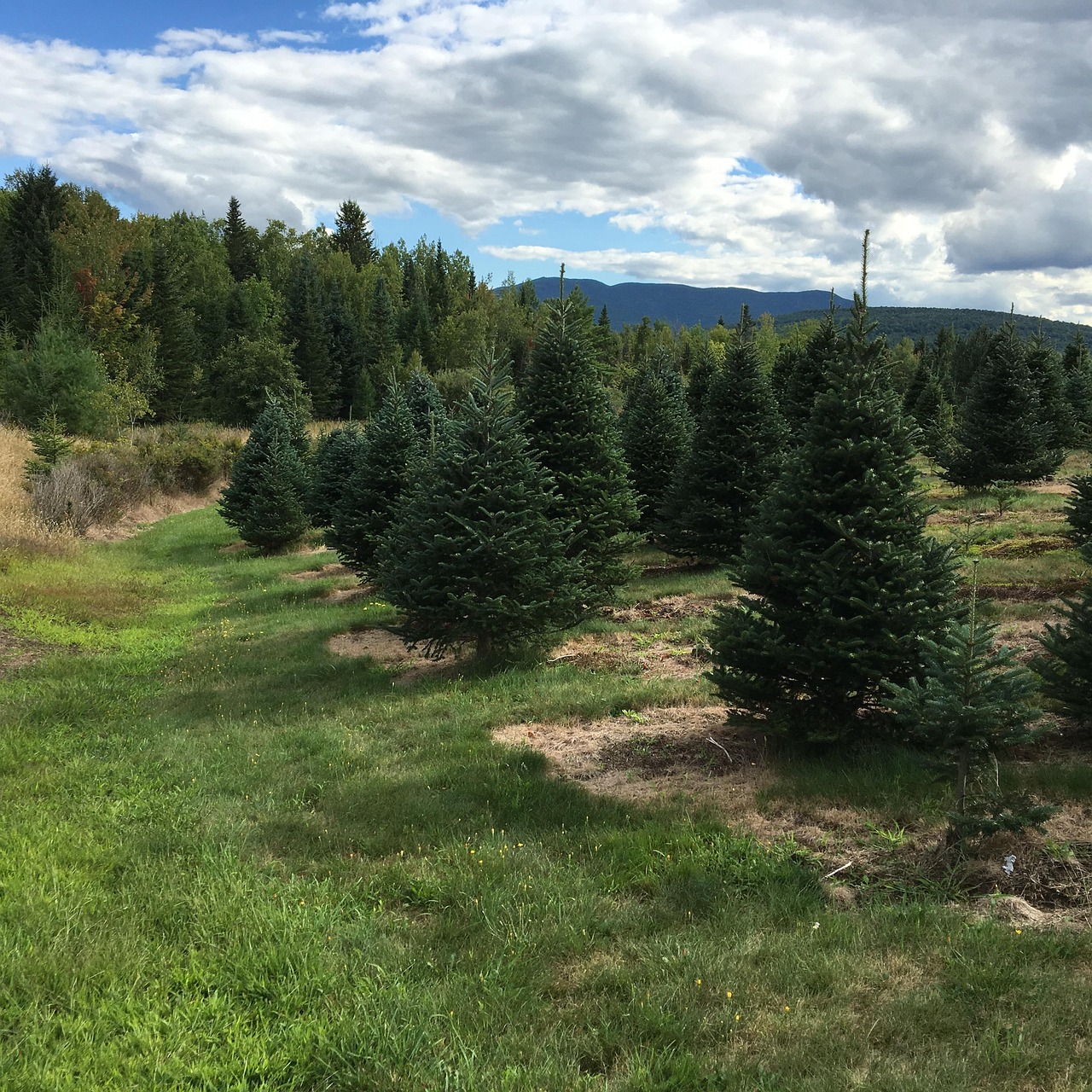
Before planting, it is vital to consider the growing conditions that balsam fir trees prefer. They do best in areas that receive partial shade, especially in warmer climates. The soil should be moist yet well-drained, as these trees do not tolerate standing water. Understanding these requirements will help ensure successful growth and development.
Choosing the Right Location
When selecting a spot for your balsam fir tree, keep the following factors in mind:
- Sunlight: Balsam firs prefer partial shade but can tolerate full sun if adequate moisture is available.
- Soil Type: Well-drained, loamy soil is ideal. Sandy or clay soils may require amendments for optimal growth.
- Space: Ensure there is enough room for the tree to grow, as they can reach significant heights and widths.
It is also advisable to avoid areas with high foot traffic or where other plants may compete for nutrients and water. A quiet corner of your garden or near the edge of a wood line can be perfect for a balsam fir tree.

Preparing the Soil
Proper soil preparation is crucial for the health of your balsam fir tree. Follow these steps to prepare the planting site:
- Clear the Area: Remove any weeds, grass, or debris from the intended planting site.
- Test Soil pH: Balsam firs thrive in slightly acidic soil (pH 5.5 to 6.5). Testing kits are available at garden centers.
- Add Amendments: If necessary, amend your soil with organic matter such as compost or peat moss to improve drainage and nutrient content.
After preparing the soil, you will be ready to plant your balsam fir tree. Timing is also essential; early spring or fall is generally the best time for planting trees to establish roots before winter or summer heat sets in.
Planting Process
The actual planting process involves several key steps:
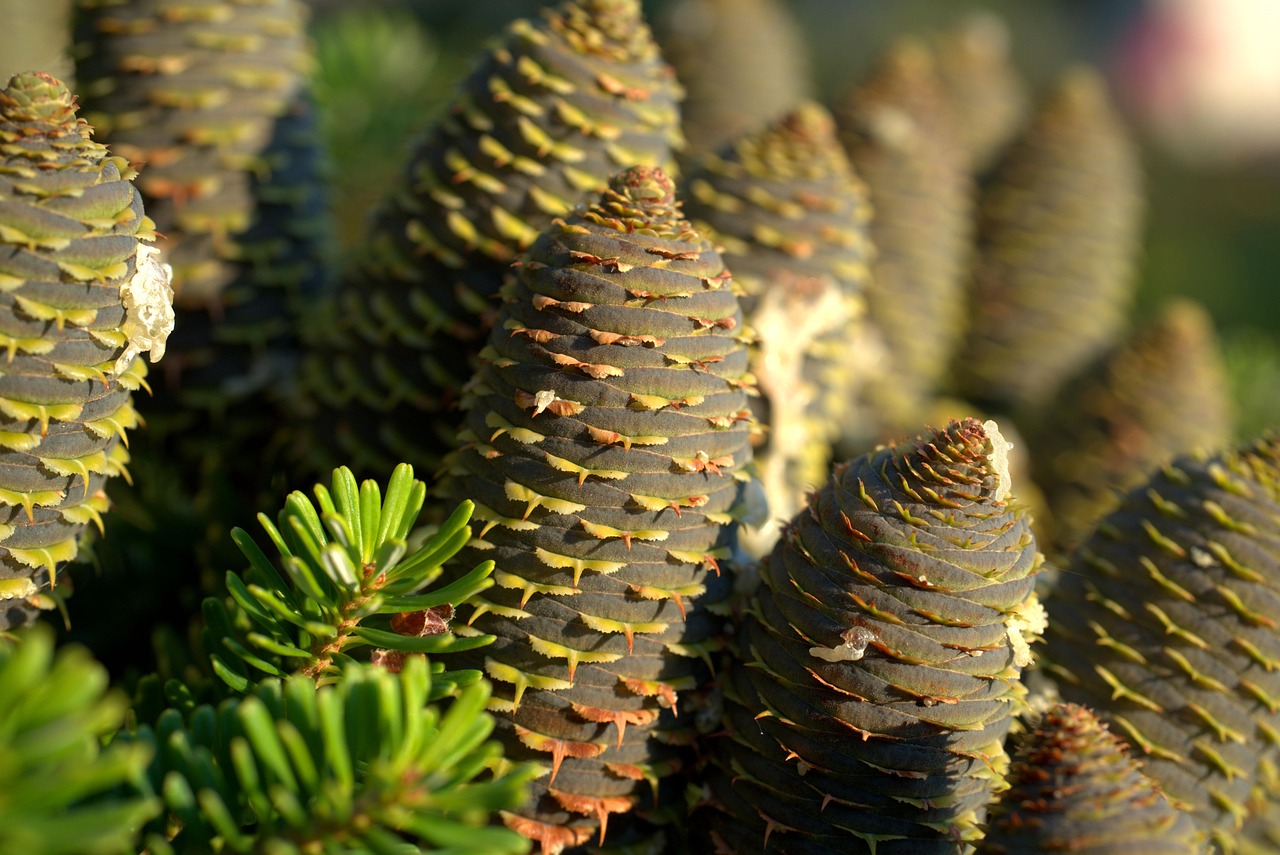
- Dug Hole: Dig a hole that is twice as wide as the root ball and slightly shallower than its height. This allows for root spread without burying the trunk.
- Positioning the Tree: Carefully remove the tree from its container and place it in the center of the hole, ensuring that the top of the root ball is level with or slightly above ground level.
- Backfill Soil: Fill the hole with soil, gently tamping down as you go to eliminate air pockets.
- Watering: Water the tree deeply after planting to help settle the soil around the roots.
Mulching around the base of the tree can help retain moisture and suppress weeds. Use organic mulch materials such as wood chips or shredded bark, applying a layer about 2-3 inches deep while keeping it away from the trunk.
| Factor | Description |
|---|---|
| Sunlight | Partial shade to full sun |
| Soil Type | Well-drained, loamy soil preferred |
| pH Level | Slightly acidic (5.5 – 6.5) |
By following these steps, you create an ideal environment for your balsam fir tree to thrive, enhancing your garden’s aesthetic and ecological value.
Ongoing Care for Balsam Fir Trees
After planting your balsam fir tree, ongoing care is essential to ensure its healthy growth. Regular maintenance will help your tree thrive and adapt to its environment. This section covers the key aspects of caring for your balsam fir, including watering, fertilizing, pruning, and pest management.

Watering Requirements
Watering is critical in the early stages of growth. Young balsam fir trees need consistent moisture to establish their roots. Here are some guidelines:
- Frequency: Water your tree deeply once a week during dry spells. In the first year, more frequent watering may be necessary.
- Amount: Ensure that the water reaches the root zone, approximately 12-18 inches deep.
- Indicators: Monitor the soil moisture by checking if the top inch feels dry. If it does, it’s time to water.
As the tree matures, its root system will become more established, and the need for frequent watering will decrease. However, during prolonged dry periods, supplemental watering may still be beneficial.
Fertilizing Your Tree
Fertilizing can provide essential nutrients that promote healthy growth. Balsam fir trees generally require fertilization once or twice a year. Follow these steps for effective fertilization:
- Selecting Fertilizer: Use a slow-release, balanced fertilizer with an NPK ratio of 10-10-10 or similar.
- Application Timing: Fertilize in early spring as new growth begins or in late fall before dormancy.
- Application Method: Spread the fertilizer evenly around the base of the tree, avoiding direct contact with the trunk. Water thoroughly after application.
Be cautious with the amount of fertilizer used. Over-fertilizing can harm the tree and surrounding plants by promoting excessive growth or causing nutrient imbalances.
Pruning Techniques
Pruning is an important aspect of maintaining your balsam fir’s health and appearance. Here are some tips for effective pruning:
- Timing: Prune in late winter or early spring before new growth starts.
- Removing Dead or Diseased Branches: Cut away any dead or damaged branches to improve air circulation and encourage healthy growth.
- Molding Shape: To maintain a natural shape, trim back any branches that extend outwards excessively.
Always use clean, sharp pruning shears to prevent injury to the tree. Make cuts at a slight angle to promote healing.
Pest and Disease Management
Balsam fir trees can be susceptible to various pests and diseases. Early detection is key to managing these issues effectively. Below are some common pests and diseases to watch for:
| Pest/Disease | Description | Treatment |
|---|---|---|
| Balsam Woolly Adelgid | A small insect that can cause branch dieback and tree decline. | Insecticidal soap or horticultural oil can help control infestations. |
| Root Rot | A fungal disease caused by overly wet soil conditions. | Avoid overwatering and ensure proper drainage; remove affected roots. |
| Bark Beetles | Insects that bore into bark and can kill trees. | Monitor trees regularly; remove infested branches and consider insecticides if needed. |
Regular inspections of your balsam fir tree will help identify any potential problems early on. If you notice any signs of distress, act promptly to address the issue before it escalates.
In addition to these practices, maintaining a healthy garden environment by keeping surrounding areas clean and free from debris can minimize pest problems and promote overall tree health.
Environmental Factors Affecting Balsam Fir Trees
Understanding the environmental factors that influence the growth of balsam fir trees is crucial for their successful cultivation. This section discusses climate requirements, soil conditions, and the impact of local wildlife on your balsam fir trees.
Climate Requirements
Balsam fir trees thrive in cooler climates and are best suited to USDA hardiness zones 3 through 7. Here are some key climatic factors to consider:
- Temperature: These trees prefer temperatures between 60°F to 75°F during the growing season. They can tolerate colder temperatures, but extreme heat should be avoided.
- Humidity: Moderate humidity levels are beneficial, as they help retain moisture in the soil. However, excessive humidity can promote fungal diseases.
- Precipitation: Balsam firs need consistent moisture, especially during dry spells. Ideally, they should receive at least 30 inches of rainfall annually.
Monitoring local weather patterns will help you anticipate any changes that may affect your balsam fir trees. Understanding these climate preferences will guide your watering and care practices effectively.
Soil Conditions
The soil conditions play a significant role in the health of balsam fir trees. Here are some ideal soil characteristics:
- Drainage: Well-drained soil is essential to prevent root rot. If your soil retains too much water, consider creating raised beds or adding organic matter to improve drainage.
- Soil Type: Loamy soils with a mix of sand, silt, and clay provide the best conditions for growth. Sandy soils allow for good drainage, while clay soils may need amendments.
- Nutrient Content: Regular soil testing can help determine nutrient levels. Adding compost or slow-release fertilizers can enhance soil fertility.
Maintaining healthy soil conditions is key to growing robust balsam fir trees. Regularly check your soil’s texture and composition to ensure it meets the tree’s needs.
The Impact of Local Wildlife
Local wildlife can have both positive and negative effects on balsam fir trees. Understanding these interactions is important for maintaining a healthy garden environment.
Beneficial Wildlife
Certain wildlife can benefit your balsam fir trees in various ways:
- Pollinators: Bees and butterflies play a vital role in pollinating nearby flowering plants that can contribute to a healthy ecosystem around your tree.
- Natural Pest Control: Birds and beneficial insects can help control harmful pests that may threaten your balsam firs.
Potential Threats from Wildlife
While some wildlife can be beneficial, others may pose threats to your balsam fir trees. Here are common threats to be aware of:
- Deer: Deer may browse on young balsam firs, eating leaves and tender shoots. Using fencing or repellents can help deter them.
- Squirrels: These animals may strip bark from young trees or dig around the roots, causing stress to the tree.
- Insects: Certain insects, such as aphids or caterpillars, can damage foliage and weaken the tree. Regular monitoring is necessary.
Implementing protective measures for your balsam fir trees will help mitigate these threats. Consider planting companion plants that attract beneficial wildlife while deterring harmful species.
Seasonal Care Tips
Caring for balsam fir trees requires attention throughout the seasons. Here are some seasonal care tips to keep in mind:
Spring Care
As temperatures rise and the snow melts, it’s important to prepare your balsam firs for the growing season:
- Inspect for Damage: Look for any winter damage or pests that may have taken hold during the cold months.
- Fertilizing: Apply fertilizer in early spring to give your tree a nutrient boost as it begins to grow.
Summer Care
During the hot summer months, ensure your balsam firs remain hydrated and healthy:
- Watering: Increase watering frequency if there are prolonged periods of dryness.
- Pest Monitoring: Keep an eye out for any signs of pest infestations, as they can become more active in warmer temperatures.
Fall Care
The fall season is crucial for preparing your balsam firs for winter:
- Mulching: Add a fresh layer of mulch around the base to insulate roots against cold temperatures.
- Pruning: Make any necessary pruning cuts before dormancy sets in.
winter care
In winter, protecting your balsam firs from harsh conditions is vital:
- Snow Removal: Gently brush off heavy snow accumulation from branches to prevent breakage.
- Wind Protection: Consider using burlap screens if strong winds are common in your area.
This seasonal approach will help ensure that your balsam fir trees remain healthy and vibrant year-round. Regular attention will allow you to enjoy their beauty and benefits for many years to come.
Common Uses of Balsam Fir Trees
Balsam fir trees are not only beautiful additions to gardens but also serve various practical purposes. Understanding these uses can help you appreciate the value of incorporating them into your landscape.
Ornamental Value
Balsam firs are widely regarded for their aesthetic appeal. Here are some ways they enhance landscapes:
- Evergreen Foliage: Their lush green needles provide year-round color, making them a striking feature even in winter.
- Symmetrical Shape: The natural conical shape of balsam firs adds visual interest and structure to gardens.
- Christmas Trees: Many people choose balsam firs as Christmas trees due to their pleasant fragrance and sturdy branches.
Wildlife Habitat
Balsam fir trees provide essential habitat for various wildlife species:
- Birds: Their dense branches offer nesting sites for birds, while the needles can attract insects that serve as food.
- Mammals: Small mammals such as squirrels and rabbits often find shelter in the foliage.
- Insects: Balsam firs support a variety of insects, which play a role in pollination and as part of the food web.
Environmental Benefits
Planting balsam fir trees contributes to environmental health:
- Air Quality: Like all trees, balsam firs absorb carbon dioxide and release oxygen, improving air quality.
- Soil Erosion Control: Their root systems help stabilize soil and prevent erosion, particularly on slopes.
- Temperature Regulation: Trees provide shade, helping to lower temperatures in urban areas and reduce energy costs for cooling.
Preparing for Long-Term Care
Maintaining your balsam fir trees requires long-term commitment. Here are some strategies for sustainable care:
- Regular Monitoring: Keep an eye on growth patterns and overall health. Address any issues promptly to avoid long-term damage.
- Soil Health: Continually test and amend your soil as needed. Healthy soil supports robust tree growth.
- Community Involvement: Consider joining a local gardening club or community group. Sharing experiences and knowledge can enhance your understanding of tree care.
Additionally, staying informed about local pests and diseases through extension services or gardening resources will help you adapt your care practices effectively.
Final Thoughts
Cultivating balsam fir trees in your garden can be a rewarding experience. With their striking appearance, ecological benefits, and various uses, these trees offer much more than just beauty. By understanding their specific needs regarding planting, ongoing care, and environment, you can ensure that your balsam fir trees flourish for years to come.
The key to success lies in regular maintenance, awareness of environmental factors, and proactive pest management. Embracing these practices not only enhances the health of your balsam firs but also enriches your garden ecosystem as a whole. Whether you are planting one tree or creating a grove, the balsam fir can be a cherished addition to your landscape.
As you embark on your journey with balsam fir trees, remember to enjoy the process. Gardening is not just about the end result; it is also about the joy and satisfaction derived from nurturing living things. Happy planting!