
The key to planting beets for big, healthy roots lies in choosing the right variety, preparing the soil properly, and ensuring the plants receive adequate care throughout their growth. I’ve learned that with a bit of attention and the right techniques, you can enjoy a bountiful beet harvest. Read Interesting article: How to Plant Green Onions for Continuous Harvest
Understanding Beets: Nutritional and Culinary Benefits
Beets are not only a vibrant and delicious addition to our plates, but they also pack a powerful nutritional punch. I remember the first time I tried roasted beets; their earthy sweetness was a revelation! They quickly became a staple in my kitchen. Beyond their flavor, beets are rich in vitamins, minerals, and antioxidants, making them a superfood in my book.
Health Benefits of Beets
One of the main reasons I love growing beets is their health benefits. Beets are an excellent source of folate, which is vital for cell function and tissue growth. They also provide vitamin C, potassium, and manganese. What’s more, beets are high in dietary nitrates, which can help lower blood pressure and improve exercise performance. I’ve found that adding beets to my diet has made a noticeable difference in my energy levels, especially during the long summer days spent in the garden.
Another aspect that I appreciate is their antioxidant properties. Beets contain betalains, which are known to reduce inflammation and oxidative stress. Whenever I feel sluggish, I whip up a beet smoothie, and it’s like a refreshing jolt of energy! This is why I think it’s essential to include them in our diets.
Culinary Uses of Beets
The versatility of beets in the kitchen is nothing short of impressive. I’ve experimented with them in salads, soups, and even desserts. Roasted beets are one of my favorites; they can be tossed with olive oil, salt, and herbs for a simple yet flavorful dish. I’ve also discovered that pickled beets can elevate a cheese platter or sandwich, providing a tangy contrast to rich flavors.
For those who enjoy experimenting, beets can be juiced or blended into smoothies for a nutritious boost. I love adding beet juice to my morning smoothies for a beautiful color and a hint of sweetness. Plus, the vibrant hue of beets can bring a stunning visual appeal to any dish. Their color is truly captivating, and it makes eating them feel like a treat!
Moreover, beets can also be used in baking. I’ve tried using beet puree in brownies and cakes, which not only adds moisture but also a subtle sweetness. It’s a fun way to sneak in some extra nutrition without sacrificing taste. The possibilities are endless, and I always find new ways to enjoy this nutritious root vegetable.
Choosing the Right Beet Varieties
When I first started gardening, I learned the importance of selecting the right beet varieties. There’s a whole world of beets out there, and certain varieties thrive better in different conditions. Choosing the right one can make all the difference in achieving those big, healthy roots we all desire. I’ve experimented with several types over the years and have some favorites that I’d love to share.
Common Beet Varieties for Gardening
Some of the most common beet varieties that I’ve grown include Detroit Dark Red, Chioggia, and Golden beets. Detroit Dark Red is a classic; it produces round, deep red roots with a sweet flavor. I remember my first time growing these, and the satisfaction of pulling up those dark red beauties was unmatched!
Chioggia beets, with their striking pink and white concentric rings, are not only fun to grow but also a delight to slice open. They have a slightly sweeter flavor, and they add vibrant color to salads. Golden beets, on the other hand, have a milder taste and are less messy to prepare since they don’t stain like their red counterparts. I’ve found that each variety has its unique charm and flavor profile, which keeps my garden interesting.
Best Varieties for Big Roots
If you’re looking for big roots, I highly recommend trying the ‘Cylindra’ variety. This beet grows long and cylindrical, making it easier to harvest and providing more edible root per plant. I’ve had great success with them, and they tend to be quite uniform in size. Another variety to consider is ‘Lutz Green Leaf’, which is known for its large roots and excellent storage qualities. I’ve stored these well into winter, enjoying their freshness even months after harvesting.
While selecting beet varieties, I also take into account the growing conditions and the time of year. Some varieties do better in cooler temperatures, while others can withstand warmer weather. Understanding these nuances has been a key part of my gardening journey, and it’s something I think every gardener should explore.
Preparing the Soil for Beet Planting
Soil preparation is one of the most crucial steps in planting beets. I remember when I first started gardening, I often overlooked this step, thinking all soils were the same. However, I’ve since learned that beets thrive in well-draining, loose soil that allows their roots to develop fully. Spending time on soil preparation has paid off tremendously in my beet harvests.
Soil Type and Quality
Beets prefer sandy loam or loamy soil that is rich in organic matter. I’ve found that adding compost not only improves soil structure but also provides essential nutrients. When I started incorporating well-rotted manure or compost into my garden beds, I noticed a significant difference in the size and taste of my beets. Loose soil allows the roots to grow without obstruction, which is critical for achieving those big, healthy beets.
Optimal pH Levels for Beets
Testing soil pH is another step that has made a difference in my gardening success. Beets thrive in slightly acidic to neutral soil, with a pH of around 6.0 to 7.0. I remember using a simple soil test kit to check the pH levels in my garden, and it was an eye-opener. If your soil is too acidic, you can add lime to raise the pH, while sulfur can help lower it if necessary. Maintaining the right pH level has proven essential for nutrient availability and overall plant health.
Soil Amendments and Fertilizers
In my experience, adding the right amendments can significantly improve beet growth. Besides compost, I’ve used organic fertilizers rich in phosphorus and potassium, which are vital for root development. I typically apply these amendments before planting and occasionally during the growing season. It’s fascinating how a little extra care in the soil can lead to such a bountiful harvest. Each year, I’m surprised by how much my beets thrive when I focus on providing them with the best possible environment.
When to Plant Beets
Timing is everything when it comes to planting beets. I’ve learned through experience that planting at the right moment can set the stage for a successful harvest. Beets are cool-weather crops, which means they thrive in cooler temperatures. Understanding the best seasons for planting and keeping an eye on frost dates has made a significant difference in my gardening efforts.
Best Seasons for Planting Beets
In my experience, the best times to plant beets are in early spring and late summer. I usually aim to sow my seeds about two to four weeks before the last expected frost in spring. This gives the seeds a chance to germinate as the soil starts to warm up. I remember the excitement I felt when I saw those first green shoots breaking through the soil! It’s such a rewarding sight, especially after waiting patiently for the right conditions.
For a second harvest, I often plant in late summer, around six to eight weeks before the first expected frost in fall. This allows the beets to mature in cooler weather, which actually enhances their sweetness. I’ve found that many gardeners overlook this opportunity, but it’s a fantastic way to extend the beet season. Plus, the cooler temperatures help the roots develop a deeper flavor, which I absolutely love.
Understanding Frost Dates
Knowing your area’s frost dates can be a game-changer. I remember the first time I planted beets without checking the frost dates; the young plants didn’t stand a chance against an unexpected cold snap. Now, I always check my local extension service or use gardening apps to get the most accurate frost dates for my region. It’s become part of my planting routine.
From my experience, planting beets too late in the season can result in stunted growth or tough roots, while planting too early can expose them to frost damage. I’ve made it a habit to keep a gardening calendar to track my planting schedule and frost dates. This simple tool has saved me a lot of heartache—and it helps me plan other garden activities around the beet planting schedule.
How to Plant Beets
Once I’ve got the timing down, it’s time to dive into the actual planting process. I find it incredibly satisfying to see the seeds go into the ground, knowing that with the right care, they will transform into delicious roots. There are a few key aspects I consider when planting beets, which I’d love to share.
Seed Selection and Sowing Techniques
When selecting beet seeds, I’ve learned that looking for high-quality seeds is crucial. I often choose organic seeds from reputable suppliers to ensure I’m starting with the best foundation. In my experience, seeds that are fresh and stored properly have a much higher germination rate. I usually plant my seeds directly into the garden beds, as beets don’t transplant well.
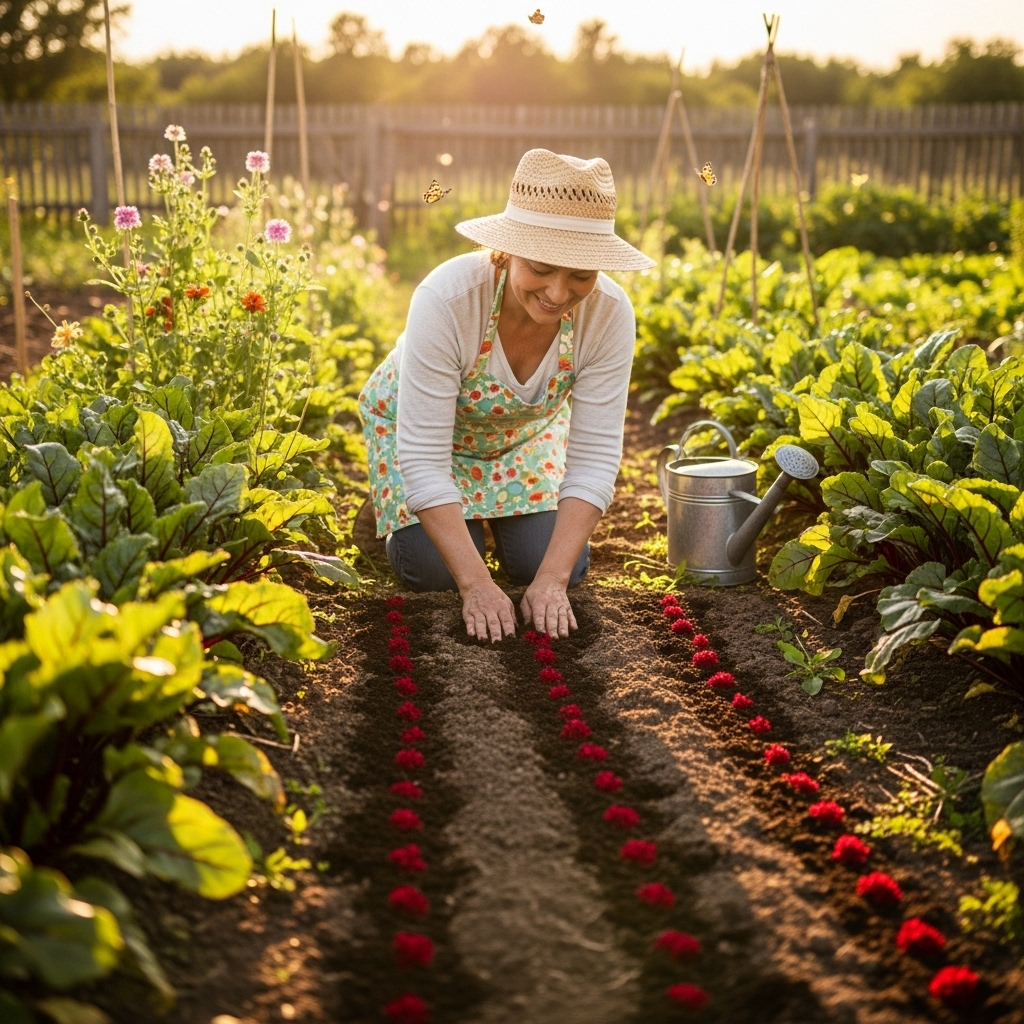
For sowing, I typically plant the seeds about half an inch deep and one to two inches apart. I remember the first time I planted them too close together, thinking they’d compete and grow larger. Instead, I ended up with smaller, overcrowded roots that weren’t nearly as satisfying. Now, I space them out properly and thin them later if needed. This ensures each beet has enough room to grow to its full potential.
Spacing and Depth Guidelines
Consistent spacing is vital for healthy beet growth. I usually follow the guideline of spacing the seeds one to two inches apart in rows that are twelve to eighteen inches apart. This allows for good airflow and sunlight exposure, which I’ve found helps prevent diseases and promotes healthy foliage. Plus, when it comes time to harvest, this spacing makes it much easier to pull the beets out of the ground.
Direct Seeding vs. Transplanting
While I’ve heard some gardeners have success with transplanting beets, I prefer direct seeding. Beets have taproots that don’t respond well to being moved once they’ve started growing. I’ve tried transplanting them in the past, but I found that they often didn’t thrive as well as those sown directly into the soil. Direct seeding allows the plants to establish themselves right where they will grow, leading to stronger roots and healthier plants overall.
Over the years, I’ve come to appreciate this direct approach, feeling more connected to the process of nurturing these vibrant root vegetables from seed to harvest. Whether I’m planting in spring or late summer, it’s always a rewarding experience, and I can’t wait to see how my beets will flourish this season! Read Interesting article: Starting Seeds vs. Buying Transplants: Making the Right Choice
Watering and Care During Growth
Once I’ve planted my beets, the next crucial step is ensuring they receive the right amount of water and care as they grow. I can’t stress enough how important proper watering is for achieving those big, juicy roots. Over the years, I’ve learned a few key practices that have made a noticeable difference in my beet harvests.
Watering Requirements for Beets
Beets need consistent moisture to thrive, especially during their early growth stages. I aim to provide about an inch of water per week, either from rainfall or my watering efforts. I remember my first summer trying to grow beets; I didn’t realize how critical this was and ended up with stunted, dry roots. Now, I check the soil regularly, sticking my finger in about an inch deep to feel for moisture. If it feels dry, I know it’s time to water.
One technique I’ve found helpful is watering deeply but less frequently. This encourages the roots to grow deeper into the soil, making them more resilient. I typically use a soaker hose or drip irrigation, which saves time and ensures that the water reaches the root zone without overly wetting the leaves. Wet foliage can lead to diseases, something I learned the hard way after experiencing some unfortunate fungal issues.
Mulching and Weed Control
Another essential part of caring for my beets is managing weeds. I’ve learned that weeds compete for nutrients and water, which can stunt beet growth. I usually apply a layer of organic mulch, like straw or shredded leaves, around my beet plants. Not only does this help suppress weeds, but it also retains soil moisture and moderates temperature fluctuations.
In my experience, mulching can also prevent soil erosion and keep the soil ecosystem healthy. I remember a time when I didn’t mulch and ended up spending hours pulling weeds instead of enjoying my garden. Now, I try to be proactive, putting down mulch right after planting. It saves me effort later and creates a more conducive environment for my beets to flourish.
Pest and Disease Management
As my beets grow, I keep an eye out for any signs of pests or diseases. I’ve learned that several common pests, like aphids and beetles, can wreak havoc on my plants if I’m not vigilant. I often use companion planting as a natural deterrent. For instance, I love planting marigolds nearby, as they attract beneficial insects that help keep pests at bay.
If I notice any pests, I act quickly. I’ve had success with homemade insecticidal soap made from dish soap and water, which I spray on the affected plants. It’s gentle yet effective. I keep an eye out for signs of disease, too. Fungal infections can sometimes be a problem, especially if I’ve been too generous with watering. I’ve learned to provide good airflow around the plants and avoid overhead watering to help prevent this.
Regularly inspecting my plants has become part of my routine. I often find small issues before they turn into big problems, which ultimately saves my beets and my sanity! Keeping my garden healthy requires a little forethought, but I’ve found that it pays off well in the long run.
Harvesting Beets for Maximum Size
After nurturing my beets through their growth, the time finally comes to harvest them. This is one of my favorite parts of gardening! I’ve learned that knowing when and how to harvest can significantly impact the flavor and size of my beets.
Signs of Ready-to-Harvest Beets
It’s always exciting to see the tops of my beets peeking out of the soil. Generally, I’ve found that beets are ready to harvest when they reach about one to three inches in diameter. I usually gently scratch the surface of the soil to see how big they are, and if they seem ready, I pull one out to check its size. I remember the first time I harvested beets that were too small—what a letdown! Now, I’ve become more patient and wait for that perfect size.
Another indicator is the leaves. When the leaves start to turn yellow or look a bit wilted, it’s a sign that the beet roots are maturing. I’ve also learned that if I leave them in the ground too long, they can become woody or overly tough. Timing is key, and I’ve found that harvesting them while they’re still tender is essential for the best flavor.
Proper Harvesting Techniques
When it comes to harvesting, I’ve discovered that pulling them out gently is crucial. I typically use a garden fork to loosen the soil around the roots before pulling them out by their tops. This way, I avoid breaking the roots, which can happen if I’m too rough. I remember my first attempt at harvesting where I ended up with a few broken beets—what a disappointment! Now, I take my time, and the results are well worth the effort.
After harvesting, I try to remove the tops without damaging the root itself. Leaving a couple of inches of the stem helps prevent bleeding and preserves their freshness. I wash them gently to remove any soil, and then I’m ready to enjoy the fruits of my labor! Read Interesting article: How to Plant, Grow, and Care for Tulip Flowers
Frequently Asked Questions
What are the nutritional benefits of beets?
Beets are rich in folate, vitamin C, potassium, and manganese. They are also high in dietary nitrates, which can help lower blood pressure and improve exercise performance, making them a nutritious addition to any diet.
What are some common culinary uses for beets?
Beets can be used in salads, soups, desserts, roasted with olive oil, pickled, juiced, or blended into smoothies. They can also be used in baking, such as in brownies and cakes, to add moisture and sweetness.
Which beet varieties are recommended for growing big roots?
The ‘Cylindra’ variety is recommended for its long and cylindrical shape, while ‘Lutz Green Leaf’ is known for its large roots and excellent storage qualities.
What type of soil is best for planting beets?
Beets thrive in well-draining, loose soil, ideally sandy loam or loamy soil rich in organic matter. Adding compost improves soil structure and provides essential nutrients.
What is the optimal pH level for beet growth?
Beets thrive in slightly acidic to neutral soil with a pH of around 6.0 to 7.0. Testing soil pH and adjusting it with lime or sulfur as needed is essential for nutrient availability.
When is the best time to plant beets?
The best times to plant beets are in early spring and late summer. Be sure to sow seeds about two to four weeks before the last expected frost in spring or six to eight weeks before the first expected frost in fall.
How should beets be spaced when planting?
Beet seeds should be spaced one to two inches apart in rows that are twelve to eighteen inches apart to allow for good airflow and sunlight exposure, promoting healthy growth.
How much water do beets need during their growth?
Beets need about an inch of water per week, either from rainfall or manual watering. It’s important to provide consistent moisture, especially during early growth stages.
What are some common pests and diseases that affect beets?
Common pests include aphids and beetles. Fungal infections can occur if plants are overwatered. Companion planting and homemade insecticidal soap can help manage pests and diseases.
How can you tell when beets are ready to harvest?
Beets are ready to harvest when they reach about one to three inches in diameter, and the leaves start to turn yellow or wilt. It’s important to harvest them while they’re still tender for the best flavor.