
To achieve a high yield when planting bell peppers, it’s essential to select the right variety, prepare your soil adequately, and follow proper planting techniques. From my experience, a bit of attention to detail can make a significant difference in your harvest. Read Interesting article: When to Plant: Beginner Guide for Every Season
Understanding Bell Peppers
When I first started gardening, I was amazed by the variety of bell peppers available. Understanding these variations not only piqued my interest but also played a crucial role in maximizing my yield.
Types of Bell Peppers
Bell peppers come in various colors, including green, red, yellow, and orange, each with its own unique flavor and culinary uses. I’ve found that green bell peppers are harvested before they fully ripen, while the red, yellow, and orange varieties are simply ripened versions of the same fruit. It’s like witnessing a transformation right before my eyes!
I also discovered that beyond color, there are different types of bell peppers, such as sweet and heirloom varieties. Sweet peppers are fantastic for fresh salads or stuffing, while heirlooms, with their rich flavors and diverse shapes, bring a unique touch to any dish. For high yields, I recommend starting with hybrids, which have been bred for robust growth and disease resistance. Read Interesting article: What Are Nightshade Plants? List + Examples
Health Benefits of Bell Peppers
Not only are bell peppers delicious, but they are also packed with nutrients. I remember my surprise when I learned that bell peppers are a great source of vitamins A and C, which are essential for immune health. They are also rich in antioxidants, which can help reduce inflammation and improve overall health.
Incorporating bell peppers into our diet is an easy way to boost our nutrition. I often toss them into stir-fries and salads, knowing they offer both taste and health benefits.
Common Varieties for High Yield
When aiming for a high yield, I’ve found that certain varieties outperform others. For example, ‘California Wonder’ is a classic choice for many gardeners, known for its heavy fruit set and adaptability. Another favorite of mine is ‘Early Bell,’ which matures quickly and provides a good yield even in shorter growing seasons.
I also recommend trying ‘Yolo Wonder’ and ‘King of the North.’ Both varieties are renowned for their resistance to diseases and pests, which can save you a lot of headaches later on. By choosing these reliable varieties, I feel more confident that my efforts will result in a bountiful harvest.
Preparing for Planting
Before diving into the planting process, proper preparation is key. I’ve learned that taking time to set the stage will pay off in the long run.
Choosing the Right Location
Finding the perfect spot for your bell peppers is crucial. They thrive in full sun, so I always look for a location that receives at least six to eight hours of sunlight per day. I remember the first year I planted them in a partially shaded area; the yield was disappointing!
Additionally, I recommend considering wind protection. Bell peppers can be sensitive to strong winds, which can damage the plants or cause them to topple over. If you have a spot that’s naturally shielded by trees or buildings, it might be the ideal place to cultivate your peppers.
Soil Requirements
The right soil can make a world of difference in your bell pepper yield. I’ve found that they prefer well-drained, loamy soil rich in organic matter. A soil composition that’s too clay-heavy can lead to poor drainage, which is something I learned the hard way.
I also pay attention to the texture of the soil. Fine soil particles hold moisture better, while coarser particles improve drainage. Striking a balance is essential for healthy growth.
Testing Soil pH
One of the first things I do before planting is test the soil pH. Bell peppers prefer a slightly acidic to neutral pH level, ideally between 6.0 and 6.8. I remember the first time I tested my garden soil; it was a game-changer!
You can easily purchase a soil testing kit at your local garden center or send a sample to a lab. If the pH is too low or high, there are simple ways to amend it. For instance, adding lime can raise pH, while sulfur can lower it. Getting this right will help ensure that your plants can absorb nutrients effectively.
Improving Soil Quality
After testing, if I find my soil lacking, I don’t hesitate to improve its quality. Adding organic matter, such as compost or well-rotted manure, enhances the soil’s fertility and structure. This not only provides essential nutrients but also promotes beneficial microorganisms that help plants thrive.
I also like to use mulch to retain moisture and suppress weeds. Organic mulches like straw or shredded leaves can break down over time, further enriching the soil.
With everything ready, I’ve learned that taking these preparatory steps can significantly increase the chances of a successful and high-yielding bell pepper crop.
When to Plant Bell Peppers
Timing is crucial when it comes to planting bell peppers. I’ve learned from experience that planting at the right time can make all the difference in achieving a bountiful harvest.
Understanding Frost Dates
One of the first things I consider is my area’s last frost date. Bell peppers are sensitive to cold and can be damaged by even a light frost. I remember my early gardening days when I planted too soon and lost my seedlings to unexpected cold snaps. Now, I make it a point to check local frost date calendars, which can often be found online or through local agricultural extensions.
In general, I wait until the last frost date has passed, and I also keep an eye on the weather reports. For most regions, this means planting bell peppers in late spring. My rule of thumb is to wait until nighttime temperatures consistently stay above 50°F (10°C) before I plant.
Best Time for Starting Seeds Indoors
I’ve found that starting seeds indoors can give my bell peppers a head start. Depending on my area, I usually start seeds about 8 to 10 weeks before the last expected frost date. This way, I can get a jump on the growing season.
I remember the first time I started my seeds indoors; I used seed trays and a grow light. Watching those tiny sprouts emerge filled me with hope. Keeping the soil moist but not soggy was key, and I learned that a heat mat can help maintain consistent warmth, promoting germination.
Once the seedlings reach about 3 to 4 inches tall and have a couple of sets of true leaves, I start thinking about hardening them off. This process involves gradually exposing them to outdoor conditions to help them acclimate, which is something I recommend to anyone who wants to ensure their plants thrive after transplanting.
Transplanting Outdoors
Transplanting is an exciting part of the process for me. When the weather is right and my seedlings are ready, I carefully transplant them into the garden. I make sure to do this on a cloudy day or in the late afternoon to reduce stress on the plants.
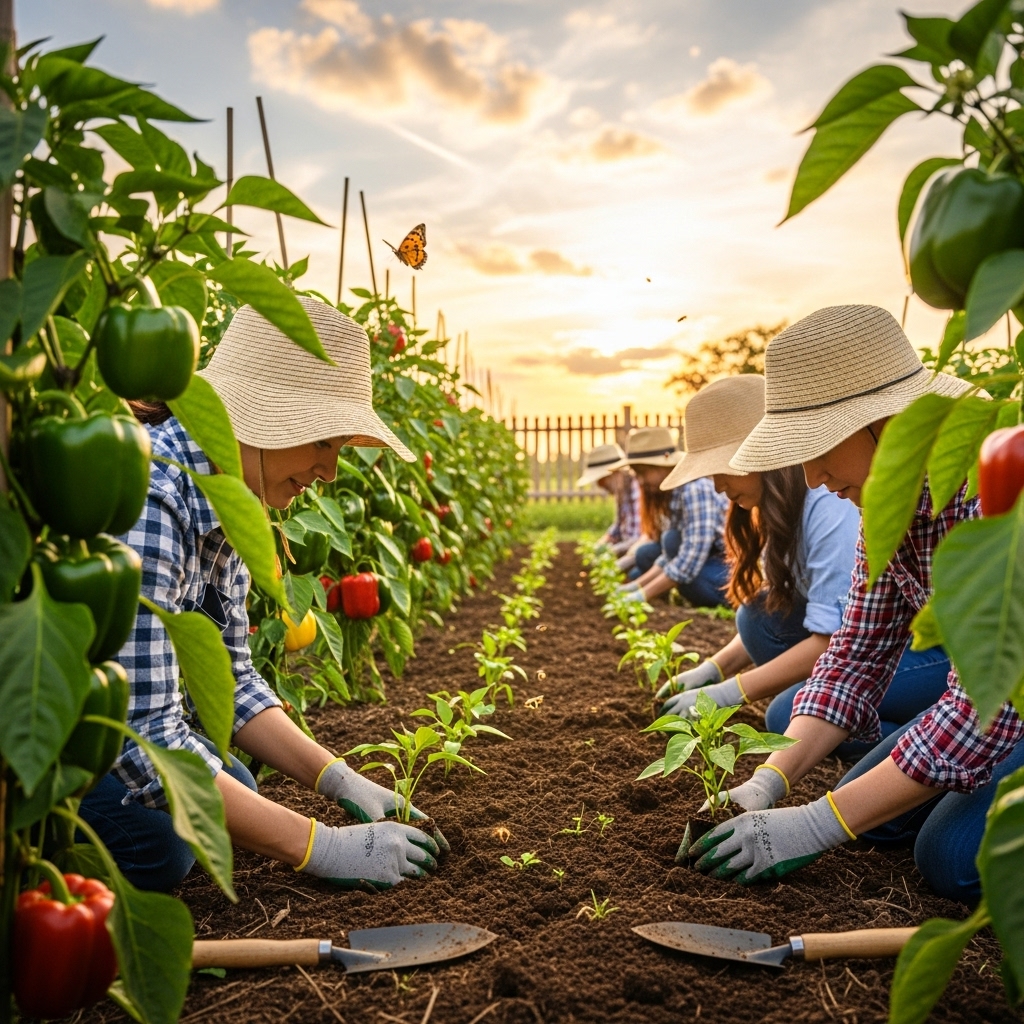
I dig holes that are slightly larger than the root balls of my seedlings, ensuring I can place them deep enough so that the lower leaves are just above the soil surface. This helps the plants develop a robust root system. As I plant each seedling, I gently loosen the roots to encourage growth, which has worked wonders for me in the past.
After transplanting, I give them a good watering to help settle the soil around the roots. I find that this initial watering is crucial for getting them established, especially in the first week after planting.
Planting Techniques for High Yield
Now that my bell peppers are planted, I focus on the techniques that will help me achieve a high yield. From my experience, small adjustments can lead to big results.
Seed Starting Indoors
When I start seeds indoors, I use seed starting mix instead of regular potting soil. This mix is lighter and allows for better drainage, which is essential for young seedlings. I fill my trays or pots, plant the seeds at the recommended depth, and cover them lightly.
I’ve learned that keeping my seedlings in a warm location, like on top of the refrigerator or near a sunny window, promotes faster growth. I also check moisture levels daily, ensuring that they stay damp but not waterlogged.
Transplanting Seedlings
Transplanting seedlings can be a nervous time, but I’ve learned to embrace the process. I use a small gardening trowel to gently lift the seedlings out of their trays. Handling them by their leaves rather than the stems prevents damage.
I like to transplant when the seedlings are about 6-8 weeks old and strong enough to handle the move. I’ve found that the more care I take during this process, the better my plants perform.
Spacing and Planting Depth
Spacing is something I used to overlook, but now I know how vital it is for plant health. I typically space my bell peppers about 18 to 24 inches apart in rows that are 24 to 36 inches apart. This gives them enough room to grow and allows for good air circulation, which helps prevent diseases.
As for planting depth, I’ve learned to bury the seedlings deeper than they were in their pots. This encourages the development of additional roots along the buried stem, which strengthens the plant and boosts its overall yield potential.
Companion Planting for Bell Peppers
I love experimenting with companion planting, and I’ve found that certain plants can benefit my bell peppers. For instance, planting basil nearby not only enhances the flavor of the peppers but also can deter pests. Additionally, marigolds are excellent companions; they attract beneficial insects and keep harmful ones at bay.
I also try to avoid planting bell peppers near plants that compete for nutrients or attract pests, like potatoes. This helps ensure that my bell peppers can thrive without unnecessary competition.
These planting techniques have transformed my bell pepper gardening experience, and I feel more confident knowing I’m taking all the right steps to ensure a high yield.
Watering and Fertilization
Watering and fertilization are two critical components of bell pepper cultivation that I’ve learned can make or break my harvest. Striking the right balance is vital for promoting healthy growth and maximizing yield.
Watering Schedule for Bell Peppers
I’ve discovered that bell peppers need consistent moisture to thrive, but they also don’t like to sit in waterlogged soil. When watering, I aim for deep, infrequent watering sessions rather than shallow, frequent ones. This encourages the roots to grow deeper, which I’ve found makes the plants more resilient.
Typically, I water my bell peppers about once a week, but this can change depending on the weather. On hotter days, I might increase the frequency. I also keep an eye on the soil moisture by sticking my finger about an inch into the soil. If it feels dry at that depth, it’s time to water.
I’ve also learned that watering in the morning is best. This allows the plants to absorb moisture before the heat of the day sets in, and it reduces the risk of fungal diseases that can occur from wet leaves at night.
Types of Fertilizers
When it comes to fertilization, I’ve found that the type of fertilizer I choose can significantly affect my bell pepper yield. I usually opt for a balanced fertilizer that contains equal parts nitrogen, phosphorus, and potassium—often labeled as 10-10-10. This balanced approach supports overall growth and helps produce robust fruits.
As the plants grow, I also like to provide a boost with a fertilizer higher in potassium, especially as the peppers begin to form. Potassium promotes fruit development and enhances flavor, which is something I always strive for in my garden.
Organic vs. Chemical Fertilizers
Throughout my gardening journey, I’ve explored both organic and chemical fertilizers. I tend to lean towards organic options when possible, as I believe they are better for the environment and improve soil health in the long run. Compost, well-rotted manure, and organic granular fertilizers have become staples in my garden.
However, I also recognize that chemical fertilizers can offer quick results, especially if my plants are showing signs of deficiency. In my experience, the key is to find a balance and to be mindful of how much I’m applying. Over-fertilization can lead to lush foliage but poor fruit production, which is something I’ve learned the hard way.
For me, the ideal approach is to use organic fertilizers to build up the soil health and use chemical fertilizers sparingly when I notice specific nutrient deficiencies. This combination has worked wonders in keeping my bell peppers healthy and productive.
Pest and Disease Management
Despite my best efforts, my garden hasn’t been immune to pests and diseases. Over the years, I’ve learned to stay vigilant and proactive in managing these threats to ensure a successful bell pepper harvest.
Common Pests Affecting Bell Peppers
Bell peppers can attract various pests, including aphids, spider mites, and cutworms. I vividly remember the first time I encountered aphids on my plants. They multiplied quickly, and I had to act fast to save my peppers! Now, I regularly inspect my plants for any signs of pests.
One effective method I’ve found is to encourage beneficial insects like ladybugs, which are natural predators of aphids. I’ve also planted flowers like marigolds to attract these helpful bugs to my garden. Read Interesting article: Does Capsaicin Keep Bugs Off Plants? Truth Explained
Diseases to Watch Out For
In addition to pests, diseases can pose a significant threat to bell peppers. Two common diseases I watch for are blossom end rot and fungal infections like powdery mildew. Blossom end rot, which causes the bottoms of peppers to rot, is often a sign of calcium deficiency or inconsistent watering. I’ve learned to maintain steady moisture levels and add lime to my soil to combat this issue.
Fungal infections can be more challenging to manage. I’ve found that proper air circulation and avoiding overhead watering help prevent outbreaks. If I do notice powdery mildew, I act quickly with an organic fungicide or a mixture of water and baking soda, which has proven effective in my case.
Organic Pest Control Methods
When it comes to pest control, I prefer to use organic methods whenever possible. I often make my own insecticidal soap by mixing water with a few drops of dish soap, which can be effective against soft-bodied insects like aphids.
I also like to use neem oil, derived from the seeds of the neem tree, which acts as a natural pesticide. I remember the first time I applied it; I was amazed at how quickly it worked to control pests without harming beneficial insects.
Learning to manage pests and diseases organically has made my gardening experience more rewarding. It feels good to know that I’m growing my bell peppers in a way that’s healthier for both my family and the environment.
Harvesting Bell Peppers
After all the hard work and dedication, the time comes to reap the rewards of our labor. Harvesting bell peppers is one of my favorite parts of the gardening process, and I’ve learned a few tips that ensure I get the best flavor and quality.
When to Harvest for Optimal Flavor
Timing my harvest is crucial. I’ve learned that bell peppers can be picked at any stage of ripeness, but for the best flavor, I prefer to wait until they reach full maturity. For me, green peppers are ready about 70 days after planting, while red, yellow, and orange varieties need a bit longer to develop their sweetness.
I often check for firmness and color. If the peppers feel solid and have a glossy sheen, they’re usually ready to be picked. I remember the first time I harvested a ripe red pepper; the flavor was so much sweeter than the green ones, and it was a delightful surprise!
How to Harvest Bell Peppers
When it’s time to harvest, I take care to cut the peppers rather than pulling them off the plant. Using a sharp pair of garden shears or scissors, I snip the stem about an inch above the pepper. This technique prevents damage to the plant and encourages more growth.
I also make sure to wear gloves, especially if I’m harvesting a large batch. The oils from the peppers can irritate my skin, so I find it’s best to protect myself while enjoying the process.
Storing Bell Peppers After Harvest
Once harvested, I’ve learned that proper storage can keep my bell peppers fresh for longer. I typically place them in a breathable bag or container in the refrigerator, which helps maintain their crunch and flavor.
I’ve also discovered that they can be frozen for later use. After washing and cutting them into slices, I blanch them for a couple of minutes and then store them in freezer bags. This way, I can enjoy the taste of my homegrown peppers even in the off-season.
Through all these steps—from planting to harvesting—I’ve realized that gardening requires patience and dedication. But the joy of growing and enjoying my bell peppers is absolutely worth the effort.
Frequently Asked Questions
What are the different types of bell peppers?
Bell peppers come in various colors, including green, red, yellow, and orange, each with its own unique flavor and culinary uses. Additionally, there are sweet and heirloom varieties, with hybrids being recommended for high yields due to their robust growth and disease resistance.
What are the health benefits of bell peppers?
Bell peppers are a great source of vitamins A and C, essential for immune health, and are rich in antioxidants that can help reduce inflammation and improve overall health.
What soil conditions do bell peppers prefer?
Bell peppers prefer well-drained, loamy soil rich in organic matter. They thrive in slightly acidic to neutral pH levels, ideally between 6.0 and 6.8.
When is the best time to plant bell peppers?
The best time to plant bell peppers is after the last frost date has passed and when nighttime temperatures consistently stay above 50°F (10°C), typically in late spring.
How should I space my bell pepper plants?
Bell peppers should be spaced about 18 to 24 inches apart in rows that are 24 to 36 inches apart to allow for adequate growth and air circulation.
What is the recommended watering schedule for bell peppers?
Bell peppers need consistent moisture and should be watered deeply but infrequently, typically about once a week, adjusting for weather conditions.
What type of fertilizer is best for bell peppers?
A balanced fertilizer containing equal parts nitrogen, phosphorus, and potassium (often labeled as 10-10-10) is recommended for overall growth, with a higher potassium fertilizer beneficial during fruit development.
What pests commonly affect bell peppers?
Common pests affecting bell peppers include aphids, spider mites, and cutworms. It’s important to regularly inspect plants for signs of these pests.
How can I tell when bell peppers are ready to harvest?
Bell peppers can be harvested at any stage, but for the best flavor, it’s recommended to wait until they reach full maturity, checking for firmness and a glossy sheen.
How should I store bell peppers after harvesting?
After harvesting, bell peppers should be placed in a breathable bag or container in the refrigerator to maintain freshness. They can also be frozen for later use after washing, cutting, and blanching.