
To plant blueberries for high yield, choose the right varieties, prepare your soil, and ensure proper sunlight and drainage. I’ve found that a little preparation goes a long way in maximizing blueberry production in my garden. Read Interesting article: How to Plant Blueberries for Maximum Fruit
Understanding Blueberries: Varieties and Benefits
Blueberries are not just delicious; they are also packed with nutrients and can thrive in home gardens with some planning. When I first started my blueberry garden, I was surprised by the variety available and how each type can contribute to my garden’s overall yield.
Popular Blueberry Varieties
There are several popular blueberry varieties to consider, each with its unique characteristics. The most common are:
- Highbush Blueberries: These are the most widely grown types in North America, known for their tall bushes and sweet berries. Varieties like ‘Bluecrop’ and ‘Legacy’ provide high yields and are quite hardy.
- Lowbush Blueberries: Often found in wild settings, these smaller bushes produce smaller berries but are highly flavorful. They are perfect for naturalizing a garden area.
- Rabbiteye Blueberries: Native to the southeastern United States, these blueberries are well-suited for warmer climates. Varieties such as ‘Climax’ and ‘Premier’ thrive in heat and are known for their large fruit.
When choosing a variety, I recommend considering your local climate and space. Highbush varieties generally require more care, but they produce larger fruits, while lowbush varieties are more resilient and require less maintenance.
Health Benefits of Blueberries
Not only are blueberries tasty, but they are also a superfood! I remember my first bite of fresh blueberries right off the bush; it was a game-changer. They are rich in vitamins C and K, fiber, and antioxidants, which can help reduce inflammation and lower the risk of chronic diseases. Including these little gems in your diet can improve heart health, brain function, and even boost your mood.
Additionally, I love knowing that I’m not just growing a delicious fruit but also contributing to a healthier lifestyle. You can enjoy them fresh, in smoothies, or even baked into desserts. The possibilities are endless!
Planning Your Blueberry Garden
Once you’ve decided on the variety of blueberries to plant, it’s time to start planning your garden. I found that the initial planning phase is crucial for a successful yield later on.
Choosing the Right Location
The location of your blueberry plants is vital. Blueberries thrive in areas with good air circulation and protection from strong winds. I’ve learned that planting them near a fence or hedge can offer some protection while ensuring they still get plenty of sunlight. Ideally, choose a spot that receives full sun for at least six to eight hours a day.
If you’re unsure, I recommend observing how the sunlight moves across your yard throughout the day. I used to underestimate how much shade would impact fruit production, but once I found the perfect sunny spot, my blueberry yield improved significantly. Read Interesting article: What Plant Zone Am I In? Find Your Hardiness Zone
Soil Requirements for Blueberries
Blueberries prefer acidic soil, with a pH ranging between 4.5 and 5.5. I realized the importance of soil acidity when my first batch of blueberries didn’t produce much fruit. Testing your soil can help you understand how to amend it properly.
I usually recommend using sphagnum peat moss or pine bark to lower the pH if your soil is too alkaline. It’s worth the effort! Many garden centers sell pH testing kits, which I find very handy. You can also send a sample to a local agricultural extension office for more detailed analysis.
Sunlight and Drainage Needs
Proper sunlight is essential, but so is drainage. Blueberries don’t like their roots to sit in water, which can lead to root rot. I learned early on that planting in raised beds can provide better drainage, especially in areas with heavy clay soil.
If you’re not into raised beds, consider creating mounds or rows that are slightly elevated. Adding organic matter like compost can also improve drainage. I often mix in some sand to ensure my blueberry plants are happy in their new home.
With a little thought and preparation, you can create an ideal environment for your blueberries. It’s all about setting the stage for success, and I find that the effort I put into planning pays off when it’s time to harvest those sweet berries!
When to Plant Blueberries
Timing is everything in gardening, and when it comes to planting blueberries, I’ve learned that knowing when to plant can make a world of difference in their success.
Best Time of Year for Planting
In my experience, the best time to plant blueberries is in early spring or late fall. Spring planting allows the plants to establish their roots before the heat of summer sets in. I remember the first time I tried planting in late spring; it felt like I was racing against the clock to keep my new plants hydrated during the hottest months.
By planting in early spring, around March or April, I’ve noticed that the plants have more time to settle in and develop strong root systems before they start producing fruit. If you live in a milder climate, fall can be a great time too. Just make sure to plant at least six weeks before the first frost. Planting in the fall allows the plants to establish themselves while they’re still dormant, which can lead to a head start in the spring.
Climate Considerations
I’ve found that climate plays a significant role in determining when to plant. Blueberries thrive in temperate climates but can also grow in a range of conditions. I remember visiting a friend in a warmer region where they successfully grew rabbiteye blueberries, which made me realize the importance of selecting a variety suited to my local climate.
If you live in an area with harsh winters, late fall planting might not be the best option. Instead, opt for early spring. Conversely, in warmer areas, I’ve seen people successfully plant in the fall and achieve fantastic results. Always consider the specific variety you choose and its adaptability to local conditions.
When planting, I also recommend keeping an eye on the temperature. If your area tends to warm up quickly in spring, you might want to plant a bit earlier to take advantage of the cooler soil temperatures, which can help encourage root growth.
Preparing for Planting
Once I’ve settled on the timing, the next step is to prepare for planting. This phase is just as crucial as choosing your variety.
Soil Testing and Amendments
Getting the soil right is foundational. I can’t stress enough how important it is to test your soil before planting. I remember when I didn’t test my soil the first time; the blueberries struggled, and I was left scratching my head.
Testing allows you to understand the pH and nutrient levels in your soil. If your soil is too alkaline, as I learned, you’ll need to amend it to create the acidic environment blueberries love. I usually recommend adding sulfur or iron sulfate to lower the pH.
After testing, I also take the time to enrich my soil with organic matter. Compost is my go-to because it not only improves soil structure but adds nutrients as well. I often mix in some well-rotted manure or worm castings, which have worked wonders for my plants.
Choosing Quality Blueberry Plants
Selecting the right plants is just as important as preparing the soil. When I first ventured into blueberry gardening, I made the mistake of selecting the cheapest plants available. Trust me, it’s worth investing in high-quality plants from a reputable nursery.
I suggest looking for plants that are at least 1-2 years old and have a healthy root system. When I buy my plants, I inspect them closely for any signs of disease or pests. Healthy leaves and sturdy branches are good indicators of quality.
Additionally, I’ve learned that purchasing multiple varieties can enhance pollination, leading to better yields. Each variety has its flowering time, so having a mix ensures that there’s always something in bloom when the bees are buzzing around.
With the right timing, soil preparation, and plant selection, I’ve found that the journey to growing blueberries becomes an enjoyable adventure rather than a daunting task. I often remind myself that the effort I put in now will pay off tenfold when I’m harvesting juicy, fresh blueberries in the summer!
Step-by-Step Guide to Planting Blueberries
Now that we’ve covered the groundwork, let’s get into the nitty-gritty of actually planting those blueberries.
Spacing and Layout
When I started planting blueberries, I quickly realized that spacing was an important factor I needed to pay attention to. Blueberries can grow quite large, and overcrowding can lead to poor air circulation and disease. I usually recommend spacing highbush varieties about 4 to 5 feet apart, while lowbush varieties can be planted a bit closer at about 2 to 3 feet apart.
I often lay out a plan before diving in. Using a garden stake, I mark where each plant will go. This helps me visualize how they’ll grow over time without competing for resources. Plus, it keeps my garden looking tidy!
How to Dig the Proper Hole
Digging the right hole might seem simple, but I’ve learned that the size and shape of the hole can significantly impact the plant’s growth. I usually dig a hole that’s about twice the width of the root ball and just as deep. This allows the roots to spread out comfortably.
I like to loosen the soil at the bottom of the hole as well. This gives the roots a better chance to break through any compacted soil and helps them establish faster.
Planting Techniques
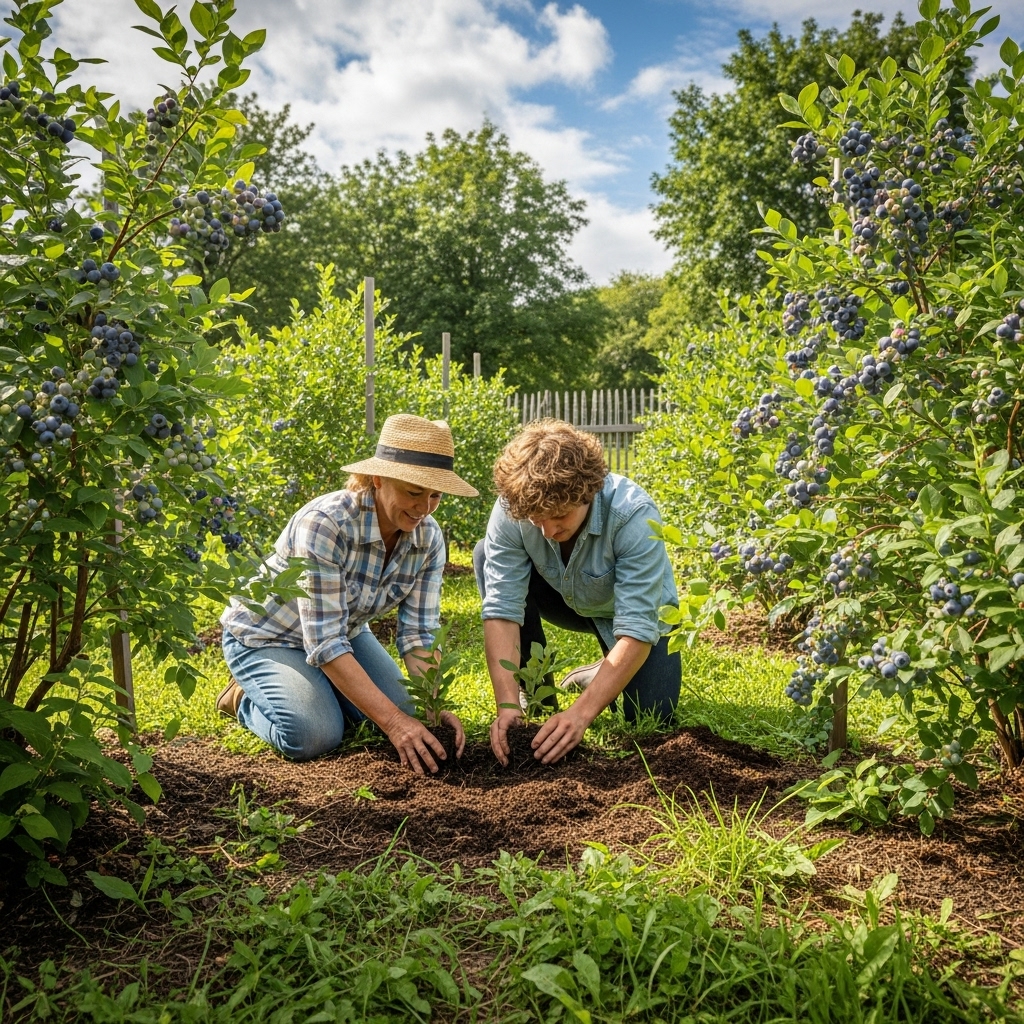
Now comes the fun part—getting those plants into the ground! I typically place the plant in the center of the hole, making sure that the top of the root ball is level with the surrounding soil. I’ve made the mistake of planting too deep before, leading to root rot, so I keep a close eye on the depth.
After positioning the plant, I fill the hole with a mix of the native soil and some organic matter. Gently tamping down the soil ensures that there are no air pockets, which can hinder root growth. Finally, I give the plant a good drink of water to help it settle in.
Taking these steps helps me feel confident that I’ve set my blueberries up for a successful start. As I watch them grow, it’s rewarding to know that the effort I’ve put into planting will yield delicious fruits down the line!
Watering and Fertilization
I can’t stress enough how crucial proper watering and fertilization are when it comes to growing blueberries. I learned the hard way that getting this right can make all the difference in the health and productivity of the plants.
Watering Guidelines for Blueberries
Blueberries require consistent moisture, but they don’t like to be waterlogged. I remember the first summer I planted my blueberries; I was so excited that I overwatered them, thinking they needed a lot of water to thrive. Instead, I ended up with some root rot issues that set my plants back.
Now, I’ve got a routine. I usually aim to water my blueberry bushes deeply about once a week, adjusting based on rainfall and temperature. If the soil feels dry an inch or two down, it’s time to give them a drink. I find that using a soaker hose or drip irrigation helps deliver moisture directly to the root zone without saturating the foliage, which can lead to other issues.
It’s also worth noting that blueberries generally need more water during their fruiting season. Watching the fruits develop and swell is one of my favorite parts of gardening, and I make sure they have enough moisture during this critical time. If I notice the leaves wilting or turning a dull color, it’s usually a hint that they need a bit more attention.
Best Fertilizers for High Yield
Choosing the right fertilizer is another critical aspect of blueberry care. I learned that blueberries thrive on acidic fertilizers—something I didn’t know when I first started. Over the years, I’ve experimented with various fertilizers, but I’ve consistently found that those designed for acid-loving plants yield the best results.
In my garden, I typically use a fertilizer specifically formulated for blueberries, which has a balanced mix of nitrogen, phosphorus, and potassium, along with the necessary micronutrients. I usually apply it in early spring as the plants start to wake up from their winter dormancy. It’s exciting to see them perk up after a good feeding!
I also like to add a layer of organic mulch around my bushes. Pine needles or wood chips not only help retain moisture but also slowly break down to provide additional nutrients. This combination of organic matter and tailored fertilizer gives my plants a solid boost.
It’s essential to follow the recommended guidelines on the fertilizer packaging, though. I’ve learned that over-fertilizing can lead to lush foliage at the expense of fruit production. Striking the right balance has been key for me in achieving a high yield.
Maintaining Your Blueberry Plants
Once the plants are in the ground and established, maintenance becomes an ongoing journey. I’ve found that spending a little time regularly caring for my blueberries pays off with abundant fruit.
Pruning Techniques for Optimal Growth
Pruning might seem intimidating at first, but I’ve come to enjoy it as part of my gardening routine. I remember how nervous I was the first time I pruned my blueberries, but I quickly learned that it’s essential for encouraging healthy growth and maximizing fruit production.
I typically prune my bushes in late winter or early spring, while they are still dormant. The goal is to remove dead or weak branches and to open up the center of the bush for better air circulation and light penetration. I’ve noticed that this not only helps with overall health but also leads to larger and sweeter berries.
For highbush varieties, I often aim to keep the height manageable, so I trim back the tallest branches. With lowbush varieties, I focus on maintaining a thick mat of stems to encourage more fruiting wood. I find that a little pruning goes a long way in keeping my bushes productive.
Pest and Disease Management
I’ve faced my share of pest problems, and I’ve learned that being vigilant in my garden helps keep these issues at bay. Blueberries can attract pests like aphids, spider mites, and fruit flies. In my case, I’ve found that regular inspections can help catch problems early.
When I notice pests, I often try to use organic methods first. Spraying a mixture of water and soap can be quite effective against soft-bodied insects like aphids. I also discovered that encouraging beneficial insects, like ladybugs, can help keep the bad guys in check.
Disease can also be a concern, especially if humidity levels are high. To minimize this risk, I ensure that my plants have plenty of air circulation and avoid watering the leaves. I’ve learned the hard way that wet foliage can lead to fungal infections, which can be challenging to manage.
If I spot any signs of disease, I take action quickly, whether by removing affected leaves or using organic treatments. The key is staying proactive and maintaining good garden hygiene.
Mulching and Weed Control
Mulching is something I’ve embraced wholeheartedly in my blueberry garden. A thick layer of mulch not only helps retain moisture but also suppresses weeds, which can compete with my blueberries for nutrients and water.
I usually apply a layer of pine bark or wood chips around my plants. It’s amazing how much cleaner my garden looks and how much easier it is to manage weeds when I keep that mulch in place. I find myself spending less time weeding and more time enjoying the fruits of my labor.
With these maintenance practices in place, I’ve seen my blueberry bushes flourish, producing abundant, delicious berries. It’s a rewarding experience that keeps me engaged in my gardening journey, and I’m excited to keep sharing my gardening adventures!
Frequently Asked Questions
What are the popular varieties of blueberries to plant?
The most popular varieties of blueberries include Highbush Blueberries, Lowbush Blueberries, and Rabbiteye Blueberries. Highbush varieties like ‘Bluecrop’ and ‘Legacy’ are widely grown in North America, while Lowbush blueberries produce smaller but flavorful berries. Rabbiteye blueberries are suited for warmer climates and include varieties such as ‘Climax’ and ‘Premier’.
What soil conditions do blueberries prefer?
Blueberries prefer acidic soil with a pH ranging between 4.5 and 5.5. It’s essential to test your soil and amend it with materials like sphagnum peat moss or pine bark if it is too alkaline.
How much sunlight do blueberries need?
Blueberries thrive in full sun, ideally receiving at least six to eight hours of sunlight a day. Choosing a location with good air circulation and protection from strong winds is also important.
When is the best time to plant blueberries?
The best time to plant blueberries is in early spring or late fall. Early spring planting allows the plants to establish roots before summer heat, while fall planting should be done at least six weeks before the first frost in milder climates.
How should I prepare the soil before planting blueberries?
Before planting, you should test the soil for pH and nutrient levels. It’s recommended to amend the soil with organic matter like compost and add sulfur or iron sulfate to lower pH if necessary.
What is the recommended spacing for planting blueberries?
For highbush varieties, it’s recommended to space them about 4 to 5 feet apart. Lowbush varieties can be planted closer, at about 2 to 3 feet apart.
How often should I water blueberry plants?
Blueberries require consistent moisture but should not be waterlogged. It’s generally recommended to water them deeply about once a week, adjusting based on rainfall and temperature, especially during the fruiting season.
What type of fertilizer is best for blueberries?
Blueberries thrive on acidic fertilizers formulated for acid-loving plants. A balanced mix of nitrogen, phosphorus, and potassium, along with micronutrients, is ideal. It’s best to apply fertilizer in early spring as the plants wake from dormancy.
How can I manage pests and diseases in my blueberry garden?
Regular inspections can help catch pest problems early. Using organic methods like spraying a mixture of water and soap can be effective against pests like aphids. Encouraging beneficial insects can also help. For diseases, ensuring good air circulation and avoiding wet foliage are crucial preventive measures.
What is the role of mulching in blueberry gardening?
Mulching helps retain moisture and suppress weeds that compete for nutrients and water. A thick layer of mulch, such as pine bark or wood chips, can keep the garden clean and reduce the need for weeding.