
The best way to plant blueberry bushes for maximum fruit is to select the right variety and ensure optimal growing conditions, including proper soil, sunlight, and water. I’ve found that with a little preparation and care, I can enjoy a bountiful harvest of delicious blueberries.
Understanding Blueberry Varieties
When I first decided to grow blueberries, one of the most exciting parts was learning about the different varieties. Each type of blueberry bush has unique characteristics, benefits, and growing requirements. Understanding these varieties can help us choose the best ones for our gardens, ensuring we get the most fruit possible.
Highbush Blueberries
Highbush blueberries are the most common variety found in home gardens and commercial farms. They can grow between 4 to 6 feet tall and produce large, sweet berries. I’ve learned that these bushes thrive in USDA hardiness zones 4 to 7, which makes them a great choice for many areas. They also tend to have a high yield, which is something I appreciate, especially when I want to enjoy fresh blueberries throughout the summer.
One thing to keep in mind about highbush blueberries is that they typically require cross-pollination to produce fruit effectively. So, planting more than one bush of different varieties can enhance their productivity. I remember when I planted two different highbush varieties side by side, and the difference in fruit production was noticeable. They really do help each other out!
Lowbush Blueberries
Lowbush blueberries are a bit different than their highbush counterparts. These bushes are shorter, usually only growing up to 2 feet tall, and tend to spread out more. I’ve found that they are generally more cold-hardy and can be found in USDA zones 3 to 6. However, they produce smaller berries than highbush varieties, but they are known for their intense flavor.
These bushes are often grown in wild areas or as ground cover. If you have a larger area in your garden or yard, incorporating lowbush blueberries can create a beautiful, edible landscape. Just remember that, like highbush blueberries, they also benefit from cross-pollination, so planting them in clusters is a good idea.
Rabbiteye Blueberries
Rabbiteye blueberries are another popular option, especially in the Southern United States. They can grow even taller than highbush blueberries, reaching up to 10 feet, and they are well adapted to warmer climates. After doing some research, I realized that Rabbiteyes are known for their resilience and ability to produce fruit even in less-than-ideal conditions.
What I found fascinating about Rabbiteye blueberries is that they require at least two different varieties for effective cross-pollination, just like the highbush types. However, they are generally more tolerant of drought and can thrive in various soil types. For anyone in a warmer climate, I highly recommend considering this variety for a robust blueberry harvest!
Optimal Growing Conditions
Choosing the right variety is just the beginning. Once I had my blueberry bushes selected, I realized that understanding the optimal growing conditions is crucial for ensuring a healthy and fruitful harvest. Blueberries have specific needs when it comes to soil, sunlight, and water, and meeting these needs can make a significant difference in their growth and production.
Soil Requirements
Blueberries thrive in acidic soil, with a pH level between 4.5 and 5.5. When I first planted my bushes, I took the time to test my soil pH, and I discovered it was slightly higher than what blueberries prefer. To amend this, I added sulfur to lower the pH, and I also mixed in some peat moss for good measure. I noticed a significant improvement in the health of my bushes afterward.
In addition to acidity, blueberries also prefer well-draining soil that is rich in organic matter. Incorporating compost into the planting area can create a nutrient-rich environment that encourages healthy growth. I often find myself adding organic matter to my garden beds, not just for the blueberries but for all my plants. It makes such a difference!
Sunlight and Temperature
Another essential factor is sunlight. Blueberries need full sun to produce the best fruit, ideally getting at least 6 to 8 hours of direct sunlight daily. I remember when I first started my garden, I placed my blueberry bushes in a partially shaded area, thinking they would be fine. Unfortunately, the berries were much smaller and produced less fruit than I expected. After moving them to a sunnier spot, the results were incredible!
Temperature is also a vital consideration. Blueberries require a certain number of chilling hours in winter to produce fruit successfully. For example, highbush blueberries need around 800 to 1,000 hours of chilling, while Rabbiteye blueberries need around 300 to 700 hours. I recommend checking your local climate and selecting varieties that are well-suited for your zone. When to Plant Blueberry Bushes for Best Growth can provide more insights on this topic.
Watering Needs
Watering is another critical aspect of growing blueberries. These plants prefer consistently moist soil but can’t tolerate standing water. I learned this lesson the hard way when I overwatered one season, leading to root rot and the loss of a bush. I now make it a point to monitor the soil moisture regularly and water my blueberries deeply, but less frequently.
As a general guideline, I try to ensure that my blueberry bushes receive about 1 to 2 inches of water per week, either through rainfall or supplemental watering. Using mulch around the base of the plants helps retain moisture and keeps the soil temperature stable, which I’ve found to be beneficial as well.
Choosing the Right Location
Finding the perfect spot for your blueberry bushes is just as important as selecting the right variety and ensuring optimal growing conditions. Over the years, I’ve discovered that the location can significantly impact the overall health and fruit production of my plants. Here are a few key factors to consider when choosing the right location for your blueberry bushes.
Sun Exposure
As I mentioned earlier, blueberries thrive in full sun, needing at least 6 to 8 hours of direct sunlight each day. I remember when I was scouting for the right spot in my yard; I kept an eye on how the sunlight moved across different areas. I found that the southern-facing parts of my garden received the most sun throughout the day. If you can find a location that basks in sunlight, it will reward you with sweeter and larger berries.
It’s also wise to keep away from areas shaded by trees or buildings, as this can hinder the growth of your bushes. In my case, I learned the hard way when I planted some bushes near a large oak tree. The tree’s roots absorbed much of the moisture, and the shade stunted the growth of my blueberries. After relocating them, they flourished!
Space for Growth
Blueberry bushes need room to grow, so it’s essential to consider their spread when selecting a location. Highbush blueberries can reach about 4 to 6 feet in height and width, while lowbush varieties are smaller but can spread out. I’ve noticed that giving my bushes ample space has allowed for better air circulation and less competition for nutrients and water.
When I first started, I planted my bushes too close together, thinking they would help each other out. Unfortunately, they ended up crowding each other and produced fewer fruits. Now, I always make sure to follow spacing guidelines, which also makes it easier to move around and maintain the plants. Generally, I try to allow at least 3 to 4 feet between each bush to ensure they have enough room to thrive.
Protection from Wind
Another aspect I’ve come to recognize is the need for wind protection. Blueberry bushes can be delicate, and strong winds can damage the branches and even knock off fruit. When I first planted my bushes, I didn’t pay much attention to wind exposure, and I faced quite a bit of fruit loss during a stormy season.
To protect against wind, consider planting your bushes near a fence, wall, or other natural windbreaks. Alternatively, you can also plant native shrubs or tall grasses around them to act as a buffer. I’ve found that this simple step has significantly improved the resilience of my bushes, allowing them to focus their energy on growing fruit instead of recovering from wind damage.
Preparing the Soil
Once I’ve chosen the right location for my blueberry bushes, preparing the soil is the next crucial step. Good soil preparation can set the stage for healthy growth and bountiful fruit production. Over the years, I’ve learned a few techniques that have worked wonders in my garden.
Testing Soil pH
Before planting, I always start by testing the soil pH. As I mentioned earlier, blueberries prefer acidic soil with a pH between 4.5 and 5.5. I found a simple soil testing kit at my local garden center, and it helped me determine the pH level in my garden. Testing the soil took just a few minutes, but it provided valuable information about the amendments I needed to make.
If your soil pH is too high, don’t worry—I’ve been there too! You can amend the soil to create a more suitable environment for your blueberries.
Amending Soil for Acidity
After testing the soil, I realized my garden was slightly too alkaline for blueberries. To lower the pH, I added elemental sulfur and mixed it into the soil, which worked well for me. I recommend following the instructions on the product for the right amount based on your soil test results.
Another option is to use pine needles or sawdust from pine trees, which naturally acidify the soil. I’ve started using these materials as mulch around my bushes, and I can already see the positive effects on my plants. It not only helps maintain soil acidity but also keeps the moisture levels just right.
Adding Organic Matter
Incorporating organic matter into the soil is another essential step. I love using compost because it improves soil structure, enhances drainage, and adds nutrients. When I first began, I was diligent about mixing in plenty of well-rotted compost before planting. It made a noticeable difference in how my bushes grew and produced fruit.
When preparing my blueberry beds, I typically aim for a mix of about one-third compost to two-thirds native soil. This combination helps create an optimal environment for my plants to establish strong roots and thrive. Plus, I enjoy the satisfaction of knowing I’m enriching the soil naturally!
Planting Blueberry Bushes
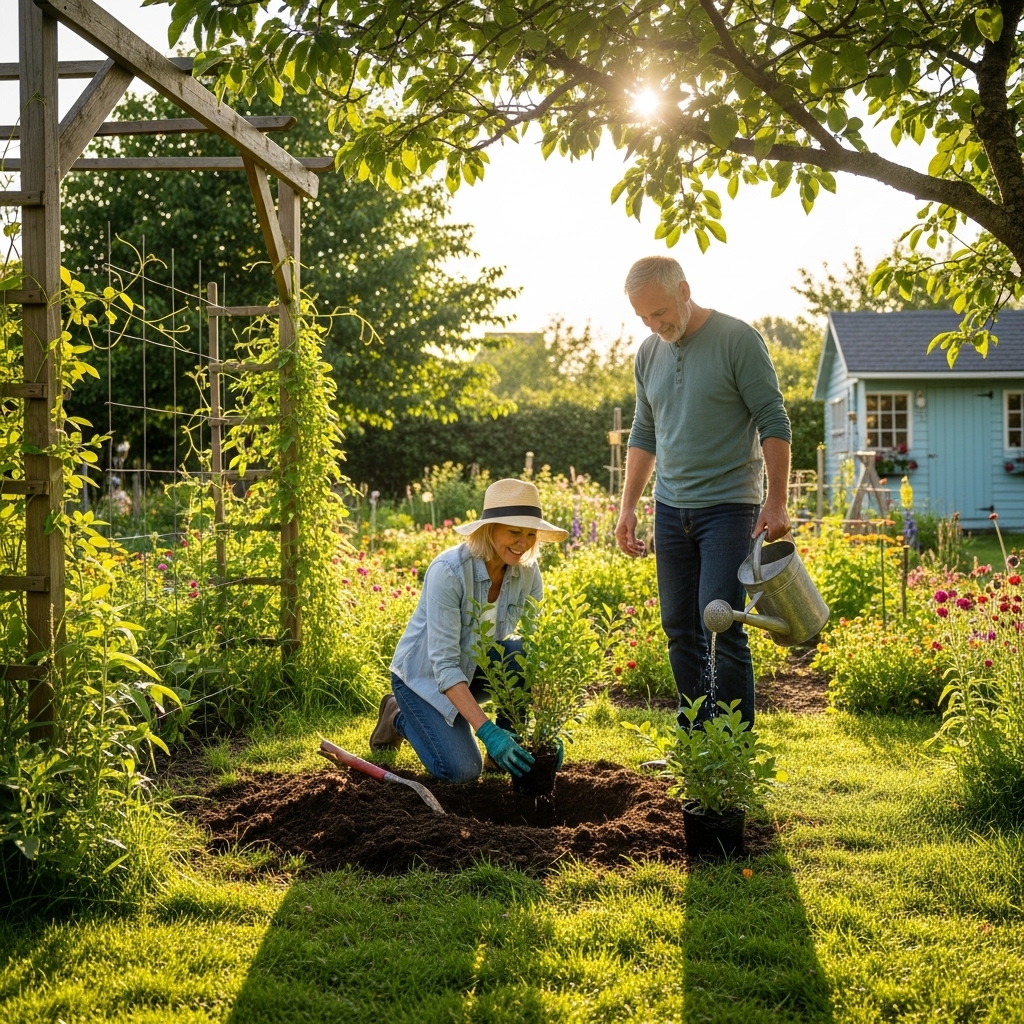
After preparing the soil and ensuring that I have the right location, the next exciting step is planting my blueberry bushes. I remember the thrill I felt when I finally got to put my plans into action! Planting blueberries isn’t just about putting them in the ground; it’s about doing it with intention and care. Here’s what I’ve learned about the best practices for planting these beautiful bushes.
When to Plant
Timing is everything when it comes to planting blueberries. I’ve discovered that the best time to plant blueberry bushes is in early spring or fall, when temperatures are milder. In spring, once the danger of frost has passed, I find that the bushes have time to establish strong roots before the heat of summer sets in. In fall, planting allows the bushes to settle into the ground while they are still somewhat dormant, ready to take off in the spring. When to Plant Blueberry Bushes for Best Growth provides detailed timing advice.
If you live in a warmer climate, I suggest being mindful of the heat. Planting in the early morning or late afternoon helps avoid the midday sun’s intensity, which can stress young plants. I’ve learned to schedule my planting for those cooler times, and it has made a huge difference in my success rate!
How to Plant: Step-by-Step Guide
Now, let’s get into the nitty-gritty of how to plant these bushes effectively. Here’s my simple step-by-step guide:
- Dig the Hole: I start by digging a hole that’s about twice as wide and as deep as the root ball of the bush. This gives the roots plenty of room to spread out.
- Check Soil Acidity: Before placing the bush in the hole, I always check that the soil has the right pH (4.5 to 5.5). If it’s not where it needs to be, I make adjustments before planting.
- Add Amendments: I like to mix in some compost or well-rotted manure with the native soil I removed from the hole. This adds nutrients and organic matter.
- Place the Bush: Gently remove the bush from its container, being careful not to damage the roots. I then place it in the center of the hole, ensuring that the top of the root ball is level with the surrounding soil.
- Backfill the Hole: I carefully backfill the hole with the amended soil, pressing down lightly to eliminate air pockets.
- Water Thoroughly: After planting, I give the bush a good drink of water to help settle the soil around the roots. I find that a deep watering helps them establish better.
Following this guide has always led to successful plantings for me, and I believe these steps can help anyone looking to start their blueberry garden!
Spacing Guidelines
Spacing is another crucial consideration when planting blueberry bushes. I remember my early days of gardening, where I was eager to grow as many plants as possible in one area. However, I quickly learned that giving my bushes enough space to breathe and grow made a world of difference.
For highbush blueberries, I typically aim to space them about 4 to 6 feet apart. This allows for ample air circulation and minimizes competition for nutrients. Lowbush varieties can be planted closer together, around 2 to 3 feet apart, since they don’t grow as large. I’ve found that following these spacing guidelines not only improves fruit production but also makes it easier to maintain the bushes as they grow.
In my garden, I usually mark the spots where I plan to plant with stakes or flags, ensuring that I stay consistent with my spacing. It’s a small step that saves a lot of hassle later on!
Care and Maintenance
Once my blueberry bushes are planted, I shift my focus to their care and maintenance. I’ve realized that regular attention can significantly impact their health and fruit production. Here are my top tips for keeping my blueberry bushes thriving.
Fertilizing Blueberry Bushes
Fertilizing is an essential part of blueberry care. I’ve learned that blueberries prefer fertilizers specifically formulated for acid-loving plants. I usually apply a slow-release fertilizer in early spring, just as the bushes are waking up from winter dormancy. It gives them a nutrient boost as they start to grow.
When applying fertilizer, I make sure to follow the manufacturer’s instructions regarding the amount. Over-fertilizing can harm the plants and even affect the flavor of the berries. I also like to keep an eye on the bushes for any signs of nutrient deficiency, such as yellowing leaves, which can be a signal to adjust my fertilization routine.
Watering Techniques
As I mentioned before, watering is crucial for blueberry bushes. I’ve found that they prefer consistent moisture, but I avoid watering them too frequently, as that can lead to root rot. I usually check the soil moisture by sticking my finger about an inch into the soil. If it feels dry, it’s time to water!
When I water, I do so deeply but less often, ensuring the roots get the moisture they need without becoming waterlogged. I also find that using mulch around the base of the plants helps retain moisture and reduce the need for frequent watering. It’s a win-win!
Pruning for Maximum Yield
Pruning is something I’ve come to appreciate as a vital part of maintaining healthy blueberry bushes. I typically prune my bushes in late winter or early spring while they are still dormant. This helps to remove any dead or damaged branches and encourages new growth. I’ve noticed that regular pruning can lead to better air circulation and increased sunlight penetration, which ultimately results in higher fruit yields.
When pruning, I focus on removing the oldest branches, as these tend to produce less fruit. I also shape the bush to encourage an open center, allowing light to reach more of the plant. It may seem like a small effort, but I’ve seen the benefits in both the health of my bushes and the size of my harvest!
Frequently Asked Questions
What is the best way to plant blueberry bushes for maximum fruit?
The best way to plant blueberry bushes for maximum fruit is to select the right variety and ensure optimal growing conditions, including proper soil, sunlight, and water.
What are the different varieties of blueberry bushes?
The different varieties of blueberry bushes include highbush blueberries, lowbush blueberries, and rabbiteye blueberries, each with unique characteristics, benefits, and growing requirements.
What are highbush blueberries?
Highbush blueberries are the most common variety found in home gardens and commercial farms, growing between 4 to 6 feet tall and producing large, sweet berries. They thrive in USDA hardiness zones 4 to 7 and require cross-pollination for effective fruit production.
How do lowbush blueberries differ from highbush blueberries?
Lowbush blueberries are shorter, usually growing up to 2 feet tall, and produce smaller berries known for their intense flavor. They are generally more cold-hardy and can be found in USDA zones 3 to 6.
What are rabbiteye blueberries and where are they best suited?
Rabbiteye blueberries can grow up to 10 feet tall and are well adapted to warmer climates, making them popular in the Southern United States. They require cross-pollination for fruit production and are more tolerant of drought.
What soil conditions do blueberries require?
Blueberries thrive in acidic soil with a pH level between 4.5 and 5.5. They also prefer well-draining soil rich in organic matter, which can be enhanced by incorporating compost. Are Coffee Grounds Good for Plants? Full Guide can provide more insights on using organic matter effectively.
How much sunlight do blueberry bushes need?
Blueberry bushes need full sun, ideally receiving at least 6 to 8 hours of direct sunlight daily for optimal fruit production.
What are the watering requirements for blueberry bushes?
Blueberries prefer consistently moist soil but cannot tolerate standing water. Generally, they need about 1 to 2 inches of water per week, either from rainfall or supplemental watering.
When is the best time to plant blueberry bushes?
The best time to plant blueberry bushes is in early spring or fall, as these seasons provide milder temperatures that help the plants establish strong roots. When to Plant Blueberry Bushes for Best Growth offers additional details on timing.
What is the importance of pruning blueberry bushes?
Pruning is vital for maintaining healthy blueberry bushes as it removes dead or damaged branches, encourages new growth, and improves air circulation and sunlight penetration, leading to higher fruit yields.