
The best way to plant broccoli for a successful harvest is to start with healthy seedlings or seeds, choose an ideal location with well-drained soil, and ensure proper timing for planting. With my experience, I’ve found that following these steps closely leads to a bountiful crop. Read Interesting article: When to Plant Broccoli for Best Results
Understanding Broccoli: A Nutritional Powerhouse
Broccoli is not just a vegetable; it’s a powerhouse of nutrients packed with vitamins, minerals, and antioxidants. Knowing its health benefits can motivate us to incorporate it into our gardens and diets. I remember the first time I tasted homegrown broccoli—it was so fresh and flavorful compared to store-bought. It’s that personal connection to growing my food that keeps me enthusiastic about planting it.
Health Benefits of Broccoli
Broccoli is often celebrated for its impressive health benefits. It’s rich in vitamin C, vitamin K, iron, and potassium, essential for our overall health. I’ve found that regularly including broccoli in my meals helps boost my immune system and provides significant antioxidant support. This cruciferous vegetable is also high in fiber, which aids in digestion and promotes heart health. Personally, I feel a lot better knowing I’m nurturing my body with such a nutritious option right from my garden.
Varieties of Broccoli
When planting broccoli, it’s crucial to know the different varieties available. Some popular ones include Calabrese, which is the classic variety with large heads, and Sprouting Broccoli, known for its small florets and extended harvesting period. I’ve tried multiple types, but my favorite has to be the tender and sweet Broccolini. Each variety has its characteristics and flavors, so exploring them can be a fun part of the gardening journey. Choosing the right one based on your climate and personal preference can make all the difference in taste and yield.
Preparing for Planting Broccoli
Before planting broccoli, preparation is key. I’ve learned that taking your time in this stage can significantly enhance the quality of your harvest. Getting the right location and soil ready can make all the difference, so let’s dive into what makes for a successful planting environment.
Choosing the Right Location
The location you choose for your broccoli can affect its growth and health. Broccoli thrives in full sun, needing at least 6 hours of direct sunlight daily. I’ve often found that garden spots with a bit of morning sun and some afternoon shade work best, especially in warmer climates. Selecting a location that gets good air circulation can also help prevent diseases. I once planted broccoli in a shaded area, and it just didn’t produce as well as I hoped. Learning from that experience, I now prioritize sunny locations in my garden.
Soil Requirements and Preparation
Broccoli flourishes in nutrient-rich, well-drained soil with a pH level between 6.0 and 7.0. I always conduct a simple soil test to understand where I stand. If the soil is too acidic, I add lime to balance it out; if it’s too alkaline, sulfur can help lower the pH. Enriching the soil with organic matter like compost is something I recommend doing as it not only improves fertility but also enhances soil structure. Last year, I dug in some well-rotted manure before planting, and the broccoli grew robustly as a result.
Essential Tools and Supplies
Having the right tools and supplies can simplify the planting process. I make sure to have a good trowel, garden fork, and planting stakes ready. Depending on whether I’m starting from seeds or seedlings, I also keep seed trays or pots on hand. A quality watering can and mulch are also essentials in my toolkit. I remember one year I forgot to mulch, and the weeds took over! Lesson learned—having these supplies ready is half the battle.
When to Plant Broccoli
Timing is everything when it comes to planting broccoli. I’ve tried different schedules, and understanding the best times to plant can ensure a healthy crop. Let’s break down the key factors in figuring out the right time.
Best Seasons for Planting
Broccoli is a cool-weather crop, which means it can be planted in early spring or late summer for a fall harvest. I usually aim for late March or early April for my spring crop and then again in late July for a fall harvest. This strategy allows me to enjoy fresh broccoli well into the fall. Each year, I jot down the dates I plant to help me remember for future seasons. It’s become a little tradition for me, and it keeps my garden organized.
Understanding Frost Dates
Understanding your local frost dates is essential for planting broccoli. Frost can damage young plants, so I always check my local horticultural calendar. I found that planting too early can lead to disappointment if a late frost strikes. I usually plant my seedlings indoors a few weeks before the last expected frost, then transfer them outside once the threat has passed. This method has worked well for me and ensures that I get a head start on the growing season.
Using Seedlings vs. Seeds
Deciding whether to start from seeds or seedlings is another important consideration. I’ve done both, and each has its benefits. Starting seeds indoors allows for more control over the growing environment, but I love the convenience of buying seedlings from a local nursery. I often find that seedlings get a head start and produce broccoli heads sooner, which is a huge plus for impatient gardeners like me. If you choose seeds, just be prepared for a bit of extra care in those early days.
How to Plant Broccoli
Step-by-Step Planting Guide
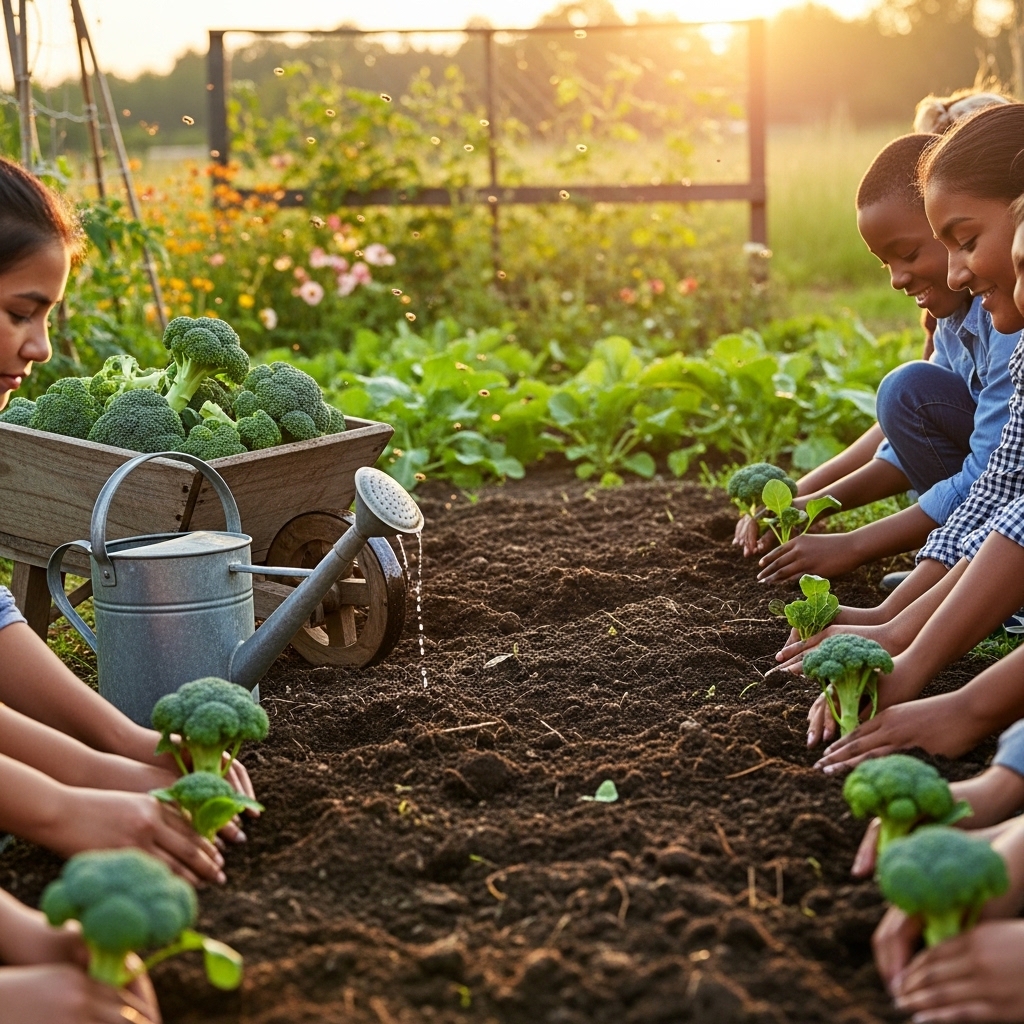
Planting broccoli can be a rewarding experience, and I’ve developed a simple step-by-step guide that helps me stay on track. First, I prepare my seeds or seedlings by soaking the seeds in water for a few hours if I’m starting from scratch. This helps with germination. If I’m using seedlings, I carefully remove them from their pots, shaking off any excess soil. Next, I dig holes in the prepared soil, making sure they’re just a bit larger than the root ball of the seedlings or about an inch deep for seeds. I place the seedlings in the holes, ensuring that the soil level is the same as it was in the pots. For seeds, I drop them in gently, covering them with soil and lightly tamping it down. Finally, I give everything a good watering to help the plants settle in.
Spacing and Depth Considerations
Spacing is crucial for healthy broccoli growth. I’ve learned that giving each plant enough room allows them to thrive. Typically, I space my seedlings about 18 to 24 inches apart in rows that are 24 to 36 inches apart. When I plant seeds, I follow the same spacing guidelines. This setup allows for proper air circulation, and I’ve found it helps prevent diseases. Depth is also important; I plant my seeds about half an inch deep and ensure the seedlings are planted at the same depth they were in their pots. This attention to detail makes a noticeable difference in how well they grow.
Watering Techniques
Watering broccoli can be a bit of an art. I’ve discovered that consistent moisture is key, especially during the early stages of growth. After planting, I water the seedlings thoroughly, and I make sure the soil stays moist but not soggy. I usually check the soil by sticking my finger an inch or two deep to see if it feels dry. If it does, it’s time to water! In my experience, using a soaker hose or drip irrigation works best, as it gently waters the plants without splashing dirt onto the leaves, which can lead to diseases. I aim for about an inch of water per week, adjusting based on rainfall and temperature. Keeping the moisture consistent has really helped my broccoli flourish.
Care and Maintenance for Optimal Growth
Watering Requirements
As I mentioned, maintaining consistent moisture is essential throughout the broccoli’s growth cycle. I’ve noticed that during hot spells, I need to ramp up my watering routine. Broccoli is sensitive to dry conditions, and I always keep an eye on the weather. If I see the leaves drooping, I know it’s time to give them a drink. When the plants begin to form heads, I make sure they receive adequate water to support their growth, as this is a critical stage.
Fertilizing Broccoli
Fertilizing is another important part of caring for broccoli. I typically use a balanced fertilizer when I plant. Once the plants start to grow, I like to feed them again with a nitrogen-rich fertilizer about a month after planting. I remember the first time I neglected this step, and my broccoli just didn’t have the robust flavor I was hoping for. I’ve since learned that boosting their nutrients can really enhance their growth and flavor. Side-dressing with compost or organic fertilizers has also worked wonders for me, providing a slow release of nutrients that keeps my plants happy.
Pest and Disease Management
Pests can be a real headache when growing broccoli. I’ve had my fair share of battles with aphids and cabbage worms. To combat these pests, I keep a close watch on my plants and use row covers to protect them, especially in the early stages. I also introduce beneficial insects like ladybugs, which naturally help control pests. If I see an infestation, I’ve found that a simple solution of soap and water can effectively manage it without harming the plants. It’s all about being proactive and observing what’s happening in the garden.
Weeding and Mulching Techniques
Weeds can quickly take over a garden if you’re not careful. I’ve learned that mulching is one of the best defenses against weeds. After planting my broccoli, I apply a layer of organic mulch like straw or wood chips around the plants. This not only helps suppress weeds but also retains moisture in the soil. I still check for weeds regularly, though, as they can sneak in around the edges. Pulling them out by hand or using a hoe is best done when they’re small. It’s a bit of work, but it pays off when I see my broccoli thriving without competition.
Signs of a Healthy Broccoli Plant
Understanding Growth Stages
As I’ve spent more time nurturing my broccoli plants, I’ve come to appreciate the different growth stages they go through. Initially, you’ll see them sprout small leaves, known as cotyledons, which emerge shortly after germination. This is always an exciting moment for me, as it feels like the first sign of life in my garden. Shortly after that, the true leaves begin to develop, and I can tell my plants are starting to thrive.
During the vegetative stage, the plants focus on growing larger leaves and stems. I’ve noticed that healthy broccoli plants will have a vibrant green color and sturdy stems. This is when I pay close attention to their watering and nutrient needs, ensuring they get enough support to grow strong. As broccoli moves into the flowering stage, I keep an eye out for the formation of buds. These buds will eventually become the heads we all love to eat. I’ve learned that the timing of this stage is crucial; if I wait too long to harvest, those buds can start to flower, which affects both flavor and texture.
Identifying Nutrient Deficiencies
Just like any other plant, broccoli can show signs of nutrient deficiencies, and I’ve had my share of learning experiences in this area. For instance, when I noticed yellowing leaves, it was a clear indicator of nitrogen deficiency. I remember the first time I encountered this issue; my plants were struggling, and I quickly realized my fertilizing routine was lacking. Adding a nitrogen-rich fertilizer made a noticeable difference, and it was rewarding to see my broccoli bounce back.
Another common deficiency is magnesium, which I’ve recognized by the appearance of yellowing between the veins of the leaves. When I see this, I usually apply Epsom salt to the soil, and that helps restore balance. I’ve learned that keeping a close eye on my plants can save me a lot of trouble down the road. Identifying these deficiencies early allows me to act swiftly and keep my crops healthy.
Harvesting Broccoli
When to Harvest: Signs of Ripeness
Harvesting broccoli is one of my favorite moments as a gardener—it’s like the reward for all the hard work! I’ve learned to look for specific signs to determine when my broccoli is ready. The heads should be firm, tight, and deep green. I usually check them regularly as they approach maturity, and when I see the buds starting to open slightly, I know it’s time to act. If I wait too long, those beautiful green heads can turn into yellow flowers, and that’s something I definitely want to avoid.
Typically, broccoli heads take about 70 to 100 days to mature, depending on the variety. I’ve found that keeping a garden journal helps me track the growth of my plants, making it easier to remember the ideal harvest time for each type. When I finally cut the head, I often enjoy the satisfaction of knowing I’ve grown it myself, and it tastes so much better than anything from the store!
How to Properly Harvest Broccoli
When it comes to harvesting, I’ve found that using a sharp knife or garden shears is essential. I cut the stem about 5 to 6 inches below the head, which allows for a clean cut and minimizes damage to the plant. I’ve learned that being gentle is crucial; a rough harvest can affect the remaining plant and reduce further growth. After cutting, I always check for side shoots, which can develop and provide a second harvest. These smaller heads can be delicious and are often sweeter than the main head.
Post-Harvest Handling and Storage
After harvesting, I try to handle my broccoli with care. I usually rinse it under cool water to remove any dirt and pests. Then, I store the heads in a perforated plastic bag in the refrigerator, which helps keep them fresh. I’ve noticed that broccoli stored this way can last up to a week or even longer, which is a great way to ensure I can enjoy the fruits of my labor for days to come.
If I have an abundance of broccoli, I often consider blanching and freezing some for later use. Blanching is a quick process that involves boiling the broccoli for a few minutes, then plunging it into ice water. This technique preserves the color, flavor, and nutrients, making it a convenient option when I want to enjoy my homegrown broccoli outside of the growing season. I feel proud knowing I’ve harvested, stored, and prepared food that I grew myself, which is truly rewarding!
Frequently Asked Questions
What is the best way to plant broccoli for a successful harvest?
The best way to plant broccoli is to start with healthy seedlings or seeds, choose an ideal location with well-drained soil, and ensure proper timing for planting.
What are the health benefits of broccoli?
Broccoli is rich in vitamin C, vitamin K, iron, potassium, and fiber, which support overall health, boost the immune system, aid digestion, and promote heart health.
What are some popular varieties of broccoli?
Some popular varieties of broccoli include Calabrese, Sprouting Broccoli, and Broccolini, each with unique characteristics and flavors suitable for different climates and personal preferences.
What soil conditions are best for growing broccoli?
Broccoli flourishes in nutrient-rich, well-drained soil with a pH level between 6.0 and 7.0. Enriching the soil with organic matter like compost is recommended for optimal growth.
When is the best time to plant broccoli?
Broccoli is best planted in early spring or late summer for a fall harvest, typically aiming for late March or early April for spring and late July for fall. Read Interesting article: How to Grow Broccoli Plants Successfully
How should I space and plant broccoli seeds or seedlings?
Seedlings should be spaced about 18 to 24 inches apart in rows that are 24 to 36 inches apart. Seeds should be planted about half an inch deep, following the same spacing guidelines.
What are the watering requirements for broccoli?
Consistent moisture is key, especially in the early stages. Broccoli needs about an inch of water per week, and it’s best to use a soaker hose or drip irrigation to avoid splashing dirt onto the leaves.
How do I know when my broccoli is ready to harvest?
Broccoli is ready to harvest when the heads are firm, tight, and deep green. They should be checked regularly, and harvesting is best done before the buds start to open and turn yellow.
What should I do after harvesting broccoli?
After harvesting, rinse the broccoli under cool water, then store it in a perforated plastic bag in the refrigerator to keep it fresh. For excess broccoli, blanching and freezing can preserve its flavor and nutrients. Read Interesting article: Are The Leaves of A Broccoli Plant Edible?
How can I manage pests and diseases in my broccoli garden?
To manage pests like aphids and cabbage worms, keep a close watch on the plants, use row covers, introduce beneficial insects, and apply a soap and water solution if necessary.