
To achieve the best harvest of broccoli, choose a sunny location with well-drained soil, plant at the right time, and maintain consistent care during growth. I’ve found that with a little preparation and attention, growing this nutrient-packed vegetable can be incredibly rewarding. For more detailed guidance, check out How to Plant Broccoli for Best Harvest.
Understanding Broccoli: The Basics
What is Broccoli?
Broccoli is a green vegetable that belongs to the Brassica family, which also includes cabbage, kale, and cauliflower. Known for its distinctive tree-like structure of flowering heads, it is not only a staple in many kitchens but also a powerhouse of nutrients. I remember the first time I tried growing it; I was amazed by how a small seed could grow into such a vibrant plant!
Health Benefits of Broccoli
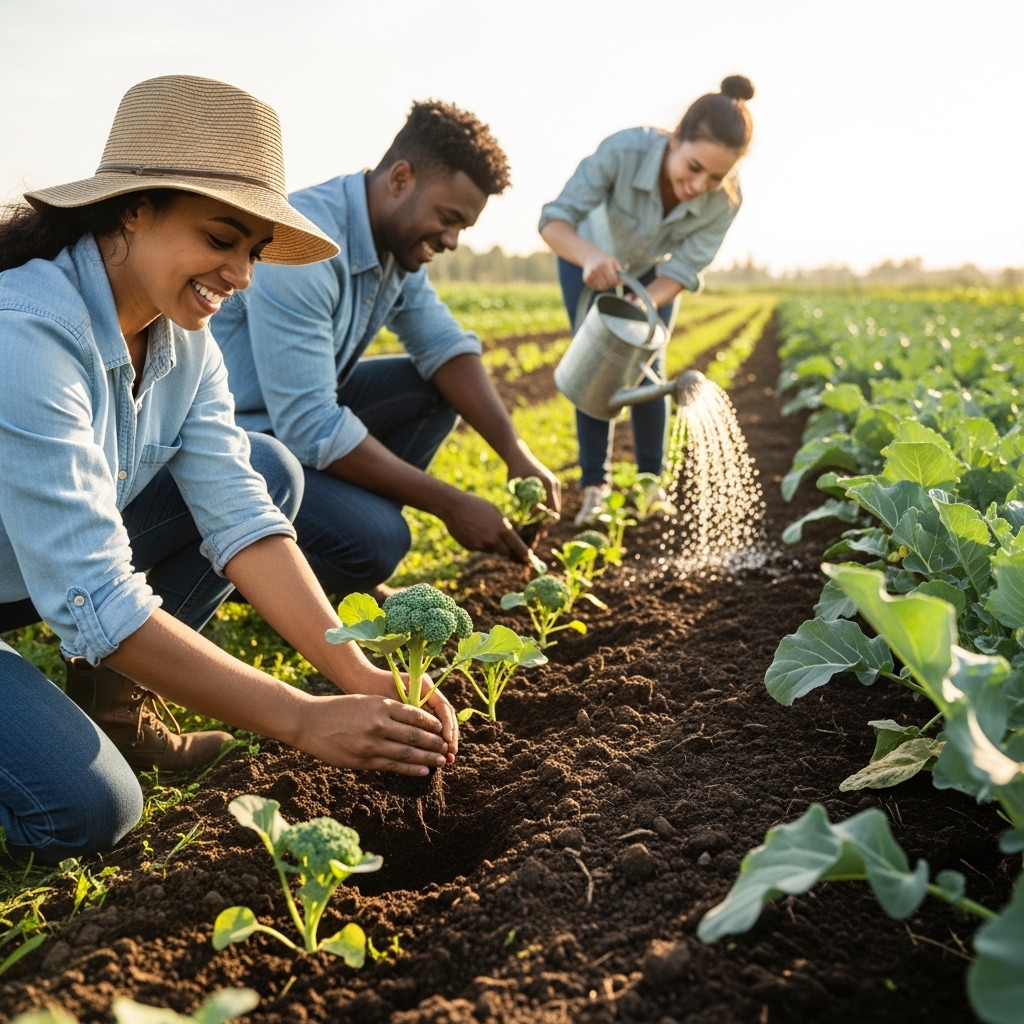
Broccoli is often hailed as a superfood due to its impressive health benefits. It is rich in vitamins C and K, fiber, and various antioxidants. Eating broccoli can boost your immune system, promote digestive health, and may even reduce the risk of certain cancers. Personally, I love adding steamed broccoli to my meals for both flavor and health benefits. It’s a win-win!
Varieties of Broccoli
There are several varieties of broccoli, each with unique characteristics. The most common type is Calabrese broccoli, known for its large, green heads. Then there’s sprouting broccoli, which produces smaller, looser flower clusters and tends to have a milder flavor. I’ve grown both types and found that they each bring something special to the table. Other varieties include broccolini and purple sprouting broccoli, which are also worth exploring if you’re looking to diversify your garden!
Choosing the Right Location for Planting
Sunlight Requirements
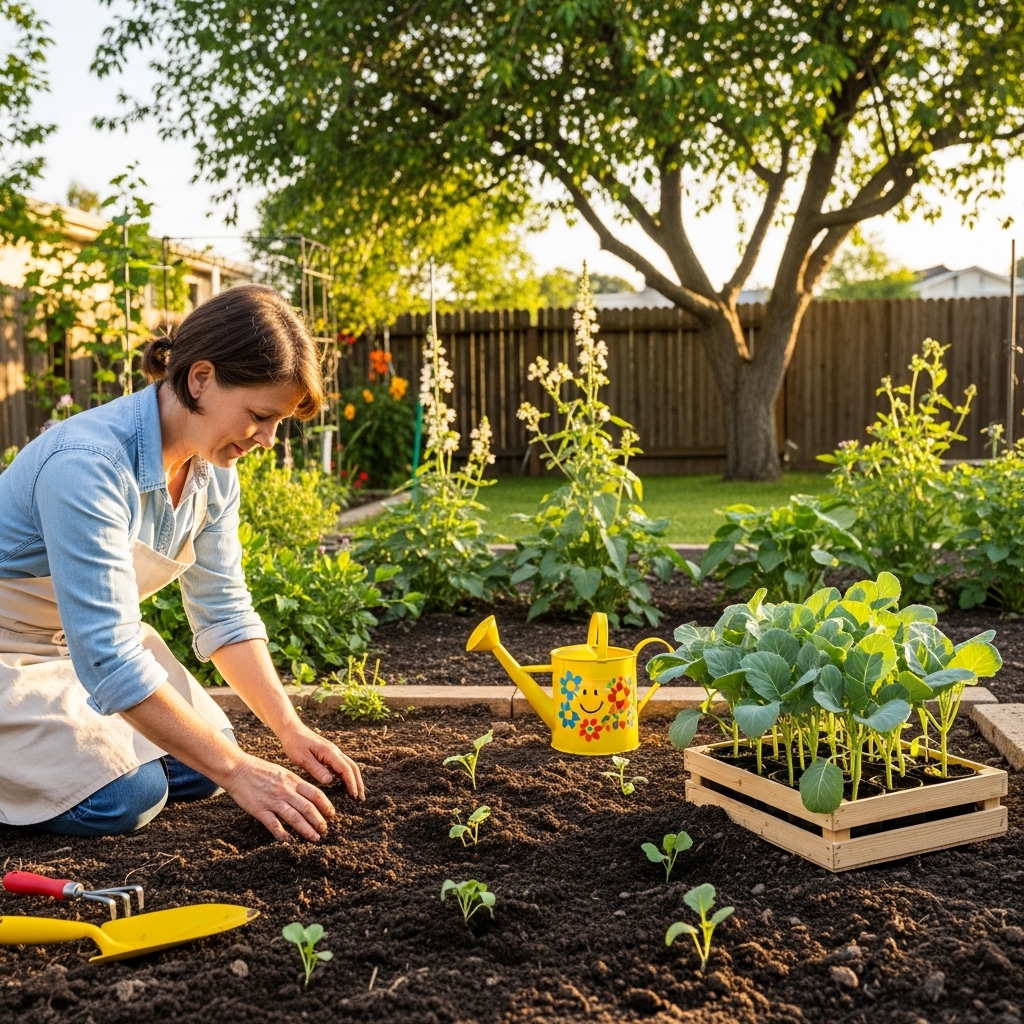
Broccoli thrives in full sunlight, requiring at least 6 to 8 hours of direct sunlight each day. I’ve learned that too little sun can lead to stunted growth and a poor harvest. Observing my garden, I noticed that the areas with the most sunlight produced the biggest, healthiest heads of broccoli. If you can, pick a spot that gets the morning sun, as it helps dry any dew on the leaves, reducing the risk of disease.
Soil Type and Quality
Broccoli prefers well-drained, fertile soil with a pH level between 6.0 and 7.0. I remember the first time I planted broccoli in heavy clay soil; the results were disappointing. After that, I made sure to amend the soil with organic matter, which significantly enhanced its texture and drainage. Adding compost or well-rotted manure not only improves soil quality but also provides essential nutrients for the plants.
Climate Considerations
Broccoli grows best in cooler temperatures, ideally between 60°F and 70°F. I’ve discovered that planting in early spring or late summer for a fall harvest works wonders. In my experience, trying to grow broccoli during the hot summer months often leads to bolting—where the plant goes to seed prematurely—resulting in a bitter taste. Knowing your local climate and timing your planting can make all the difference in your harvest! For more on timing, see When to Plant Broccoli for Best Results.
When to Plant Broccoli

Seasonal Timing for Planting
Timing is crucial when it comes to planting broccoli. For spring planting, I typically start seeds indoors about 6-8 weeks before the last frost date. For fall planting, I start seeds indoors in mid-summer. I remember feeling excited as I watched my seedlings grow, knowing that my patience would soon pay off in delicious, homegrown broccoli.
Optimal Temperature for Growth
As I mentioned earlier, broccoli prefers cooler temperatures. If the daytime temperatures soar above 80°F, the plants can become stressed, leading to poor growth. I’ve found that planting in the spring or fall can help avoid the harsh heat of summer. Keeping an eye on the weather forecast has saved me more than once from unexpected heatwaves!
Signs of the Right Planting Time
A good rule of thumb is to wait until your soil temperature reaches around 40°F for spring planting. You can use a soil thermometer to check this. I often feel a sense of excitement when I dig my hand into the soil and it feels just warm enough to start planting. Observing the weather patterns and local frost dates can help you determine the best time to get your broccoli started.
Preparing the Soil for Planting

Soil Testing and Amendments
Before planting broccoli, it’s essential to test your soil to understand its nutrient content and pH level. I used a simple soil test kit and was surprised at what I learned! Depending on the results, you may need to add lime to raise the pH or sulfur to lower it. These amendments can really improve your chances of growing healthy broccoli.
How to Improve Soil Drainage
Good drainage is vital for broccoli, as it doesn’t like “wet feet.” If your soil is heavy and compacted, consider raised beds or incorporating organic matter, like compost or peat moss, to improve drainage. I’ve made the mistake of planting in poorly drained areas and have ended up with root rot in my plants. Creating a well-draining soil mix has made a world of difference in my garden!
Adding Nutrients and Fertilizers
Broccoli is a nutrient-hungry plant. Before planting, I like to mix in a balanced fertilizer or compost to ensure my plants have enough food to grow. When I started doing this, I noticed a significant difference in the size and taste of my broccoli. I recommend looking for fertilizers with higher nitrogen levels, as this will help with leafy growth, which is crucial during the early stages. For tips on successful growth, check out How to Grow Broccoli Plants Successfully.
Planting Broccoli Seeds or Seedlings

Direct Seeding vs. Transplanting
One of the first decisions you’ll need to make is whether to direct seed or transplant seedlings. I’ve tried both methods, and each has its pros and cons. Direct seeding is simpler and less time-consuming, but transplanting seedlings often leads to healthier plants since they get a head start indoors. If you choose to transplant, make sure to harden off your seedlings by gradually acclimating them to outdoor conditions.
Spacing and Depth Guidelines
When planting, I always ensure that I space my broccoli plants about 18 to 24 inches apart, with rows about 24 to 36 inches apart. This spacing allows for proper air circulation and gives each plant enough room to grow. I’ve learned the hard way that overcrowded plants lead to smaller heads and increased risk of disease. Planting at the right depth—about ½ inch to 1 inch for seeds—also helps establish strong roots.
Watering After Planting
Once my broccoli seeds or seedlings are in the ground, I like to give them a good watering to settle the soil around the roots. Consistent moisture is crucial, especially during germination. I learned that watering deeply and less frequently encourages deep root growth, which has helped my plants thrive. I also keep an eye on the weather; if it’s particularly dry, I adjust my watering schedule accordingly.
Caring for Broccoli Plants

Watering Schedule and Techniques
Once my broccoli plants are established, I find that maintaining a consistent watering schedule is crucial. Broccoli needs about 1 to 1.5 inches of water per week. I usually check the soil moisture by sticking my finger about an inch deep; if it feels dry, it’s time to water. I’ve learned that watering early in the morning or late in the afternoon helps minimize evaporation and allows the plants to absorb moisture effectively. I prefer to use a soaker hose or drip irrigation, which delivers water directly to the roots and reduces the risk of fungal diseases that can occur from wet leaves.
Fertilization During Growth
After planting, I keep an eye on my broccoli’s growth to decide if additional fertilization is necessary. About four weeks after planting, I typically add a nitrogen-rich fertilizer to support leafy growth. I once skipped this step, thinking my plants were fine, but they turned out to be smaller and less vibrant than expected. I recommend using a liquid fertilizer for a quick nutrient boost, especially if the leaves look pale or the growth seems stunted. This little extra care can make a huge difference in the size and flavor of my harvest!
Pest and Disease Management
As much as I love gardening, I’ve faced my fair share of pests and diseases when growing broccoli. One of the most common pests I encounter is the cabbage worm, which can quickly munch through the leaves. I’ve found that regular checking of the plants helps catch these pests early. If I do notice them, I usually handpick them off or use an organic insecticidal soap. Additionally, I’ve learned the importance of crop rotation; planting broccoli in different spots each year helps prevent pests and diseases from taking hold. Keeping my garden clean and removing any debris also plays a big role in reducing disease risk.
Weed Control Strategies
Weeds can be quite a nuisance in the garden, especially when it comes to broccoli. I remember one season when I neglected to weed regularly, and my plants struggled for nutrients and space. Now, I make it a point to keep the area around my broccoli tidy. I use mulch, which not only suppresses weeds but also helps retain soil moisture. I usually apply a layer of straw or shredded leaves around my plants. It’s a simple tactic that has worked wonders in keeping my broccoli healthy and thriving. Additionally, I sometimes use a hoe to gently remove weeds, making sure not to disturb the broccoli roots.
Harvesting Broccoli for Best Quality

Signs That Broccoli is Ready to Harvest
When it comes to harvesting broccoli, I’ve learned to be patient and observant. The best time to harvest is when the buds are tightly closed and firm, typically a dark green color. I keep an eye on my plants and start checking them about 60 to 70 days after planting. If I notice that the buds are beginning to flower or turn yellow, I know it’s time to act. I remember the first time I harvested broccoli; the excitement of cutting that first head and bringing it inside was amazing! It’s a great feeling to grow something from seed to table.
How to Harvest Broccoli Properly
When I’m ready to harvest, I use a sharp knife to cut the main head of broccoli about 4 to 6 inches below the head. This technique not only gives me a beautiful head but also encourages side shoots to develop, allowing for multiple harvests. I can’t stress enough how important it is to harvest in the morning when the heads are crisp and full of moisture; I find that they taste better this way. After cutting, I try to handle the broccoli gently to avoid bruising it. It’s always a joy to see the fruits of my labor come together in the kitchen!
Post-Harvest Care and Storage
Once I’ve harvested my broccoli, I make sure to take care of it properly to maintain its freshness. I rinse the heads under cool water to remove any dirt and pests, then pat them dry with a clean towel. To store them, I like to wrap the broccoli in a damp paper towel and place it in a plastic bag in the refrigerator. This method helps keep the broccoli crisp and fresh for about a week. I’ve experimented with different storage techniques, and this has proven to be the most effective for keeping my harvest delicious. Sometimes, if I have an abundance, I’ll blanch and freeze some to enjoy later!
Common Challenges and Solutions

Pests That Affect Broccoli
I’ve encountered a variety of pests while growing broccoli, and dealing with them can be quite a challenge. One of the most persistent is the cabbage worm, which camouflages itself well among the leaves. I remember the first time I spotted them; it was disheartening to see my beautiful plants being eaten away. To combat these pests, I’ve learned to be proactive. I often use floating row covers to protect my plants when they are young. This simple barrier allows sunlight and water through while keeping unwanted pests out. Additionally, I’ve found that introducing beneficial insects, like ladybugs and lacewings, can help keep pest populations in check. These natural predators are a gardener’s best friend!
Diseases to Watch Out For
Disease can be just as troublesome as pests, and I’ve had my fair share of battles with them. One of the more common issues I’ve faced is downy mildew, which thrives in humid conditions. I remember how my plants looked wilted and spotted, and it was frustrating to realize that my watering techniques might have contributed to the problem. To prevent this, I make sure to space my plants properly for good air circulation and avoid watering from above, which can leave moisture on the leaves. I’ve also started using disease-resistant varieties, which has made a noticeable difference in my garden’s health. If I ever do see signs of disease, I promptly remove affected leaves to prevent it from spreading.
Environmental Factors Impacting Growth
As much as I love gardening, I’ve come to realize that environmental factors play a huge role in the success of my broccoli crops. Temperature fluctuations can be especially harmful. For instance, I recall a year when an unexpected late frost hit my spring seedlings, and it wiped out a significant portion of my crop. To combat this, I’ve learned to keep an eye on the weather forecast and be prepared to cover my plants if frost is predicted. Another environmental factor to consider is soil moisture. I’ve found that during particularly dry spells, my broccoli plants can suffer from stress, leading to bitter-tasting heads. I’ve started using mulch to help retain soil moisture and regulate temperature, which has really helped improve my harvests.
Additional Tips for a Successful Broccoli Harvest

Companion Planting Ideas
Companion planting has become one of my favorite strategies to enhance my broccoli growth. I’ve discovered that planting certain herbs and vegetables nearby can help deter pests and improve the overall health of my plants. For instance, I often plant marigolds near my broccoli; their vibrant blooms attract beneficial insects while repelling harmful ones. Additionally, I’ve learned that planting garlic or onions can help keep aphids at bay. I love how companion planting not only maximizes my garden space but also creates a more diverse and thriving ecosystem.
Crop Rotation Best Practices
Implementing crop rotation is another vital practice I’ve adopted in my gardening routine. I used to plant broccoli in the same spot year after year, but I quickly learned that this can lead to soil depletion and increased pest and disease pressures. Now, I make it a point to rotate my broccoli with other crops like legumes or leafy greens. This practice not only helps maintain soil health but also confuses pests that might be looking for their favorite food. It’s amazing how making this small change has improved the vigor of my plants!
Using Mulch for Better Growth
Mulching has been a game changer for my broccoli plants. I remember the first time I applied a layer of straw around my plants; it was like I was giving them a cozy blanket! Mulch helps to retain moisture in the soil, regulate temperature, and suppress weeds, which is critical for my broccoli’s success. I also appreciate how mulch slowly breaks down over time, enriching the soil with organic matter. Plus, it saves me from spending hours weeding, which I definitely don’t miss! Overall, I can’t recommend using mulch enough for anyone looking to give their broccoli the best chance at thriving.
Frequently Asked Questions

What is broccoli and why is it considered a superfood?
Broccoli is a green vegetable that belongs to the Brassica family, known for its tree-like structure of flowering heads. It is considered a superfood due to its rich content of vitamins C and K, fiber, and various antioxidants, which can boost the immune system, promote digestive health, and may reduce the risk of certain cancers.
What are the ideal sunlight requirements for growing broccoli?
Broccoli thrives in full sunlight and requires at least 6 to 8 hours of direct sunlight each day. Insufficient sunlight can lead to stunted growth and a poor harvest.
What type of soil is best for planting broccoli?
Broccoli prefers well-drained, fertile soil with a pH level between 6.0 and 7.0. Amending the soil with organic matter can enhance its texture and drainage, improving growth conditions for the plants.
When is the best time to plant broccoli?
For spring planting, seeds should be started indoors about 6-8 weeks before the last frost date. For fall planting, seeds should be started indoors in mid-summer to avoid the heat of summer and promote better growth.
How should I prepare my soil before planting broccoli?
Before planting, it’s essential to test the soil to understand its nutrient content and pH level. Depending on the results, amendments such as lime or sulfur may be needed. Improving soil drainage with organic matter and adding nutrients like balanced fertilizers or compost is also recommended.
What is the recommended spacing for planting broccoli?
Broccoli plants should be spaced about 18 to 24 inches apart, with rows 24 to 36 inches apart. This spacing allows for proper air circulation and gives each plant enough room to grow.
How often should I water my broccoli plants?
Broccoli needs about 1 to 1.5 inches of water per week. It is important to check soil moisture regularly and water deeply and less frequently to encourage deep root growth.
What signs indicate that broccoli is ready to harvest?
Broccoli is ready to harvest when the buds are tightly closed, firm, and typically a dark green color. It is advisable to check the plants about 60 to 70 days after planting for these signs.
What are some common pests that affect broccoli and how can I manage them?
Common pests include cabbage worms. To manage them, regular checks of the plants are essential. Handpicking pests or using organic insecticidal soap can help. Additionally, employing floating row covers and introducing beneficial insects can aid in pest control.
What are the benefits of companion planting with broccoli?
Companion planting can enhance broccoli growth by deterring pests and improving overall plant health. For example, planting marigolds can attract beneficial insects while repelling harmful ones, and garlic or onions can help keep aphids at bay.