
To plant bulbs for beautiful blooms, choose the right bulbs, prepare your soil, and plant them at the appropriate depth and spacing. From my experience, following these steps helps ensure a vibrant garden filled with stunning flowers. For detailed guidance, check out How to Plant Daffodil Bulbs for Beautiful Blooms.
Understanding Bulbs: The Basics
What Are Flower Bulbs?
Flower bulbs are underground storage organs that contain all the nutrients a plant needs to grow and bloom. They store energy in the form of carbohydrates, which the plant uses during its growth cycle. My first encounter with bulbs was when I planted tulips a few years ago. I was amazed to see how these seemingly simple objects could transform into vibrant flowers, each telling a story of patience and care.
Types of Flower Bulbs
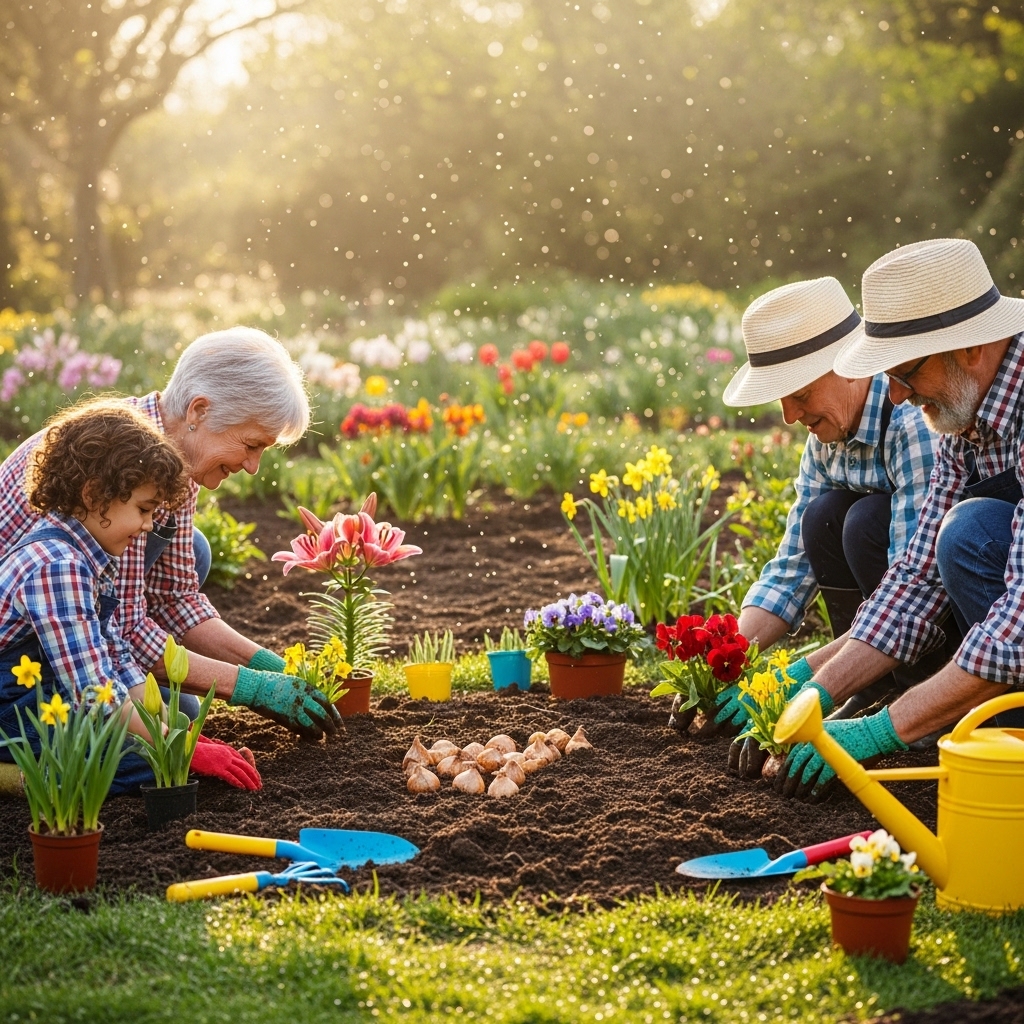
There are several types of flower bulbs, each with its unique characteristics and blooming patterns. Knowing which type you want to plant can make all the difference in your garden’s design and appeal. I’ve experimented with a few varieties, and I can share some insights about my favorites.
Tulip Bulbs
Tulips are perhaps the most iconic spring bloomers. They come in various colors, shapes, and sizes. I remember planting my first tulip bulbs in the fall, and when they bloomed in spring, it felt like my garden had come alive. They do well in well-drained soil and prefer full sun, making them perfect for bright, sunny spots in your garden.
Daffodil Bulbs
Daffodils are another popular choice for spring gardens. These cheerful yellow flowers are hardy and can naturalize over time, meaning they can multiply and return year after year. I’ve found that once planted, they require little maintenance, making them a great option for busy gardeners. They thrive in well-drained soil and can tolerate partial shade, which is a plus if you have a mixed-light garden. For more on planting depth, see How Deep to Plant Daffodil Bulbs? Correct Depth.
Hyacinth Bulbs
Hyacinths are known for their lovely fragrance and vibrant colors. Planting them in clusters creates a stunning visual impact, which I learned the hard way when I planted them too far apart the first time. They love full sun and well-drained soil; I recommend mixing them with tulips for a delightful spring display. The scent is an added bonus, filling the garden with sweet notes.
Allium Bulbs
Alliums are different from the other bulbs mentioned; they belong to the onion family. These bulbs produce large, globe-like flower heads that can add height and drama to your garden. I must say, the first time I saw those purple spheres bloom, I was captivated. They are drought-resistant and thrive in full sun, making them a great addition to any garden.
Choosing the Right Bulbs for Your Garden
Factors to Consider
When selecting bulbs for your garden, several factors come into play. From climate zone to soil type, understanding these elements can help you make informed choices.
Climate Zone
Your climate zone plays a crucial role in determining which bulbs will thrive in your garden. I’ve found that knowing my USDA hardiness zone helped me select bulbs that would not only survive but flourish. For instance, warmer zones may allow for earlier planting of certain bulbs, while colder zones require more careful timing to ensure bulbs don’t freeze before they sprout.
Soil Type
Different bulbs have different soil preferences. Some, like daffodils, prefer sandy, well-drained soil, while others, like hyacinths, thrive in richer, loamy soil. I remember the first time I planted bulbs in poorly drained soil; they rotted, and it was such a disappointment! Testing your soil type and making amendments can make a significant difference in bulb performance.
Sunlight Requirements
Most bulbs prefer full to partial sunlight, but there are exceptions. For instance, alliums can tolerate partial shade, while tulips need full sun to thrive. When I redesigned my garden to include more bulbs, I made sure to note the sunlight patterns throughout the day, which helped me place each bulb in the best spot possible.
Where to Buy Flower Bulbs
Finding quality bulbs can sometimes be a challenge. I’ve learned that there are reliable sources where you can purchase bulbs, ensuring you get healthy specimens to work with.
Local Garden Centers
Local garden centers often have a great selection of bulbs, and the staff can provide valuable advice based on your local climate and soil conditions. I always enjoy visiting my local garden center in the fall, as they have a wonderful variety of bulbs on display. Plus, you can often find unique local varieties that might not be available online.
Online Retailers
Online retailers provide a vast selection of bulbs, often with descriptions that detail their growing requirements. I’ve ordered bulbs online when I was looking for something specific, and the convenience is a big perk. Just make sure to check reviews to ensure you’re buying from a reputable source, as quality can vary widely. For more tips on planting, you might want to read How to Plant Iris Bulbs for Best Blooms.
When to Plant Bulbs for Optimal Growth
Spring-Blooming Bulbs
Timing matters when it comes to planting bulbs, especially for spring bloomers. I learned that spring-blooming bulbs, like tulips and daffodils, should be planted in the fall, ideally around September to November. This gives them the time they need to establish roots before the cold winter sets in. I remember one year I got a little too excited and planted my tulips in December, thinking they would be fine. Unfortunately, they didn’t make it through the frost. Since then, I’ve made it a point to mark my calendar for early fall planting, which has led to much better results in my garden.
Summer-Blooming Bulbs
On the flip side, summer-blooming bulbs, such as dahlias and gladiolus, should be planted in the spring after the last frost date. This usually falls around April to early June, depending on your location. I’ve found that waiting for the soil to warm up makes a significant difference in how well these bulbs grow. I remember the first time I planted gladiolus too early; they sat in cold, wet soil and rotted. Now, I always check the weather and soil temperature before diving in.
Preparing to Plant Bulbs
Choosing the Right Location
Location is key in ensuring that your bulbs thrive. I’ve spent hours wandering around my yard, trying to find the best spots for my bulbs, and I’ve learned quite a bit through trial and error. Bulbs generally prefer well-drained areas with plenty of sunlight. Observing your garden throughout different times of the day can help you identify the sunniest spots. Once, I planted daffodils in a shady area, thinking they would still bloom. They ended up weak and sparse, teaching me a valuable lesson about their sunlight needs!
Soil Preparation Techniques
Before planting, preparing the soil properly is essential for healthy bulb growth. I’ve discovered that taking the time to get this right can yield amazing results.
Testing Soil pH
Testing the soil pH is a step I didn’t prioritize at first, but I found it made a big difference. Most bulbs thrive in slightly acidic to neutral soil (about pH 6.0 to 7.0). I bought a simple soil testing kit from my local garden center, which helped me understand the pH of my soil. If it’s too acidic or alkaline, I learned that you can amend it with specific products to create a more suitable environment.
Adding Organic Matter
Adding organic matter is something I swear by now. Incorporating compost or well-rotted manure into your soil can enhance its fertility and drainage. I usually mix in a good amount of compost a few weeks before planting. This not only improves the soil structure but also provides the bulbs with nutrients they’ll need as they grow. The first year I skipped this step, I noticed my bulbs didn’t perform as well as they could have. Now, I make it a priority!
How to Plant Bulbs: Step-by-Step Guide
Tools and Materials Needed
Having the right tools on hand can make planting bulbs a breeze. I usually gather a spade or trowel, a hand cultivator, and, of course, my bulbs. If you’re planting a lot, a bulb planter can be a real time-saver. I also keep a garden marker handy to label my bulbs, which helps me remember where I’ve planted each type. It’s also wise to have some mulch on hand for covering the bulbs once they’re in the ground.
Planting Depth and Spacing
Knowing the correct planting depth and spacing is crucial for bulb health. A general rule of thumb I follow is to plant bulbs at a depth about two to three times their height. For example, my tulips usually go about 6 to 8 inches deep. I also space them according to their type; larger bulbs like alliums need more room than smaller ones like grape hyacinths. This way, they have enough space to grow and won’t crowd each other out. The first time I planted my bulbs too closely, I ended up with a tangled mess of blooms!
Watering After Planting
After planting, I always give my bulbs a good drink of water. This helps settle the soil around them and encourages root growth. However, I’ve learned to be cautious about overwatering, especially in cooler months when the soil can retain moisture. A light watering is usually sufficient unless you’re in a particularly dry spell. Keeping an eye on the weather can help me decide when extra watering might be necessary. Proper watering after planting is the first step to ensuring a vibrant display come spring.
Care and Maintenance for Healthy Blooms
Watering Schedule
Establishing a watering schedule is something that took me a while to master. I’ve found that most bulbs require regular watering until they establish roots, especially during dry spells. Generally, I aim to water once a week, adjusting based on rainfall. I remember a couple of years ago when I neglected my watering duties, and my daffodils were short and stunted. Now, I keep a schedule and even set reminders on my phone!
Fertilizing Tips
Fertilizing is another vital aspect of bulb care. I like to use a balanced fertilizer or one specifically formulated for flowering bulbs. I usually apply it in early spring as growth begins, and again after they bloom to support future growth. It’s like giving my bulbs a little boost to help them thrive. I’ve learned that a little fertilizer can go a long way in producing stunning blooms.
Pest and Disease Management
Pests and diseases can be tricky when growing bulbs. I’ve dealt with issues like aphids and fungal infections in my garden. I always keep an eye out for any signs of trouble, like yellowing leaves or wilting. If I notice anything suspicious, I take action quickly, whether it’s using insecticidal soap or adjusting my watering habits. Regular monitoring has kept my bulbs healthy and vibrant, allowing me to enjoy their beauty for many seasons.
Seasonal Bulb Care
Spring Care for Bulbs
Spring is such an exciting time for bulb enthusiasts like me! As the days grow warmer and the sun begins to shine, my garden bursts into life with colorful blooms. It’s important to give your spring-blooming bulbs the care they need to ensure a vibrant display. I always start by checking the soil moisture; if it’s dry, I make sure to water them well. This helps the bulbs establish strong roots and encourages healthy growth.
Another task I focus on in spring is removing any weeds that pop up around my bulbs. Weeds can compete for nutrients and water, so I make it a point to pull them out regularly. I find it quite satisfying to keep my garden tidy and organized. Additionally, I often apply a layer of mulch around my bulbs to help retain moisture and suppress those pesky weeds. This simple step has made a noticeable difference in how my bulbs perform throughout the season.
Summer Care for Bulbs
As summer rolls in, I shift my focus to the bulbs that bloom during this season. Summer-blooming bulbs like dahlias and gladiolus need special attention, especially when the temperatures rise. I’ve learned that keeping an eye on their watering needs is crucial. During hot spells, I increase my watering frequency, ensuring that the soil remains consistently moist but not soggy.
In my experience, deadheading the spent flowers is another essential summer task. This not only keeps my garden looking neat but also encourages the bulbs to produce more blooms. I’ve noticed that when I neglect this step, my plants tend to focus on seed production instead of growing new flowers. I generally give my plants a gentle tug at the base of the spent blooms, and it’s so rewarding to see fresh flowers emerge! If I’m growing tall varieties like gladiolus, I also stake them to provide support against wind and rain.
Post-Bloom Care and Storage
Once the blooms start to fade, I shift gears and think about post-bloom care. For spring-blooming bulbs, I allow the foliage to die back naturally. I used to cut the leaves off too soon, thinking it would promote a tidy garden. However, I learned that the leaves are vital for photosynthesis, which helps the bulbs store energy for the next blooming season. Now, I wait until the leaves turn yellow before trimming them back.
For summer-blooming bulbs that are not hardy in my zone, such as dahlias, I dig them up after the first frost. This is when I take care to clean the bulbs gently and let them dry. I store them in a cool, dark place, usually in a box filled with peat moss or sawdust to retain moisture. I remember my first year of storing bulbs—I didn’t keep them in the right conditions, and many ended up rotting. Now, I make sure to label everything and check on them periodically to ensure they’re holding up well.
Common Mistakes to Avoid When Planting Bulbs
Planting at the Wrong Time
Timing can make or break your bulb-planting experience. I’ve seen firsthand how planting at the wrong time can lead to disappointing results. For example, planting spring-blooming bulbs in the spring instead of the fall often leads to a lack of blooms, as they need that dormancy period to establish roots. I now mark my calendar to remind me when it’s time to plant, ensuring I don’t get too eager or forget! It’s a small but crucial step that has drastically improved my garden’s output.
Overwatering or Underwatering
Watering can be a tricky balancing act. I’ve made the mistake of overwatering my bulbs, thinking they needed extra moisture, especially after planting. This led to bulb rot, which was heartbreaking. Now, I focus on the soil texture—if it feels dry to the touch, I’ll give them a drink, but I also watch for signs of excess moisture. It’s all about finding that sweet spot, and I’ve learned to trust my instincts and the weather patterns.
Ignoring Soil Conditions
Soil conditions are another area where I made my fair share of mistakes. I used to overlook the importance of soil drainage, and it resulted in some sad-looking bulbs. I’ve learned to test my soil and make amendments as necessary, whether that’s adding sand for better drainage or compost for fertility. My bulbs have thrived so much more since I started paying attention to what’s beneath the surface. The right soil conditions truly set the foundation for success!
Inspiring Bulb Planting Ideas
Creating Colorful Bulb Gardens
When it comes to creating a vibrant garden, I love to experiment with color combinations. I often group bulbs by color to create stunning visual displays. For instance, pairing purple alliums with bright yellow daffodils brings a cheerful and bold contrast to my garden. I find it exciting to plan these color schemes ahead of time, and it adds a personal touch to my outdoor space. Sometimes, I even sketch out my ideas before planting, which helps me visualize the final outcome.
Using Bulbs in Containers
Containers are another fantastic way to enjoy bulbs, and I’ve had a lot of fun creating bulb displays in pots. I remember the first time I tried this; I layered different types of bulbs in one container to achieve a staggered bloom effect. It was such a joy watching them bloom one after another! I usually use a good-quality potting mix and ensure my containers have drainage holes. This method not only adds interest to my patio but also allows me to move arrangements around as needed for optimal sunlight.
Mixing Bulbs with Perennials
Another approach I enjoy is mixing bulbs with perennials. This technique creates a continuous flow of color in my garden throughout the seasons. For example, I plant tulips alongside hardy perennials like daylilies, so once the tulips fade, the daylilies step in to take the spotlight. It’s a beautiful transition that keeps my garden lively year-round. I often find myself planting bulbs in strategic spots where I know the perennials will complement their blooms, making for a stunning display every spring.
Frequently Asked Questions
What are flower bulbs?
Flower bulbs are underground storage organs that contain all the nutrients a plant needs to grow and bloom. They store energy in the form of carbohydrates, which the plant uses during its growth cycle.
What types of flower bulbs can I plant?
There are several types of flower bulbs, including tulips, daffodils, hyacinths, and alliums. Each type has unique characteristics and blooming patterns that can enhance your garden’s design and appeal.
When should I plant spring-blooming bulbs?
Spring-blooming bulbs, such as tulips and daffodils, should be planted in the fall, ideally around September to November, to allow them to establish roots before winter.
What are the sunlight requirements for bulbs?
Most bulbs prefer full to partial sunlight. For instance, tulips need full sun, while alliums can tolerate partial shade. It’s important to observe your garden’s sunlight patterns to ensure proper placement.
How do I prepare my soil for planting bulbs?
Preparing the soil involves testing its pH, adding organic matter like compost, and ensuring it is well-drained. Most bulbs thrive in slightly acidic to neutral soil (about pH 6.0 to 7.0).
What is the correct planting depth for bulbs?
A general rule of thumb is to plant bulbs at a depth about two to three times their height. For example, tulips should be planted about 6 to 8 inches deep.
How often should I water my bulbs?
Most bulbs require regular watering until they establish roots, especially during dry spells. Generally, watering once a week is sufficient, adjusting based on rainfall.
What common mistakes should I avoid when planting bulbs?
Common mistakes include planting at the wrong time, overwatering or underwatering, and ignoring soil conditions. It’s crucial to plant spring-blooming bulbs in the fall and ensure proper soil drainage.
How can I create a colorful bulb garden?
You can create a vibrant garden by experimenting with color combinations, grouping bulbs by color, and planning color schemes ahead of time. Pairing different colors can enhance the visual display of your garden.
Can I plant bulbs in containers?
Yes, planting bulbs in containers is a fantastic way to enjoy them. You can layer different types of bulbs in one container for a staggered bloom effect, using good-quality potting mix and ensuring proper drainage.