
To plant carrots properly, choose the right variety, prepare your soil, and sow seeds at the right depth and spacing. My experience with gardening has taught me that a little preparation goes a long way in growing delicious carrots. Read Interesting article: How to Plant Carrots for a Perfect Harvest
Understanding Carrots: An Overview
Carrots are a popular root vegetable that can be found in countless dishes around the world. They are not only delicious but also packed with nutrients. I’ve always found that understanding the different types of carrots and their benefits helps in choosing the right kind to grow in my garden.
Types of Carrots
There are several varieties of carrots, and each has its unique flavor and use. I remember the first time I planted carrots; I was amazed at the diversity! Here are some common types:
- Nantes: These are sweet and crunchy, perfect for eating raw or cooking.
- Imperator: Known for their long, tapering shape, they are great for juicing.
- Danvers: A classic variety, these have a robust flavor and store well.
- Parisian: These are round and perfect for container gardening.
- Purple and Yellow Varieties: These add a pop of color to your plate and can have unique flavors.
Choosing the right variety depends on your taste preference and how you plan to use them. I tend to lean toward Nantes because they are versatile and typically yield a good harvest.
Health Benefits of Carrots
Beyond their delightful taste, carrots are incredibly nutritious. I often remind myself of how beneficial they are for overall health. Here are some of the key health benefits:
- Rich in Vitamins: Carrots are high in vitamin A, which is essential for good vision and immune function.
- Antioxidants: They contain antioxidants like beta-carotene, which help to combat oxidative stress.
- Fiber: Carrots are a good source of dietary fiber, promoting digestive health.
- Low in Calories: They make for a healthy snack without adding too many calories to your diet.
Incorporating carrots into our meals has been a game-changer for my family. I love knowing that each bite contributes to our health.
Preparing to Plant Carrots
Before diving into planting carrots, preparation is key. I’ve learned over the years that taking the time to prepare can make all the difference in your success. Here’s how to get started.
Choosing the Right Variety
Choosing the right variety is essential for a successful carrot harvest. I suggest considering your local climate, soil type, and how you want to use the carrots. For instance, if you live in a cooler area, short, early-maturing varieties might be best. In contrast, if you have a longer growing season, you can opt for longer roots like Imperator or Danvers. I often recommend trying a mix of varieties for a colorful and flavorful harvest. Read Interesting article: Can You Plant Spinach With Carrots?
Gathering Necessary Tools and Supplies
Before planting, it’s important to gather the right tools and supplies. Here’s what I typically keep on hand:
- Garden Trowel: Great for digging and planting.
- Rake: Helps to level and prepare the soil.
- Watering Can or Hose: For keeping the soil moist.
- Seed Packet: Ensure you have quality seeds from a reliable source.
- Mulch: I like to use straw or grass clippings to help retain moisture.
Having the right tools makes the planting process smoother and more enjoyable. I learned this the hard way when I tried to plant carrots without a proper trowel!
Soil Preparation for Carrots
The success of your carrot crop hinges significantly on soil preparation. Carrots prefer loose, sandy loam soil that allows their roots to grow straight and deep. I remember the first time I planted carrots in compacted soil – it was a disaster! Here’s how I prepare my soil:
- Clear the Area: Remove any rocks, weeds, or debris from the planting site.
- Till the Soil: Loosen the soil to a depth of at least 12 inches using a garden fork or tiller. This encourages healthy root growth.
- Add Organic Matter: Mix in compost or well-rotted manure to enrich the soil. I find that this really boosts the nutrients.
- pH Level: Test the soil’s pH; carrots prefer slightly acidic to neutral pH (6.0-7.0). Adjust if necessary.
Once the soil is prepared, I can’t help but feel excited about the planting process. The smell of fresh soil is invigorating, and I know I’m setting the stage for healthy carrots!
When to Plant Carrots
Timing is everything when it comes to planting carrots. Over the years, I’ve discovered that knowing the right season to plant can make a huge difference in the success of my crop. Carrots are cool-season vegetables, which means they prefer to grow in cooler temperatures. Here’s what I’ve learned about the best times to get those seeds in the ground.
Best Seasons for Planting Carrots
In my experience, the best times to plant carrots are during the spring and fall months. Spring planting typically occurs as soon as the soil can be worked, usually around 2-4 weeks before the last frost date in your region. I remember the first time I planted carrots in early spring; the cool nights really helped them germinate beautifully.
Fall is another excellent option. I tend to plant a second batch in late summer to early fall, allowing them to mature as temperatures cool down. The flavor of carrots harvested after a frost is sweeter and more robust, making fall a favorite for many carrot lovers, including myself.
Climate Considerations
Understanding your local climate can also guide when to plant. I’ve come to realize that different regions have varying growing conditions, which can affect not just the timing, but also the types of carrots that thrive. For instance, in warmer climates, I’ve found it helpful to plant carrots in the fall to avoid the intense heat of summer. Conversely, in cooler climates, a spring planting works wonders.
It’s also essential to consider soil temperature. Carrot seeds germinate best when the soil temperature is between 50°F and 85°F. I often use a soil thermometer to check, as this helps me make informed decisions on when to plant. If I notice the soil is still too cold, I’ll delay planting a week or two – patience pays off!
How to Plant Carrots
Now that we’ve covered when to plant, let’s talk about the actual planting process. I remember feeling a mix of excitement and nervousness the first time I planted my carrot seeds. It’s a simple process, but knowing the details can really set you up for success.
Choosing the Right Location
Finding the perfect spot in your garden is crucial. Carrots thrive in full sun, so I always look for an area that receives at least 6 hours of sunlight each day. I also keep in mind that carrots prefer well-drained soil free from rocks and heavy debris. In my case, I like to avoid planting carrots in areas that were previously occupied by other root crops to reduce the risk of disease. Crop rotation has become a practice I swear by!
Planting Depth and Spacing
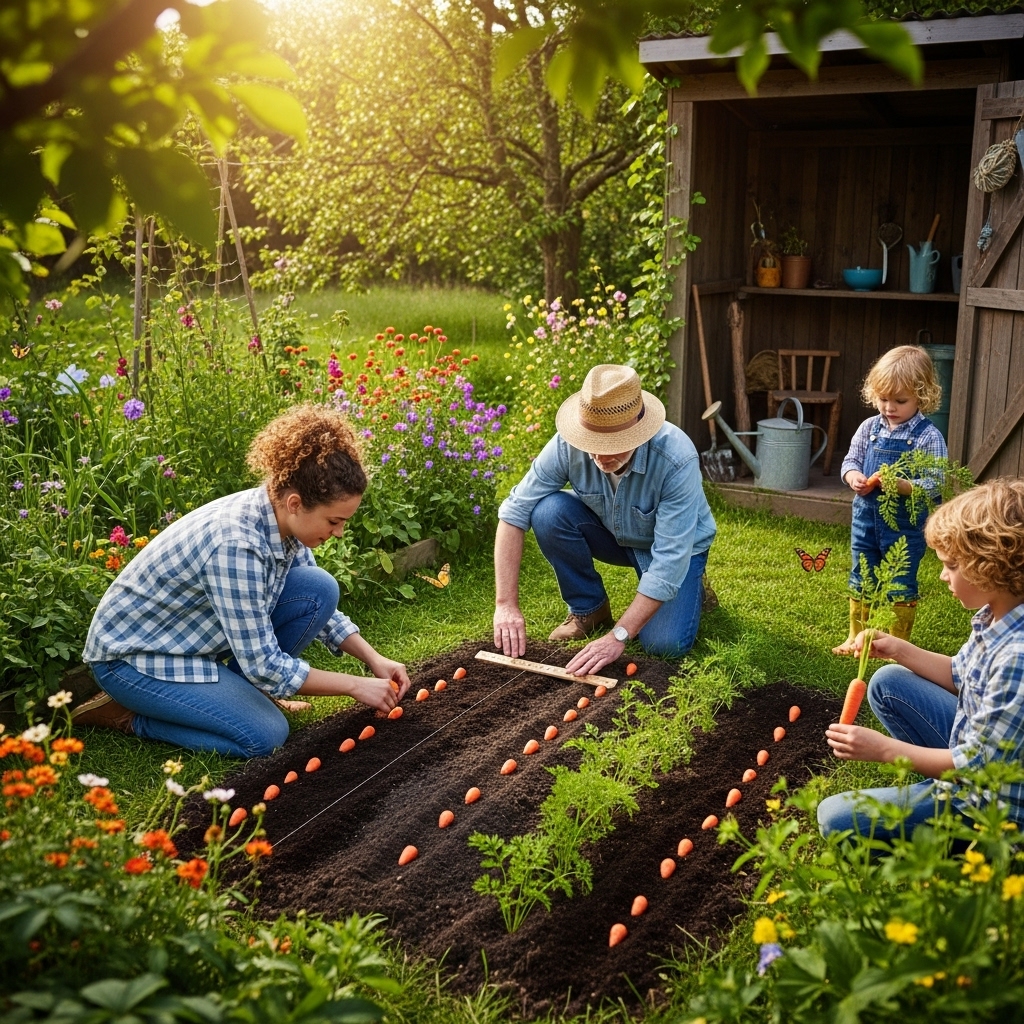
One aspect I learned the hard way is the importance of planting depth and spacing. Carrot seeds are tiny, so I often sprinkle them across the prepared soil. I usually aim for a depth of about ¼ to ½ inch, as planting them too deep can lead to poor germination. I also space my seeds about 2-3 inches apart. If they’re too crowded, the roots can become misshapen, which I’ve seen in my earlier attempts!
Seed Sowing Techniques
Sowing seeds can be a bit tricky due to their size. I’ve found that mixing the seeds with a bit of sand helps with even distribution when planting. Another method I enjoy using is to create shallow rows in the soil, then drop the seeds in and cover them lightly with soil. I always make sure to label my rows so I don’t forget which variety is planted where!
After sowing, I give the area a gentle watering. Keeping the soil consistently moist is vital until the seeds germinate, which usually takes about 7 to 21 days. I make it a point to monitor the moisture levels daily, especially during dry spells, to ensure my little seeds are getting the right start in life.
Carrot Care and Maintenance
Once my carrot seeds are in the ground, I feel a sense of accomplishment. However, the journey doesn’t end there. Taking care of my carrots is just as important as planting them properly. Here’s how I keep my carrot crop healthy and thriving.
Watering Guidelines
Watering is one of the most critical aspects of carrot care. I aim to keep the soil consistently moist but not waterlogged. I’ve learned that deep, infrequent watering helps encourage deep root growth. Typically, I water my carrots once or twice a week, depending on rainfall. I often check the top inch of soil; if it feels dry, it’s time to water!
Fertilizing Carrots
While carrots can grow in less fertile soil, I like to give mine a boost with a balanced fertilizer. I usually apply it sparingly at planting time and again when they’re about halfway through their growth. I’ve found that too much nitrogen can lead to lush tops but stunted roots, so I stick to organic options or low-nitrogen fertilizers.
Weed Control Strategies
Weeds can be a real nuisance when growing carrots. I remember neglecting this aspect and facing tough competition for nutrients. To keep weeds at bay, I often apply a layer of mulch around my carrots. This not only suppresses weeds but also retains moisture in the soil. I make sure to hand-pull any weeds that pop up around the young carrot plants to avoid disturbing their roots.
Pest and Disease Management
As much as I enjoy growing carrots, I’ve learned that they can attract a few unwelcome guests and suffer from diseases if not properly managed. It’s essential to stay vigilant and proactive about pest control and disease prevention. Here are some insights from my experience.
Common Pests Affecting Carrots
Throughout my gardening journey, I’ve encountered several pests that seem to have a particular fondness for carrots. Here are some of the most common ones:
- Carrot Fly: One of the most notorious pests, the carrot fly lays its eggs near carrot tops. Once they hatch, the larvae burrow into the roots, causing them to rot. I remember the first time I noticed these little guys; I ended up with a crop of gnarled, damaged carrots!
- Aphids: These tiny insects can cluster on the leaves and sap the plant’s energy. I’ve noticed their presence when the leaves start to curl and turn yellow, signaling that my carrots are in distress.
- Cutworms: These caterpillars can cut young seedlings at the soil line, causing them to collapse overnight. I learned to keep an eye out for these little offenders after losing my first batch of seedlings.
To manage these pests, I’ve found that companion planting works wonders. For instance, planting carrots with onions can deter carrot flies. Additionally, using row covers can protect young seedlings, and I’ve had success with organic insecticidal soap when aphids became a problem. Read Interesting article: What Herbs Can Be Planted Together? Best Pairings
Preventing and Managing Diseases
Diseases can also pose a threat to your carrot crop. I’ve faced a few challenges, but I’ve learned some valuable strategies to keep my carrots healthy:
- Root Rot: This disease often occurs in overly wet soil. I’ve learned to avoid overwatering and ensure good drainage in my garden beds.
- Carrot Rust Fly: In addition to affecting the roots, this pest can introduce diseases like fungal infections. I’ve found that rotating my crops each year helps minimize the risk of diseases taking hold.
- Fungal Diseases: Powdery mildew is one that I’ve encountered when humidity levels are high. I’ve learned to space my plants adequately to ensure good airflow, which helps prevent this issue.
To combat these diseases, I focus on maintaining good garden hygiene. This means cleaning up any plant debris and rotating my crops every season. I also make it a habit to check my plants regularly for any signs of distress, which allows me to catch issues early on.
Harvesting Carrots
After all the hard work and care I’ve put into my carrots, the time has finally come to harvest them. This is one of my favorite parts of the gardening process! Knowing when and how to harvest can significantly impact the quality of the carrots I get to enjoy.
Signs Your Carrots Are Ready to Harvest
Over the years, I’ve learned to look for specific signs that indicate my carrots are ready for harvest. Here’s what I typically check:
- Size: Carrots are usually ready to harvest when they reach a size of about ½ to 1 inch in diameter. I often dig around a few to check for size if I’m uncertain.
- Color: Depending on the variety, a vibrant color can also indicate readiness. For example, Nantes carrots should have a bright orange hue.
- Top Growth: When the green tops start to die back or turn yellow, it’s often a sign that the roots are ready.
Timing can vary, but I usually find that my carrots are ready to pull anywhere from 60 to 80 days after sowing, depending on the variety. This part is so rewarding; I can hardly wait to see what I’ve grown!
Harvesting Techniques
When it comes to harvesting, I’ve honed my technique to ensure I don’t damage my precious carrots. Here’s how I typically do it:
- Loosen the Soil: I use a garden fork to gently loosen the soil around the carrot before pulling it out. This helps to prevent breakage.
- Pull from the Top: I grasp the green tops firmly and pull gently but steadily. If a carrot doesn’t come out easily, I’ll loosen the soil a bit more first.
- Clean and Trim: After pulling, I trim off the tops, leaving about an inch of greens. I always rinse them well to remove any soil before storing.
This process can feel a bit like unearthing treasure, especially when I see those vibrant carrots emerge from the soil. I often gather my family for this part; it’s a fun way to celebrate our hard work together!
Storing and Using Carrots
Once I’ve harvested my carrots, I want to ensure they stay fresh for as long as possible. I’ve discovered some great storage practices that help keep my carrots crisp and delicious.
Best Storage Practices
To store my carrots effectively, I follow a few straightforward steps:
- Refrigeration: I place my carrots in the refrigerator, ideally in a perforated plastic bag to maintain humidity while allowing for airflow.
- Avoid Washing: I try not to wash them until I’m ready to use them. Excess moisture can lead to rot, so I keep them as clean as possible until then.
- Root Cellar or Cool Space: If I have a root cellar or a cool, dark place, I store them there in a box of damp sand or sawdust to keep them fresh for months.
Using these methods, I’ve managed to keep my carrots crisp well into the winter months!
Cooking and Recipe Ideas
When it comes to using my homegrown carrots, the possibilities are endless! I love incorporating them into different dishes. Here are a few of my favorites:
- Roasted Carrots: Simply toss them with olive oil, salt, and herbs, then roast until they’re caramelized. It’s a family favorite!
- Carrot Soup: I often blend cooked carrots with ginger and a bit of coconut milk for a creamy, comforting soup.
- Carrot Salad: Grating fresh carrots into a salad adds a nice crunch and sweetness. I usually mix them with a tangy dressing for a refreshing side.
Exploring these cooking options has made me appreciate my homegrown carrots even more. I love sharing dishes with family and friends, showcasing the flavors and freshness of what we’ve grown together.
Frequently Asked Questions
What are some common varieties of carrots?
Common varieties of carrots include Nantes, Imperator, Danvers, Parisian, and purple and yellow varieties. Each has its unique flavor and use.
What health benefits do carrots provide?
Carrots are rich in vitamins, particularly vitamin A, which is essential for good vision and immune function. They also contain antioxidants, are a good source of dietary fiber, and are low in calories.
What is the best soil type for planting carrots?
Carrots prefer loose, sandy loam soil that allows their roots to grow straight and deep. Proper soil preparation is crucial for a successful carrot crop.
When is the best time to plant carrots?
The best times to plant carrots are during the spring and fall months. Spring planting typically occurs 2-4 weeks before the last frost date, while fall planting is done in late summer to early fall.
How deep should carrot seeds be planted?
Carrot seeds should be planted at a depth of about ¼ to ½ inch to ensure proper germination.
How often should carrots be watered?
Carrots should be watered once or twice a week, keeping the soil consistently moist but not waterlogged. Deep, infrequent watering encourages deep root growth.
What are some common pests that affect carrots?
Common pests include carrot flies, aphids, and cutworms. These pests can cause damage to the roots and foliage of carrot plants.
What signs indicate that carrots are ready to harvest?
Carrots are typically ready to harvest when they reach a size of about ½ to 1 inch in diameter, have a vibrant color, and when the green tops start to die back or turn yellow.
What are effective storage practices for carrots?
To store carrots effectively, place them in the refrigerator in a perforated plastic bag, avoid washing them until use, and store them in a root cellar or cool, dark place with damp sand or sawdust.
What are some popular ways to use homegrown carrots?
Popular uses for homegrown carrots include roasting them with olive oil, making carrot soup with ginger and coconut milk, and adding grated carrots to salads for added crunch and sweetness.