
Planting celery requires careful preparation and attention to detail, but with the right approach, anyone can successfully grow this crunchy vegetable. I’ve found that starting from seeds or seedlings, ensuring sufficient water and nutrients, and being mindful of the growing season are essential steps for success. Read Interesting article: Is Cilantro and Coriander the Same Plant? Full Answer
Understanding Celery: An Overview
What is Celery?
Celery (Apium graveolens) is a biennial vegetable that’s often grown as an annual. It belongs to the Apiaceae family, which includes other familiar herbs and vegetables like carrots and parsley. Celery is characterized by its long, fibrous stalks and crisp texture, making it a popular addition to salads, soups, and snacks. I remember the first time I bit into a fresh stalk from my garden; the crunch and flavor were unlike anything from the grocery store. Growing my own celery has become a rewarding experience.
Health Benefits of Celery
Celery is not just a tasty addition to meals; it’s also packed with health benefits. It’s low in calories, making it a great snack for those watching their diet. I’ve read that it contains antioxidants, vitamins K and C, and several essential minerals. Additionally, celery is known for its high water content, which helps keep us hydrated. I often chop celery into sticks for a quick snack, pairing it with peanut butter or hummus, and I love knowing I’m giving my body some excellent nutrients.
Different Varieties of Celery
There are several varieties of celery that you can choose from based on your climate and personal preference. The most common type is the standard green celery, often found in grocery stores. However, I’ve also been intrigued by other varieties like the ‘Golden Self-Blanching’ celery, which is known for its sweet flavor and lighter color. Another variety, ‘Celeriac,’ is grown for its bulbous root rather than its stalks and is often used in soups and purees. Exploring these different types can be exciting, especially if you’re looking to add diversity to your garden. Read Interesting article: How to Plant and Grow Celeriac: Step-by-Step Root Vegetable Guide
Preparing to Plant Celery
Choosing the Right Location
Finding the right spot in your garden for celery is crucial. Celery thrives in full sun, so I always ensure that my chosen location gets at least 6-8 hours of sunlight daily. However, I’ve also learned that it can benefit from some shade during the hottest part of the day, especially in warmer climates. This balance helps prevent the plants from bolting or becoming bitter. If you’re space-constrained, consider using raised beds or containers, as these can work well for growing celery.
Soil Requirements for Celery
The soil is another key factor in growing healthy celery. It prefers rich, loamy soil that drains well yet retains moisture. I usually mix in plenty of organic matter, like compost, to improve the soil structure and provide nutrients. A soil pH of 6.0 to 7.0 is ideal for celery. You can test your soil with a home test kit to ensure it’s in the right range. I remember the first time I planted celery; my garden’s soil was too sandy, and my plants struggled. After enriching it, I saw a remarkable difference in their growth.
Essential Tools and Supplies
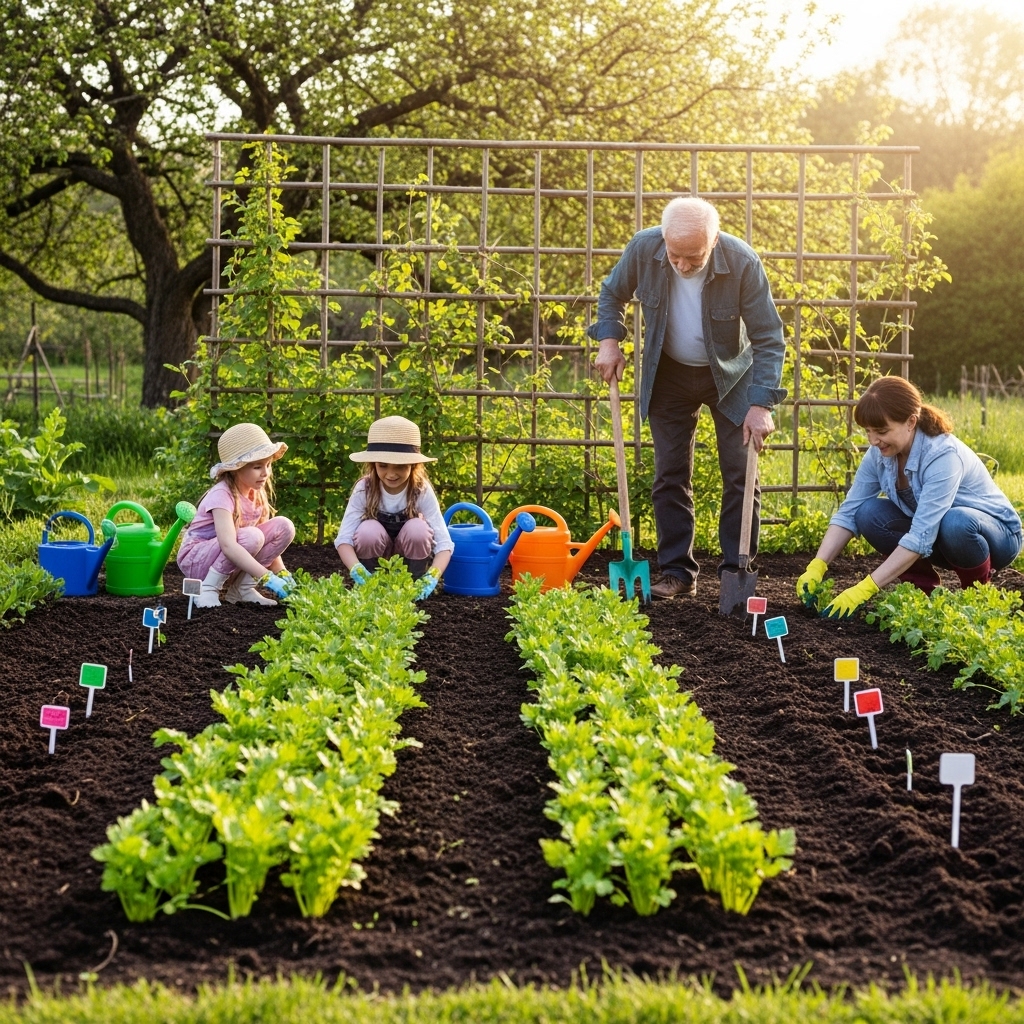
Before diving into planting, having the right tools is essential. Here’s what I usually gather:
- Garden trowel or spade for digging
- Rake for leveling the soil
- Watering can or hose for consistent watering
- Mulch (straw or wood chips) to retain moisture
- Row covers (optional) to protect young plants from pests
Having these tools on hand makes the planting process smoother. I’ve learned that being prepared not only saves time but also reduces frustration.
When to Plant Celery
Best Time of Year for Planting Celery
Timing is everything when it comes to planting celery. I usually start my seeds indoors about 10-12 weeks before the last expected frost date in my area. This gives the seedlings a head start. If you plan to direct sow seeds outdoors, wait until the soil temperature reaches about 60°F. Celery loves cool weather, so I typically plant it in early spring or late summer for a fall harvest.
Climate Considerations
Your local climate can greatly influence your celery-growing success. I’ve noticed that in warmer regions, celery may become stressed if temperatures exceed 80°F consistently. In these cases, I recommend planting in the cooler months or providing some afternoon shade. In colder areas, starting seeds indoors allows for a longer growing season. Always consider your local growing conditions when planning your celery garden.
Frost Dates and Timing
Understanding the frost dates in your region is crucial for successful celery planting. I’ve often checked my local extension office’s resources for the last and first frost dates. This helps me plan my planting schedule accurately. If there’s a risk of frost after planting, I use row covers as a protective measure. This extra effort can save my plants and ensure a robust harvest later on.
How to Plant Celery
Starting Celery from Seeds
Starting celery from seeds is an exciting process that I really enjoy. I usually begin by filling seed trays or small pots with a seed-starting mix that retains moisture but allows for good drainage. Then I sprinkle the seeds on top, as celery seeds need light to germinate; I gently press them into the soil but don’t bury them. Keeping the soil consistently moist is vital. I often cover the trays with a plastic dome or plastic wrap to maintain humidity until the seeds sprout. Typically, I see little green shoots in about 2 to 3 weeks. It’s a thrilling moment, and I can’t help but feel proud of my little plants!
Transplanting Celery Seedlings
Once my seedlings have developed a few sets of true leaves and are about 4 to 6 inches tall, I know it’s time to transplant them. I find that hardening them off is an important step before transferring them to the garden. This involves gradually introducing them to outdoor conditions over a week or so. I start by placing them in a shaded area for a couple of hours each day, slowly increasing their exposure to sunlight. When the seedlings are ready, I transplant them into the garden, spacing them about 8 to 10 inches apart. I dig a small hole, place the plant in, and cover the roots with soil, ensuring they are at the same depth they were in their pots.
Spacing and Depth for Planting
Getting the spacing right is crucial for celery health. I’ve learned that giving them enough room to grow helps prevent overcrowding, which can lead to competition for nutrients and water. I usually space my celery plants about 8 to 10 inches apart in rows that are 2 feet apart. This arrangement allows for proper air circulation and makes it easier for me to weed and maintain them. When planting, I make sure to plant them deep enough so that the soil covers the lower stems, as this helps create a more robust plant. I often revisit my planting layout after the seedlings are in, checking that I’ve followed my spacing plan correctly.
Caring for Celery Plants
Watering Requirements
One of the most important aspects of caring for celery is ensuring it gets enough water. From my experience, celery has a high water requirement because it is primarily made of water. I typically aim for consistent moisture in the soil, so I water my plants deeply about once or twice a week, depending on weather conditions. If I notice the leaves starting to droop, it’s usually a sign that they need more water. On particularly hot days, I check the soil moisture daily. I’ve found that using mulch around the base of the plants helps retain moisture and keeps the soil cooler, which is a win-win.
Fertilizing Celery
Fertilizing is another key component of growing healthy celery. I like to use a balanced, water-soluble fertilizer every few weeks during the growing season. When my plants are about 6 inches tall, I usually start with a nitrogen-rich fertilizer to encourage strong leaf growth. I mix the fertilizer with water and apply it around the base of the plants, taking care not to splash it on the leaves. I’ve learned that following the package instructions is important to avoid over-fertilizing, which can harm the plants. As they grow, I switch to a fertilizer designed for root development, which helps promote those crunchy stalks we all love!
Pest and Disease Management
Throughout my gardening journey, I’ve encountered a few pests that enjoy munching on my celery. Aphids and cutworms have been the most common culprits. I’ve had success using organic insecticidal soap for aphids, which I spray directly on the affected plants. For cutworms, I’ve discovered that placing cardboard collars around the base of the plants can deter them. Keeping an eye on my plants and regularly inspecting the undersides of the leaves for pests helps me catch any issues early. Additionally, I make sure to practice crop rotation each year to minimize disease risks.
Weeding and Mulching Techniques
Weeding is something I try to stay on top of because it can become overwhelming quickly. I’ve found that hand-pulling weeds works best for me, especially when they are small. I try to do this during a dry day when the soil is loose. Mulching is also one of my favorite techniques; I use straw or wood chips around my celery plants to suppress weeds and retain moisture. I often refresh the mulch layer throughout the growing season as it breaks down. This not only keeps the weeds at bay but also gives my garden a tidy look, which is a bonus!
Harvesting Celery
When to Harvest Celery
Harvesting celery is one of the most rewarding parts of the process for me. I usually wait until the stalks are about 8 to 10 inches tall, which is typically around 3 to 4 months after planting. The best time to harvest is when the stalks feel firm and crisp to the touch. I often squeeze a stalk gently; if it feels solid rather than spongy, I know it’s ready. I’ve found that harvesting too early can result in a less flavorful and tender stalk. On the flip side, if I leave it too long, the plants can bolt and become bitter, which is something I try to avoid at all costs!
How to Harvest Celery Properly
When it comes to harvesting, I’ve learned that there’s a right way to do it. I usually grab the base of the stalk and gently pull upwards while twisting it slightly. This helps to separate it from the plant without damaging the roots, allowing the remaining stalks to continue growing. If I need to harvest the whole plant, I cut it off at the soil level using a sharp knife or garden scissors. I’ve found that this method encourages the plant to produce new growth, so I can enjoy more celery later! After harvesting, I always give the remaining plants extra care, especially with watering and fertilizing, to help them thrive.
Post-Harvest Storage Tips
Once I’ve harvested my celery, I want to keep it fresh for as long as possible. I generally wash the stalks thoroughly to remove any dirt and pests, then pat them dry with a clean towel. I’ve discovered that wrapping the celery in a slightly damp paper towel before placing it in a plastic bag helps maintain its moisture. I usually store it in the crisper drawer of my refrigerator, where it can last up to two weeks. If I have a larger harvest, I sometimes think about freezing it. I chop the celery into manageable pieces and blanch them for a couple of minutes before freezing. This way, I can easily add it to soups and stews throughout the winter months!
Common Challenges in Growing Celery
Dealing with Pests
Pests can be a real nuisance when growing celery, and I’ve encountered a few challenges along the way. Besides aphids and cutworms, I’ve also dealt with slugs and snails. I remember one year I woke up to find a whole section of my celery chewed to the ground! I’ve found that placing copper tape around my garden beds helps deter slugs, as they don’t like crossing it. Additionally, I make it a habit to encourage beneficial insects like ladybugs and lacewings, which help keep the bad bugs in check. I’ve learned that a proactive approach can make a significant difference in keeping my celery healthy.
Managing Soil Nutrition
Maintaining soil nutrition has been another challenge I’ve faced. Since celery is a heavy feeder, it requires plenty of nutrients throughout its growing season. I used to struggle with yellowing leaves, which indicated a nutrient deficiency. To combat this, I’ve started incorporating organic fertilizers and compost into my soil at the start of the growing season. I also test my soil periodically to ensure it’s balanced. I’ve found that healthy soil leads to robust plants, and I can see a noticeable difference in growth when I pay attention to their nutritional needs.
Handling Weather-Related Issues
Weather can be unpredictable, and I’ve learned that it’s essential to be prepared. Extreme heat has been a significant issue in my gardening experience, causing my celery plants to bolt. To help mitigate this, I provide shade cloth during the hottest parts of the day, which has really helped protect my plants. On the flip side, too much rain can lead to root rot, so I ensure that my soil has good drainage and avoid overhead watering. I’ve come to realize that paying attention to the weather and being adaptable is crucial for a successful celery harvest.
Frequently Asked Questions (FAQs)
Can I Grow Celery in Containers?
Absolutely! I’ve successfully grown celery in containers, and it can be a great option if you have limited space. Just make sure to choose a large enough pot—at least 12 inches deep—so the roots have room to grow. I recommend using a good potting mix that retains moisture and providing regular watering and fertilization to ensure strong growth.
How Long Does it Take for Celery to Grow?
Typically, celery takes about 70 to 90 days from seed to harvest, depending on the variety and growing conditions. I usually plan for a full season of care, and during that time, I keep an eye on the plants to gauge their readiness for harvest.
What Are the Signs of Overwatering Celery?
I’ve learned that overwatering can lead to yellowing leaves and a mushy stem, which are clear signs of trouble. The soil should be kept consistently moist but not soggy. I try to stick my finger in the soil to check the moisture level—if it feels wet an inch down, I usually hold off on watering.
Can Celery Be Grown Year-Round?
In many regions, celery is considered a cool-season crop, so it’s typically grown in spring and fall. However, with proper care and protection, such as using row covers or growing in a greenhouse, it’s possible to grow celery year-round in some climates. I’ve found that experimenting with different growing methods can lead to a rewarding experience! Read Interesting article: Can You Plant Spinach With Carrots?
Frequently Asked Questions
Can I Grow Celery in Containers?
Absolutely! I’ve successfully grown celery in containers, and it can be a great option if you have limited space. Just make sure to choose a large enough pot—at least 12 inches deep—so the roots have room to grow. I recommend using a good potting mix that retains moisture and providing regular watering and fertilization to ensure strong growth.
How Long Does it Take for Celery to Grow?
Typically, celery takes about 70 to 90 days from seed to harvest, depending on the variety and growing conditions. I usually plan for a full season of care, and during that time, I keep an eye on the plants to gauge their readiness for harvest.
What Are the Signs of Overwatering Celery?
I’ve learned that overwatering can lead to yellowing leaves and a mushy stem, which are clear signs of trouble. The soil should be kept consistently moist but not soggy. I try to stick my finger in the soil to check the moisture level—if it feels wet an inch down, I usually hold off on watering.
Can Celery Be Grown Year-Round?
In many regions, celery is considered a cool-season crop, so it’s typically grown in spring and fall. However, with proper care and protection, such as using row covers or growing in a greenhouse, it’s possible to grow celery year-round in some climates. I’ve found that experimenting with different growing methods can lead to a rewarding experience!
What Is the Ideal Soil pH for Growing Celery?
The ideal soil pH for growing celery is between 6.0 to 7.0. Testing your soil with a home test kit can help ensure it’s in the right range for optimal growth.
When Should I Start Celery Seeds Indoors?
I usually start my seeds indoors about 10-12 weeks before the last expected frost date in my area. This gives the seedlings a head start before transplanting them outdoors.
How Should I Space Celery Plants When Planting?
I usually space my celery plants about 8 to 10 inches apart in rows that are 2 feet apart. This spacing allows for proper air circulation and helps prevent overcrowding.
What Tools Do I Need for Planting Celery?
Essential tools for planting celery include a garden trowel or spade for digging, a rake for leveling the soil, a watering can or hose for consistent watering, mulch to retain moisture, and optional row covers to protect young plants from pests.
What Are Common Pests That Affect Celery?
Common pests that affect celery include aphids, cutworms, slugs, and snails. Monitoring your plants and using organic methods can help manage these pests effectively.
What Is the Best Time to Harvest Celery?
The best time to harvest celery is when the stalks are about 8 to 10 inches tall, typically around 3 to 4 months after planting. The stalks should feel firm and crisp to the touch.