
To plant cilantro for fast growth, start by choosing a well-draining soil, ensuring it gets plenty of sunlight, and planting seeds directly in the ground or in pots. I’ve found that with the right conditions and care, cilantro can flourish quickly, providing fresh flavors for your meals. Read Interesting article: How to Grow Cilantro Plants Successfully at Home
Understanding Cilantro: An Overview
What is Cilantro?
Cilantro, also known as coriander in many parts of the world, is a popular herb that belongs to the Apiaceae family. Its leaves are commonly used in various culinary dishes, giving a fresh, zesty flavor. The plant can also produce seeds that are referred to as coriander seeds, which have a different flavor profile and are often used in spice mixes. Personally, I love incorporating cilantro into my salsa and salads, as it adds a vibrant touch to any meal. If you want to learn more about the differences, check out Is Coriander and Cilantro the Same Plant? Answered.
Benefits of Growing Cilantro
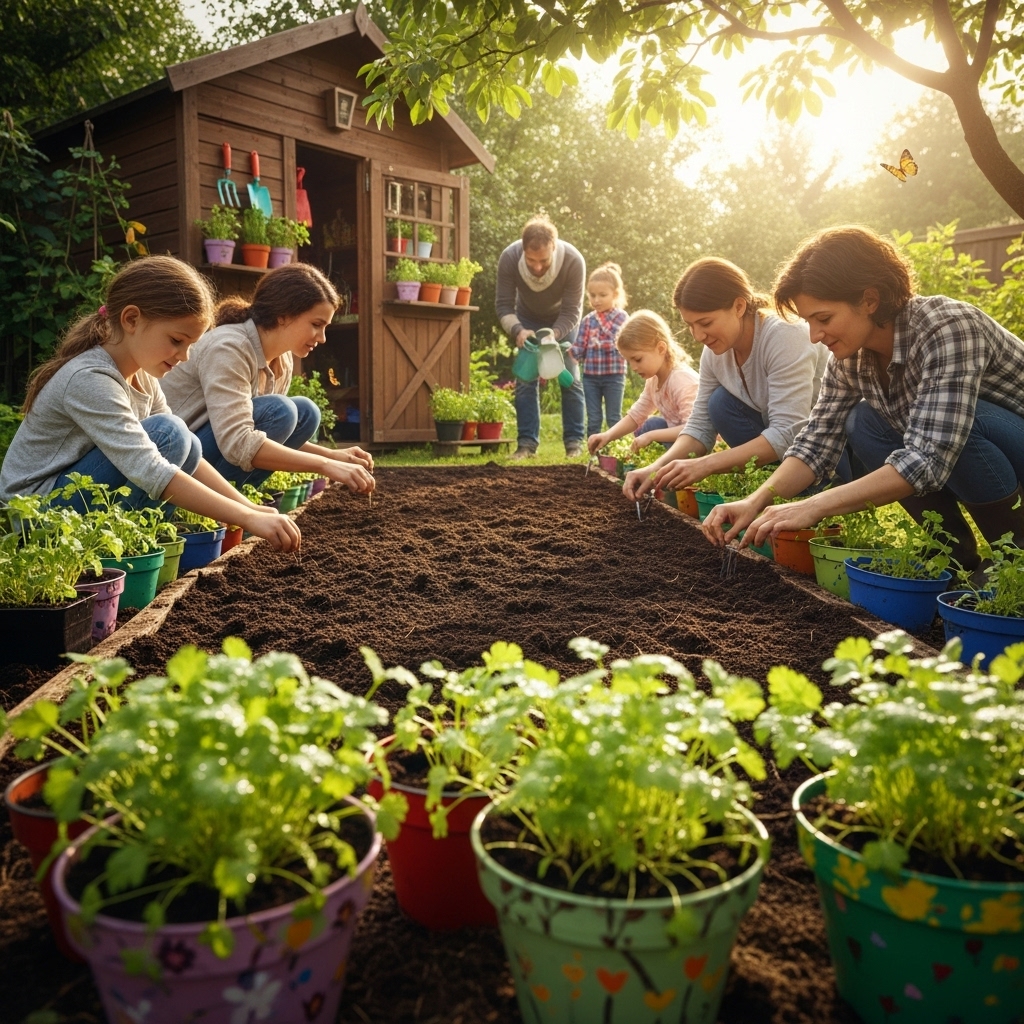
Growing cilantro in your garden has numerous benefits. First and foremost, it’s incredibly easy to grow, making it perfect for novice gardeners like myself. Cilantro grows quickly, often ready for harvest within 3 to 4 weeks after planting. Additionally, it can thrive in small spaces, whether in pots on a balcony or directly in the ground. Beyond its culinary uses, cilantro is also known for its health benefits, including antioxidants and anti-inflammatory properties. I’ve noticed that having fresh cilantro on hand not only elevates my dishes but also adds a nutritious boost to my meals.
Cilantro vs. Coriander: What’s the Difference?
Many people often confuse cilantro and coriander, but they refer to different parts of the same plant. Cilantro refers specifically to the fresh leaves and stems, while coriander denotes the dried seeds. I remember the first time I came across this distinction; I was baffled when a recipe called for coriander and I thought it meant the fresh herb! Now, I always double-check what’s needed, especially when cooking. Understanding this difference can help you use the right part of the plant in your cooking, ensuring the best flavor in your dishes. For more detailed insights, you can read Is Cilantro and Coriander the Same Plant? Full Answer.
Optimal Conditions for Cilantro Growth
Ideal Soil Type for Cilantro
For cilantro to grow efficiently, it thrives best in well-draining soil that is rich in organic matter. I like to mix regular garden soil with compost or well-rotted manure to enhance the nutrient content. This not only provides essential nutrients for the plant but also improves soil structure, allowing for better drainage. If your soil is heavy and clay-like, consider adding sand or perlite to improve drainage. Trust me; cilantro does not like to sit in waterlogged soil, and that’s one lesson I learned the hard way when my first batch drowned!
Sunlight Requirements
Cilantro loves sunlight, and for optimal growth, it should get at least 6 hours of direct sun each day. I’ve found that placing my cilantro in a sunny spot in my garden has made a significant difference in growth speed and overall health. However, in hotter climates, providing some afternoon shade can help prevent the plant from bolting too quickly. I often experiment by planting cilantro in both full sun and partial shade, and I’ve noticed that the plants in the latter tend to have a longer growing season.
Temperature and Climate Considerations
Cilantro prefers cooler temperatures, ideally between 50°F and 85°F. It can be a bit tricky, as it tends to bolt (flower and go to seed) quickly in heat, which can shorten your harvest time. I’ve learned that timing my planting is crucial; I often plant cilantro in early spring and again in late summer or early fall to take advantage of the cooler weather. If you live in an area with hot summers, consider planting cilantro in the fall, as it can thrive beautifully until the first frost. I love the idea of having fresh herbs available even as the weather cools down.
Preparing to Plant Cilantro
Choosing the Right Seeds
When selecting cilantro seeds, it’s essential to look for high-quality, organic seeds if possible. I always check for seeds that are labeled as “slow bolting,” which means they are more likely to withstand heat without flowering prematurely. If you’re not sure what to choose, a local gardening center can provide recommendations based on your climate. I’ve found that experimenting with different varieties can also be fun, as some have a milder flavor, while others pack a more robust taste.
Gathering Essential Gardening Tools
Having the right gardening tools can make planting cilantro much easier and more enjoyable. At a minimum, I recommend having a trowel, watering can, and garden gloves. If you’re starting in pots, make sure you have containers with drainage holes. I’ve also found that using a seedling tray can be helpful for starting seeds indoors before transplanting them outside. It gives me a head start on my herb garden, especially when the weather is unpredictable!
Soil Preparation Techniques
Proper soil preparation is key to successful cilantro growth. I start by clearing the area of any weeds and debris to give my seeds a clean slate. Then, I mix in compost or organic fertilizer to ensure the soil is nutrient-rich. I like to loosen the soil to at least a depth of 12 inches to encourage deep root growth. Once the soil is ready, I level it out and create shallow rows or furrows for planting. I find that taking the time to prepare the soil well pays off in the long run, as my cilantro grows strong and healthy.
How to Plant Cilantro for Fast Growth
Direct Sowing vs. Transplanting
Cilantro can be planted directly in the garden or started indoors and transplanted. Personally, I prefer direct sowing because it allows the seeds to germinate in their final location, reducing transplant shock. I usually sow the seeds about ¼ inch deep and 1-2 inches apart. If you decide to transplant, start the seeds indoors about 3-4 weeks before the last frost date. When transplanting, be gentle with the roots to avoid any damage. I’ve tried both methods, and while transplanting can yield quicker results, I love the simplicity of sowing directly into the garden.
Planting Depth and Spacing
When planting cilantro seeds, it’s crucial to maintain proper depth and spacing. I typically plant my seeds about ¼ inch deep and ensure they are spaced about 1-2 inches apart. This allows for air circulation and helps prevent diseases. Once they start to grow, I thin the seedlings to about 6 inches apart to give them enough room to develop fully. I’ve found that overcrowding can lead to weaker plants, so thinning is a step I never skip!
Watering Techniques for Optimal Growth
Watering cilantro is a delicate balance; the soil should remain moist but not soggy. I usually water my cilantro in the morning, allowing the sun to help evaporate any excess moisture. During hot spells, I’ll check the soil more frequently, as cilantro is sensitive to drought. I’ve also learned that using a gentle spray or a watering can with a fine spout helps prevent displacing the seeds or seedlings. Consistency is key when it comes to watering; I aim to keep the soil evenly moist for the best results.
Care and Maintenance of Cilantro
Fertilization Tips for Fast Growth
Once my cilantro starts growing, I’ve learned that providing the right nutrients is crucial for fast and healthy growth. I usually fertilize my cilantro with a balanced, organic fertilizer about two weeks after sowing the seeds. This gives them a good nutrient boost right when they need it. I prefer using a liquid fertilizer diluted in water, as it’s easier for the plants to absorb. I find that applying fertilizer every four to six weeks keeps my cilantro thriving. Just be careful not to over-fertilize; too much can lead to lush foliage but less flavor in the leaves, which is not what I want when I’m looking for that fresh cilantro taste in my dishes!
Pest and Disease Management
As much as I love gardening, I’ve had my share of pest problems with cilantro. Aphids and spider mites are common culprits that can attack cilantro plants. To manage pests, I often check the undersides of the leaves regularly for any signs of trouble. If I spot pests, I usually spray the affected areas with a mixture of water and a few drops of dish soap. This simple solution has worked wonders for me without resorting to harsh chemicals. I also encourage beneficial insects like ladybugs in my garden since they feed on aphids. Keeping an eye on my plants and acting quickly saves me from bigger issues down the line.
Diseases like downy mildew can also affect cilantro, especially in humid conditions. I’ve learned that proper spacing between plants helps improve air circulation, reducing the chances of disease. When I notice any diseased leaves, I promptly remove them to prevent the spread. Regularly watering at the base of the plants, instead of overhead, is another practice I’ve adopted to keep my cilantro healthy.
Thinning and Harvesting Methods
Thinning my cilantro seedlings is a step I’ve come to appreciate. Once they reach about 2-3 inches tall, I choose the weakest plants and carefully remove them, leaving the strongest ones to grow. This not only allows the remaining plants to have more space but also ensures they get adequate nutrients and sunlight. I’ve found that thinning results in healthier plants and a better harvest in the end.
When it comes to harvesting cilantro, I’m always eager to get my hands on those fresh leaves! I usually start harvesting when the plants are around 6 inches tall. I prefer to snip the outer leaves first, allowing the inner leaves to continue growing. This method ensures that I can keep enjoying a continuous supply of cilantro. I often use kitchen scissors for a clean cut, which minimizes damage to the plant. I’ve also learned that harvesting in the morning, after the dew has dried, gives the best flavor and aroma. Plus, it’s a refreshing way to start my day!
Common Issues and Solutions
Why is My Cilantro Leggy?
One issue I’ve encountered with cilantro is leggy growth, which can happen if they don’t get enough sunlight. I remember the first time I noticed my plants stretching tall and sparse. They seemed desperate for light! If you ever find yourself in this situation, try moving your cilantro to a sunnier spot or ensuring that they receive at least 6 hours of direct sunlight daily. If I can’t relocate them, I’ll rotate my pots every few days to give all sides equal exposure. Sometimes, I’ve also found that the use of grow lights can help, especially during shorter days in the fall and winter.
Dealing with Bolting
Bolting is another challenge I’ve faced with cilantro. It usually happens when the weather gets too warm, causing the plant to flower and go to seed. When I notice my cilantro starting to bolt, I immediately harvest as much as I can because the flavor of the leaves diminishes significantly once they flower. To prevent bolting, I’ve learned to plant cilantro during cooler months and provide shade during the hottest parts of summer. I’ve also experimented with different varieties, as some are bred to be more heat tolerant, helping me extend my harvest.
Managing Soil Nutrients
Maintaining the right nutrient balance in the soil is vital for cilantro health. If I start to notice yellowing leaves, it could indicate a nitrogen deficiency. In such cases, I’ve found that adding a nitrogen-rich fertilizer can quickly perk up my plants. Regularly testing the soil for pH and nutrient levels has become part of my routine, ensuring that my cilantro has everything it needs to thrive. I’ve also learned not to plant cilantro in the same spot too often; rotating my crops not only helps prevent nutrient depletion but also reduces the risk of diseases.
Harvesting and Using Cilantro
When and How to Harvest Cilantro
Harvesting cilantro is one of my favorite parts of growing this herb. I usually start harvesting when the plants reach about 6 inches tall, which is when they have enough leaves to provide a good yield. I like to pick the outer leaves first, which encourages the plant to grow more from the center. I find it helpful to use sharp kitchen scissors to snip the leaves; this minimizes damage to the plant, allowing it to continue thriving. I’ve learned that harvesting in the morning, after the dew has dried, gives the best flavor and aroma. It feels refreshing to start my day by gathering fresh herbs for breakfast or lunch!
When I’m harvesting, I try to avoid cutting more than a third of the plant at a time. This way, I give the cilantro enough time to replenish itself. I’ve noticed that if I over-harvest, the plant can stress out and stop growing, which is the last thing I want to happen. Keeping an eye on the size of my harvest helps me enjoy fresh cilantro throughout the growing season.
Storing Cilantro for Freshness
Once I’ve harvested my cilantro, I want to keep it fresh for as long as possible. I’ve tried a few different methods, and I’ve found a couple that work really well for me. One of my favorite ways to store cilantro is to treat it like fresh flowers. I trim the stems and place them in a jar with water, then cover the leaves loosely with a plastic bag. This keeps the leaves hydrated and fresh for up to a week in the fridge. It’s always a joy to open the fridge and see those vibrant green leaves waiting for me!
Another method I’ve experimented with is freezing cilantro. I chop the leaves and mix them with a little bit of olive oil, then spoon the mixture into an ice cube tray. Once frozen, I pop them out and store the cubes in a freezer bag. This way, I can easily add cilantro to soups or sauces straight from the freezer. It’s a game-changer during the winter months when fresh herbs are harder to come by.
Creative Uses for Fresh Cilantro in Cooking
I can’t help but get excited about the endless possibilities of using fresh cilantro in my cooking. It adds such a bright flavor to dishes. One of my go-to recipes is a simple salsa. I chop tomatoes, onions, jalapeños, and, of course, a generous handful of cilantro. The freshness of the cilantro really ties everything together. I love serving it with tortilla chips or on top of tacos!
Cilantro also works wonders in salads. I often toss it in with mixed greens, avocado, and a squeeze of lime juice for a refreshing side salad. It adds an amazing burst of flavor that elevates even the simplest dishes. I remember one summer BBQ where I made a cilantro-lime quinoa salad, and everyone kept asking for the recipe. It’s amazing how one herb can transform a dish!
For something a bit different, I enjoy using cilantro in marinades for grilled meats. Mixing cilantro with garlic, lime juice, and olive oil creates a flavorful marinade that infuses the meat with a fresh taste. I’ve found that letting it marinate for a few hours or overnight really deepens the flavor. It’s one of those simple tricks that makes a big impact.
Lastly, I’ve even started incorporating cilantro into my smoothies! It adds a unique twist and pairs well with fruits like pineapple and mango. If you’re feeling adventurous, give it a try—you might be surprised at how delicious it is!
Frequently Asked Questions
What is cilantro and how is it used?
Cilantro, also known as coriander in many parts of the world, is a popular herb from the Apiaceae family. Its leaves are used in various culinary dishes for a fresh, zesty flavor, while its seeds are referred to as coriander seeds, used in spice mixes.
How quickly does cilantro grow?
Cilantro grows quickly and is often ready for harvest within 3 to 4 weeks after planting, making it ideal for novice gardeners.
What are the ideal conditions for growing cilantro?
Cilantro thrives in well-draining soil rich in organic matter, requires at least 6 hours of direct sunlight daily, and prefers cooler temperatures between 50°F and 85°F.
Should cilantro be planted directly in the ground or started indoors?
Cilantro can be planted directly in the garden or started indoors and transplanted. Direct sowing is preferred as it reduces transplant shock.
What depth and spacing should be maintained when planting cilantro seeds?
Cilantro seeds should be planted about ¼ inch deep and spaced 1-2 inches apart to allow for proper air circulation and to prevent diseases.
How should cilantro be watered for optimal growth?
Cilantro should be watered to keep the soil moist but not soggy. Watering in the morning is recommended, and using a gentle spray helps prevent displacing seeds or seedlings.
What is the best way to fertilize cilantro?
A balanced, organic fertilizer is recommended about two weeks after sowing, with applications every four to six weeks. Care should be taken to avoid over-fertilizing, as this can affect the flavor of the leaves.
How can I manage pests and diseases affecting cilantro?
Pests like aphids and spider mites can be managed by checking the undersides of leaves and using a water and dish soap mixture. Proper spacing and watering at the base help prevent diseases like downy mildew.
When should cilantro be harvested?
Cilantro can be harvested when the plants reach about 6 inches tall. It’s best to snip the outer leaves first and avoid cutting more than a third of the plant at once to allow for continued growth.
What are some creative ways to use fresh cilantro in cooking?
Fresh cilantro can be used in a variety of dishes such as salsa, salads, marinades for grilled meats, and even smoothies, adding brightness and flavor to meals.