
Cilantro can be quickly grown by planting its seeds in well-drained soil, providing ample sunlight, and ensuring consistent moisture. From my experience, with the right conditions and care, you can enjoy fresh cilantro within just a few weeks. Read Interesting article: How to Plant Cilantro for Fast Growth
Understanding Cilantro: An Overview
What is Cilantro?
Cilantro, scientifically known as Corianthum sativum, is an herb that belongs to the parsley family. It’s celebrated not just for its vibrant green leaves but also for its distinctive flavor, which adds a fresh zest to countless dishes. I remember the first time I tried a salsa made with fresh cilantro; it completely transformed my perception of what a dip could be. Typically, both the leaves and stems are used in cooking, while the seeds of the plant are known as coriander. Cilantro is often used in cuisines worldwide, from Mexican to Indian, and it can even be found in Mediterranean dishes. This distinction can certainly lead to some confusion when browsing recipes, but knowing the difference has helped me in my cooking adventures!
Cilantro vs. Coriander: What’s the Difference?
This is a common question that often confuses new gardeners and cooks alike. While cilantro refers to the fresh leaves and stems of the plant, coriander refers to the seeds. I used to think they were interchangeable until I learned that in some cultures, like in the United States, the term “cilantro” is used for the leaves, while “coriander” is reserved for the seeds. This distinction can certainly lead to some confusion when browsing recipes, but knowing the difference has helped me in my cooking adventures!
Benefits of Growing Cilantro
Health Benefits of Cilantro
Growing cilantro in your garden is not just about enhancing your dishes; it also comes with numerous health benefits. I was surprised to discover that cilantro is packed with antioxidants and vitamins, particularly vitamins A, C, and K. It’s also known for its detoxifying properties. Some studies suggest that cilantro can help remove heavy metals from the body, which is something I found particularly compelling. Incorporating fresh cilantro into my meals is a delicious way to boost my health, and I feel good knowing I’m eating something nutritious.
Culinary Uses of Fresh Cilantro
The versatility of cilantro in the kitchen is another reason to grow it. I love that I can sprinkle fresh cilantro over tacos, mix it into guacamole, or toss it into a salad for a burst of flavor. It can also be blended into sauces, added to soups, or used as a garnish. The possibilities are endless! I’ve even experimented with making cilantro pesto, which turned out to be a game-changer in my cooking repertoire. If you enjoy cooking, having fresh cilantro at hand can elevate your dishes and impress your family and friends. Read Interesting article: How to Grow Cilantro Plants Successfully at Home
Preparing to Plant Cilantro
Choosing the Right Variety of Cilantro
When it comes to cilantro, there are a few varieties to consider. The most common type is the standard cilantro, but I’ve found that ‘Slow Bolt’ cilantro is a fantastic option if you live in a warmer climate. This variety is bred to resist bolting, which means it won’t go to seed as quickly as others. I’ve planted both types, and I appreciate how ‘Slow Bolt’ allows me to enjoy cilantro for a longer period. If you’re unsure about which variety to choose, you might want to try growing a couple of them side by side to see which one works best for your garden.
Essential Tools and Supplies
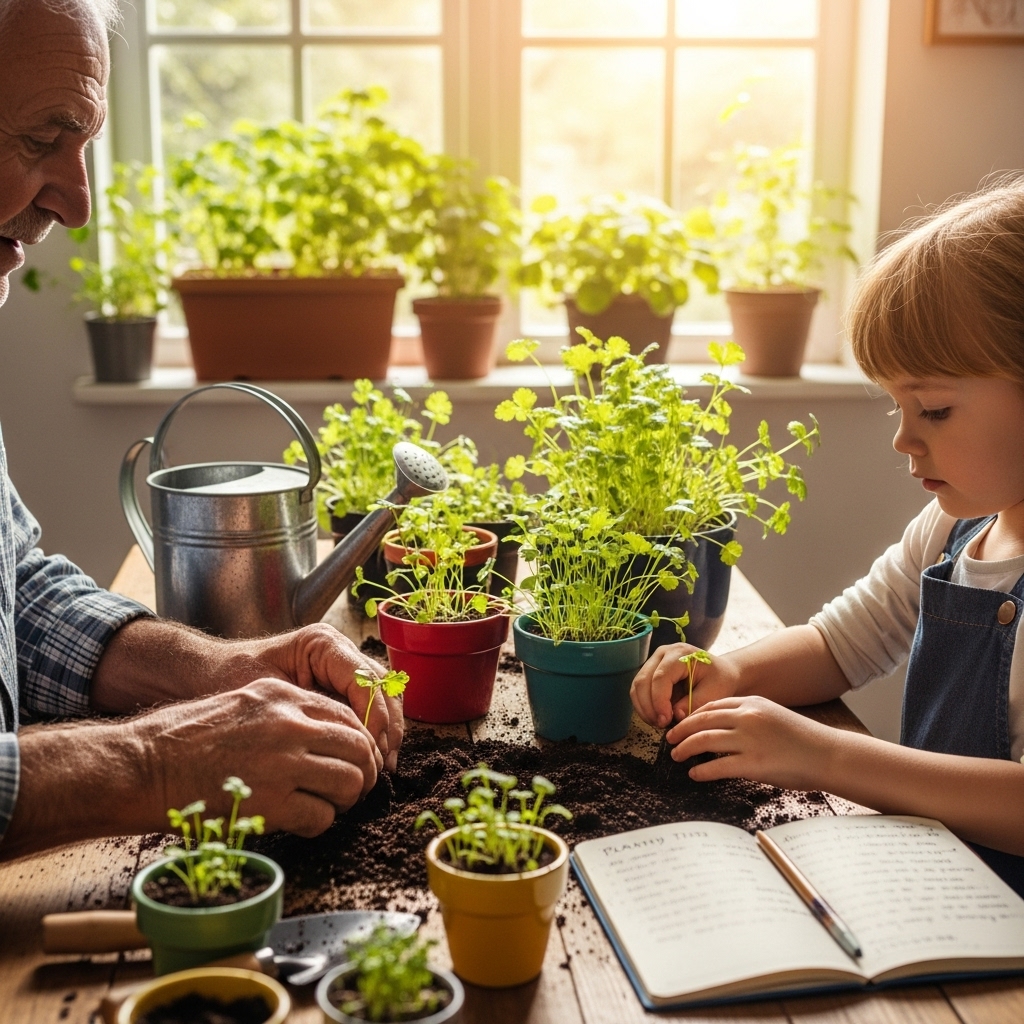
Before planting cilantro, gathering the right tools and supplies is essential. I always make sure I have quality seeds, a trowel, a watering can, and some garden soil or potting mix that drains well. If you’re planting in pots, ensure they have drainage holes; I’ve learned the hard way that waterlogged roots can lead to problems. Additionally, having a small indoor or outdoor space marked for planting can make the process smoother. I find it helpful to have some labels for my plants, especially if I’m growing different herbs at once!
Understanding Cilantro’s Growth Cycle
Cilantro grows relatively quickly, typically maturing in about 2 to 3 weeks if conditions are right. Understanding this growth cycle has helped me plan my gardening better. I remember planting cilantro seeds and being amazed at how quickly they sprouted. The key is to remember that cilantro prefers cooler weather. In fact, I’ve noticed that it tends to bolt prematurely in high summer heat. This awareness has guided my planting schedule, allowing me to enjoy fresh cilantro multiple times a year. Knowing when cilantro grows best will make your gardening experience more rewarding!
Optimal Conditions for Quick Growth
Soil Requirements
For cilantro to grow quickly, it needs well-drained soil rich in organic matter. I always mix compost into my garden beds before planting, as it provides essential nutrients. The ideal soil pH for cilantro is between 6.2 and 6.8. I remember testing my soil with a simple kit from my local garden center, which gave me peace of mind. If your soil isn’t quite right, you can amend it with lime to raise the pH or sulfur to lower it. Good soil health has made all the difference in my garden, and I’ve seen a noticeable improvement in my plants’ growth.
Sunlight Exposure
Cilantro loves sunlight, but it also appreciates some shade, especially in hotter months. I’ve found that planting cilantro in a spot that gets full sun for most of the day but some afternoon shade works wonders. This combination helps prevent the plants from bolting too early. I learned this the hard way when I planted cilantro in full sun all day and ended up with tall, leggy plants that quickly went to seed. Balancing sunlight and shade has made a significant difference in my cilantro yields.
Watering Needs
Watering cilantro consistently is crucial for quick growth. I aim to keep the soil moist but not soggy, and I often check the top inch of soil to see if it needs watering. I’ve learned that cilantro prefers to be watered regularly but dislikes standing water. Over time, I’ve adjusted my watering routine, usually giving my plants a good soak in the morning. This schedule has helped me avoid the stress of dry soil and has resulted in healthier, more robust plants.
Step-by-Step Guide to Planting Cilantro
When to Plant Cilantro
Timing can make all the difference when it comes to planting cilantro. I personally find that the best time to sow cilantro seeds is in the early spring or late summer. This is because cilantro thrives in cooler weather and can bolt, or go to seed, quickly in the heat of summer. I’ve had great success by planting in early spring when the temperatures are mild. If you live in a warmer climate, consider planting in late summer for a fall harvest. I remember the joy of reaping the rewards of my cilantro when I timed it just right, and it’s an experience I want everyone to share!
Preparing the Soil
Before planting, I make it a habit to prepare the soil properly. I usually start by loosening the soil to a depth of about 12 inches. This ensures that the roots have enough room to grow. If I’m planting in a garden bed, I typically remove any weeds or debris to give my cilantro the best chance of thriving. I also mix in some compost, as I’ve found that this boosts the soil’s nutrient content significantly. When I took the time to prepare the soil, I noticed a difference in how quickly my cilantro grew. It’s a small step that pays off big time!
How to Sow Cilantro Seeds
Sowing cilantro seeds is a straightforward process. I usually space the seeds about 1 to 2 inches apart and plant them about half an inch deep. I’ve learned that cilantro doesn’t need a lot of fuss during this stage; just sprinkle them in, cover them with soil, and gently press down. After sowing, I give the area a good watering to settle the seeds. I’ve also found it helpful to label the row with the planting date so that I can keep track of when I can expect to see sprouts. Watching the seeds germinate is truly one of my favorite parts of gardening!
Transplanting Cilantro Seedlings
If I start my cilantro indoors, I like to transplant the seedlings outdoors once they have at least two sets of true leaves and the risk of frost has passed. This usually happens around 4 to 6 weeks after seeding. When I transplant, I make sure to space the seedlings about 6 to 8 inches apart to allow for good air circulation. I dig a small hole, gently loosen the roots, and place the seedling in, covering it with soil. I remember being a bit nervous the first time I did this, but I’ve learned that being gentle with the roots can help my plants thrive. It’s such a rewarding feeling to see those little seedlings take root in their new home!
Caring for Your Cilantro Plants
Watering Schedule for Quick Growth
Once my cilantro is planted, I switch my focus to maintaining a proper watering schedule. I generally water my cilantro every 2 to 3 days, keeping an eye on the soil moisture. If the top inch of soil feels dry, I give it a good drink. I’ve come to realize that consistent watering is key to keeping my plants happy and lush. I prefer to water in the morning to prevent fungal diseases, which can happen if the leaves stay wet overnight. Finding that balance in my watering routine has led to much healthier growth.
Fertilization Tips
I’ve noticed that cilantro doesn’t require heavy fertilization, but a light feeding can help it flourish. Typically, I use a balanced, slow-release fertilizer once the seedlings are a few inches tall. I remember the first time I fertilized my cilantro; it made such a noticeable difference in the growth rate. I also like to supplement with compost every few weeks to keep the nutrients flowing. It’s a simple way to ensure my cilantro gets the nourishment it needs while keeping my gardening eco-friendly!
Pest and Disease Management
As with any garden plant, pests can be a concern for cilantro. I’ve had my fair share of battles with aphids and spider mites. To manage this, I like to keep an eye on my plants regularly, inspecting the undersides of leaves. If I spot any pests, a gentle spray of water can dislodge them. I also use insecticidal soap as a preventive measure if I notice an infestation starting. I’ve learned that maintaining a healthy environment for my cilantro, including good air circulation and not overcrowding the plants, can help minimize disease risk. It’s all about being proactive!
Harvesting Cilantro
When to Harvest Cilantro
Harvesting cilantro is one of the most exciting parts of the process! I usually start to harvest when the plants are about 6 inches tall, which typically occurs around 3 to 4 weeks after planting. I prefer to pick leaves regularly; this encourages the plant to grow more. I remember the first time I harvested cilantro—seeing those lush green leaves in my hand felt incredibly rewarding. It’s best to pick in the morning after the dew has dried, as this is when the flavor is most potent. I plan my harvests around this time to make the most of my culinary creations!
How to Harvest Cilantro Effectively
When it’s time to harvest, I like to use clean garden scissors or my fingers to snip leaves from the top down, allowing the lower leaves to continue growing. I usually take only a third of the plant at a time so that it can keep producing. I’ve found that being gentle helps the plant recover and grow back quickly. After harvesting, I rinse the cilantro to remove any dirt and store it properly, usually in a glass of water in the fridge or wrapped in a damp paper towel. This keeps it fresh and ready for my next culinary adventure!
Common Mistakes to Avoid When Growing Cilantro
Overwatering and Underwatering
I’ve made my share of mistakes when it comes to watering cilantro. Overwatering can lead to root rot, while underwatering can stress the plants. I’ve learned to check the soil regularly and adjust my watering schedule based on the weather. It’s important to find that sweet spot where the soil is consistently moist but never soggy. Keeping an eye on the weather also helps; if it rains a lot, I cut back on watering.
Planting at the Wrong Time
Another mistake I’ve made is planting cilantro during the heat of summer. I learned the hard way that cilantro prefers cooler weather. Now, I make it a point to plant in early spring or late summer for the best results. This way, I get to enjoy fresh cilantro without the plants bolting too soon.
Neglecting Pest Control
Ignoring pests has been another lesson I’ve learned. I used to think they wouldn’t be a problem, but they can quickly take over. Regularly checking my plants and acting promptly when I see any signs has made a huge difference. I find that being proactive about pest control keeps my cilantro healthy and thriving!
Additional Tips for Growing Cilantro Indoors
Choosing the Right Containers
Growing cilantro indoors is such a rewarding experience! I always choose containers that are at least 6 to 8 inches deep, ensuring there’s enough room for the roots. Good drainage is crucial, so I look for pots with drainage holes. I’ve had success with both plastic and clay pots, but I prefer clay for its breathability. If you select the right container, you’ll enjoy a bountiful harvest right from your kitchen!
Indoor Lighting Solutions
Light is essential for growing cilantro indoors. I usually place my pots on a sunny windowsill that gets at least 4 to 6 hours of direct sunlight. However, if natural light is limited, I’ve found that using grow lights can be a game-changer. I simply set them up a few inches above the plants and let them simulate natural sunlight. This has greatly improved my indoor cilantro growth, and I love having fresh herbs at my fingertips, no matter the season!
Frequently Asked Questions
What is cilantro?
Cilantro, scientifically known as Corianthum sativum, is an herb that belongs to the parsley family. It is known for its vibrant green leaves and distinctive flavor, commonly used in various cuisines worldwide.
What is the difference between cilantro and coriander?
Cilantro refers to the fresh leaves and stems of the plant, while coriander refers to the seeds. In some cultures, such as in the United States, “cilantro” is used for the leaves and “coriander” for the seeds.
What are the health benefits of growing cilantro?
Cilantro is packed with antioxidants and vitamins A, C, and K. It also has detoxifying properties and may help remove heavy metals from the body, making it a nutritious addition to meals.
How long does it take for cilantro to grow?
Cilantro typically matures in about 2 to 3 weeks under the right growing conditions.
What are the soil requirements for growing cilantro?
Cilantro thrives in well-drained soil that is rich in organic matter, with an ideal pH range between 6.2 and 6.8.
When is the best time to plant cilantro?
The best time to sow cilantro seeds is in early spring or late summer, as cilantro prefers cooler weather and can bolt quickly in the heat of summer.
How often should cilantro be watered?
Cilantro should be watered consistently, typically every 2 to 3 days, keeping the soil moist but not soggy. It’s important to check the top inch of soil for moisture before watering.
What are common mistakes to avoid when growing cilantro?
Common mistakes include overwatering or underwatering, planting at the wrong time (like during the heat of summer), and neglecting pest control. Regular monitoring and proper timing can help avoid these issues.
How do you effectively harvest cilantro?
Harvest cilantro by snipping leaves from the top down with clean scissors or fingers, taking only a third of the plant at a time. Harvesting in the morning after dew has dried maximizes flavor.
What are some tips for growing cilantro indoors?
When growing cilantro indoors, choose containers that are at least 6 to 8 inches deep with good drainage. Ensure the plants receive 4 to 6 hours of direct sunlight or supplement with grow lights if natural light is limited.