
To achieve a bigger harvest of corn, it’s essential to choose the right corn variety, prepare the soil properly, and manage the growing conditions effectively. From my experience, balancing these factors can make a significant difference in your yield. Additionally, planting companion plants can help keep pests at bay.
Table of Contents
Understanding Corn Varieties
When I first started planting corn, I was surprised to learn just how many different varieties exist. Each type has unique traits that can influence the overall success of your harvest. Understanding these varieties is crucial in selecting the right one for your garden or field.
Sweet Corn
Sweet corn is the variety most commonly associated with summer barbecues and fresh corn on the cob. It’s the variety I often choose for my home garden because of its delectable taste. When planting sweet corn, it’s important to know that it thrives in warm weather and is usually harvested in late summer. For those of us who enjoy the sweet flavor, planting this type can be incredibly rewarding, especially when you bite into a freshly cooked ear right from the garden.
Field Corn
Field corn, or dent corn, is primarily used for animal feed and processed products like cornmeal and corn syrup. It’s not as sweet as sweet corn, but it has its advantages. I learned that field corn is more tolerant of varying soil conditions and can yield a larger volume compared to sweet corn. This variety is typically planted in larger agricultural settings, making it a staple in farming communities. If you’re looking at larger-scale production, field corn might be the best option for you.
Popcorn
Popcorn is a fun and unique variety that I absolutely love to grow. With its hard outer shell and starchy interior, it’s perfect for popping. Interestingly, it requires similar growing conditions to sweet and field corn but is harvested when the kernels are hard. The joy of watching my popcorn kernels pop into fluffy snacks is a rewarding experience, especially during movie nights. If you’re looking to add something different to your garden, popcorn offers both enjoyment and a chance to diversify your harvest.
Optimal Growing Conditions
Once I grasped the different corn varieties, I realized that understanding their optimal growing conditions was just as important. Corn is a heavy feeder that thrives under specific environmental conditions. I’ll share what I’ve learned about the best soil type, sunlight, and watering needs.
Soil Type and Preparation
From my experience, corn grows best in well-drained loamy soil rich in organic matter. I remember when I first started, my soil wasn’t ideal, and it showed in the yield. I recommend testing your soil before planting. A pH between 6.0 and 6.8 is optimal for corn growth. If your soil is too acidic or alkaline, you can amend it with lime or sulfur as needed.
Preparation is key to success. I learned that tilling the soil helps break up compacted layers, allowing roots to grow freely and access nutrients. Adding compost or well-rotted manure can enhance soil fertility significantly. In my case, enriching the soil made a noticeable difference in my crop yield. Read Interesting article: Starting Oak Trees from Acorns Germination and Planting Tips
Sunlight Requirements
Corn loves the sun. In fact, I’ve found that it requires at least 6 to 8 hours of direct sunlight each day. I made the mistake of planting corn too close to taller plants that shaded it. The result? Stunted growth. So, when planning my garden layout, I ensure that corn has full sun exposure. This little detail can lead to a much more vigorous plant and, ultimately, a larger harvest.
Watering Needs
Water management is another crucial aspect of growing corn. Corn has deep roots, and while it requires regular watering, it’s equally important not to overwater. I aim for about an inch of water per week, adjusting based on rainfall and soil conditions. During critical growth phases, like tasseling and ear development, I’ve noticed that consistent moisture really helps boost yields. Installing a drip irrigation system has helped me maintain consistent moisture levels without wasting water.
When to Plant Corn
Timing can make or break your corn harvest. From my experience, knowing when to plant is as essential as knowing how to plant. I’ve learned that various factors determine the right time, including regional climate, soil temperature, and frost dates.
Ideal Planting Dates by Region
Planting dates vary by region, which I didn’t realize until I started comparing notes with fellow gardeners. In warmer areas, you can start planting as early as March, while in cooler regions, it can be as late as May. I recommend checking local agricultural guidelines or your local extension office for specific recommendations. This has helped me align my planting schedule with the best growing conditions in my area.
Soil Temperature Guidelines
Soil temperature is another critical factor. Corn germinates best when soil temperatures reach around 50°F (10°C). When I first planted corn too early, I faced poor germination rates. Using a soil thermometer has become my go-to method for ensuring the right conditions. Waiting for that perfect temperature makes all the difference in getting a good start.
Frost Dates to Consider
Finally, being aware of local frost dates is crucial. I remember a few years back when I lost my entire corn crop to an unexpected late frost. Now, I always check the average last frost date and aim to plant my corn after that date. This simple step can prevent a lot of heartache and ensure that my plants thrive without setbacks.
How to Prepare the Soil
Preparing the soil properly is one of the most important steps in ensuring a successful corn harvest. I’ve really learned that taking the time to prepare the soil can set the foundation for a bountiful yield. Here’s what I’ve found to be essential in the preparation process.
Testing Soil pH
One of the first things I did when I was getting serious about growing corn was to test my soil pH. It was a game-changer! I discovered that corn prefers a slightly acidic to neutral pH, ideally between 6.0 and 6.8. Using a simple soil test kit, I was able to determine the pH level of my soil. If your soil is too acidic, you can add lime to raise the pH. On the flip side, if it’s too alkaline, sulfur can help bring it down. I remember how much better my corn performed after making these adjustments. It’s like giving the plants their favorite snack right from the start!
Amending Soil with Nutrients
After testing the pH, I moved on to amending my soil with nutrients. I learned that corn is a heavy feeder and requires a well-balanced mix of nitrogen, phosphorus, and potassium. In my experience, adding well-rotted compost or manure not only boosts nutrient levels but also improves soil structure. My go-to method is to apply these amendments a few weeks before planting, allowing them to integrate into the soil. I’ve seen how this makes a substantial difference in growth and yield. Also, consider incorporating cover crops into your rotation; they can add nutrients and improve soil health when tilled in.
Tilling Techniques
Tilling is another crucial aspect of soil preparation that I took to heart. Initially, I didn’t think much of it, but I soon realized how beneficial it is for corn. Tilling helps break up compacted soil, making it easier for roots to penetrate and access nutrients. I prefer using a rototiller for smaller gardens, but for larger plots, a tractor with a tiller attachment works wonders. Just remember not to over-till, as that can lead to soil erosion and loss of organic matter. A light tilling just before planting can help create an ideal seedbed, ensuring good seed-to-soil contact.
Planting Techniques for Maximum Yield
Now that the soil is prepared, the next step is getting those seeds in the ground! I’ve learned that the way we plant can greatly impact the overall yield, so let’s dive into the techniques that work best for me.
Row Spacing Recommendations
One of the first things I considered when planting corn was row spacing. I found that spacing rows about 30 inches apart gives each plant enough room to grow and receive adequate sunlight. However, I discovered that narrower rows, around 15 to 20 inches, can lead to higher yields in certain conditions by maximizing sunlight exposure. I’ve experimented with both and found that my sweet corn performed best with the 30-inch rows, allowing air circulation and reducing disease risk. It’s important to consider your specific growing conditions and adjust accordingly.
Seed Depth and Placement
Seed depth is another detail that I learned can make a difference. I typically plant corn seeds about 1.5 to 2 inches deep. This depth provides enough coverage to protect the seeds while allowing them to sprout effectively. I’ve found that planting too deep can delay germination, while planting too shallow may expose them to birds and other pests. I remember a time when I was too eager and planted them too shallow—let’s just say it didn’t end well! A little patience goes a long way in making sure the seeds are set just right.
Using Corn Planters vs. Hand Planting
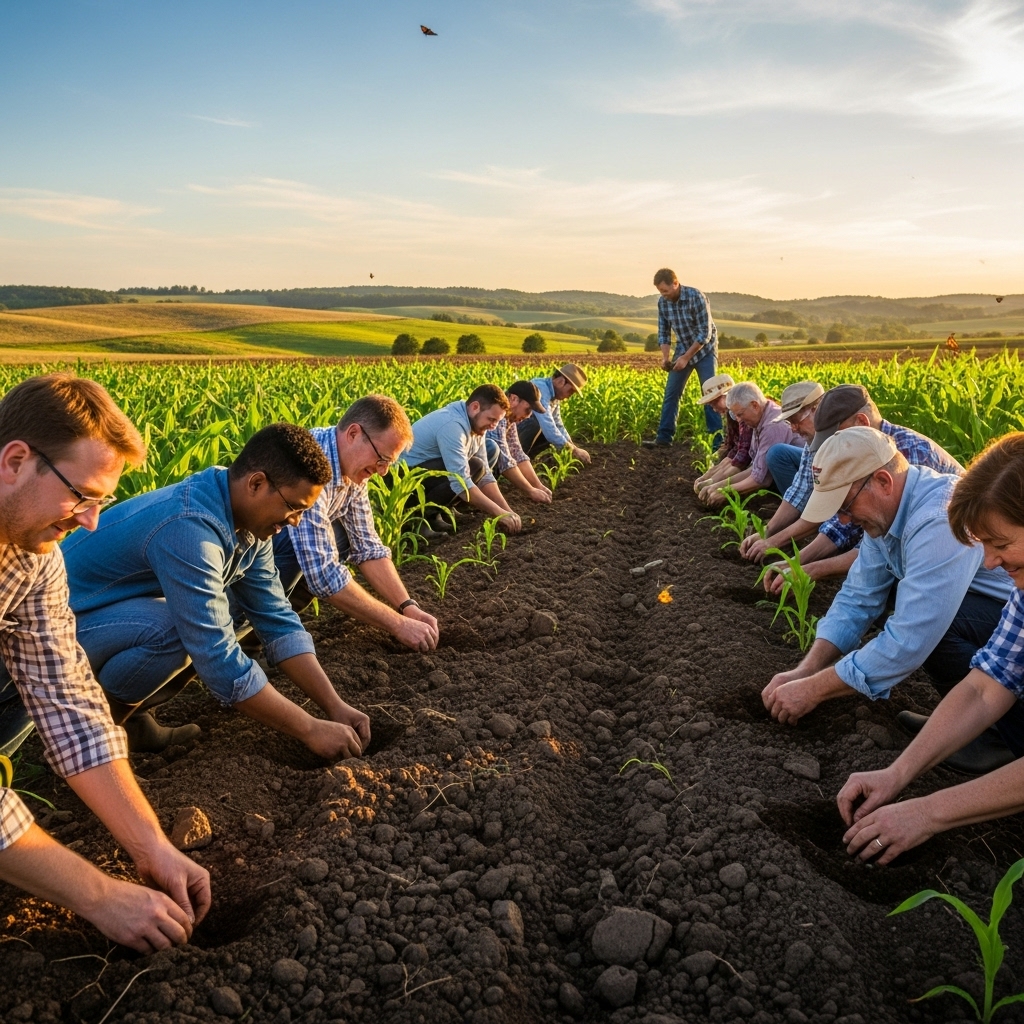
When it comes to planting, I’ve tried both corn planters and hand planting methods. For a small garden, hand planting is quite straightforward; I just make a furrow, drop the seeds in, and cover them up. However, when I scaled up my planting to larger areas, I invested in a corn planter. It saves time and ensures uniform spacing and depth, which is crucial for an even harvest. I’ve noticed that using a planter also helps reduce seed waste, which is a bonus! Whether you choose to hand plant or use machinery, finding the method that suits your needs will help you achieve a successful crop.
Managing Corn After Planting
Once the seeds are in the ground, the next phase is managing the corn to ensure it thrives. I’ve learned that this stage is just as critical as planting. Here’s what I focus on after planting.
Watering Schedule
After planting, I keep a close eye on my watering schedule. Consistency is key! I make sure to water regularly, especially during dry spells. Like I mentioned earlier, deep watering is essential for corn, so I usually aim for about an inch of water per week. Using a rain gauge has helped me track how much water my garden receives, allowing me to adjust my schedule accordingly. I’ve found that watering in the early morning helps reduce evaporation and allows the plants to absorb moisture throughout the day.
Weed Control Strategies
Weeds can be a real nuisance, and I’ve learned that controlling them early on is crucial for corn’s success. I typically use a combination of mulch and manual weeding to keep them at bay. Mulching not only suppresses weeds but also retains soil moisture. I also make it a point to monitor for any weeds that pop up—catching them early makes them easier to remove. If I let them grow too long, they can compete with my corn for nutrients and water.
Pest Management
Pests can wreak havoc on a corn crop, and I’ve had my share of encounters. I’ve learned to scout regularly for signs of trouble, such as earworms and aphids. Natural solutions, like introducing beneficial insects or using insecticidal soap, have worked well for me. I also rotate my crops to disrupt pest cycles, which has been a helpful strategy. It’s all about staying vigilant and being proactive!
Nutrient Management
Lastly, I keep an eye on nutrient management. Mid-season, I often apply a balanced fertilizer to give my corn an extra boost. Observing the color of the leaves tells me a lot; if they’re dark green, I know the nitrogen levels are good, but if they start to yellow, it’s time to act. I’ve learned that maintaining proper nutrient levels can significantly impact growth and yield.
Frequently Asked Questions
What are the main types of corn varieties mentioned in the article?
The main types of corn varieties mentioned are sweet corn, field corn, and popcorn. Each has unique traits and uses, such as sweet corn for fresh consumption, field corn for animal feed and processed products, and popcorn for making snacks.
What type of soil is best for growing corn?
Corn grows best in well-drained loamy soil rich in organic matter. A pH between 6.0 and 6.8 is optimal for corn growth.
How much sunlight does corn need to thrive?
Corn requires at least 6 to 8 hours of direct sunlight each day to grow successfully.
What is the recommended watering schedule for corn?
Corn typically requires about an inch of water per week, adjusting based on rainfall and soil conditions. Consistent moisture is particularly important during critical growth phases.
When is the best time to plant corn?
The ideal planting time varies by region. In warmer areas, planting can start as early as March, while in cooler regions it may be as late as May. It’s important to check local agricultural guidelines.
What is the optimal soil temperature for corn germination?
Corn germinates best when soil temperatures reach around 50°F (10°C).
What are effective weed control strategies for corn?
Effective weed control strategies include using a combination of mulch and manual weeding. Mulching helps suppress weeds and retain soil moisture.
How deep should corn seeds be planted?
Corn seeds should typically be planted about 1.5 to 2 inches deep to ensure proper coverage and effective sprouting.
What are some pest management strategies for corn?
Regular scouting for pests, introducing beneficial insects, using insecticidal soap, and rotating crops are effective pest management strategies for corn.
How can nutrient management be maintained for corn?
Nutrient management can be maintained by applying a balanced fertilizer mid-season and observing leaf color. Dark green leaves indicate good nitrogen levels, while yellowing leaves may signal a deficiency.